

📊 Full opportunity report: The Memory Squeeze: Why Your RAM Bill Doubled on ThorstenMeyerAI.com — validation score, market gap, and execution plan.
TL;DR
Memory prices have doubled or tripled in 2026 due to a strategic shift by chipmakers toward AI hardware. This reallocation has caused a persistent shortage, affecting consumer and enterprise markets alike.
DRAM prices have surged by up to 600% in 2026, with 32GB kits now costing over $370, and 64GB kits exceeding $600, according to industry trackers. This sharp increase marks a departure from previous memory cycles, driven by a strategic shift in chip manufacturing toward AI hardware rather than supply shortages.
Three major companies—Samsung, SK Hynix, and Micron—produce nearly all of the world’s DRAM. They are now redirecting wafer capacity from consumer-grade DDR5 memory to high-margin, AI-optimized High Bandwidth Memory (HBM). This shift is driven by HBM’s profitability, which can fetch three to five times the revenue per wafer compared to DDR5, despite its inefficiency in wafer area use.
As a result, around 23% of DRAM wafer output is now dedicated to HBM, up from 19% last year, with AI applications expected to absorb about 20% of all DRAM capacity in 2026. This reallocation is not temporary; it reflects a deliberate industry choice to prioritize high-margin AI hardware over consumer memory supply, leading to a sustained shortage.
Unlike past shortages that eased with increased capacity, this crisis is characterized by limited supply growth—projected at only 16% for DRAM in 2026—and long lead times for new fab expansions, which are not expected to reach full capacity until 2027–2028. Industry insiders suggest manufacturers are managing scarcity to preserve margins, rather than rushing to increase supply, partly due to existing market concentration and long-term contracts with major buyers.
Why your RAM bill doubled
“Doubled” is the polite version — consumer DRAM is running 3–6× its 2024 lows. The boom-bust cycle that always brought cheap RAM back isn’t coming this time, because the factories that make your RAM now make something far more profitable instead.
HBM
This is the quiet tax on the whole AI era. Relief isn’t forecast before 2028, and even then prices may settle 30–50% above pre-crisis levels. Buy what you genuinely need now; don’t panic-buy capacity you won’t use. You can’t out-wait the fab math — but, as this series will show, you can shrink what you need. Next: HBM Ate the Fab.
Impacts on Consumer and Enterprise Markets
This shortage significantly affects consumers, with PC builders facing higher component costs and delays. Major companies like Apple, Lenovo, and Dell have announced price hikes or delays, indicating broad industry impacts. The shift toward high-margin AI hardware also signals a fundamental change in the chip manufacturing landscape, with long-term implications for supply, pricing, and technological development in memory markets.
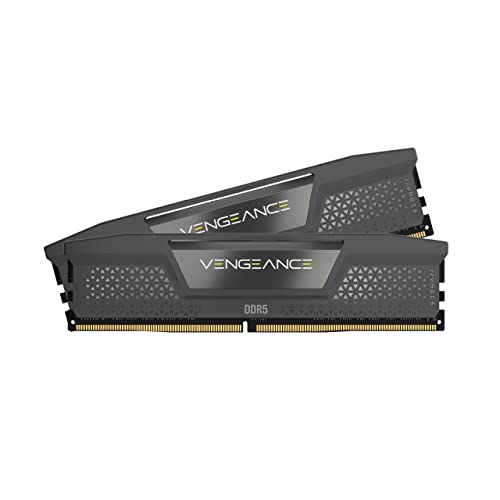
CORSAIR Vengeance DDR5 RAM 32GB (2x16GB) Up to 6000MHz CL36-44-44-96 1.35V AMD EXPO Intel XMP 3.0 Computer Memory – Grey (CMK32GX5M2E6000Z36)
Disclaimer: Maximum Speed requires overclocking/PC BIOS adjustments. Maximum speed and performance depend on system components, including motherboard and…
As an affiliate, we earn on qualifying purchases.
As an affiliate, we earn on qualifying purchases.
2026 Memory Market Shift and Industry Dynamics
Historically, memory shortages eased as manufacturers expanded capacity, flooding the market and reducing prices. However, in 2026, the industry’s focus has shifted toward AI hardware, which is more profitable but less scalable in terms of wafer efficiency. Major players—Samsung, SK Hynix, and Micron—are managing supply through long-term contracts and capacity discipline, with no immediate plans to significantly increase consumer DRAM output.
This strategic reallocation is partly driven by the physics of HBM, which consumes more wafer area and yields lower efficiency, making it a more lucrative product for chipmakers. The result is a persistent scarcity that cannot be resolved by traditional capacity expansion methods, marking a new era in memory economics.
“Our capacity allocation reflects market demand and profitability considerations; we are balancing supply between consumer and enterprise needs.”
— Micron spokesperson

G.SKILL Trident Z5 Neo RGB Series DDR5 RAM (AMD EXPO & Intel XMP 3.0) 64GB (2x32GB) 6000MT/s CL36-36-36-96 1.35V Desktop Computer Memory U-DIMM – Matte Black (F5-6000J3636F32GX2-TZ5NR)
G.SKILL Trident Z5 Neo RGB Series DDR5 U-DIMM Memory Kit, Model: F5-6000J3636F32GX2-TZ5NR
As an affiliate, we earn on qualifying purchases.
As an affiliate, we earn on qualifying purchases.
Unresolved Questions About Market Manipulation?
While the industry attributes the shortage to strategic reallocation toward AI hardware, some analysts question whether existing market concentration and past collusion could also influence pricing dynamics. No formal antitrust actions are currently underway, but the long-term implications of market dominance remain a point of debate.
AI optimized HBM memory modules
As an affiliate, we earn on qualifying purchases.
As an affiliate, we earn on qualifying purchases.
Future Supply and Market Adjustment Timeline
Manufacturers expect new fab capacity to come online around 2027–2028, which should gradually ease shortages. However, the ongoing prioritization of high-margin AI hardware suggests that consumer RAM prices may remain elevated until then. Buyers and industry watchers will monitor capacity expansion, contract terms, and the evolution of AI hardware demand for signs of market stabilization.
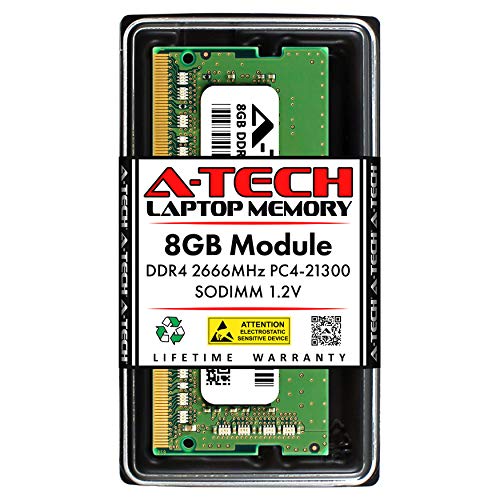
A-Tech DDR4 RAM 8GB 2666MHz PC4-21300 SODIMM Laptop Memory
A-Tech 8GB RAM Module, DDR4 SO-DIMM 260-Pin, 2666MHz / 2667MHz PC4-21300 (PC4-2666V)
As an affiliate, we earn on qualifying purchases.
As an affiliate, we earn on qualifying purchases.
Key Questions
Why have RAM prices increased so dramatically in 2026?
Prices have surged due to a strategic industry shift toward manufacturing high-margin AI hardware like HBM, which consumes more wafer area and reduces supply of consumer-grade RAM.
Will RAM prices return to normal soon?
Prices are unlikely to normalize before 2027–2028, as capacity expansion is slow and manufacturers continue prioritizing AI hardware over consumer memory supply.
How does this affect PC builders and consumers?
Higher RAM costs and shortages are leading to increased build prices, delays, and limited availability of high-capacity modules, impacting both OEMs and end-users.
While market concentration is high among DRAM producers, current price increases are officially attributed to capacity reallocation for AI hardware, not collusion. No recent antitrust cases have been filed related to this shortage.
Source: ThorstenMeyerAI.com