
TL;DR
Amazon has raised prices on several of its popular devices, including Echo, Fire TV, Kindle, and Eero, citing significant increases in memory costs. The move aims to offset rising production expenses, but the full impact on consumers is still unclear.
Amazon has confirmed it is raising prices on its Echo, Fire TV, Kindle, and Eero products to offset significant increases in memory costs. The price adjustments, announced in March 2024, mark a strategic response to rising manufacturing expenses and supply chain pressures, with potential implications for consumers and the broader smart device market.
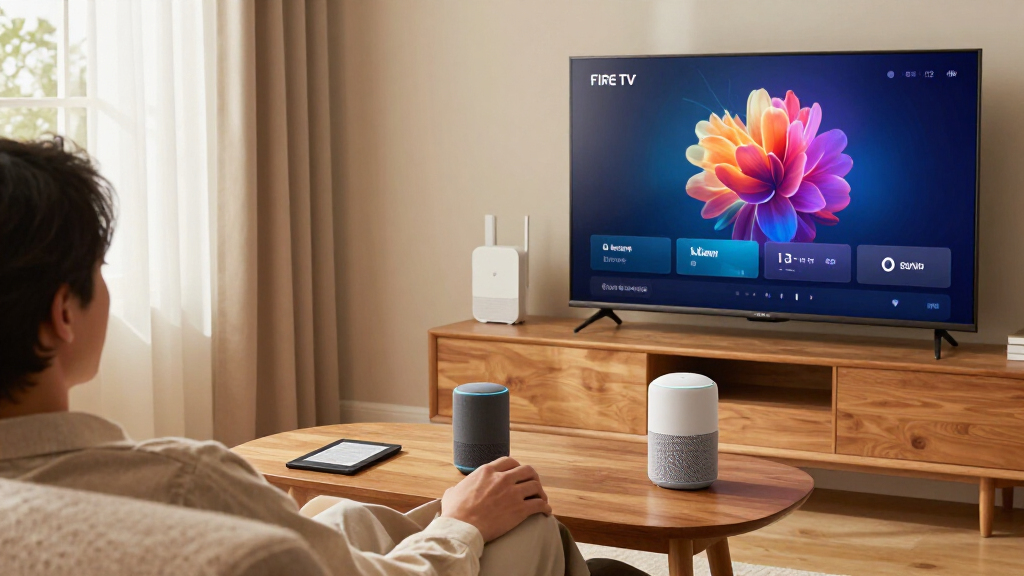
According to Amazon officials, the company has implemented price hikes across several product lines, including Echo smart speakers, Fire TV streaming devices, Kindle e-readers, and Eero mesh Wi-Fi systems. The increases are linked to rising costs of memory chips and other components essential for these devices’ operation. Specific percentage increases have not been disclosed, but the company emphasized that the adjustments are necessary to maintain product quality and innovation.
Amazon stated that the price changes are effective immediately or will be phased in over the coming weeks, depending on the product. The company did not specify whether these increases will be permanent or subject to future adjustments. Retailers and consumers are awaiting further details on the exact pricing changes and their scope.
Implications for Consumers and Market Competition
This move by Amazon signals a response to ongoing supply chain disruptions and increased manufacturing costs, which could lead to higher prices for consumers. It also reflects broader industry trends where component shortages and inflationary pressures are forcing tech companies to adjust pricing strategies. The decision may influence competitors and market dynamics, potentially leading to similar price adjustments across the smart device sector.
For consumers, the price hikes could affect purchasing decisions and adoption rates of Amazon’s ecosystem products. It also raises questions about the long-term affordability of smart home and e-reader devices amid ongoing supply chain challenges.
As an affiliate, we earn on qualifying purchases.
Rising Costs and Supply Chain Pressures in Tech Industry
Over the past year, the tech industry has faced persistent supply chain disruptions, particularly in semiconductor and memory chip markets. These shortages have driven up component prices, prompting manufacturers like Amazon to adjust their pricing models. Amazon’s product portfolio, which includes popular devices like Echo, Kindle, and Fire TV, relies heavily on memory chips, making them vulnerable to cost fluctuations.
Previously, Amazon maintained stable pricing despite industry pressures, but recent increases in memory costs have made such strategies unsustainable. This is part of a broader trend where companies are passing higher costs to consumers or reducing profit margins to stay competitive.
“We are adjusting our prices on certain devices to reflect the increased costs of memory and other components. This allows us to continue delivering innovative products to our customers.”
— Amazon spokesperson
As an affiliate, we earn on qualifying purchases.
Extent and Duration of Price Increases Still Unclear
Details about the specific percentage increases for each product line and whether these hikes are temporary or permanent remain undisclosed. It is also unclear how consumers will respond and whether Amazon will adjust prices further if memory costs stabilize or decrease.
As an affiliate, we earn on qualifying purchases.
Monitoring Consumer Response and Industry Trends
Consumers and retailers will observe how the market reacts to these price increases. Amazon may announce further adjustments or promotional strategies to mitigate customer impact. Industry analysts will also track whether competitors follow suit and how supply chain issues evolve in the coming months.
As an affiliate, we earn on qualifying purchases.
Key Questions
Which Amazon products have seen price increases?
Amazon has raised prices on Echo smart speakers, Fire TV streaming devices, Kindle e-readers, and Eero mesh Wi-Fi systems.
Why is Amazon increasing these prices?
The company cited significant increases in memory costs as the primary reason for the price hikes, aiming to offset higher manufacturing expenses.
Are these price increases temporary?
Amazon has not specified whether the increases are temporary or permanent. The company indicated that adjustments are being made in response to current supply chain pressures.
How might this affect consumers?
Potentially higher costs for Amazon’s popular devices, which could influence purchasing decisions and adoption rates within the smart home and e-reader markets.
Will competitors follow Amazon’s lead?
It is uncertain, but industry analysts suggest that other tech companies may also adjust prices due to ongoing component cost increases.
Source: rss