
TL;DR
A new smartphone feature uses the device’s LED combined with AI algorithms to detect hidden cameras. This development aims to enhance user privacy and security, though details are still emerging. The trend reflects growing concerns over covert surveillance.
A new smartphone feature that uses the device’s LED light in conjunction with artificial intelligence (AI) algorithms has been reported to detect hidden cameras. This development aims to address increasing privacy concerns amid rising reports of covert surveillance. While the feature has been observed in initial tests, official confirmation from manufacturers is still pending, and details about its deployment remain unclear.
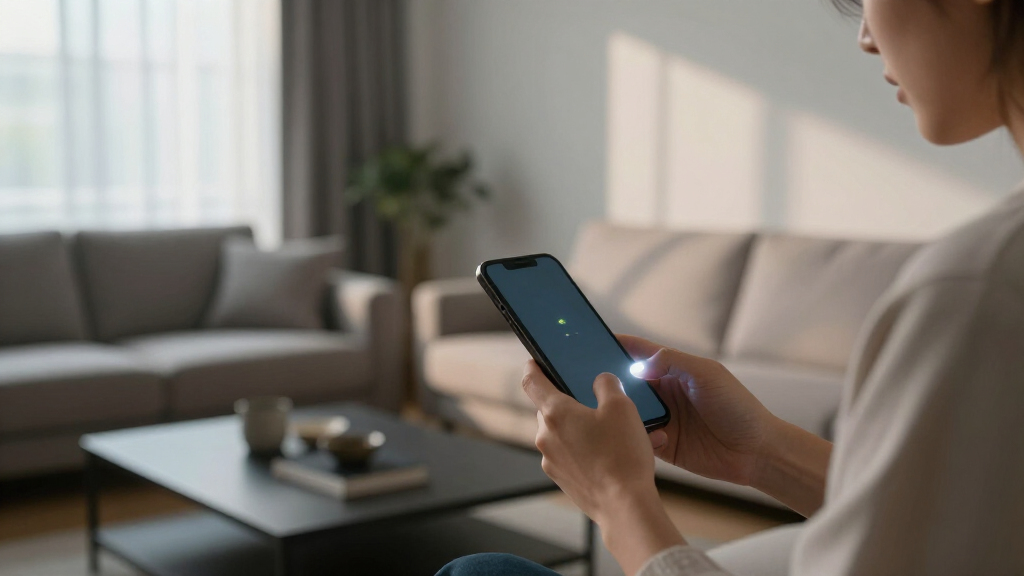
According to recent trend signals, a smartphone’s LED light can be used with AI-based image analysis to identify the presence of concealed cameras. This approach involves illuminating an area with the LED and analyzing reflections or anomalies in the image captured by the device’s camera, potentially revealing hidden surveillance equipment. The concept has gained attention as a privacy-enhancing tool amid growing fears of covert recordings in private spaces.
Initial reports suggest that some smartphones may incorporate this feature either through software updates or integrated hardware, although no official product announcements have been made. Experts note that AI algorithms can be trained to recognize specific patterns associated with camera lenses or reflective surfaces typical of hidden cameras. However, the effectiveness, accuracy, and limitations of such detection methods are still under evaluation.
Industry observers highlight that this development could represent a significant step forward in personal security technology. Privacy advocates see it as a potentially vital tool for users to protect themselves against unauthorized surveillance, especially in sensitive environments like hotel rooms, dressing rooms, or private offices. Nonetheless, the technology’s deployment remains in the early stages, and widespread availability is not yet confirmed.
Potential Impact on Privacy and Surveillance Detection
This innovation could substantially enhance personal privacy by providing individuals with a quick, accessible method to detect hidden cameras using their smartphones. As covert surveillance becomes more sophisticated, tools like AI-powered LED detection could serve as a first line of defense against unauthorized recording. However, the technology also raises questions about false positives, legal implications, and the limits of current detection capabilities.
Moreover, the trend indicates a broader shift toward integrating AI and hardware features to address privacy concerns. If widely adopted, this could influence how smartphone manufacturers prioritize security features and how users approach personal safety in public and private spaces. Still, its actual effectiveness and reliability in real-world scenarios remain to be validated through further testing and official disclosures.
As an affiliate, we earn on qualifying purchases.
Growing Interest in Privacy-Enhancing Smartphone Features
The concept of using smartphones to detect hidden cameras is part of a broader trend where device manufacturers are exploring privacy-focused features amid increasing public awareness of surveillance risks. Search interest in related topics has spiked recently, driven by reports of covert recordings and a rising demand for personal security tools. While the specific trigger for the recent surge in coverage is unconfirmed, the topic reflects a heightened concern about privacy violations and the desire for accessible detection methods.
Historically, detecting hidden cameras has required specialized equipment, often expensive or difficult for lay users. The idea of leveraging existing smartphone hardware, such as the LED flash, combined with AI image analysis, offers a more practical solution. Several tech companies and startups are reportedly exploring or developing similar features, though none have been officially announced or widely adopted yet.
Prior developments in privacy tech include apps for detecting infrared cameras or radio frequency signals, but integrating detection into standard smartphone hardware with AI is a newer trend. This shift underscores the increasing importance of personal privacy in a digital age where surveillance technology continues to evolve rapidly.
As an affiliate, we earn on qualifying purchases.
Effectiveness and Deployment of the Detection Feature
It is not yet clear how accurate or reliable the AI-powered LED detection method will be in real-world conditions. Details about whether this feature is in testing, limited release, or planned for future devices remain undisclosed. Additionally, the extent of hardware requirements and whether it will be integrated into mainstream smartphones are still unknown.
Experts caution that false positives could occur, and the technology’s ability to detect different types of hidden cameras—especially those designed to evade detection—is still unproven. The legal and ethical implications of widespread use are also under discussion, with some questioning whether such tools could be misused.
As an affiliate, we earn on qualifying purchases.
Further Testing, Official Announcements, and Broader Adoption
Manufacturers and developers are expected to conduct more rigorous testing to evaluate the detection accuracy and reliability of the AI-LED feature. Watch for official announcements from smartphone brands or OS developers regarding integration and availability. As interest in privacy tools continues to grow, further innovations and similar features may be introduced in upcoming device models.
Regulators and privacy advocates will likely monitor the deployment and use of such detection tools, potentially influencing future standards and legal frameworks. Meanwhile, users interested in personal security should stay informed about official updates and consider supplementary methods for detecting covert surveillance.
As an affiliate, we earn on qualifying purchases.
Key Questions
As of now, the feature is not confirmed to be available on existing smartphones. It is still in the development or testing phase, and no official rollout has been announced.
How does the AI-powered LED detection work?
The concept involves illuminating an area with the device’s LED and using AI algorithms to analyze reflections or anomalies in the captured images, which could indicate the presence of a hidden camera lens.
Is this technology reliable enough for privacy protection?
The effectiveness is still under evaluation. Experts warn that false positives are possible, and the technology’s ability to detect all types of covert cameras has not yet been proven in widespread testing.
Could this feature be misused or lead to legal issues?
Potential misuse or legal concerns are being discussed, especially regarding privacy rights and the legality of camera detection in different jurisdictions. Users should stay informed about local laws before relying solely on such tools.
When might this feature become widely available?
There is no confirmed timeline. If successful, it could appear in future smartphone models or software updates within the next year or two, depending on development progress and manufacturer plans.
Source: hn