Code quality analysis tools help teams find defects, security risks, and maintainability problems, but this lineup consists of books and practical guides rather than software platforms. I rank Secure Programming with Static Analysis as the best overall starting point for readers who want a security-focused foundation, while CodeQL for Secure and Efficient Software Analysis stands out for a focused look at CodeQL and Looks Good To Me: Constructive Code Reviews for improving human review practices. The main tradeoff is between learning repeatable analysis methods and finding guidance for a specific workflow, such as AI-generated code or dynamic testing. No single title covers every technique equally well. Read on for the full breakdown and guidance on choosing the right learning resource for your needs.

Get business pricing on monitors, keyboards and dev gear
- Business-only prices and quantity discounts
- Tax-exempt purchasing
- Multiple users, one account, clear invoices
Key Takeaways
- Static analysis and secure coding lead the lineup: Secure Programming with Static Analysis combines two closely related concerns, making it the broadest starting point for readers focused on finding code-level risks.
- CodeQL is the most focused specialist choice: Its dedicated guide is a better fit for readers who specifically want to learn that analysis approach than a general-purpose code review book.
- Review quality depends on people as well as tools: Looks Good To Me focuses on constructive review practice, a complement to automated checks rather than a substitute for them.
- AI-generated code calls for a distinct review process: The AI code review guides address bugs, security, tests, dependencies, and engineering control, concerns that generic review advice may not fully cover.
- Different analysis methods answer different questions: The forensic, dynamic, static, and clean-code titles point to separate ways of finding or preventing problems, so the best choice depends on the risks a reader wants to address.
| My Code Review: A Practical Guide to Code Quality |  | Best for General Code Review Foundations | Format: Practical guide | Primary subject: Code review | Stated focus: Code quality | VIEW LATEST PRICE | See Our Full Breakdown |
| Code Review for AI-Generated Code: A Practical Review System for Bugs, Security, Architecture, Tests, Dependencies, and Engineering Control |  | Best for Reviewing AI-Generated Code | Format: Practical review guide | Primary subject: Reviewing AI-generated code | Guidance format: Practical checklists and control mechanisms | VIEW LATEST PRICE | See Our Full Breakdown |
| Secure Programming with Static Analysis |  | Best for Static-Analysis Security Concepts | Format: Book | Primary subject: Static analysis | Stated application: Secure programming | VIEW LATEST PRICE | See Our Full Breakdown |
| The Solo Developer’s AI Code Review Guide: Catch Bugs, Security Issues, and Technical Debt |  | Best for Solo Developers | Format: Guide | Primary subject: Reviewing AI-generated code | Stated audience: Solo developers | VIEW LATEST PRICE | See Our Full Breakdown |
| CodeQL for Secure and Efficient Software Analysis: The Complete Guide for Developers and Engineers | 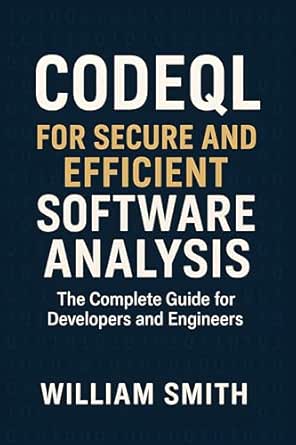 | Best for CodeQL-Focused Analysis | Format: Guide | Named analysis tool: CodeQL | Primary subject: Software analysis | VIEW LATEST PRICE | See Our Full Breakdown |
| Static Program Analysis Techniques: Ensuring High-Quality Code |  | Best for Understanding Static Analysis | Format: Book | Topic: Static program analysis | Stated focus: Ensuring high-quality code | VIEW LATEST PRICE | See Our Full Breakdown |
| Looks Good To Me: Constructive Code Reviews |  | Best for Human Review Practices | Format: Book | Topic: Constructive code reviews | Audience: Primarily software developers | VIEW LATEST PRICE | See Our Full Breakdown |
| Your Code as a Crime Scene, Second Edition: Use Forensic Techniques to Arrest Defects, Bottlenecks, and Bad Design in Your Programs |  | Best for Forensic Debugging | Format: Book | Edition: Second | Series: Pragmatic Programmers | VIEW LATEST PRICE | See Our Full Breakdown |
| Dynamic Code Analysis: A Complete Guide |  | Best for Runtime Analysis as a Topic | Format: Book | Topic: Dynamic code analysis | Stated scope: A complete guide | VIEW LATEST PRICE | See Our Full Breakdown |
| Clean Code: A Handbook of Agile Software Craftsmanship |  | Best for Preventive Code Craft | Format: Book | Author: Robert C. Martin | Topic: Clean, maintainable software | VIEW LATEST PRICE | See Our Full Breakdown |
| code quality analysis tool | Format | Primary subject | Named analysis tool | Programming languages |
|---|---|---|---|---|
| My Code Review: A Practical Gu | Practical guide | Code review | None specified in the provided product information | Not specified in the provided product information |
| Code Review for AI-Generated C | Practical review guide | Reviewing AI-generated code | None specified in the provided product information | Not specified in the provided product information |
| Secure Programming with Static | Book | Static analysis | Not specified in the provided product information | Not specified in the provided product information |
| The Solo Developer’s AI Code R | Guide | Reviewing AI-generated code | None specified in the provided product information | Not specified in the provided product information |
| CodeQL for Secure and Efficien | Guide | Software analysis | CodeQL | Not specified in the provided product information |
| Static Program Analysis Techni | Book | — | — | — |
| Looks Good To Me: Constructive | Book | — | — | — |
| Your Code as a Crime Scene | Book | — | — | — |
| Dynamic Code Analysis: A Compl | Book | — | — | — |
| Clean Code: A Handbook of Agil | Book | — | — | — |
More Details on Our Top Picks
My Code Review: A Practical Guide to Code Quality
My Code Review is the broadest entry point here for readers who want to make code review a regular part of improving quality. Its stated focus is practical code review, giving it a wider remit than Code Review for AI-Generated Code, which concentrates on work produced by AI assistants. That breadth may suit teams reviewing code from many sources, though the available description does not establish which techniques, languages, or review workflows the book covers. I would treat it as a general guide rather than a documented tool manual: the supplied information points to a book about review practice, not software features or a specific analyzer. Its main tradeoff is limited detail about its contents, so readers seeking verifiable checklists or technical setup guidance have stronger evidence to work with elsewhere in this lineup.
Pros:- Explicit focus on practical code review and code quality
- Broadly relevant to review work beyond AI-generated changes
- Can serve as a starting point for teams developing a review habit
Cons:- Provided product information does not specify languages, methods, or chapter coverage
- No named analysis tool or technical workflow is identified
- Less clearly targeted than the AI-focused guides in this roundup
Best for: Developers and small teams seeking a general, practice-focused introduction to reviewing code quality across different kinds of changes.
Not ideal for: Readers who need documented language-specific static-analysis instructions, a named tool workflow, or detailed evidence about the book’s coverage.
- Format:Practical guide
- Primary subject:Code review
- Stated focus:Code quality
- Named analysis tool:None specified in the provided product information
- Programming languages:Not specified in the provided product information
- Technical requirements:Not specified in the provided product information
Our verdict“Choose it for a general code-review starting point, but pick a more specifically documented guide if you need concrete tool instructions.”
Code Review for AI-Generated Code: A Practical Review System for Bugs, Security, Architecture, Tests, Dependencies, and Engineering Control
This is the most explicitly structured choice for developers who need to inspect AI-generated code across multiple risk areas. Its stated coverage spans bugs, security, architecture, tests, dependencies, and engineering control, while My Code Review has a broader but less detailed description. Practical checklists can turn review into repeatable checks rather than relying on whether a reviewer happens to spot a problem. That makes this guide especially relevant when AI output arrives quickly and needs human scrutiny before it becomes part of a codebase. The tradeoff is audience: the supplied description says it is aimed primarily at developers already familiar with code review, so it may not teach the fundamentals from scratch. It is a review system, not a named static-analysis tool, and the product details do not identify language-specific instructions.
Pros:- Directly targets review of AI-generated code
- Covers bugs, security, architecture, tests, and dependency concerns
- Offers practical checklists and review controls
- Addresses maintainability as well as immediate defects
Cons:- Primarily suited to readers already familiar with code review
- Focuses on a review process rather than a named analysis tool
- Provided details do not specify programming languages or tool integrations
Best for: Developers who already review code and want a repeatable checklist for evaluating AI-generated changes, including security, tests, and dependencies.
Not ideal for: New programmers seeking an introductory explanation of code review or teams looking for setup instructions for a particular analyzer.
- Format:Practical review guide
- Primary subject:Reviewing AI-generated code
- Guidance format:Practical checklists and control mechanisms
- Stated audience:Developers familiar with code review processes
- Named analysis tool:None specified in the provided product information
- Programming languages:Not specified in the provided product information
Our verdict“Choose this guide if your team already understands code review and needs a systematic way to scrutinize AI-generated changes.”
Secure Programming with Static Analysis
Secure Programming with Static Analysis is the lineup’s clearest fit for readers focused on finding security problems through static analysis. That makes its subject more technically specific than My Code Review: A Practical Guide to Code Quality, which is described as a general code-review guide, and distinct from the AI-review books, which center on reviewing generated changes. The title signals a focus on secure programming and static analysis, but the supplied product data gives no description of methods, supported languages, tools, or exercises. I would not assume it provides instructions for a particular analyzer or maps directly to a modern workflow. Its appeal is the security-and-analysis focus; its limitation is that buyers have little product detail here to judge the depth or practical fit before choosing it.
Pros:- Title clearly centers static analysis and secure programming
- Provides a distinct security focus compared with general review guides
- May suit readers interested in analysis concepts rather than review checklists
Cons:- Provided product data includes no description of methods or coverage
- No supported programming languages or analysis tools are identified
- Practical exercises and workflow details are not specified
Best for: Security-minded developers and software engineering students looking for a book centered on static analysis as part of secure programming.
Not ideal for: Buyers who need confirmed instructions for a particular static-analysis tool, language support, or a current AI-code review process.
- Format:Book
- Primary subject:Static analysis
- Stated application:Secure programming
- Named analysis tool:Not specified in the provided product information
- Programming languages:Not specified in the provided product information
- Methods or exercises:Not specified in the provided product information
Our verdict“Pick it for a security-centered static-analysis subject, but verify its language and tool coverage if you need hands-on implementation guidance.”
The Solo Developer’s AI Code Review Guide: Catch Bugs, Security Issues, and Technical Debt
This guide narrows AI-code review to the needs of a solo developer, with stated attention to bugs, security issues, and technical debt. That specific audience is its main distinction from Code Review for AI-Generated Code, which covers a wider set of review areas and is described as aimed at developers already familiar with review processes. The solo focus may help individual builders think about risks that a team review process could otherwise catch, especially maintainability problems that accumulate after accepting generated code. The available description is brief, though, and does not identify a checklist, tool, language, or detailed workflow. I would choose it for its audience fit rather than assume it offers the same breadth or documented review controls as the more extensively described AI-code guide.
Pros:- Clearly targets solo developers using AI coding assistants
- Names bugs, security issues, and technical debt as review concerns
- Offers a distinct individual-workflow focus within the AI-code titles
- Part of The Autonomous AI Builder Series
Cons:- Provided description does not detail its review method or specific checklists
- No named static-analysis tool or language coverage is supplied
- Its stated scope is narrower than the guide covering architecture, tests, and dependencies
Best for: Independent developers who use AI coding assistants and want a guide framed around checking bugs, security exposure, and technical debt without a team review partner.
Not ideal for: Engineering teams seeking a broad multi-reviewer system, or readers who need specified checklists, language coverage, and analyzer instructions.
- Format:Guide
- Primary subject:Reviewing AI-generated code
- Stated audience:Solo developers
- Series:The Autonomous AI Builder Series
- Named analysis tool:None specified in the provided product information
- Programming languages:Not specified in the provided product information
Our verdict“Choose this if you work alone with AI-generated code and want a guide aimed at individual review responsibilities.”
CodeQL for Secure and Efficient Software Analysis: The Complete Guide for Developers and Engineers
CodeQL for Secure and Efficient Software Analysis is the most tool-specific pick in this group: the title centers CodeQL rather than code review in general. That gives it a different potential use from Secure Programming with Static Analysis, whose title names a broader analysis approach without identifying a particular tool. Developers already seeking CodeQL guidance may find this focus a better match than the AI-review books, which describe human review systems rather than tool-centered analysis. The product data, however, provides no further description, so I cannot confirm supported languages, query examples, setup steps, or how the book balances security with efficiency. Its defining advantage is its named-tool focus; its main drawback is that the available details do not verify the depth implied by “complete guide.”
Pros:- Names CodeQL as its central analysis focus
- Addresses secure and efficient software analysis in the title
- Explicitly targets developers and engineers
- Offers a more tool-specific angle than general static-analysis or review titles
Cons:- Provided product data contains no detailed description or coverage outline
- Supported languages, query examples, and setup requirements are not specified
- The scope behind the title’s “complete guide” claim cannot be verified from the supplied details
Best for: Developers and engineers who have chosen CodeQL and want a book specifically framed around software analysis with that tool.
Not ideal for: Readers comparing general code-review methods, seeking confirmed CodeQL setup or language coverage, or looking for a guide with documented examples.
- Format:Guide
- Named analysis tool:CodeQL
- Primary subject:Software analysis
- Stated focus:Secure and efficient analysis
- Stated audience:Developers and engineers
- Programming languages:Not specified in the provided product information
- Setup and examples:Not specified in the provided product information
Our verdict“Choose it when CodeQL is already your target tool, but seek more detail before relying on it for specific setup or language guidance.”
Static Program Analysis Techniques: Ensuring High-Quality Code
Static analysis foundations make this the most directly focused pick for readers who want to understand how tools inspect code without running it. Compared with Dynamic Code Analysis: A Complete Guide, its stated focus points toward reasoning about source and potential defects before execution, rather than observing behavior at runtime. That distinction helps readers choose an analysis approach based on when and how they want to catch problems. The limitation is the sparse available product information: I can’t verify its examples, intended skill level, language coverage, or whether it includes practical tool workflows. Unlike Looks Good To Me, which centers on human review conversations, this title is framed around analysis techniques. It suits readers seeking that specific subject, but buyers who need verified hands-on exercises or detailed tool comparisons may prefer a better-documented guide.
Pros:- Title explicitly focuses on static program analysis
- Connects analysis techniques with code quality
- Offers a distinct focus from runtime analysis and human code review
Cons:- No description is available to verify its depth or teaching approach
- Language coverage and supported tools are unspecified
- Intended audience and practical exercises are not documented
Best for: Developers and technical learners looking for a book specifically about static program analysis techniques.
Not ideal for: Buyers seeking confirmed language-specific instructions, tool tutorials, or practical examples, since those details are not provided.
- Format:Book
- Topic:Static program analysis
- Stated focus:Ensuring high-quality code
- Analysis approach:Static
- Language coverage:Not specified
- Tools covered:Not specified
Our verdict“Choose this when static analysis is your central learning goal, but favor a more fully described resource if you need confirmed tool guidance.”
Looks Good To Me: Constructive Code Reviews
Constructive review conversations are the focus here, setting this book apart from analysis titles that center on automated findings. Its practical strategies, real-world examples, and checklists can help developers turn review comments into useful feedback instead of friction. Compared with Static Program Analysis Techniques: Ensuring High-Quality Code, it addresses the human judgment and collaboration that static tools cannot supply; compared with Your Code as a Crime Scene, it is less about forensic defect investigation and more about how teams discuss changes. That makes it a strong fit for teams improving review habits, but not a replacement for automated analysis or debugging references. The described audience is primarily software developers, so nontechnical stakeholders may find its guidance less applicable. Readers who need tool setup or language-specific analyzer instructions should look elsewhere.
Pros:- Actionable techniques for effective code review conversations
- Real-world examples help ground the advice
- Checklists support repeatable review habits
- Addresses team culture as part of software quality
Cons:- Primarily aimed at software developers
- Human review guidance does not replace automated analysis tools
- Not described as a language-specific technical manual
Best for: Software developers and engineering teams seeking practical ways to make pull-request feedback clearer, more useful, and more collaborative.
Not ideal for: Nontechnical stakeholders or readers looking for automated analyzer setup, static-analysis rules, or runtime debugging methods.
- Format:Book
- Topic:Constructive code reviews
- Audience:Primarily software developers
- Guidance:Strategies for effective review conversations
- Examples:Real-world examples
- Additional material:Checklists
- Stated outcome:Improved software quality and team collaboration
Our verdict“Pick this to improve how developers review code together, not to learn automated analysis tooling.”
Your Code as a Crime Scene, Second Edition: Use Forensic Techniques to Arrest Defects, Bottlenecks, and Bad Design in Your Programs
Forensic investigation gives this guide a different job from books that teach general code standards or review etiquette. Its step-by-step approach and case studies are aimed at tracing defects, performance bottlenecks, and design problems through a codebase. Compared with Clean Code: A Handbook of Agile Software Craftsmanship, which focuses on writing maintainable software, this title is better suited to investigating problems already present in a system. It also complements Dynamic Code Analysis: A Complete Guide: the latter is framed around runtime analysis, while this guide emphasizes investigative techniques and practical diagnosis. The tradeoff is its intermediate-level orientation; beginners may find some sections dense. It is a focused resource for developers seeking actionable debugging and performance methods, not a broad introduction to every form of code analysis.
Pros:- Step-by-step forensic approach to investigating code problems
- Covers defects, performance bottlenecks, and poor design
- Actionable techniques for performance optimization
- Real-world case studies connect methods to practice
Cons:- Some sections may be dense for beginners
- Primarily aimed at developers with intermediate experience
- Forensic investigation is narrower than a general code-quality reference
Best for: Intermediate developers investigating persistent defects, performance bottlenecks, or design issues in an existing codebase.
Not ideal for: New programmers seeking a gentle introduction or teams that need a general-purpose guide to static-analysis tools.
- Format:Book
- Edition:Second
- Series:Pragmatic Programmers
- Topic:Code forensics
- Problems covered:Defects, performance bottlenecks, and poor design
- Methods:Step-by-step investigative techniques
- Examples:Real-world case studies
- Stated audience:Developers, particularly those with intermediate experience
Our verdict“Choose this for structured investigation of defects and bottlenecks, especially if you already have some development experience.”
Dynamic Code Analysis: A Complete Guide
Runtime analysis is the defining subject of this guide, giving it a distinct place alongside static-analysis and review-focused books. Compared with Static Program Analysis Techniques: Ensuring High-Quality Code, its title points to examining programs as they execute rather than analyzing code without running it. That difference matters when a reader wants to focus on observed behavior, though the available description provides no detail about methods, tools, examples, or language support. Looks Good To Me offers a more clearly described practical framework for human review; this title may appeal more to readers specifically seeking dynamic analysis, but its usefulness is harder to judge from the supplied information. I would treat it as a subject-specific option, not a confirmed step-by-step tool manual, until its contents and intended audience are verified.
Pros:- Clearly identifies dynamic code analysis as its subject
- Offers a runtime-analysis focus distinct from static analysis
- May suit readers narrowing their research to dynamic techniques
Cons:- No additional description is available to establish its scope
- Tools, examples, and language coverage are unspecified
- The intended audience and level of detail are unknown
Best for: Developers or students specifically seeking a book on dynamic code analysis and willing to check the contents before choosing.
Not ideal for: Readers who need verified tool instructions, language coverage, sample workflows, or a documented beginner-friendly approach.
- Format:Book
- Topic:Dynamic code analysis
- Stated scope:A complete guide
- Analysis approach:Dynamic
- Language coverage:Not specified
- Tools covered:Not specified
Our verdict“Consider it when runtime analysis is your specific focus, but verify its contents if you need practical tool guidance.”
Clean Code: A Handbook of Agile Software Craftsmanship
Maintainable code habits are the reason to choose this book over guides centered on finding defects after code is written. Its focus on agile software craftsmanship makes it a preventive complement to analysis tools: clearer, more maintainable code can make problems easier to spot and changes easier to handle. Compared with Your Code as a Crime Scene, which emphasizes forensic investigation of existing defects and bottlenecks, this handbook points toward how developers write and shape code. It is less directly about static or dynamic analyzer workflows, so readers looking for tool configuration or automated findings may find the fit indirect. The supplied details also do not specify language coverage or particular techniques. For developers building craft principles into daily work, it serves a different purpose from the more analysis-specific titles in this roundup.
Pros:- Focuses on writing maintainable software
- Covers agile software craftsmanship principles
- Provides a preventive complement to defect-analysis resources
Cons:- Not described as a dedicated static- or dynamic-analysis guide
- Specific tools and language coverage are not provided
- The supplied information does not detail its exercises or technical scope
Best for: Developers who want to strengthen maintainability and software craftsmanship as a complement to automated code-quality checks.
Not ideal for: Readers whose immediate need is a hands-on guide to static or dynamic analysis tools, analyzer configuration, or defect triage.
- Format:Book
- Author:Robert C. Martin
- Topic:Clean, maintainable software
- Approach:Agile software craftsmanship
- Series:Robert C. Martin series
- ISBN/ASIN:0135398576
Our verdict“Choose this to build maintainable coding practices, but pair it with a tool-focused resource for direct analysis workflows.”

How We Picked
I compared these ten books and guides by how clearly they teach a useful code-quality practice, how directly they address a defined need, and how readily a reader can apply their ideas to real engineering work. I looked at the scope of each title, its emphasis on security, static or dynamic analysis, review habits, AI-assisted development, or maintainability, and whether it appears aimed at a broad audience or a specialist. Since the products here are learning resources rather than analyzers to install, I ranked them for the value of their guidance—not for software capabilities, integrations, or automated results.
The ranking favors titles with a clear connection between analysis methods and practical quality outcomes. Broad guides rank ahead of narrowly focused resources when they serve more readers, while specialized books earn a place when their subject is distinct and useful. That is why a static-analysis security guide leads, CodeQL and dynamic-analysis books serve readers with specific technical goals, and review or clean-code titles rank as complementary ways to strengthen the human side of quality work. Buyers should match a title to their current gap rather than assume one book can replace a toolchain or cover every method.
| code quality analysis tool | Format | Primary subject | Named analysis tool | Topic |
|---|---|---|---|---|
| My Code Review: A Practical Gu | Practical guide | Code review | None specified in the provided product information | — |
| Code Review for AI-Generated C | Practical review guide | Reviewing AI-generated code | None specified in the provided product information | — |
| Secure Programming with Static | Book | Static analysis | Not specified in the provided product information | — |
| The Solo Developer’s AI Code R | Guide | Reviewing AI-generated code | None specified in the provided product information | — |
| CodeQL for Secure and Efficien | Guide | Software analysis | CodeQL | — |
| Static Program Analysis Techni | Book | — | — | Static program analysis |
| Looks Good To Me: Constructive | Book | — | — | Constructive code reviews |
| Your Code as a Crime Scene | Book | — | — | Code forensics |
| Dynamic Code Analysis: A Compl | Book | — | — | Dynamic code analysis |
| Clean Code: A Handbook of Agil | Book | — | — | Clean, maintainable software |
Factors to Consider When Choosing Code Quality Analysis Tools
Choosing a resource about code quality starts with the problem you need to solve, not the broad label on the cover. I would first separate learning material from actual analysis software: these books can shape how you inspect code and select practices, but they are not plug-in analyzers. Use the factors below to match the learning path to your codebase, role, and risks.
Match the analysis method to the defects you miss
Static and dynamic analysis surface different classes of problems, so choosing by title alone can send you toward the wrong learning path. Static methods inspect code or related representations without requiring the program to run, while dynamic analysis observes behavior during execution. If production issues come from untested runtime behavior, a static-analysis guide may not address your main gap. If security flaws or suspicious code paths are the concern, static techniques can be a useful focus. Avoid treating either method as a complete quality system; teams often combine them with tests and human review.
Decide whether your priority is security or maintainability
Security analysis and maintainability overlap, but they do not ask identical questions. Security-focused material tends to teach readers to spot risky behavior and vulnerabilities; clean-code and review resources place more attention on structure, clarity, and the cost of future changes. A team can have readable code with serious security weaknesses, or secure code that is difficult to modify. Identify the failures that carry the greatest cost in your environment before choosing a guide. When both matter, pair one focused security resource with a separate source on maintainability instead of expecting one title to cover both deeply.
Check whether the advice fits your workflow and role
A solo developer, a reviewer on a large team, and a security engineer face different constraints. A guide aimed at AI-generated code can help readers define review steps around generated changes, while a constructive-review book can support teams trying to make feedback more useful. Specialist resources may be less helpful if your role does not involve their method or tool. Think about who will apply the material and where it can fit into existing work, such as pull requests, testing, or security checks. A book that matches the team’s real process is more useful than one that introduces practices nobody has time to follow.
Treat tool-specific learning as a commitment
Resources focused on CodeQL can be especially useful when your organization has chosen that approach, but their value is narrower if you are still comparing analysis methods. Before selecting a tool-specific guide, check whether the tool fits your languages, repositories, and team skills. A common mistake is to invest in learning one analyzer before confirming that it can address the code and risks at hand. General static-analysis guidance can help frame that decision, while a dedicated guide can build deeper knowledge after the choice is made. Choose breadth while exploring; choose specialization when you have a defined implementation target.
Account for AI-assisted code and human review together
AI-generated changes do not remove the need for ordinary engineering checks; they can make review criteria more deliberate. Readers should think about how they will verify behavior, security, tests, dependencies, and whether the change fits the system’s design. A guide focused on AI review can address those concerns directly, but it should sit alongside testing and established review practices. Do not assume a generated-code workflow makes static analysis or human judgment unnecessary. The strongest choice is the resource that closes a real gap in your current review process rather than promising a single fix for every AI-related risk.
Balance breadth against depth before choosing a bundle
Buying several broad books can leave you with repeated introductory material, while selecting only specialist titles can leave important gaps. Start with one resource that addresses your most pressing quality problem, then add a second only when it covers a different method or audience. For example, a security-focused static-analysis guide and a constructive-review book teach complementary practices; two general review guides may overlap more. Compare each candidate by the question it helps answer, not by how many topics its title lists. This keeps a learning plan focused and makes it easier to apply what you read.
Frequently Asked Questions
Are these code quality analysis tools software products I can install?
No. The ten entries in this roundup are books and practical guides, not downloadable analyzers or review platforms. They explain methods and workflows that can help you evaluate code, but they do not scan a repository or connect to a development environment. If you need automated checks, you will need to select software separately and confirm its fit for your languages and workflow. These resources are best treated as learning material that can inform how you use or evaluate those tools.
Which title should I choose if I have not studied static analysis before?
Start with the title whose scope matches your immediate goal, rather than assuming a specialist book will provide a gentle overview. Secure Programming with Static Analysis is the broadest fit here for readers connecting static methods with secure coding. If you want to learn a specific query-based approach, the CodeQL guide is more targeted, but that focus may be less useful before you know the tool fits your work. Check the book’s technical level and examples before committing, especially if your background is outside software security.
Should I read about static analysis or dynamic analysis first?
Choose based on how you currently discover defects. If issues are tied to risky code patterns or security-sensitive paths, static-analysis material is a sensible first step; if failures emerge only when software runs, dynamic-analysis guidance may better match the problem. Neither method covers every defect, and each can miss issues that tests or human review catch. If you are unsure, begin with the method most connected to a recent, costly failure in your codebase. You can add the other approach later when it addresses a separate blind spot.
Do I need a separate guide for reviewing AI-generated code?
Not every team needs a separate book, but AI-generated changes can raise review questions about correctness, security, tests, dependencies, and design fit. A dedicated guide may help if your team uses code-generation tools regularly and has not agreed on how to verify their output. Teams with mature review and testing practices may get more value from applying those standards consistently than adding another general resource. Compare the AI-focused titles with your existing process and look for a gap they address. Treat their guidance as an addition to normal checks, not a replacement for them.
Can one book replace a code analyzer or a team review process?
No. A book can teach concepts and suggest practices, but it does not inspect your repository automatically or make decisions about your system’s risks. An analyzer can flag patterns, while tests and human reviewers check behavior, context, and design in different ways. Relying on any one of these alone can leave gaps. Use a guide to improve how your team selects and applies methods, then pair that learning with tools and review steps that suit your codebase. The best resource is one that strengthens the wider process rather than standing in for it.
Conclusion
For the best overall learning resource, choose Secure Programming with Static Analysis if your priority is connecting code analysis with security. For value, start with My Code Review: A Practical Guide to Code Quality as a broad entry point before adding a specialist title; its general scope is more useful when your main goal is to build review fundamentals. For a premium, focused learning path, choose the CodeQL guide when your team has already settled on that method and needs deeper tool-specific guidance. For beginners, Looks Good To Me is the approachable pick for improving constructive feedback, while readers new to analysis methods may prefer the broader static-analysis security guide. For specific needs, choose the AI code review guides for generated changes, Dynamic Code Analysis for runtime behavior, Your Code as a Crime Scene for forensic defect investigation, or Clean Code for maintainability. I would select one title that addresses your biggest gap first, then add a complementary method rather than expecting any single book to cover every aspect of code quality.