
🔍 Read the full analysis: A Survey Of 360 Korean Judges Looks At Fake Precedents And AI on ThorstenMeyerAI.com

Get business pricing on monitors, keyboards and dev gear
- Business-only prices and quantity discounts
- Tax-exempt purchasing
- Multiple users, one account, clear invoices
TL;DR
South Korea’s National Court Administration published a survey of 360 judges who responded in October 2026 about false or distorted citations in court filings. The findings include nonexistent precedents and altered descriptions of real rulings; judges backed measures including fines, citation checks and disclosure of AI use.
South Korea’s National Court Administration said a survey of 360 judges found that fake or distorted legal citations had been encountered by about 80% of responding judges handling civil, family and administrative cases. The results, published November 2, 2026, have prompted calls among respondents for stronger rules, including penalties and disclosure of artificial intelligence use in court filings.
The survey was conducted from October 6 to 16 among judges at courts of all levels. The court administration’s release says roughly eight in ten responding judges in civil, family and administrative cases had encountered false or nonexistent precedents. That figure does not describe all 360 respondents: the Korean daily Kyunghyang Shinmun reported that 243 of the 360 judges, or 67.5%, said they had encountered fake citations. The “eight in ten” figure applies to a narrower group and should not be read as a share of all judges in the survey.
Among judges who had encountered the material, 196 (80.7%) identified precedents that did not exist, while 159 (65.4%) identified real precedents cited with false content. Respondents could select more than one type. The administration also listed false or nonexistent statutes and academic sources, at lower reported rates. The survey records judges’ experiences; it does not establish how often fake citations appear across all court filings.
Asked who submitted the material, 164 judges (69.5%) selected litigants representing themselves, and 136 (57.6%) selected licensed lawyers acting for parties. Those figures are responses about observed sources, not a count of individual litigants or lawyers responsible. The court administration described examples that included fabricated decisions formatted to resemble Supreme Court rulings, real rulings presented with altered meaning, and unedited chatbot text or litigation-strategy notes appearing in filings.
Pressure for Citation Rules
The findings matter because a false case citation can require judges and opposing parties to spend time checking whether an authority exists and whether it supports the argument made. The National Court Administration said such material can create unnecessary verification work and hinder the timely progress of trials. The survey does not quantify delays, costs or the overall share of filings affected, but it identifies a practical concern for court administration.
91.7% of respondents said an institutional response was needed, according to the release. The most selected proposals were a legal basis for fines (61.4%), a duty to verify cited precedents (61.1%) and a duty to disclose AI use (60.6%). These are judges’ survey responses, not rules already in force. Any new obligations or penalties would require further legal and policy action.
The issue also reaches beyond AI-generated material. The survey includes false descriptions of real rulings as well as wholly nonexistent authorities, and judges reported that citations appeared in documents submitted by both self-represented parties and lawyers. That makes verification and professional review relevant regardless of how a citation was produced.
Popular right now

Apple AirPods Pro 3 Wireless Earbuds with Active Noise Cancellation

Vitamix Propel Series 750 Professional-Grade Blender, 4 Programs, Black
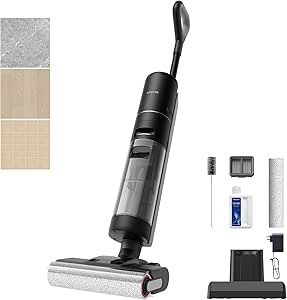
Dreame G10 Pro Wet and Dry Vacuum Mop
As an affiliate, we earn on qualifying purchases.
What the Survey Measured
The National Court Administration is the administrative arm of South Korea’s Supreme Court. Its November 2 release, titled “Results of the survey on citations of AI-generated false precedents and similar material,” said the survey was conducted in response to concerns about AI-generated hallucinations and false legal citations. The administration said such citations place a burden on opposing parties and may interfere with the efficient handling of trials.
The survey asked judges what they had encountered and what responses they supported. The release does not state how many judges were invited, provide the full wording of the questions or measure the prevalence of fake citations in the court system as a whole. Percentages for citation types and proposed measures are based on respondents to the relevant questions, and some questions allowed multiple answers.
The administration said it plans to propose amendments to South Korea’s Civil and Criminal Procedure Acts to provide for fines. That is a proposed legislative step, not an enacted penalty. The source account also points to sanctions or regulatory referrals involving lawyers in New York and London, but those cases are separate developments and do not determine what South Korea will adopt.
Limits of the Findings
The survey does not show what proportion of all court filings contain fabricated or distorted citations. It measures what participating judges said they had seen, and the administration did not publish the number of judges invited or the complete questionnaire in the cited release. The reported percentages also use different question-specific denominators, so they should not be combined as if they describe one identical group.
It is also unclear how many incidents involved generative AI, as opposed to other sources of false information or inaccurate citation. The examples include AI-generated decisions and chatbot text, but the survey figures do not attribute every reported citation to AI. The specific wording and scope of any future fines, verification duty or AI disclosure requirement have not been set out as enacted law.
Proposed Changes to Procedure Acts
The next stated step is for the National Court Administration to propose changes to the Civil and Criminal Procedure Acts that would allow fines for false citations. The survey release does not give a timetable for submitting the proposals or say when lawmakers might consider them. Until legislation or court rules change, the measures selected by judges remain recommendations rather than new requirements.
Further details that would clarify the scale and policy response include the survey’s full questions, the number of judges invited, and any draft language defining a false citation, a verification duty or disclosure of AI assistance. The court administration has not provided those details in the material cited here.
Key Questions
How many judges took part in the survey?
360 judges from courts at all levels responded between October 6 and 16, 2026, according to South Korea’s National Court Administration.
Does the survey say 80% of all 360 judges encountered fake citations?
No. The administration’s roughly 80% figure applies to responding judges handling civil, family and administrative cases. Kyunghyang Shinmun reported that 243 of all 360 respondents, or 67.5%, said they had encountered fake citations.
What kinds of false citations did judges report?
Judges reported nonexistent precedents, real rulings cited with false content, and some false or nonexistent statutes and academic sources. The administration also described AI-generated decisions and unedited chatbot text appearing in filings.
Are new fines or AI disclosure rules already in force?
No. The survey found support for fines, citation verification and disclosure of AI use, but these are proposed responses. The court administration said it plans to propose procedural-law amendments allowing fines; the timing and final terms remain unknown.
Source: ThorstenMeyerAI.com