

Lightweight materials like carbon fiber and aluminum are transforming bus construction by making vehicles stronger yet lighter. You’ll benefit from improved fuel efficiency, better performance, and more flexible designs. Carbon fiber provides high durability and allows for complex shapes, while aluminum offers corrosion resistance and easy fabrication. Combining these materials helps create more energy-efficient, innovative buses. If you want to discover how these materials boost performance further, keep exploring the details behind their benefits.
Key Takeaways
- Carbon fiber provides high strength-to-weight ratio, enabling lighter yet durable bus structures and complex aesthetic designs.
- Aluminum’s corrosion resistance and lightweight nature improve fuel efficiency and allow larger, spacious bus models.
- Both materials facilitate the integration of fiber optic systems for advanced communication, safety, and entertainment features.
- Carbon fiber enhances thermal insulation, reducing energy consumption for climate control and improving passenger comfort.
- Aluminum’s ease of fabrication supports versatile bus designs while contributing to overall weight reduction and emission reduction.
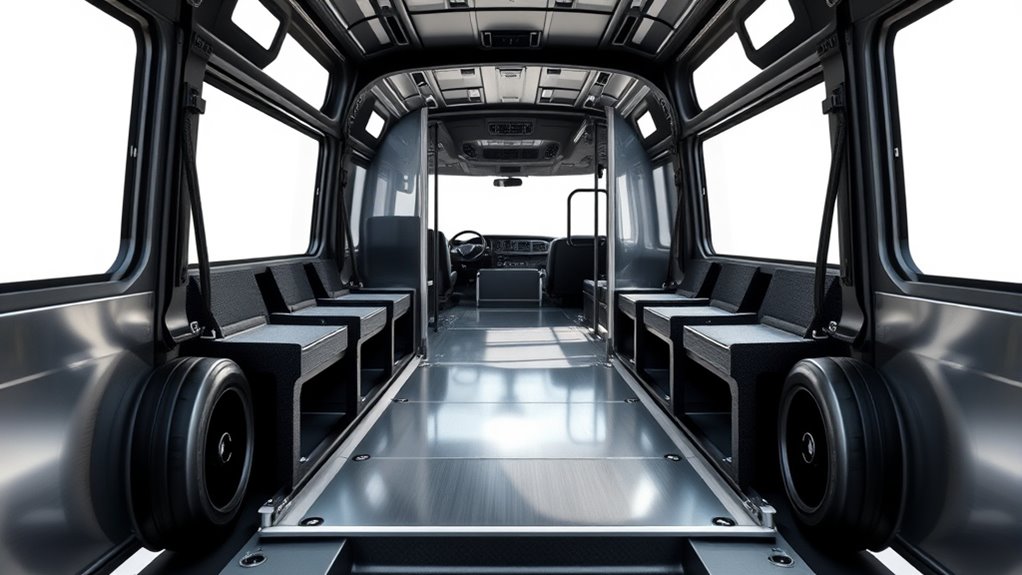
Have you ever wondered how industries achieve stronger yet lighter products? It’s a question that drives innovation, especially in transportation, where reducing weight can markedly boost fuel efficiency and performance. When it comes to bus construction, materials like carbon fiber and aluminum are game-changers. They not only cut down weight but also open doors for advanced features such as fiber optic integration and enhanced thermal insulation. These materials allow manufacturers to design buses that are lighter without sacrificing strength or safety.
Carbon fiber stands out because of its exceptional strength-to-weight ratio. It’s incredibly durable yet lightweight, making it ideal for structural components that need to withstand stress while keeping overall weight low. Using carbon fiber in bus frames or interior panels helps decrease weight, which directly improves fuel efficiency and reduces emissions. Plus, its flexibility in design means you can incorporate complex shapes and aesthetics, giving buses a modern look while maintaining structural integrity. The lightweight nature of carbon fiber also benefits fiber optic integration; because the material is non-conductive and resistant to electromagnetic interference, it creates an ideal environment for high-speed data transfer systems. This is essential for modern buses that rely on sophisticated communication networks for navigation, safety, and entertainment systems. Furthermore, carbon fiber’s insulating properties aid in thermal insulation, helping to maintain comfortable interior temperatures without heavily relying on energy-intensive climate control systems. This combination of lightweight strength and thermal insulation means buses can be more energy-efficient and comfortable for passengers.
Carbon fiber enhances bus strength, reduces weight, and improves fiber optic and thermal insulation capabilities.
Additionally, advancements in biodiversity research have influenced sustainable manufacturing practices, encouraging the use of eco-friendly materials and processes in vehicle production to reduce environmental impact.
Aluminum, on the other hand, has long been a staple in bus manufacturing due to its excellent corrosion resistance and ease of fabrication. It’s markedly lighter than steel, enabling manufacturers to design larger, more spacious buses without adding excessive weight. Aluminum panels and frames contribute to better fuel economy and lower emissions, aligning with environmental standards. When integrated into bus construction, aluminum also supports fiber optic integration by providing a stable, lightweight platform that doesn’t interfere with data transmission. Its thermal conductivity, often seen as a drawback in some applications, can be harnessed to improve thermal insulation when used with proper insulation materials. Aluminum’s ability to reflect heat and work with insulation layers helps maintain a steady internal temperature, reducing the load on heating and cooling systems. This synergy enhances energy efficiency and passenger comfort, making aluminum a versatile choice for modern bus design.
In essence, these lightweight materials are transforming bus construction by enabling integration of advanced technologies like fiber optic systems and improving thermal insulation. They help create vehicles that are not only lighter and more fuel-efficient but also smarter and more comfortable. As industries continue to innovate, you’ll see more buses built with these materials, leading to better performance, lower environmental impact, and improved passenger experience.

cncarbonfiber 1.0mm 200x300mm 100% Carbon Fiber Sheet Laminate Plate Panel 3K Twill Matte Finish
- Package Includes: 1 carbon fiber sheet 200x300mm
- Material Composition: 100% pure carbon fiber
- Finish: 3K twill matte texture
As an affiliate, we earn on qualifying purchases.
As an affiliate, we earn on qualifying purchases.
Frequently Asked Questions
How Does Carbon Fiber Affect Bus Manufacturing Costs?
Using carbon fiber in bus manufacturing increases costs initially due to expensive materials and specialized production processes. However, it can lead to long-term cost reduction by improving manufacturing efficiency and reducing weight, which lowers fuel consumption and maintenance expenses. While upfront expenses are higher, your investment in carbon fiber can pay off through better performance and lower operational costs, making it a strategic choice for innovative bus design.
What Are the Environmental Impacts of Aluminum Use in Buses?
They say “what’s good for the goose is good for the gander,” but aluminum’s environmental impact isn’t always clear. Using aluminum in buses involves high energy consumption during production, and recycling challenges make it less eco-friendly. While it’s lightweight and durable, its recycling process can be resource-intensive. By understanding these impacts, you can make smarter choices to reduce your environmental footprint when using aluminum in bus manufacturing.
How Do Lightweight Materials Influence Bus Safety Standards?
You’ll find that using lightweight materials like carbon fiber and aluminum guarantees bus safety standards by improving passenger safety and maintaining structural integrity. These materials strengthen the bus frame, reducing the risk of injury during collisions. Their durability ensures the bus withstands impacts better, while their lightweight nature allows for better handling and braking, ultimately creating a safer environment for everyone onboard.
Can These Materials Be Recycled Efficiently After Bus Lifespan?
Think of recycling materials like aluminum as flipping a well-loved book—easy to do and keeps the story going. Aluminum is highly recyclable through well-established processes, allowing it to be reused efficiently even after a bus’s lifespan. Carbon fiber, however, is trickier; its recycling process is complex and less developed, making its material recyclability less efficient. So, while aluminum’s recycling is straightforward, carbon fiber still needs better methods.
What Are the Long-Term Durability Differences Between Carbon Fiber and Aluminum?
You’ll find that aluminum offers excellent corrosion resistance and decent fatigue strength, making it durable over time, especially in harsh environments. Carbon fiber, on the other hand, has superior fatigue strength and resists corrosion better, but it can be more susceptible to impact damage. Overall, aluminum tends to be more forgiving for long-term durability, while carbon fiber provides higher strength-to-weight benefits but needs careful handling to maintain its integrity.
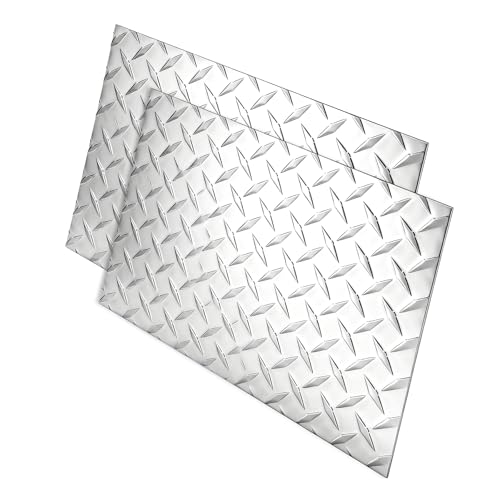
Evecad 12 x 8 Inches Aluminum Diamond Tread Plate Flat Sheet, Aluminum Sheet Plate for Cargo Trailer Truck, Commercial Residential, Work Bench, Garage, Silver, 2Packs
- Versatile Usage: Suitable for billboards, building decor, and more
- Excellent Conductivity: Features ideal thermal and electrical conductivity
- High-Quality Material: Made from durable 1060 aluminum alloy
As an affiliate, we earn on qualifying purchases.
As an affiliate, we earn on qualifying purchases.
Conclusion
By choosing carbon fiber and aluminum, you open the power of lightweight materials that transform bus construction. These materials are the wings that lift your vehicles toward efficiency and sustainability, making every journey smoother and greener. Just as a bird soars effortlessly through the sky, your buses can glide with less weight and more purpose. Embrace these innovations, and watch your fleet take flight into a brighter, cleaner future.

LEXXSON Optic Fiber Decoder for Mercedes-Benz ML/GL/R Class/S W221/CLS
- Optic Fiber Decoder for Bose Harman Kardon: Compatible with optical interface systems
- Easy to Install: Reduces installation fees and effort
- Compatible with Mercedes-Benz Models: Fits R, GL, ML, S W221, CLS, SLK (2005-2012)
As an affiliate, we earn on qualifying purchases.
As an affiliate, we earn on qualifying purchases.

Car Heat Sound Deadening Insulation Mat, – 394 Mil 10.8 Sqft Automobile Sound Deadening & Heat Insulation Material for Auto Hood Engine Roof Door and Trunk,40 Inch x 40 Inch, Aluminum Foil Finish
- Material Thickness: 394 mils thick
- Coverage Area: 10.8 sqft
- Sheet Size: 40×40 inches
As an affiliate, we earn on qualifying purchases.
As an affiliate, we earn on qualifying purchases.