When comparing the total cost of ownership, electric buses often prove more economical over time due to lower operation and maintenance costs, especially as batteries typically last 8 to 15 years with proper care. They also help avoid health-related externalities from diesel emissions, reducing societal costs linked to respiratory issues and pollution. As policies tighten and incentives grow, electric buses become a smarter, more sustainable choice. Keep exploring to discover how these factors combine to make electric buses a compelling option.
Key Takeaways
- Electric buses have higher upfront costs but lower operational and maintenance expenses, reducing overall TCO over time.
- Longer-lasting batteries decrease replacement frequency, lowering long-term costs and minimizing environmental waste.
- Health externalities from diesel emissions lead to societal costs, which electric buses help mitigate, improving community well-being.
- Stricter emission policies increase penalties for diesel buses, making electric options more cost-effective and compliant long-term.
- Incentives and grants for electric buses can offset initial investments, enhancing cost savings and societal health benefits.
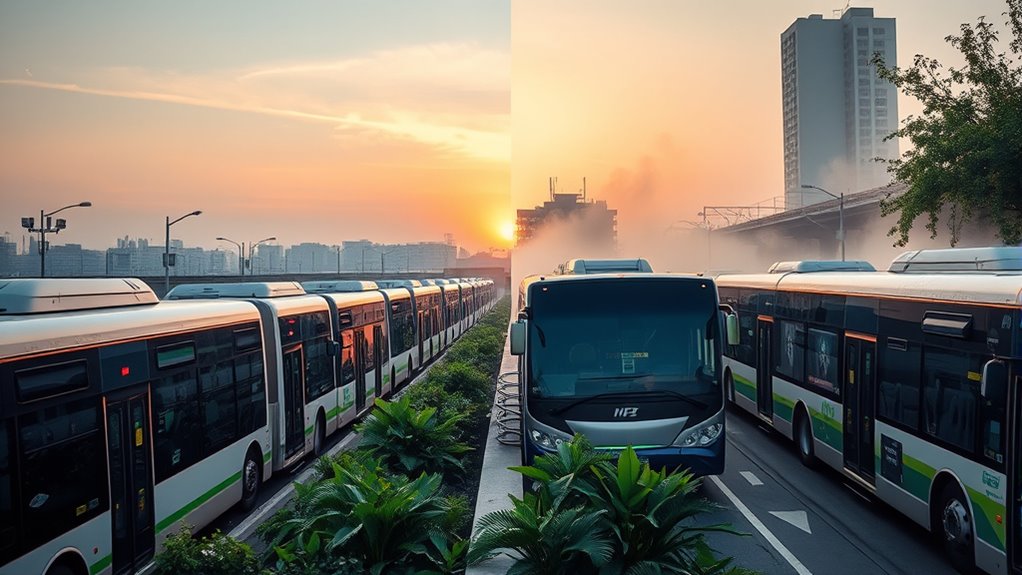
When comparing electric and diesel buses, it’s crucial to look beyond upfront costs and consider the total cost of ownership, especially when factoring in health externalities. One key aspect influencing this is the battery lifespan of electric buses. Over time, batteries degrade, leading to replacement costs that can be significant but are often offset by lower operational expenses. Modern batteries tend to last between 8 to 15 years, depending on usage and maintenance, which aligns well with the typical lifespan of a bus. Ensuring proper management and adhering to manufacturer guidelines can extend battery life, reducing replacement frequency and cost. This longevity directly impacts your overall costs and the environmental benefits, as longer-lasting batteries mean fewer replacements and less waste. Additionally, understanding signs of spoilage in related contexts underscores the importance of maintenance and quality to prolong component lifespan. Another critical factor is how emission policies shape the economic landscape for bus fleets. Many cities and regions are tightening regulations to reduce air pollution and greenhouse gases. These policies often favor electric buses because they produce zero tailpipe emissions, helping operators comply with stricter standards. As emission policies become more stringent, diesel buses face increasing penalties, higher taxes, or restrictions on operation in certain zones. Conversely, electric buses not only help meet current standards but also future-proof your fleet against tightening regulations. The initial investment might be higher, but the long-term savings—through reduced emissions-related penalties, subsidies, and incentives—can make electric buses more financially attractive. Health externalities play a significant role in the total cost of ownership as well. Diesel buses emit pollutants like nitrogen oxides and particulate matter, contributing to respiratory issues and other health problems in communities. These health externalities often translate into societal costs, including increased healthcare expenses and reduced productivity. Electric buses eliminate these emissions, improving air quality and public health. While these benefits are less tangible in direct financial terms, they can influence policy decisions and funding opportunities. Some regions offer incentives or grants for electric bus adoption precisely because of their positive health impacts, which can reduce the effective cost difference between electric and diesel options.
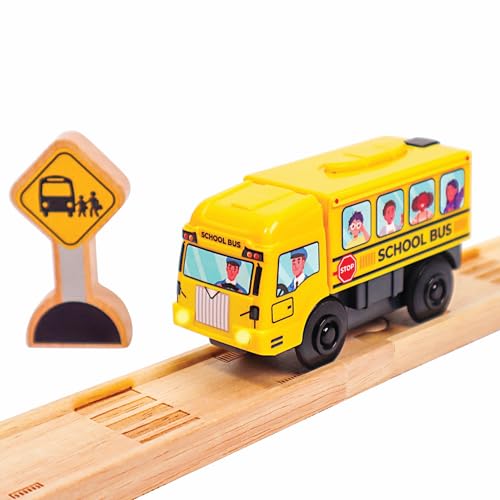
Motorized School Bus for Wooden Track – Yellow Schoolbus Themed Battery Operated – Includes Wooden Bus Stop Sign – Electric Powered Engine Toy for Wood Track for Kids
- Motorized School Bus with Lights: Includes lights and sound effects
- Battery Operated: Requires 2 AA batteries (not included)
- Includes Wooden Bus Stop Sign: Complete with wooden stop sign for play
As an affiliate, we earn on qualifying purchases.
As an affiliate, we earn on qualifying purchases.
Frequently Asked Questions
How Do Maintenance Costs Compare Over the Buses’ Lifespans?
You’ll find that electric buses generally have lower maintenance costs over their lifespan because they lack complex engines, reducing repairs. You’ll need to contemplate expenses for battery recycling and upgrading charging infrastructure, which can be upfront investments. Diesel buses require more frequent engine maintenance, but their infrastructure costs are lower initially. Overall, electric buses tend to save you money long-term, especially as battery and charging technology improve.
What Are the Challenges in Sourcing Electric Bus Batteries Sustainably?
Sourcing electric bus batteries sustainably is like steering through a complex maze. You face supply chain challenges, as sourcing raw materials like lithium and cobalt depends on political stability and ethical mining practices. Recycling challenges also loom large, with limited options to repurpose or dispose of used batteries responsibly. Overcoming these hurdles requires innovation and transparency to ensure a greener, more sustainable future for transit.
How Do Passenger Comfort and Ride Quality Differ Between Bus Types?
Passenger comfort and ride quality vary between bus types, with electric buses often providing a smoother, quieter ride due to their electric motors and advanced suspension systems. Diesel buses tend to produce more noise and vibrations, which can reduce comfort. You’ll notice that electric buses offer a more pleasant experience, especially on long routes, making passengers feel more relaxed. Overall, electric buses generally enhance passenger comfort and ride quality.
What Incentives or Subsidies Are Available for Electric Bus Adoption?
You can take advantage of government grants and tax incentives to adopt electric buses. Many governments offer financial support to reduce initial costs, making it easier for you to switch to cleaner transportation. These incentives can include direct grants, rebates, or tax credits, which help offset purchase expenses. By leveraging these programs, you not only save money but also promote sustainable transit options for your community.
How Do Infrastructure Needs Impact Total Ownership Costs?
Have you considered how infrastructure needs impact your costs? Installing charging stations and ensuring sufficient grid capacity can markedly increase upfront expenses. If the grid isn’t prepared, you face costly upgrades or limited charging options, raising overall ownership costs. Proper planning for infrastructure helps reduce long-term expenses, but neglecting it can lead to unexpected costs and operational disruptions. Are you ready to invest in reliable infrastructure to support electric bus adoption?

The 2027-2032 World Outlook for Electric Bus Charging Stations
As an affiliate, we earn on qualifying purchases.
As an affiliate, we earn on qualifying purchases.
Conclusion
When comparing electric and diesel buses, remember that electric buses not only save you money over their lifetime but also cut health-related external costs. For instance, reducing air pollution could prevent thousands of asthma cases annually. Imagine cleaner air on your daily route—fewer sick days, healthier communities. By choosing electric, you’re investing in both your wallet and public health, making a smarter, more sustainable transportation choice that benefits everyone around you.

Yonligonju 17pc Diesel Engine Compression Tester Kit, Diesel Compression Tester Cylinder Pressure Gauge for Diesel Cars and Trucks(red)
- Professional Compression Testing Kit: Enables quick detection of cylinder pressure issues
- Easy Installation: Quick-connect adapter for tool-free setup
- Safety Pressure Relief: Automatic valve prevents overpressure damage
As an affiliate, we earn on qualifying purchases.
As an affiliate, we earn on qualifying purchases.

CAN Bus and Vehicle Networks: Diagnosing Modern Car Communication — CAN, LIN, FlexRay, and Automotive Ethernet Bus Fault Triage (Automotive Diagnostics & Scan Tool Series)
As an affiliate, we earn on qualifying purchases.
As an affiliate, we earn on qualifying purchases.