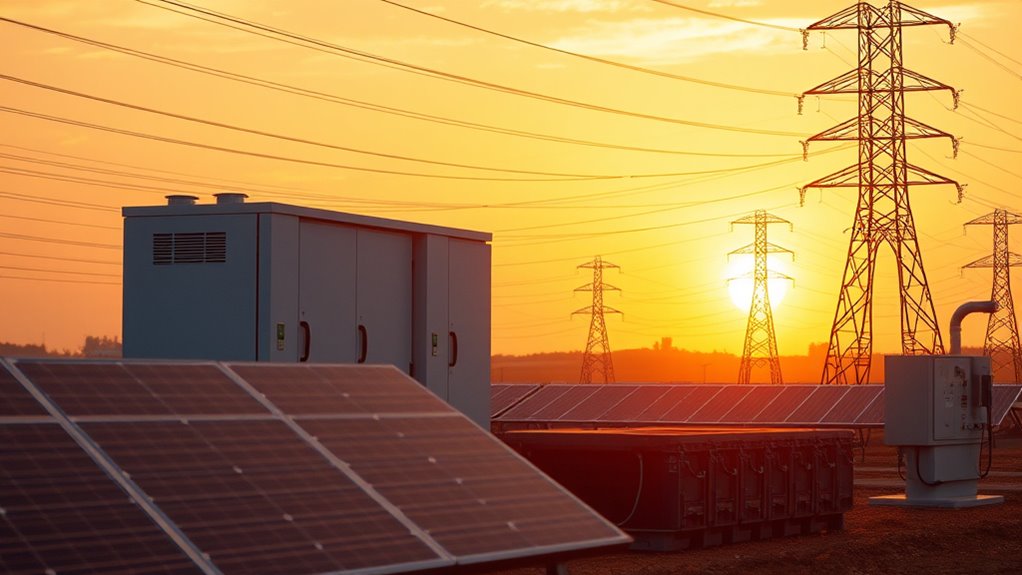

Investing in backup power and microgrids for charging stations can seem costly upfront, but they provide long-term savings by ensuring reliable energy during outages. Costs vary based on system size, technology, and integration with existing infrastructure. Microgrids and energy storage improve resilience, reduce downtime, and support essential services. Although initial investments may be significant, these upgrades create a robust, flexible energy network that can withstand shocks—exploring further reveals how to maximize your resilience efforts.

Get monitors, keyboards and dev gear delivered free — and shop member deals
- Fast, free delivery on millions of items
- Access to Prime Big Deal Days deals on October 6–7
- Prime Video, Amazon Music and more included
Key Takeaways
- Initial costs for backup power systems and microgrids vary based on size, technology, and integration complexity, but are offset by long-term savings.
- Microgrids designed for charging stations can range from tens of thousands to millions of dollars, depending on capacity and renewable integration.
- Smart grid upgrades and energy storage enhance resilience but require significant upfront investment for equipment and infrastructure.
- Funding options, incentives, and phased deployment can reduce upfront costs and improve return on investment.
- Long-term benefits include increased reliability, reduced downtime, and enhanced critical infrastructure protection during outages.
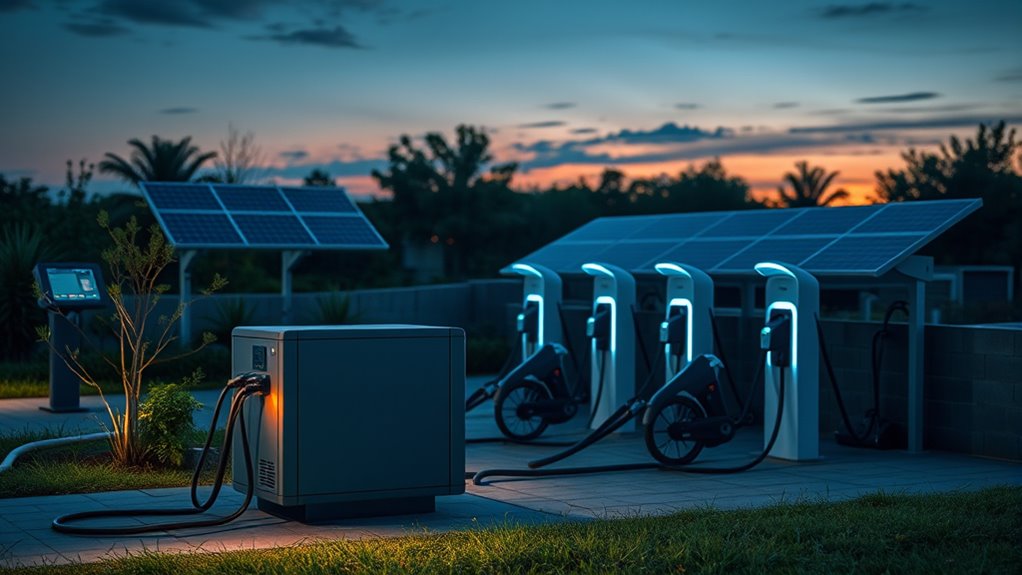
Have you ever considered how investing in resilience can protect your community and assets from future shocks? When it comes to maintaining essential services during emergencies, backup power systems are crucial. One of the most effective ways to ensure continuous operation is through energy storage and grid modernization. By integrating advanced energy storage solutions, you can create a more flexible and reliable power supply, especially for critical infrastructure like charging stations and emergency facilities. These systems can store excess energy during normal operations and release it when disruptions occur, reducing downtime and safeguarding essential assets.
Investing in energy storage isn’t just about having backup power; it’s a strategic move toward a more resilient and modern grid. Grid modernization, which involves upgrading traditional electrical infrastructure with smart technology, makes your power system more adaptable and responsive. Smart grids can detect outages faster, reroute power where needed, and coordinate energy flows with precision. When combined with energy storage, this approach minimizes the impact of disruptions, whether caused by severe weather, cyberattacks, or other threats. Your community benefits from a more stable and self-sufficient energy network that can quickly adapt to changing conditions.
Smart grids and energy storage create a resilient, adaptable, and secure power system for your community.
The cost of backup power solutions, including energy storage and microgrids, might seem steep at first, but the long-term savings and resilience benefits far outweigh initial expenses. Microgrids—localized grids that can operate independently—are especially valuable for critical charging stations, hospitals, and emergency response centers. They provide reliable power even when the main grid fails, ensuring essential services remain operational. Plus, these systems can be designed to incorporate renewable energy sources, further reducing costs and environmental impact over time.
When planning these investments, consider that modernizing your grid isn’t just about hardware; it’s about creating an intelligent, interconnected network that can better serve your community’s needs. Smart meters, real-time data analytics, and advanced control systems work together to optimize energy use and improve response times during outages. This approach not only enhances resilience but also supports the integration of cleaner energy sources, making your community more sustainable. Energy storage solutions can also help balance supply and demand, reducing strain on the grid during peak usage times.
Ultimately, the cost of implementing energy storage, microgrids, and grid modernization is an investment in your community’s future. It’s about reducing vulnerability, ensuring continuous operation of critical services, and building a robust infrastructure that can withstand shocks. By making these smart investments now, you’re laying the groundwork for a resilient, adaptable, and secure energy system that benefits everyone in your community.
As an affiliate, we earn on qualifying purchases.
Frequently Asked Questions
How Do Microgrids Improve Overall Community Resilience?
Microgrids boost your community’s resilience by providing reliable, localized power during outages, ensuring critical services stay active. Through community engagement, residents can participate in planning and managing these systems, making them more effective. Technological innovations make microgrids smarter and more efficient, allowing quick response to disruptions. This combination helps your community recover faster, maintain safety, and reduce dependence on external power sources, strengthening overall resilience during emergencies.
What Factors Influence the Cost of Backup Power Systems?
You should consider factors like initial cost estimation, which varies based on system size and capacity, and ongoing maintenance expenses. Technology upgrades can also influence costs, as newer, more efficient systems may be pricier but offer better performance. Additionally, installation complexity, fuel type, and local regulations impact overall expenses. By evaluating these factors, you can better predict the investment needed for reliable backup power systems tailored to your community’s needs.
Are There Government Incentives for Resilience Investments?
Yes, there are government incentives for resilience investments. You can access financial incentives like grants, tax credits, and rebates through various policy programs aimed at promoting backup power and microgrid projects. These incentives help offset installation costs and encourage you to invest in resilient infrastructure, ensuring reliable power during outages. Keep an eye on local, state, or federal initiatives, as they periodically update and expand these programs to support your resilience goals.
How Long Do Backup Batteries Typically Last?
Backup batteries usually last between 3 to 10 years, depending on their quality and usage. Think of them as the heartbeat of your resilience plan—if well-maintained, they can keep your systems running smoothly. The battery lifespan hinges on factors like storage capacity and how often you cycle them. Proper care and choosing high-quality batteries can extend their life, ensuring your backup power is ready when you need it most.
Can Microgrids Integrate Renewable Energy Sources Effectively?
Yes, microgrids can effectively integrate renewable energy sources like solar. You’ll benefit from solar integration, which allows you to harness clean energy efficiently. Energy storage plays a vital role here, as it stores excess solar power for later use, ensuring reliability even when sunlight isn’t available. By combining solar and energy storage, your microgrid becomes more resilient, reduces dependence on fossil fuels, and lowers overall operational costs.
As an affiliate, we earn on qualifying purchases.
Conclusion
Investing in backup power and microgrids isn’t just about safeguarding your assets; it’s about anchoring your operations against the unpredictable storms of tomorrow. While the upfront costs may seem steep, they act as a sturdy shield, turning potential chaos into calm waters. By prioritizing these resilience measures, you’re planting seeds today that will blossom into reliability and peace of mind when the next crisis strikes—making your infrastructure as resilient as an ancient oak weathering every storm.
As an affiliate, we earn on qualifying purchases.
emergency power backup for charging stations
As an affiliate, we earn on qualifying purchases.
As an affiliate, we earn on qualifying purchases.
Halloween Picks
halloween
As an affiliate, we earn on qualifying purchases.