
Ample’s battery swapping stations in Tokyo are transforming urban EV infrastructure by offering quick, eco-friendly battery replacements. Instead of waiting hours for charging, you can swap a depleted battery for a fully charged one within minutes, making EV use more convenient. These stations are powered by renewable energy sources, supporting Tokyo’s climate goals. To discover how this innovative approach is shaping the city’s sustainable transportation future, keep exploring the details.
Key Takeaways
- Ample’s stations in Tokyo enable quick battery swaps, reducing EV charging time and encouraging widespread EV adoption.
- The pilot integrates renewable energy sources like solar and wind, promoting sustainable and eco-friendly urban mobility.
- Modular and scalable, the system is designed to support future vehicle types and larger EV fleets as demand grows.
- The initiative demonstrates Tokyo’s commitment to sustainable development and positions it as a leader in innovative urban transportation.
- The battery swapping model simplifies EV charging, making electric mobility more practical and accessible for residents and businesses.
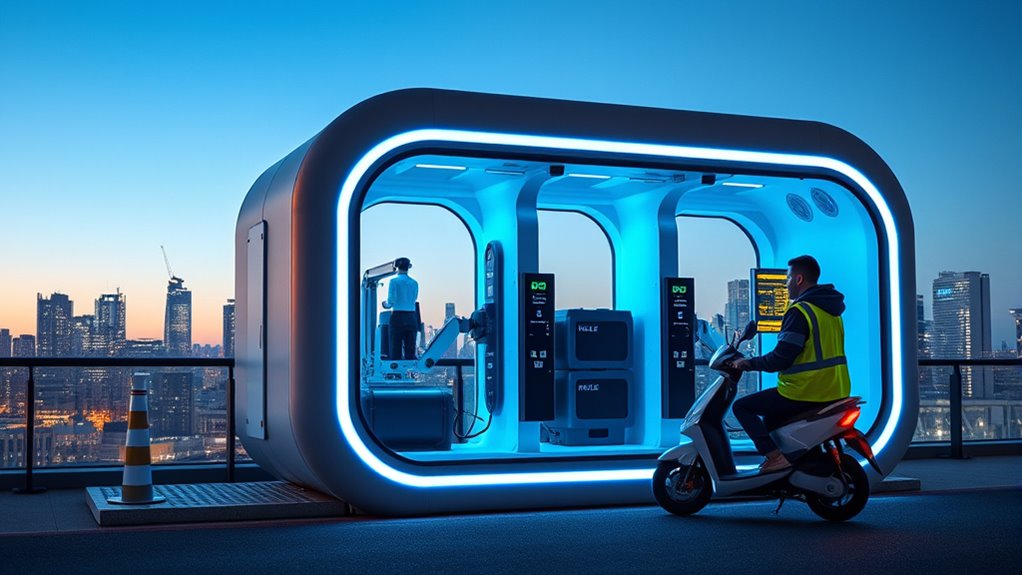
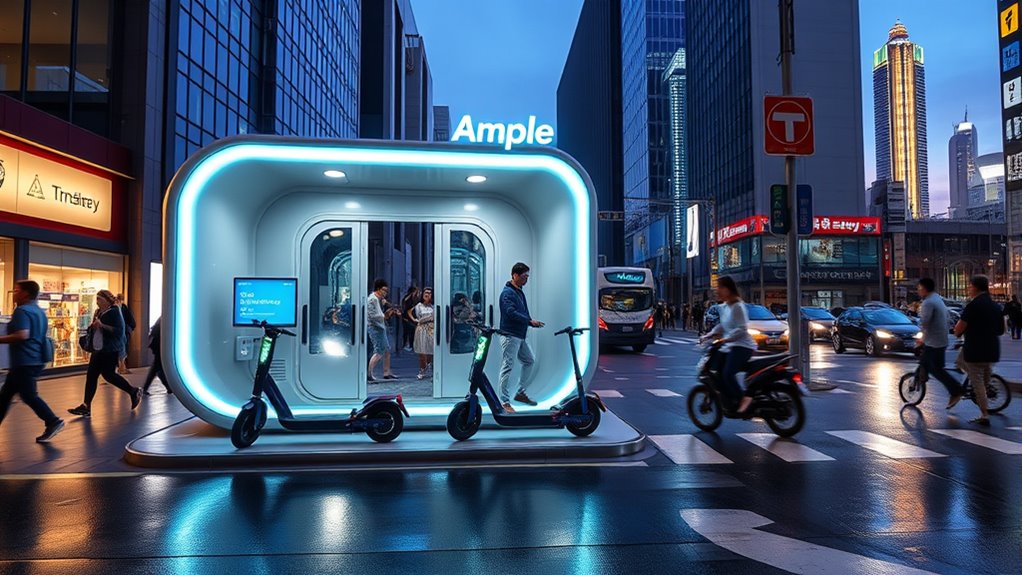
Have you noticed the growing presence of Ample’s battery stations across Tokyo? These stations are transforming the city’s electric vehicle infrastructure, making EV adoption more convenient and efficient. Unlike traditional charging points, Ample’s battery swapping system allows you to replace a depleted battery with a fully charged one in minutes. This approach addresses the common frustration of long charging times and encourages more people to consider electric vehicles as a practical daily option. As Tokyo pushes toward a cleaner transportation future, the expansion of these stations signals a significant step forward. The infrastructure isn’t just about convenience; it’s about creating a seamless ecosystem that supports sustainable mobility.
Ample’s battery stations are revolutionizing Tokyo’s EV infrastructure with quick, convenient, and sustainable battery swapping options.
One of the key advantages of Ample’s stations is their emphasis on renewable energy integration. The company is actively working to power these stations with clean energy sources, reducing the overall carbon footprint associated with EV charging. This aligns with Tokyo’s broader climate goals, which aim to decrease greenhouse gas emissions and promote sustainable urban development. By sourcing energy from solar, wind, or other renewable sources, Ample helps guarantee that each battery swap contributes to a greener city. This integration of renewable energy not only makes the system more environmentally friendly but also demonstrates how innovative infrastructure can blend with sustainability initiatives. It encourages residents and businesses to view electric mobility as part of a larger eco-conscious effort.
Additionally, these stations are designed to optimize energy storage capacity, ensuring that the system remains efficient even as demand increases. As you use these battery stations, you’ll notice how they’re designed for speed and simplicity. You don’t need to wait around for hours or fuss with complicated charging cables. Instead, you just pull up, swap your battery, and be on your way—saving time and reducing the hassle often associated with EV ownership. The stations’ modular design also means they can adapt to future technological advancements, supporting larger fleets or different vehicle types as needed. This flexibility is vital as Tokyo aims to keep pace with rapid urban growth and evolving transportation needs.
The growth of Ample’s stations is also a model for integrating renewable energy into urban mobility. It shows how infrastructure can be both user-friendly and aligned with environmental goals. As you see more stations pop up around Tokyo, it’s clear that the city is laying the groundwork for a more sustainable, electrified future. The combination of innovative infrastructure and renewable energy integration signals a new era where electric vehicles become a convenient, eco-friendly choice for everyday life. This pilot project is not just about swapping batteries; it’s about reshaping how cities approach transportation and sustainability in the years to come.

Developing Charging Infrastructure and Technologies for Electric Vehicles
As an affiliate, we earn on qualifying purchases.
As an affiliate, we earn on qualifying purchases.
Frequently Asked Questions
How Does Battery Swapping Improve Urban Air Quality?
Battery swapping improves urban air quality by reducing emissions through quicker, more efficient charging, encouraging the use of electric vehicles. When you use swapping stations, you help cut down on tailpipe emissions, which lowers pollution levels. This emission reduction benefits everyone’s health and the environment, making cities cleaner and safer. By adopting battery swapping, you contribute to a future where urban air quality markedly improves, creating a healthier city for all.
What Safety Measures Are in Place at the Stations?
At the stations, safety protocols are strict, ensuring your protection during battery swaps. You’ll see regular station monitoring, which keeps an eye on equipment and environment for any issues. Staff are trained to handle emergencies quickly, and automated systems check battery integrity before swaps. These measures guarantee your safety and maintain smooth operations, giving you peace of mind as you use the stations.
How Does Ample Ensure Battery Compatibility Across Vehicles?
You’ll be interested to know that over 90% of electric vehicles can seamlessly use Ample’s stations thanks to strict battery standardization. Ample ensures compatibility through rigorous vehicle integration, designing batteries that meet universal standards and fit various models. This approach simplifies swapping, reduces wait times, and guarantees that regardless of your vehicle’s make, your battery swap experience remains smooth and reliable every time.
What Are the Costs Associated With Using the Swapping Stations?
You’ll find that using swapping stations involves a clear cost analysis, making it easy to understand your user expenses. Typically, there’s a fee per swap that covers battery use and station maintenance, which can be more economical than traditional charging. The exact costs vary depending on your vehicle type and usage frequency, but overall, you benefit from quicker service and predictable expenses, helping you plan your budget more effectively.
How Scalable Is the Battery Swapping Model for Other Cities?
Think of the battery swapping model as a seed that can grow across cities. It’s quite scalable because it integrates seamlessly with urban infrastructure and supports the energy grid, reducing charging time and strain. Cities with dense populations and well-planned infrastructure can adopt this system quickly, making electric vehicle adoption easier. With the right investment, this model can become a blueprint for sustainable mobility worldwide.

EF ECOFLOW Portable Power Station DELTA 2, 1024Wh LiFePO4 (LFP) Battery, 1800W AC/100W USB-C Output, Solar Generator(Solar Panel Optional) for Home Backup Power, Camping & RVs
7 X Faster Charging. 0-80% in just 50 mins and 0-100% in 80 mins with AC input. That's…
As an affiliate, we earn on qualifying purchases.
As an affiliate, we earn on qualifying purchases.
Conclusion
As you witness Ample’s battery swapping stations in Tokyo, you realize this pilot isn’t just about convenience—it’s a glimpse into a cleaner, more sustainable future. Like seeds planted in fertile ground, these stations could grow into a revolution that transforms urban mobility. Embrace this innovation, for it’s not just a step forward but a leap into a world where technology and sustainability walk hand in hand, shaping tomorrow’s cityscape today.
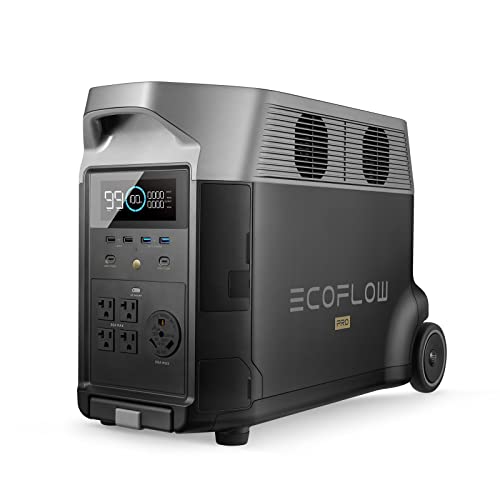
EF ECOFLOW Portable Power Station 3600Wh DELTA Pro, 120V AC Outlets x 5, 3600W, 2.7H Fast Charge, Lifepo4 Power Station, Solar Generator for Home Use, Power Outage, Camping, RV, Emergencies
30% Tax Credit Could be Applied. You could apply for the Residential Clean Energy Credit for qualified solar…
As an affiliate, we earn on qualifying purchases.
As an affiliate, we earn on qualifying purchases.

EV Rider Elite Portable Battery Replacement Kit
Includes two (2) OR-12120F2 – 12V 12AH SLA Batteries
As an affiliate, we earn on qualifying purchases.
As an affiliate, we earn on qualifying purchases.