
Electric buses become cheaper than diesel ones when their lower operational costs, like fuel and maintenance, outweigh higher upfront expenses—mainly the battery and infrastructure costs. Improving battery longevity and decreasing infrastructure investments help close this gap faster. As these factors improve, your long-term savings grow, making electric buses the smarter financial choice over time. If you keep exploring, you’ll discover how these key elements influence the timeline for achieving cost parity.
Key Takeaways
- Cost parity depends on battery lifespan; longer-lasting batteries reduce replacement costs, accelerating savings.
- Infrastructure investments are front-loaded but become more cost-effective over a bus’s operational life.
- Operational savings from lower fuel and maintenance costs gradually offset higher upfront purchase prices.
- Improvements in battery technology and declining infrastructure costs shorten the time to reach cost parity.
- Achieving cost parity makes electric buses financially advantageous once total savings surpass initial investments.
Have you ever wondered how companies determine when their products or services achieve cost parity? It’s a complex process that involves analyzing multiple factors, especially when comparing new technologies like electric buses to traditional diesel models. One critical aspect is understanding how long the batteries in electric buses last—their battery longevity—and how that impacts overall operating costs. Battery longevity directly affects the total cost of ownership because batteries are a significant upfront investment, and their lifespan determines how often they need replacement. If batteries last longer, the cost per mile decreases, making electric buses more economically competitive over time. Conversely, shorter battery life means higher replacement costs and potentially higher operational expenses, which can delay reaching cost parity.
Battery longevity impacts total ownership costs, influencing when electric buses become economically competitive with diesel models.
Another key consideration is infrastructure investment. Transitioning to electric buses requires substantial upfront spending on charging stations, electrical upgrades, and maintenance facilities. This infrastructure investment can be a barrier, especially for smaller or budget-constrained transit agencies. However, as technology advances, the costs of establishing a robust charging network tend to decline, and the efficiency of charging solutions improves. When infrastructure becomes more affordable and widespread, it reduces operational disruptions and downtime, further lowering the total cost of operating electric buses. This, in turn, accelerates the timeline for achieving cost parity with diesel-powered vehicles.
To determine when electric buses become cheaper than diesel, you need to weigh these factors against each other. Initially, electric buses might be more expensive due to high purchase prices and infrastructure costs. But over time, savings from lower fuel costs, reduced maintenance needs, and longer battery longevity can offset these initial expenses. Fuel savings are particularly significant because electricity is generally cheaper than diesel fuel, especially when considering fluctuating fuel prices. Maintenance costs also tend to be lower for electric buses because they have fewer moving parts and less engine-related wear and tear. These savings accumulate as the buses age, gradually bringing the total cost of ownership below that of diesel buses.
In essence, reaching cost parity isn’t just about comparing sticker prices; it’s about understanding the long-term financial picture. You have to factor in how quickly battery longevity improves, how infrastructure investments pay off over the vehicle’s lifespan, and how operational savings pile up over time. Once these elements align—when the lower ongoing costs outweigh the initial investments—you’ll see electric buses become a more economical choice than diesel, making the switch not just environmentally sound but financially smart as well.
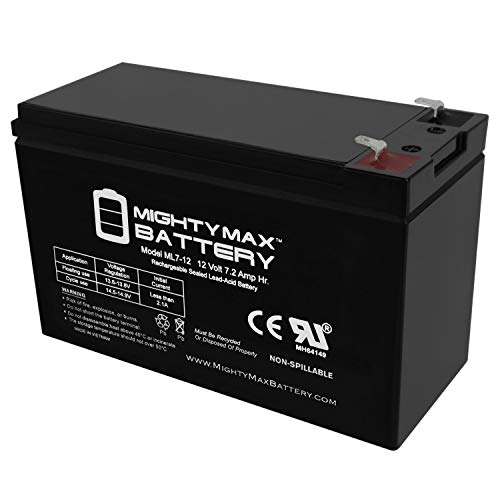
Mighty Max Battery ML7-12, 12 Volt 7.2 AH SLA F1 Terminal Battery, Brand Product, Black (Pack of 1)
Ml7-12 Sla Is A 12V 7 2Ah Sealed Lead Acid (Sla) Rechargeable Maintenance Free Battery
As an affiliate, we earn on qualifying purchases.
As an affiliate, we earn on qualifying purchases.
Frequently Asked Questions
How Do Maintenance Costs Compare Over the Vehicle Lifespan?
You’ll find that electric buses typically have lower maintenance costs over their lifespan, primarily because they have fewer moving parts and less engine wear. Your fleet management benefits from reduced oil changes and engine repairs, but you must also invest in charging infrastructure, which can offset some savings. Overall, electric buses tend to be cheaper to maintain long-term, especially when factoring in lower labor and parts costs.
What Impact Do Government Incentives Have on Overall Costs?
Government incentives act like a spark that ignites the engine of market adoption, making electric buses more affordable. They cut down costs, allowing you to see the savings sooner. Plus, these incentives often cover infrastructure investments, easing your shift to cleaner transportation. As a result, you’re more likely to embrace electric buses, turning a long-term investment into a smooth ride toward sustainability and cost efficiency.
How Does Route Length Affect Cost Parity Timing?
Route length considerably impacts when electric buses reach cost parity with diesel. Longer routes improve route efficiency, spreading the higher upfront electric bus costs over more miles, hastening savings. Good depot placement reduces charging time and infrastructure costs, further accelerating cost benefits. Conversely, short routes with frequent stops and poor depot placement delay cost parity, as the higher initial investment isn’t offset by sufficient operational savings.
What Role Does Electricity Pricing Play in Cost Analysis?
Electricity pricing, including tariffs, substantially impacts cost analysis for electric buses. Lower tariffs make charging more affordable, helping you reach cost parity sooner, while high tariffs increase operating expenses. Additionally, grid stability ensures reliable electricity supply, preventing delays and extra costs. You should consider both tariffs and grid stability when evaluating whether electric buses are cost-effective compared to diesel, as these factors directly influence your total operational costs.
How Do Battery Degradation Rates Influence Long-Term Costs?
Battery degradation rates directly impact your long-term costs because faster degradation reduces battery longevity, leading to more frequent replacements. Higher degradation means increased recycling costs and disposal expenses, which can offset initial savings. To manage these costs, you should consider investing in batteries with better durability and recycling programs. By doing so, you extend battery life, decrease replacement frequency, and lower overall long-term expenses for electric buses.

The 2027-2032 World Outlook for Electric Bus Charging Stations
As an affiliate, we earn on qualifying purchases.
As an affiliate, we earn on qualifying purchases.
Conclusion
As you evaluate when electric buses become cheaper than diesel, remember that patience often pays off. While upfront costs are higher, savings in fuel and maintenance tip the scales over time. Keep in mind, “a penny saved is a penny earned,” reminding you that smart investments today lead to future gains. By understanding these trends, you can make informed decisions that benefit both your budget and the environment.

Electrical Maintenance Tool Kit including Multi-Tool Pliers, Multimeter, Multi-Bit Screwdriver, Compact Pocket Knife, LED Headlamp, Buss Blade Fuses, Zip Ties, and Electrical Tape
Measure Battery & Outlet Voltage, Check Fuses, Test Heating Element, and other common electrial measurements
As an affiliate, we earn on qualifying purchases.
As an affiliate, we earn on qualifying purchases.
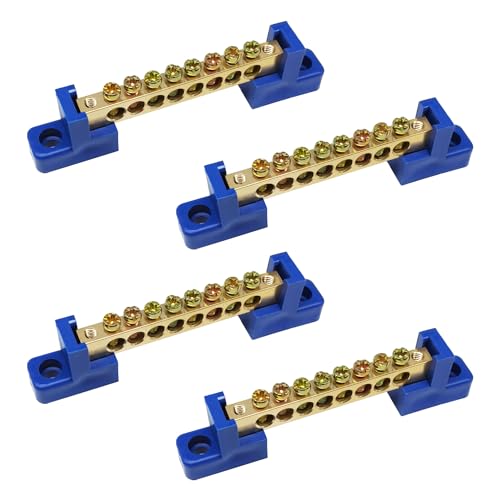
Tugermoola 4PCS Ground Bus Bar 8 Positions Grounding Bus Bar Terminal Block Electrical Brass Wire Screw Terminal Bus Bars OLA002-8K
PACKAGE CONTENT: 4pcs terminal bus bar 8 position
As an affiliate, we earn on qualifying purchases.
As an affiliate, we earn on qualifying purchases.