
To finance electric school buses, explore grants and incentives offered by federal, state, or local programs to offset vehicle and infrastructure costs. Consider issuing bonds for long-term funding or partnering with private investors and utility companies to share expenses. Carefully plan your budget by combining these options, and stay updated on new funding opportunities. Continuing with this guide will help you understand how to maximize your funding strategies effectively.
Key Takeaways
- Explore federal, state, and local grants and incentives tailored for electric school bus purchases and infrastructure development.
- Consider bonds as a financing option to spread costs over time with favorable interest rates.
- Partner with private investors or utility companies for additional funding and infrastructure support.
- Prepare detailed grant proposals highlighting environmental benefits and long-term cost savings.
- Combine multiple funding sources to diversify financial risk and ensure comprehensive fleet transition planning.

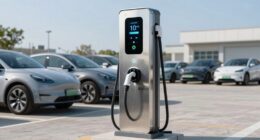
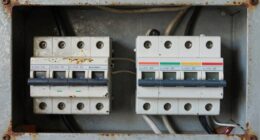
Switching to electric school buses can markedly reduce emissions and operating costs, but funding the changeover often poses a challenge. One of the most significant hurdles is establishing the necessary charging infrastructure. Electric buses rely on reliable, accessible charging stations, which can require substantial upfront investment. You’ll need to assess your current facilities and determine whether existing electrical systems can support high-capacity chargers or if upgrades are necessary. Securing grants or incentives dedicated to infrastructure development can help offset these costs, but navigating the application process demands time and effort. Additionally, planning for future scalability is essential, especially if your fleet will expand, so investing in a flexible infrastructure now can save money later. Incorporating data analysis can help determine optimal charging times and locations to maximize efficiency and cost savings.
Establishing charging infrastructure requires significant investment, planning for scalability, and navigating grants to support electric school bus transitions.
Maintenance costs also play a crucial role in your budgeting considerations. While electric buses generally have lower maintenance costs than diesel counterparts, initial expenses for parts and specialized training can be higher. You’ll need to factor in costs for battery replacements, which occur periodically, and ensure your maintenance staff are equipped to handle electric vehicle systems. Some funding sources, such as grants or bonds, may include provisions for maintenance, but it’s vital to understand the long-term financial implications. Properly budgeting for maintenance helps prevent unexpected expenses that could derail your transition.
When exploring funding options, grants and federal or state incentives are often the most accessible sources. Many government programs aim to promote clean transportation and offer financial assistance specifically for purchasing electric buses and developing charging infrastructure. Applications for these grants require detailed proposals, demonstrating how the investment aligns with environmental goals and local transit needs. Bonds can also be a viable option, providing upfront capital that you repay over time, often at lower interest rates because of the public benefit. Private funding, including partnerships with utility companies or private investors, may also be available, especially if they see a shared benefit in expanding clean transit options.
In addition to external funding, consider your budget’s internal capacity. Some districts allocate funds over several years or incorporate electric buses into broader sustainability initiatives. Combining multiple funding sources can make the transition more manageable financially. Remember, the upfront costs are significant, but the long-term savings on fuel, maintenance, and emissions can make electric buses a smart investment. By carefully planning your infrastructure needs and exploring diverse funding avenues, you’ll set the stage for a successful, sustainable fleet upgrade.
Top picks for "financ electric school"
Open Amazon search results for this keyword.
As an affiliate, we earn on qualifying purchases.
Frequently Asked Questions
What Are the Long-Term Cost Savings of Electric School Buses?
You’ll notice long-term cost savings with electric school buses because of their battery longevity and energy efficiency. Their batteries last longer with proper maintenance, reducing replacement costs over time. Plus, their energy efficiency means lower fuel expenses and fewer maintenance needs, saving you money in the long run. These factors help offset initial investments and make electric buses a cost-effective choice for your fleet, benefiting your budget and the environment.
How Do Maintenance Costs Compare Between Electric and Traditional Buses?
You’ll find that maintenance costs for electric buses are generally lower than traditional ones. This is because electric buses have fewer moving parts, reducing wear and tear. Battery longevity and charging efficiency also matter; as batteries last longer, you’ll spend less on replacements. Plus, electric buses don’t require oil changes or engine tune-ups, saving you time and money over the vehicle’s lifetime.
Are There Any Federal Incentives Specific to Electric School Buses?
Oh, surely, the federal government’s generous spirit shines through with incentives for electric school buses. You’ll find federal tax credits and state rebate programs designed to make your shift smoother—because who doesn’t love a little financial boost? These incentives help offset costs, making electric buses more accessible. So, yes, you can benefit from federal initiatives aimed at promoting clean transportation, saving you money while saving the planet.
What Are the Challenges in Deploying Charging Infrastructure?
You’ll face challenges in deploying charging infrastructure, mainly around charger accessibility and grid capacity. Ensuring chargers are easily accessible for buses requires strategic placement and adequate space. Additionally, the local grid may need upgrades to handle increased electricity demand, which can delay installation and increase costs. Planning for reliable power supply and proper infrastructure is essential to support a smooth shift to electric school buses.
How Can Districts Plan for Future Electric Bus Fleet Expansion?
To plan for future electric bus fleet expansion, you should focus on proactive infrastructure planning, ensuring your charging stations can handle increased capacity. Assess your current infrastructure’s scalability and identify potential upgrades early. Secure long-term funding through grants, bonds, or private investments, and stay updated on emerging technologies. Collaborate with manufacturers and stakeholders to develop a flexible plan that accommodates growth, minimizes disruptions, and maximizes your fleet’s efficiency.
Conclusion
Charting the world of electric school bus financing might feel like trying to solve a Rubik’s Cube blindfolded, but with the right mix of grants, bonds, and private funding, you can turn this complex puzzle into a smooth ride. Remember, every dollar invested accelerates your journey toward greener, cleaner transportation for students. So, plunge in boldly—because transforming your school fleet into a zero-emission marvel isn’t just a goal, it’s a revolution waiting to happen!