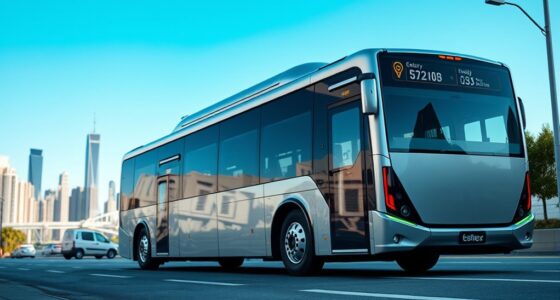
Government subsidies and grants substantially improve the economics of electric buses by offsetting high initial costs and funding the development of charging infrastructure. They make adopting electric buses more financially viable, reduce long-term expenses through longer-lasting batteries, and support faster, more efficient charging options. These supports encourage transit agencies to shift and operate cleaner fleets more effectively. If you want to understand how these incentives shape the industry’s future, there’s more to explore below.
Key Takeaways
- Subsidies lower initial purchase costs, making electric buses more financially accessible for transit agencies.
- Grants support infrastructure development, ensuring reliable charging networks that improve operational efficiency.
- Financial aid extends battery lifespan, reducing long-term maintenance and total ownership costs.
- Incentives promote adoption of faster-charging technologies, increasing fleet flexibility and practicality.
- Government support accelerates industry innovation and environmental benefits by enabling broader electric bus deployment.

Government subsidies and grants play a crucial role in making electric buses more economically viable for transit agencies and operators. Without financial support, the upfront costs of purchasing electric buses and establishing necessary infrastructure can be a significant obstacle. These subsidies often help offset the higher initial investment, making it easier to justify shifting from traditional diesel vehicles. A key area where government support makes a difference is in developing robust charging infrastructure. Building a reliable and extensive network of charging stations is essential for electric bus operations, ensuring buses can recharge quickly between routes and reducing downtime. These investments in infrastructure not only improve operational efficiency but also encourage broader adoption of electric buses across transit systems.
Government support is vital for developing reliable electric bus charging infrastructure and expanding adoption across transit systems.
Another critical aspect that government subsidies influence is battery lifespan. Electric buses rely heavily on their batteries, which determine overall performance and long-term costs. Subsidies can help fund research and development to extend battery lifespan, allowing buses to operate for more years and miles before requiring costly replacements. This durability reduces the total cost of ownership and increases the attractiveness of electric buses for transit agencies. Additionally, financial support can assist in implementing maintenance programs focused on maximizing battery health, further prolonging battery life and ensuring consistent performance.
By easing the financial burden of initial investments, government grants and subsidies encourage transit agencies to prioritize quality charging infrastructure. This investment reduces range anxiety and makes electric buses more practical for daily operations. When charging stations are strategically placed and easily accessible, operators can schedule routes more efficiently, avoiding delays caused by insufficient charging options. Moreover, incentives often promote the adoption of faster-charging technologies, which can greatly cut down charging time and increase fleet flexibility.
In the long run, these subsidies also promote a shift toward more sustainable transportation systems. They help transit agencies realize the environmental and economic benefits of electric buses—like lower emissions and reduced fuel costs—while mitigating concerns over battery lifespan and infrastructure costs. When supported by government funding, agencies can plan their fleet upgrades more confidently, knowing that the initial barriers are reduced. This, in turn, accelerates the transition to cleaner transportation and encourages technological advancements that benefit the entire industry. Additionally, understanding the hours of operation of retail outlets like beauty stores can be useful for planning logistics and service schedules.

The 2027-2032 World Outlook for Electric Bus Charging Stations
As an affiliate, we earn on qualifying purchases.
As an affiliate, we earn on qualifying purchases.
Frequently Asked Questions
How Do Subsidies Vary Between Different Countries or Regions?
You’ll notice subsidies vary widely across countries and regions due to policy variations and regional disparities. Some nations heavily support electric buses with generous grants, while others offer limited incentives. These differences influence your ability to afford and deploy electric buses, shaping market growth. Understanding regional disparities helps you plan better, as local policies directly impact the financial viability and adoption rates of electric buses in your area.
What Are the Long-Term Economic Impacts of Subsidies on Bus Manufacturers?
Think of subsidies as planting seeds for future growth. They boost your long-term economic landscape by encouraging innovation and reducing initial costs. For bus manufacturers, this fosters stronger market competition and helps meet regulatory compliance more easily. Over time, subsidies can lead to sustained profitability, though dependency might hinder self-sufficiency. Ultimately, these financial aids shape a more competitive, compliant industry, guiding manufacturers toward efficiency and resilience in a changing market.
How Do Subsidies Influence Technological Innovation in Electric Buses?
Subsidies boost technological innovation in electric buses by encouraging investment in battery development and manufacturing incentives. You’ll see faster advancements as funding helps companies explore new materials and improve battery efficiency. This support reduces risks, enabling manufacturers to test innovative designs and scale up production. Ultimately, subsidies accelerate the adoption of cutting-edge electric bus technology, making these vehicles more affordable and reliable for your transportation needs.
Are There Any Unintended Consequences of Government Grants on the Market?
Yes, government grants can cause market distortion and create subsidy dependency. You might find that companies rely heavily on these grants instead of improving competitiveness or innovation. This can lead to an uneven playing field, where less efficient firms survive due to subsidies rather than market demand. Over time, such dependence risks stifling organic growth and true innovation, ultimately harming the industry’s long-term sustainability and evolution.
How Do Subsidies Affect the Total Cost of Ownership for Electric Buses?
You might notice that subsidies lower the total cost of ownership for electric buses by offsetting expenses like battery lifespan upgrades and charging infrastructure. With financial support, you can afford better batteries that last longer and invest in more extensive charging stations. These subsidies make it easier for you to justify initial investments, ultimately reducing your long-term maintenance and operational costs, and making electric buses more economically viable for you.
Eco: The Little Electric Taxi
As an affiliate, we earn on qualifying purchases.
As an affiliate, we earn on qualifying purchases.
Conclusion
You can see how government subsidies and grants act like a gentle breeze beneath electric buses’ wings, lifting their economic viability higher than ever before. With these financial boosts, electric buses glide smoothly through the urban landscape, whispering promises of cleaner air and quieter streets. Without them, their journey would be much tougher, like trying to sail against a fierce headwind. Embracing these supports transforms the future of urban transit into a vibrant, sustainable voyage that benefits us all.
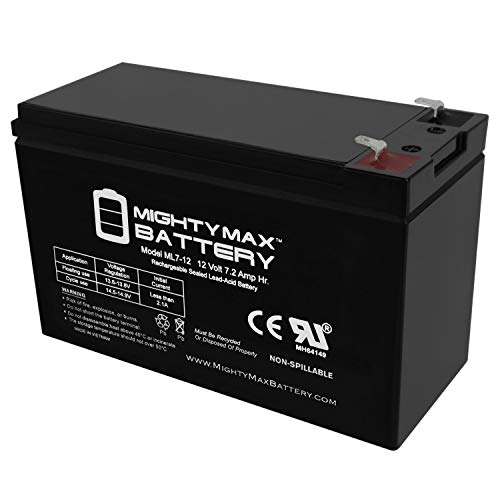
Mighty Max Battery ML7-12, 12 Volt 7.2 AH SLA F1 Terminal Battery, Brand Product, Black (Pack of 1)
Ml7-12 Sla Is A 12V 7 2Ah Sealed Lead Acid (Sla) Rechargeable Maintenance Free Battery
As an affiliate, we earn on qualifying purchases.
As an affiliate, we earn on qualifying purchases.

4 Pieces Electrical Motor Maintenance Marking Feet Repairing Tools Maintenance Tools Easy To Install
and
As an affiliate, we earn on qualifying purchases.
As an affiliate, we earn on qualifying purchases.