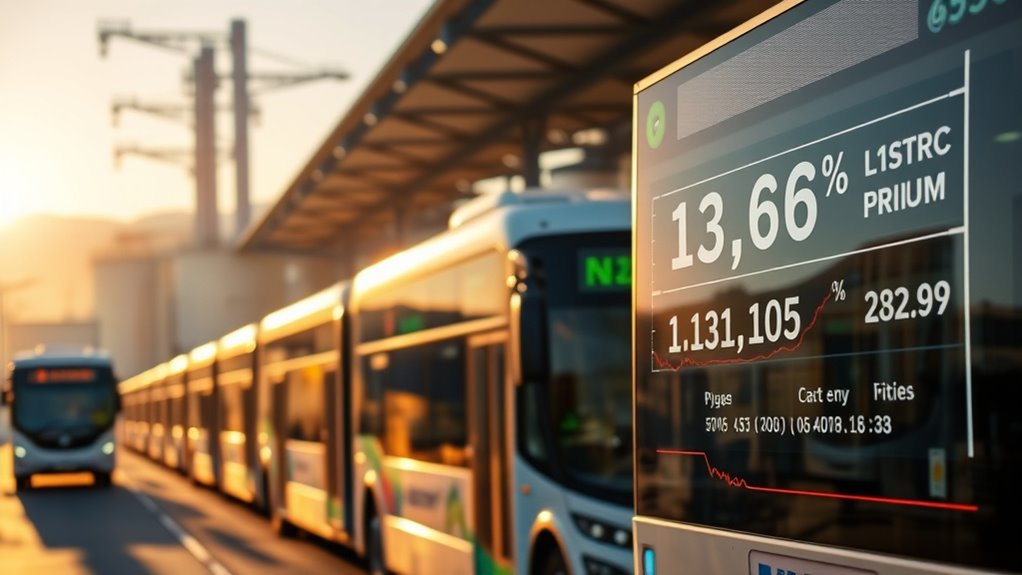

Inflation causes the prices of raw materials like lithium to rise unexpectedly, which can hike up the costs of electric bus batteries. This increase impacts your project budget, making it harder to stay on track financially. Supply chain disruptions may also limit lithium availability, causing further price spikes and delays. Staying aware of market trends and exploring cost-saving strategies can help you manage these challenges more effectively. Keep exploring to learn how these factors can influence your bus project’s success.
Key Takeaways
- Rising inflation increases lithium prices, raising costs for electric bus batteries and impacting project budgets.
- Supply chain disruptions due to inflation cause lithium shortages, delaying bus project timelines and increasing expenses.
- Higher lithium costs from inflation elevate overall battery prices, affecting procurement and financial planning for bus fleets.
- Cost fluctuations from inflation influence adoption of advanced battery technologies, potentially leading to alternative solutions.
- Effective cost management strategies, like bulk purchasing and market monitoring, help mitigate inflation-driven lithium price impacts on bus projects.
Inflation has a direct impact on raw material costs, often causing them to rise unexpectedly. When it comes to lithium, a vital component in battery technology, this effect becomes even more pronounced. As inflation drives up the prices of raw materials across industries, lithium prices tend to surge, making it more expensive to produce batteries that power electric buses. This price increase isn’t just a passing trend; it can considerably influence the overall budget of your bus project, forcing you to reconsider timelines, procurement strategies, and even the viability of certain electric bus models.
Inflation sharply raises lithium costs, impacting electric bus budgets and project timelines.
One of the key reasons lithium prices fluctuate with inflation is the fragility of the supply chain. Supply chain disruptions—whether caused by geopolitical issues, transportation delays, or mining restrictions—compound the impact on costs. When supply chains are strained, the scarcity of lithium drives prices upward, further exacerbating the inflationary pressure. You might find yourself facing longer lead times for battery procurement or needing to pay premium prices to secure the necessary materials. These disruptions make it difficult to predict costs accurately, which can complicate budget planning and financial forecasting for your bus project.
Battery technology plays a vital role here, as advancements are continually changing the landscape. While newer, more efficient battery chemistries promise better performance and longer lifespans, they also often depend heavily on lithium. As inflation pushes up raw material costs, the price of advanced batteries rises accordingly. This means that even as you aim to adopt cutting-edge battery technology to improve your fleet’s efficiency, inflation and supply chain issues can make those innovations more expensive. You might need to explore alternative battery chemistries or consider negotiating bulk purchase agreements to mitigate these costs.
Furthermore, inflation’s effect on raw material costs influences the entire supply chain ecosystem. Suppliers may pass increased expenses onto manufacturers and, eventually, onto you as the project owner. This cascade effect can inflate the total cost of your bus project, impacting your budget’s flexibility and potentially delaying deployment. To counteract this, it’s essential to stay informed about market trends, build strong supplier relationships, and consider forward contracts that lock in prices before inflation continues to rise. Recognizing how inflation intersects with supply chain disruptions and battery technology can help you develop strategies to manage costs more effectively, ensuring your bus project remains viable despite economic volatility. Additionally, staying informed about vetted materials and products can help you select those with proven safety and reliability standards, reducing risks associated with cost fluctuations.
Frequently Asked Questions
How Do Lithium Price Fluctuations Impact Overall Bus Project Budgets?
You’re directly impacted by lithium price fluctuations because higher costs increase your bus project budgets. When lithium prices spike, you may need to allocate more funds for batteries or explore options like battery recycling to reduce dependency. Diversifying your supply chain also helps manage costs and minimize risks. This way, you can better control expenses and ensure your project stays on track despite volatile lithium markets.
Are There Alternative Materials to Lithium for Bus Battery Manufacturing?
Think of searching for alternative materials as exploring a new frontier. You can consider battery substitutes like sodium-ion, solid-state, or zinc-air batteries. These options act as reliable companions, offering potential cost savings and supply stability. While they may not match lithium’s energy density yet, ongoing research makes them promising candidates, helping you reduce dependency on lithium and better manage your bus project budgets.
What Strategies Can Project Managers Use to Hedge Against Raw Material Inflation?
To hedge against raw material inflation, you should focus on contractual negotiations to lock in prices and secure supply agreements. Additionally, effective inventory management allows you to stockpile essential materials during price dips, reducing vulnerability to future cost increases. By combining these strategies, you can better control costs, minimize risks, and guarantee your bus project stays on budget despite raw material price fluctuations.
How Long Do Lithium Supply Contracts Typically Last in Bus Projects?
Supply contract durations for lithium sourcing agreements are like seasons, often lasting between 3 to 5 years. You typically negotiate these agreements based on project timelines and expected demand. As a project manager, you’ll want to secure flexible contracts to adapt to market fluctuations. These durations give you stability while allowing room to renegotiate as lithium prices and supply conditions evolve over time.
What Is the Forecast for Lithium Prices Over the Next Five Years?
You can expect lithium prices to fluctuate over the next five years, influenced by battery innovation and efforts to strengthen supply chain resilience. As demand for electric buses grows, prices may stabilize or even decrease due to technological advances and diversified sourcing. Staying informed on market trends helps you anticipate costs, ensuring your projects remain financially viable while capitalizing on innovations that improve battery performance and supply stability.
Conclusion
So, as you navigate the world of bus projects, remember that rising lithium prices aren’t just numbers—they’re the heartbeat of your plans. With inflation and raw material costs dancing in tandem, your success depends on staying ahead of the curve. Embrace the challenge, adapt quickly, and let these fluctuations be your catalyst for innovation. After all, in a world of constant change, your ability to adapt is the key to turning obstacles into opportunities.