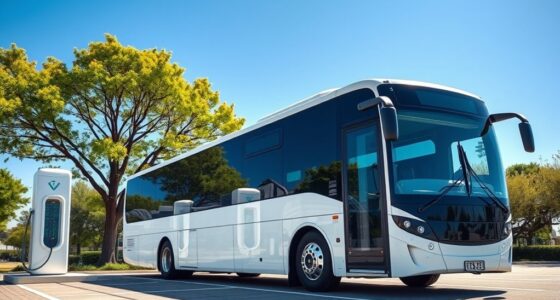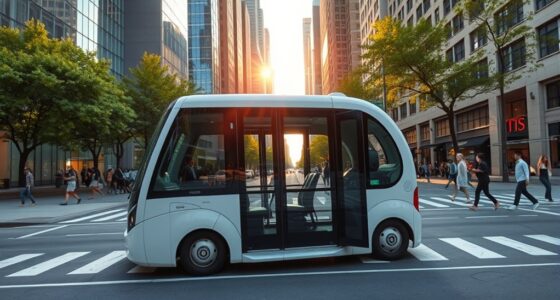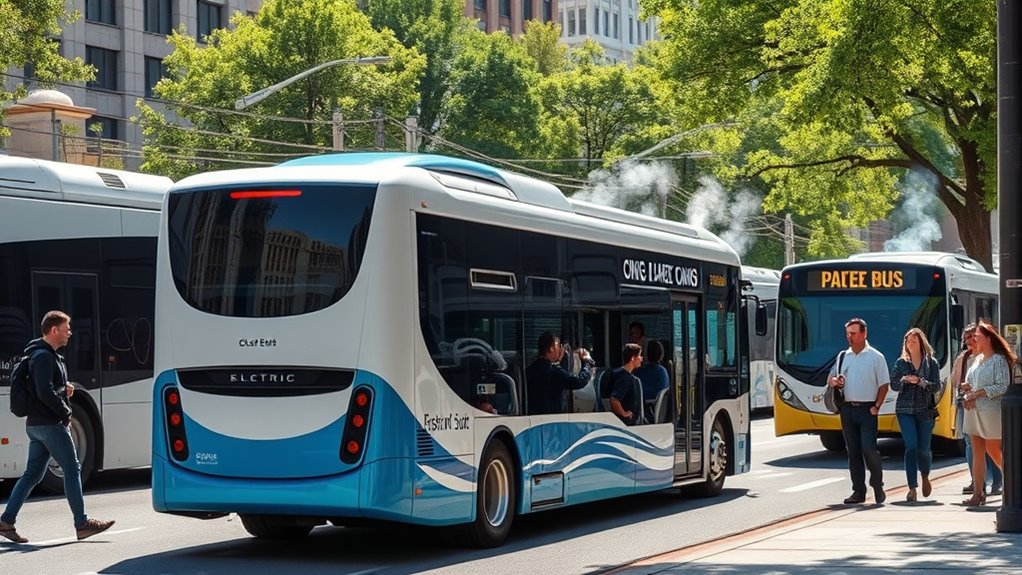

Electric buses are rapidly replacing diesel and CNG vehicles thanks to advances in battery tech, faster charging infrastructure, and a strong push for sustainability. They offer cleaner, quieter, and more efficient transit options while reducing operational costs. As infrastructure improves and costs decline, electric buses are set to dominate public transit, making CNG and diesel less common. If you want to understand how this shift will unfold, there’s more to explore ahead.
Key Takeaways
- Advances in battery tech and charging infrastructure make electric buses more practical and cost-effective than CNG and diesel options.
- Electric buses produce zero emissions, aligning with environmental goals and reducing reliance on fossil fuels.
- Rapid charging capabilities minimize downtime, enabling electric buses to match or surpass traditional transit routes.
- Renewable energy integration further enhances the sustainability and appeal of electric bus systems over CNG and diesel.
- Growing government policies and investments favor electric buses, accelerating their adoption and phase-out of CNG and diesel vehicles.
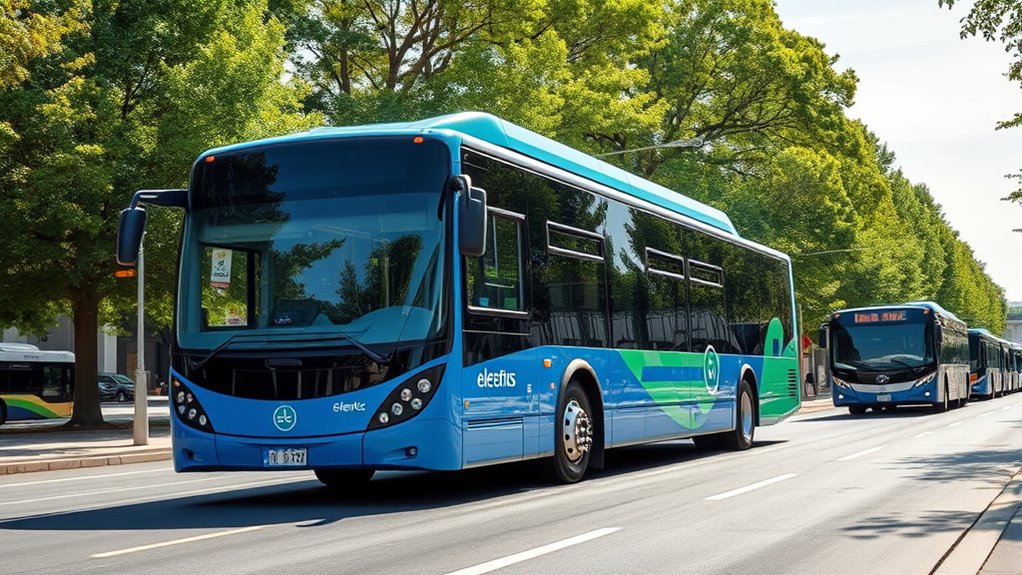
Electric buses are transforming public transit by providing a cleaner, more efficient alternative to traditional diesel-powered vehicles. As you consider the shift away from CNG and diesel, you’ll notice that a critical factor in this evolution is the development of robust charging infrastructure. Having a reliable and widespread network of charging stations ensures that buses can be quickly recharged during breaks, minimizing downtime and keeping routes running smoothly. Advances in charging technology, such as fast chargers, allow you to top up batteries in just 30 minutes or less, making electric buses more practical for daily operations. This infrastructure investment is essential because it directly impacts route flexibility, fleet management, and operational costs. Without sufficient charging stations, electric buses can’t reach their full potential, but with a well-planned network, they become a viable and sustainable alternative to diesel and CNG vehicles.
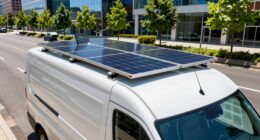
Battery technology plays a significant role in enabling this shift. Modern lithium-ion batteries offer higher energy density, longer lifespan, and faster charging capabilities, which means you can operate longer routes without frequent stops for recharging. As battery technology continues to improve, electric buses become more affordable to maintain and operate, reducing total cost of ownership over time. You’ll also find that newer batteries are lighter, helping to improve the overall efficiency and performance of the buses. The ongoing innovation in battery materials and management systems ensures that electric buses can handle demanding transit schedules and adverse weather conditions, increasing reliability. These technological advancements give you confidence that electric buses can match, if not surpass, the performance of traditional diesel and CNG models. Additionally, innovations in solar-powered charging stations are emerging to further enhance the sustainability of electric transit systems.
Furthermore, as governments and transit agencies push for cleaner air and lower greenhouse gas emissions, investments in charging infrastructure and battery tech are accelerating. You’ll see more public and private partnerships supporting the deployment of charging stations, often integrating renewable energy sources to further reduce carbon footprints. This synergy makes electric buses a compelling choice, as you’re not just switching fuels—you’re adopting a smarter, more sustainable transit solution. Ultimately, the combination of improved charging infrastructure and cutting-edge battery technology is making electric buses more accessible, efficient, and cost-effective. This progress is paving the way for a future where diesel and CNG buses become obsolete, replaced by cleaner, quieter, and more efficient electric alternatives that benefit your community and the environment alike.

ELEGRP Level 1/2 EV Charger, 16 Amp, Portable J1772 Electric Car Charger, 25FT Cable, NEMA 6-20 & 5-15 Adapter, 110V-240V for BEVs/PHEVs, PBE & LRC Technology
【Reliable Safety with PBE & LRC Tech】Powered by ELEGRP's exclusive PBE technology, this level 2 EV charger provides…
As an affiliate, we earn on qualifying purchases.
As an affiliate, we earn on qualifying purchases.
Frequently Asked Questions
What Are the Cost Differences Between Electric, CNG, and Diesel Buses?
You’ll find that electric buses are typically more expensive upfront than CNG and diesel options due to advanced battery technology. However, with better fuel efficiency and lower operating costs, they often save money over time. CNG buses are usually cheaper initially but have higher fuel costs. Diesel buses tend to be the most affordable upfront but face higher fuel and maintenance expenses, making long-term costs a key factor in your decision.
How Do Electric Buses Perform in Extreme Weather Conditions?
Electric buses face weather challenges like a ship in rough seas, but their battery resilience is improving. Cold temperatures can reduce battery efficiency, affecting range, yet advances in climate adaptation help maintain performance. In extreme weather, you’ll find that proper thermal management keeps batteries functioning smoothly, ensuring that electric buses remain reliable. With ongoing innovations, you can count on them to perform well, regardless of the weather’s mood swings.
What Is the Typical Lifespan of an Electric Bus Compared to CNG or Diesel?
You’ll find that electric buses typically last around 12 to 15 years, depending on battery longevity and maintenance. In contrast, CNG and diesel buses often have similar lifespans but may require more frequent repairs. Replacement intervals for electric buses’ batteries are usually every 8 to 10 years, but advancements are extending this. Proper care and technological improvements can help electric buses stay in service comparable to traditional fuel-powered vehicles.
Are There Enough Charging Stations to Support Widespread Electric Bus Adoption?
It’s like stepping into the future with a trusty flux capacitor—charging stations are steadily growing, but the network still needs expansion. You might worry about charging infrastructure and grid capacity keeping pace with electric bus adoption. Currently, many cities are investing in more stations and upgrading grids, but widespread deployment requires a robust, reliable network. With continued progress, you’ll soon find enough charging options to support a clean, electric transit system.
How Do Maintenance Costs Compare Across Electric, CNG, and Diesel Transit Buses?
You’ll find electric buses generally have lower maintenance costs than CNG and diesel models, thanks to fewer moving parts and regenerative braking. However, you should consider expenses for battery recycling and ongoing infrastructure investment, which can offset savings initially. CNG and diesel buses may require more frequent engine repairs and part replacements, but their maintenance costs are more predictable. Balancing these factors helps determine the most cost-effective choice for your transit system.
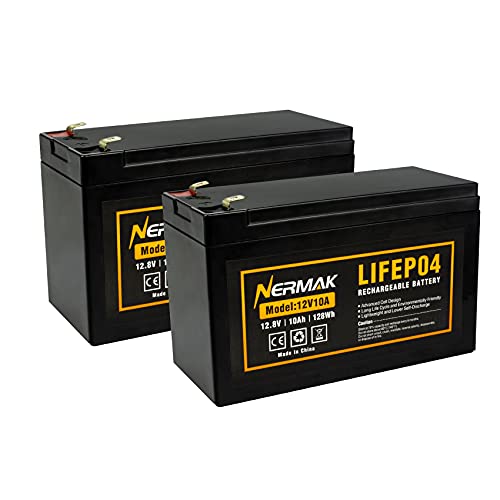
Nermak 2 Pack 12V 10Ah Lithium Ion LiFePO4 Deep Cycle Battery, 2000+ Cycles Rechargeable Battery for Solar/Wind Power, Scooters, Lighting, Power Wheels, Fish Finder Built-in 10A BMS
【Superior Performance】: Lithium iron phosphate battery has high energy density, Long cycle life, Good safety performance, No memory…
As an affiliate, we earn on qualifying purchases.
As an affiliate, we earn on qualifying purchases.
Conclusion
While some worry electric buses might not fully replace CNG and diesel in transit, embracing this shift means prioritizing cleaner air and a sustainable future. Electric buses offer a reliable, eco-friendly alternative that can adapt to evolving needs. By moving forward now, you’re not just improving your transit system—you’re investing in a healthier planet for everyone. So, don’t let doubts hold you back; the future of transportation is electric, and it’s within your reach.
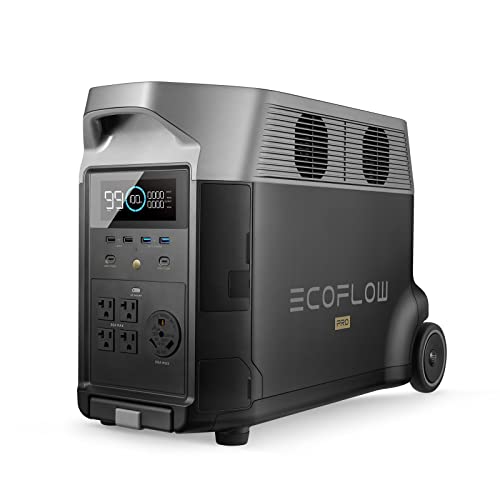
EF ECOFLOW Portable Power Station 3600Wh DELTA Pro, 120V AC Outlets x 5, 3600W, 2.7H Fast Charge, Lifepo4 Power Station, Solar Generator for Home Use, Power Outage, Camping, RV, Emergencies
30% Tax Credit Could be Applied. You could apply for the Residential Clean Energy Credit for qualified solar…
As an affiliate, we earn on qualifying purchases.
As an affiliate, we earn on qualifying purchases.

Guidebook for Transitioning to an Electric Fleet
As an affiliate, we earn on qualifying purchases.
As an affiliate, we earn on qualifying purchases.