Digital cockpits and software-defined buses are revolutionizing fleet management by offering smarter, safer, and more adaptable operations. You can optimize routes, enhance safety with autonomous navigation, and enjoy centralized control over vehicle systems. Connectivity helps monitor vehicle health and security, reducing risks from cyber threats. As technology advances, your fleet becomes more efficient and resilient. Explore further to discover how these innovations can transform your transportation approach and give you a competitive edge.
Key Takeaways
- Digital cockpits and software-defined buses enable autonomous navigation, improving route efficiency and obstacle avoidance.
- They enhance fleet safety by reducing driver fatigue and minimizing human errors through advanced digital systems.
- Centralized control allows remote monitoring, software updates, and proactive maintenance, boosting operational reliability.
- Implementing strong cybersecurity measures safeguards sensitive data and protects against cyber threats.
- These technologies transform fleet management into data-driven, proactive systems, driving innovation and competitive advantage.
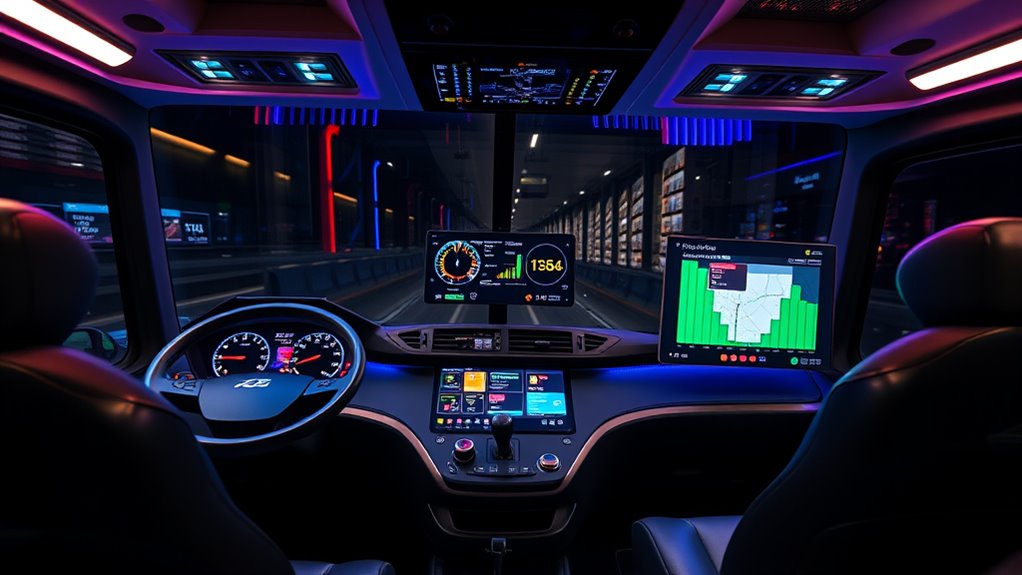
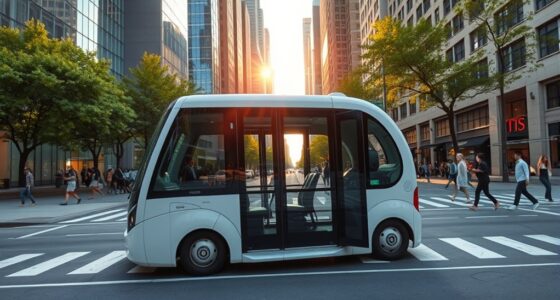
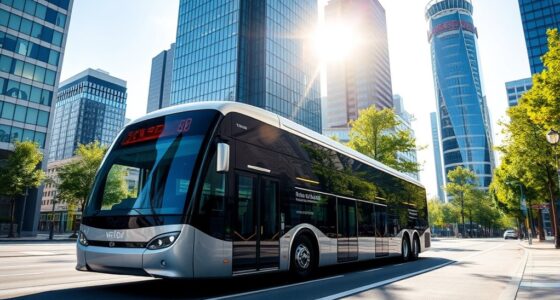
Digital cockpits and software-defined buses are revolutionizing the way vehicles operate by providing greater flexibility, efficiency, and control. As a fleet manager or vehicle operator, you’re likely to notice how these advancements simplify complex tasks and enhance safety. One key benefit is autonomous navigation, which allows vehicles to determine ideal routes, avoid obstacles, and adapt to changing road conditions without constant human intervention. This technology reduces driver fatigue and minimizes errors, leading to safer and more reliable fleet operations. Autonomous navigation relies heavily on sophisticated sensors, GPS data, and real-time processing, all integrated seamlessly through digital cockpits that provide intuitive control interfaces. These systems enable your vehicles to make smarter decisions on the fly, increasing route efficiency and reducing fuel consumption.
Digital cockpits enable autonomous navigation, boosting safety, efficiency, and smarter decision-making in fleet operations.
However, with increased reliance on digital systems comes the necessity of robust data security. As your fleet’s operations become more connected, the risk of cyber threats rises. Protecting sensitive data—such as vehicle locations, operational parameters, and driver information—becomes vital. You need to guarantee that your digital infrastructure employs strong encryption protocols, regular security updates, and secure access controls. Data security isn’t just about preventing breaches; it’s about maintaining trust and compliance with industry standards. A breach could disrupt your fleet’s operations, compromise safety, or lead to costly legal consequences. By prioritizing cybersecurity, you safeguard your investment and ensure seamless, secure operations across all vehicles. Additionally, implementing advanced security measures can help defend against increasingly sophisticated cyber threats.
The integration of digital cockpits and software-defined buses also means you have centralized control over your entire fleet. You can monitor vehicle health, manage software updates, and troubleshoot issues remotely, minimizing downtime. This centralized approach makes it easier to implement updates or new features without needing extensive manual interventions. Plus, the data collected feeds into analytics platforms that help you optimize routes, reduce maintenance costs, and improve overall efficiency. It’s like having a digital command center at your fingertips, empowering you to make proactive decisions rather than reactive ones.
Ultimately, these technologies are transforming fleet management from a reactive process into a proactive, intelligent system. Autonomous navigation streamlines your routes, improves safety, and enhances operational efficiency, while data security measures protect your assets and customer trust. Embracing digital cockpits and software-defined buses isn’t just a technological upgrade; it’s a strategic move toward smarter, safer, and more secure fleet operations. As these innovations continue evolving, your ability to adapt and leverage their full potential will determine your success in an increasingly connected transportation landscape.

4 Channel 1080P H.265 Dual 512 GB Vehicle Car Mobile DVR System Video Recorder Loop Record with IR Night Vision Waterproof Front Side Backup Camera and 7 inch VGA Monitor for RV Truck Bus Camper Van
【Mini DVR for Extended Loop Recording】① Supports 2 x 512 GB SD Cards, totaling 1024 GB (SD cards…
As an affiliate, we earn on qualifying purchases.
As an affiliate, we earn on qualifying purchases.
Frequently Asked Questions
How Secure Are Digital Cockpit Systems From Cyber Threats?
Digital cockpit systems are generally secure, but you should stay vigilant. Manufacturers implement robust cybersecurity protocols and encryption standards to protect against cyber threats. Regular software updates and strong access controls are essential to maintain security. While no system is entirely invulnerable, following best practices helps minimize risks. You can trust these measures, but always remain alert to new threats and guarantee your fleet’s cybersecurity remains up-to-date.
What Is the Cost Comparison Between Traditional and Software-Defined Buses?
You’ll find that traditional buses generally have lower upfront costs but higher long-term maintenance expenses. In contrast, software-defined buses involve higher initial investments due to advanced digital systems, but their cost analysis shows potential savings through easier updates and reduced downtime. The budget implications favor software-defined buses over time, especially as their flexibility and scalability can optimize fleet operations and lower operational costs, making them a smart choice for future-proofing your fleet.
How Do Digital Cockpits Impact Driver Training Requirements?
Imagine a new era where digital cockpits transform driver training. They simplify complex controls, reducing training time and enhancing driver engagement. You’ll find that simulation training becomes more effective, allowing drivers to practice in a risk-free environment before real-world driving. This immersive approach accelerates skill development, making drivers more confident and competent. Ultimately, digital cockpits streamline training, ensuring your fleet benefits from safer, better-prepared drivers faster than ever before.
Can Existing Fleet Vehicles Be Retrofitted With Digital Cockpit Technology?
Yes, you can retrofit existing fleet vehicles with digital cockpit technology, but you’ll face retrofit challenges and compatibility issues. Not all vehicles are designed for easy upgrades, so evaluating compatibility with your current systems is vital. You may need to replace or modify certain components, which can increase costs and complexity. Consulting with specialists ensures the retrofit aligns with your fleet’s specifications and minimizes potential technical hurdles.
What Is the Environmental Impact of Adopting These New Technologies?
Adopting digital cockpits and software-defined buses is like planting a seed for a greener future. You’ll see reduced emissions thanks to smarter route planning and improved fuel efficiency. These technologies promote sustainable manufacturing practices, minimizing waste and energy use. Overall, they help lower your fleet’s environmental footprint, making your operations cleaner and more responsible. Embracing innovation isn’t just smart—it’s essential for a healthier planet.

Music Software Bundle for Recording, Editing, Beat Making & Production – DAW, VST Audio Plugins, Sounds for Mac & Windows PC
No Demos, No Subscriptions, it's All Yours for Life. Music Creator has all the tools you need to…
As an affiliate, we earn on qualifying purchases.
As an affiliate, we earn on qualifying purchases.
Conclusion
Embracing digital cockpits and software-defined buses transforms your fleet operations, making them smarter and more efficient. Did you know that fleets adopting these technologies see up to a 25% reduction in maintenance costs? This shift not only boosts performance but also future-proofs your business. As you leverage real-time data and flexible systems, you’ll stay ahead of the competition and optimize every mile. The revolution is here—are you ready to take your fleet to the next level?
UNDERWATER AUTONOMOUS VEHICLE SENSOR AND PROPULSION ENGINEERING: Hydrodynamics guidance algorithms and multi-environment navigation
As an affiliate, we earn on qualifying purchases.
As an affiliate, we earn on qualifying purchases.
fleet management cybersecurity tools
As an affiliate, we earn on qualifying purchases.
As an affiliate, we earn on qualifying purchases.