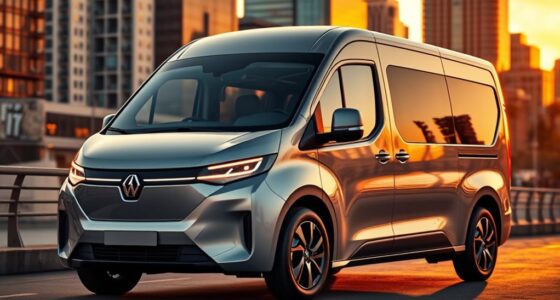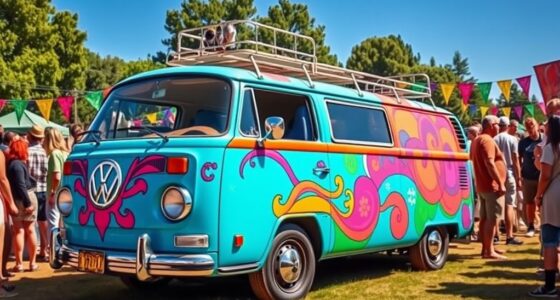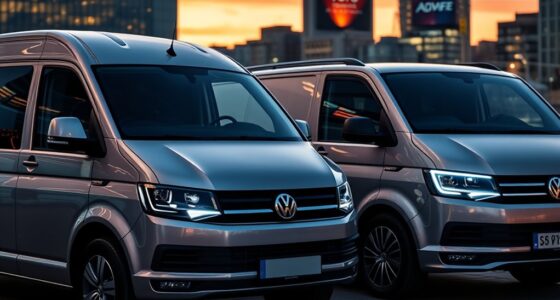
From Type 2 T1 to T7, you see a journey of innovation, style, and practicality. The T1 offered simple, reliable design, while the T2 introduced more power and camper options. The T3 focused on safety and comfort, and the T4 and T5 brought further upgrades in performance and interior features. The T6 and T7 modernized the bus with improved safety, technology, and customization. Continuing along this timeline reveals how each generation built on the last to shape the iconic VW Bus.
Key Takeaways
- The VW Bus evolved from the iconic Type 2 T1 in the late 1950s, showcasing a simple, boxy design centered on versatility and camper customization.
- The transition from T1 to T2 in the late 1960s introduced engine upgrades, improved performance, and more refined camper features.
- The T3/T25 models in the 1980s focused on safety, comfort, and modern amenities, marking a shift toward practicality and reliability.
- Later generations, T4 through T7, saw significant advancements in engine efficiency, safety features, and overall design, adapting to contemporary standards.
- Each model reflects technological progress and changing lifestyle needs, cementing the VW Bus as a symbol of adventure and versatility through the decades.
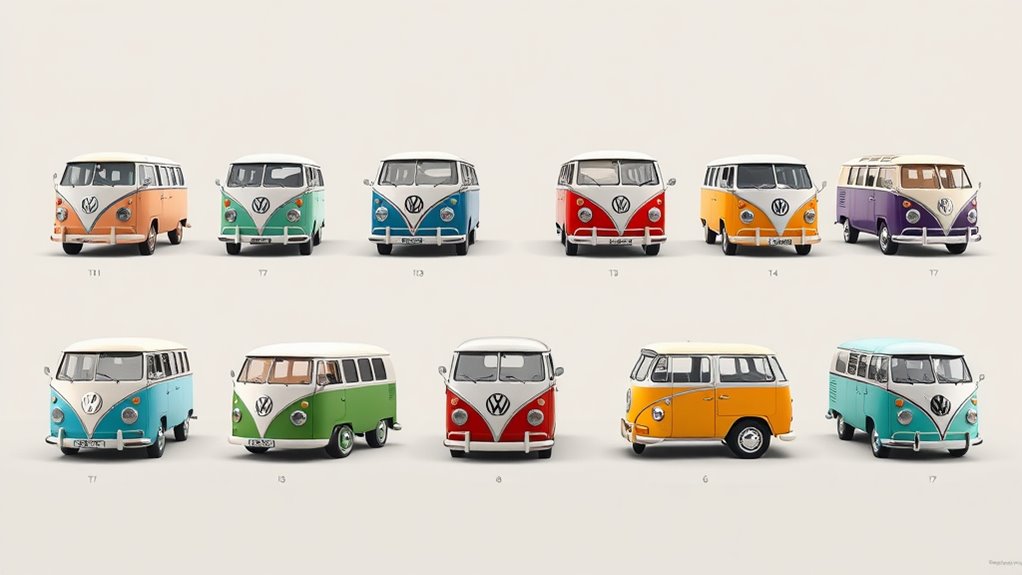
The Volkswagen Bus, an iconic symbol of counterculture and adventure, has evolved through several distinct generations since its debut. As you explore its history, you’ll notice how each iteration reflects changing tastes, technological advancements, and the spirit of exploration. The earliest models, known as the Type 2 T1, launched in the late 1950s, introduced a simple yet versatile design that quickly captured imaginations. Its boxy shape and rear-engine layout made it perfect for camper customization, allowing owners to transform their vehicles into mobile homes with ease. Over time, the engine evolution played a crucial role in its popularity. The T1’s air-cooled, flat-four engine was reliable and straightforward, but as demands grew, so did the engine options. The shift to the T2 in the late 1960s brought a range of engine upgrades, including more powerful and efficient options, which meant you could enjoy longer trips and better performance on diverse terrains.
Moving into the 1970s, the T2’s design became more refined, with improvements that made camper customization even easier. You could now add pop-top roofs, custom interiors, and upgraded electrical systems without much hassle. The engine evolution continued with larger and more efficient engines, giving you the power needed for adventurous road trips. As the T3 (or T25) arrived in the 1980s, Volkswagen focused on enhancing safety and comfort. The engine lineup expanded further, offering better fuel economy and reliability, making it a practical choice for everyday use and extended camping trips alike. The T3 also saw increased options for camper conversions, with more modern amenities integrated into the design. Additionally, the T3 marked a significant shift toward improved safety features, aligning with advancements in vehicle standards and consumer expectations.
Top picks for "type generational timeline"
Open Amazon search results for this keyword.
As an affiliate, we earn on qualifying purchases.
Frequently Asked Questions
What Are the Key Differences Between Each VW Bus Generation?
You’ll notice key differences between each VW Bus generation, especially in van conversion options and engine evolution. Early T1 models feature simple, air-cooled engines and basic interiors, perfect for customization. As you move to later models like T3 and T4, engines become more reliable and efficient, with some diesel options. T5 and T6 introduce modern features and advanced engine tech, making them more versatile for your van life adventures.
How Did Consumer Preferences Influence Design Changes Over the Years?
Think of the VW Bus as a chameleon adapting to your changing tastes. As consumer preferences shifted, designers embraced retro color schemes to evoke nostalgia and added interior customization options to make each vehicle feel personal. You wanted more style and flexibility, so the bus evolved to reflect your desire for self-expression and comfort, turning it into a rolling canvas that mirrors your personality and lifestyle over the years.
Were There Any Significant Safety Improvements Across Generations?
Yes, safety improved markedly across generations. You’ll notice seat belt evolution, with newer models featuring better lap and shoulder belts for enhanced protection. Crash safety enhancements also became more advanced, including reinforced frames and crumple zones, reducing injury risk during accidents. These improvements reflect a focus on passenger safety, making newer VW Buses safer to drive and ride in compared to earlier versions.
Which Generation of VW Bus Is the Most Collectible Today?
You’ll find the Type 2 T1, often called the “Split-Window” or “Splittie,” is the most collectible today. Its vintage appeal, iconic design, and nostalgic charm drive up its market value considerably. Collectors cherish its historical significance, making it highly sought after. If you’re looking to invest, this generation offers a rare combination of timeless style and increasing rarity, ensuring it remains a top contender in the classic VW bus market.
How Did Global Events Impact VW Bus Production and Design?
Global events profoundly impacted VW Bus production and design. Economic impacts, like inflation and oil crises, forced manufacturers to adapt, reduce costs, and improve fuel efficiency. Manufacturing innovations, such as new assembly techniques, helped meet rising demand despite challenges. These changes led to updated models that reflected shifting consumer priorities, ensuring VW stayed competitive during turbulent times. Your understanding of these influences highlights how external factors shape vehicle evolution over generations.
Conclusion
As you look back at the incredible journey from Type 2 T1 to T7, it’s clear this timeline is a true legend in automotive history. You’ve traveled through decades of innovation, style, and adventure—all packed into these iconic buses. These models aren’t just vehicles; they’re a cultural phenomenon that’s shaped generations. So next time you see a VW bus, remember, you’re witnessing a piece of history that’s as timeless as the road itself—truly a legend that never fades.