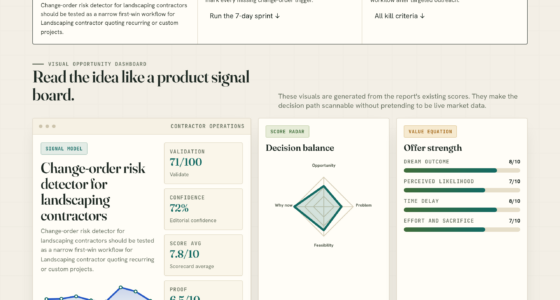

📊 Full opportunity report: Technology Operations Signal Monitor: Apple Sues OpenAI, Accuses Ex-employees Of Stealing Trade Secrets on IdeaNavigator AI — validation score, market gap, and execution plan.

Get business pricing on monitors, keyboards and dev gear
- Business-only prices and quantity discounts
- Tax-exempt purchasing
- Multiple users, one account, clear invoices
TL;DR
Apple has sued OpenAI, alleging that former employees stole trade secrets. The lawsuit underscores concerns over intellectual property in AI development and could impact industry collaborations.
Apple has filed a lawsuit against OpenAI, accusing former employees of stealing trade secrets related to AI technology. The case, announced on March 2024, highlights ongoing tensions over intellectual property in the rapidly evolving AI industry and could influence future collaborations and legal standards.
According to court filings, Apple alleges that ex-employees of Apple, who later joined OpenAI, transferred proprietary information without authorization. The lawsuit claims that the former employees accessed confidential Apple data and shared it with OpenAI during their tenure at the AI company. Apple’s legal complaint seeks damages and an injunction to prevent further use or dissemination of the stolen trade secrets.
OpenAI has responded by denying the allegations, stating that it complies with all legal standards and that the former employees acted independently. The case is currently in the early stages, with both sides preparing for a legal process that could extend over months. You can learn more about related technology signal monitoring tools. The lawsuit underscores the high stakes involved in AI development and the importance of protecting intellectual property amid fierce industry competition.
Legal and Industry Implications of the Apple-OpenAI Lawsuit
This lawsuit emphasizes the growing concern over trade secret protection in AI and could set legal precedents affecting industry practices. It also raises questions about employee mobility and confidentiality in a competitive tech environment. The outcome may influence how companies handle proprietary information and enforce non-compete agreements, impacting future collaborations and talent movement in AI research.
Popular right now

Vitamix 5200 Professional-Grade Blender, 64 oz. Container, Black

Vitamix 5-Speed Immersion Blender, 625-Watt, Stainless Steel/Black

Dyson Cyclone V10 Origin Cordless Vacuum
As an affiliate, we earn on qualifying purchases.
Background of Intellectual Property Disputes in AI Development
Over the past few years, major tech firms have become increasingly vigilant about protecting AI-related trade secrets amid rapid innovation. Previous legal disputes have involved allegations of IP theft and misappropriation, often linked to former employees moving between competing companies. This case marks a significant escalation, as Apple directly accuses individuals who transitioned to OpenAI, a leading AI research organization, of misconduct.
Legal experts note that the case could influence industry standards and employee agreements, especially as AI technology becomes more valuable and sensitive. The lawsuit also coincides with a broader trend of increased regulatory scrutiny over data and intellectual property rights in the tech sector.
“We are committed to protecting our intellectual property and will pursue legal action when necessary.”
— Apple spokesperson
Unclear Aspects of the Legal Dispute
It is not yet clear the specific trade secrets involved or how the court will assess the validity of Apple’s claims. The legal process is still in early stages, and both sides have not disclosed detailed evidence. The potential impact on employee mobility and industry collaboration remains uncertain, as does the case’s broader influence on AI development practices.
Next Steps in the Legal Proceedings
The case will proceed through preliminary hearings, with both parties likely to exchange evidence and arguments. A trial date has not yet been set, but legal experts anticipate a lengthy process. The outcome could result in damages, injunctions, or setting legal standards for trade secret protection in AI. Industry observers will monitor the case for its potential to influence corporate policies and legal frameworks.
Key Questions
What specific trade secrets are involved in the lawsuit?
The court filings do not specify the exact trade secrets, and both sides have kept details confidential as the case develops.
Could this lawsuit affect other AI collaborations?
Yes, the case may lead to stricter employee confidentiality agreements and influence how companies collaborate in AI research.
What are the potential consequences for OpenAI?
If found liable, OpenAI could face damages or restrictions on using certain proprietary information, impacting its research activities.
When will the case be resolved?
A court date has not yet been scheduled; legal experts expect a lengthy process that could take months or longer.
Does this mean AI trade secrets are more vulnerable?
The case highlights the importance of protecting proprietary information, but it remains to be seen how widespread the impact will be.
Source: IdeaNavigator AI