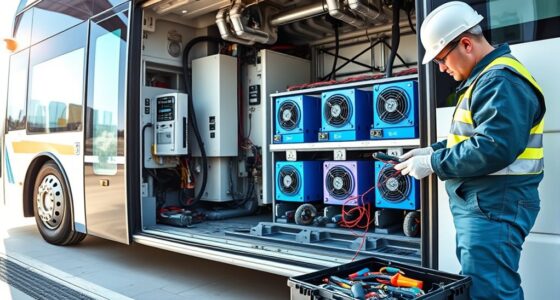
To maintain your brake system effectively, you should regularly inspect and service both regenerative and friction components. This involves checking the brake pads, rotors, and sensors for wear or damage and replacing or resurfacing parts as needed. Additionally, maintaining the brake fluid prevents corrosion and guarantees consistent performance. Proper care helps keep your brakes responsive and prolongs their lifespan, especially in hybrid and electric vehicles. Keep going to discover even more ways to ensure your brakes stay in top shape.
Key Takeaways
- Regularly inspect and clean regenerative braking systems to ensure efficient energy recovery and system engagement.
- Maintain brake fluid by replacing it at recommended intervals to prevent moisture buildup and corrosion.
- Check friction components like brake pads and rotors for wear, damage, and proper operation.
- Diagnose electric motor performance to detect issues early and ensure smooth regenerative braking.
- Conduct comprehensive brake system inspections to optimize the harmony between regenerative and friction braking components.
Your vehicle’s brake system is indispensable for safe driving, and regular service guarantees it functions properly when you need it most. Whether you drive a hybrid or an electric vehicle, maintaining both regenerative and traditional friction components is essential. One of the key aspects of brake system service is ensuring your electric motor diagnostics are up-to-date. Electric motors in hybrids and EVs work closely with regenerative braking systems to recover energy and reduce wear on traditional brake parts. Regular diagnostics help identify potential issues early, preventing costly repairs and guaranteeing your vehicle’s braking efficiency remains ideal. During these diagnostics, technicians assess the motor’s performance, check wiring and sensors, and verify that the regenerative braking system engages smoothly. If any anomalies are detected, they can recommend necessary repairs or adjustments before problems escalate. Additionally, understanding the importance of brake system health can help you better appreciate the need for regular maintenance.
Alongside electric motor diagnostics, brake fluid replacement plays a critical role in maintaining effective braking performance. Brake fluid is hygroscopic, meaning it absorbs moisture over time, which can lead to corrosion, decreased boiling points, and diminished braking response. Regularly replacing the brake fluid helps prevent these issues, ensuring your brake system responds reliably whenever you press the pedal. When you schedule brake fluid replacement, technicians drain the old fluid, inspect the brake lines for leaks or corrosion, and refill with fresh fluid that meets your vehicle manufacturer’s specifications. This simple maintenance step not only extends the lifespan of your brake components but also enhances safety by maintaining consistent brake pedal feel and stopping power.
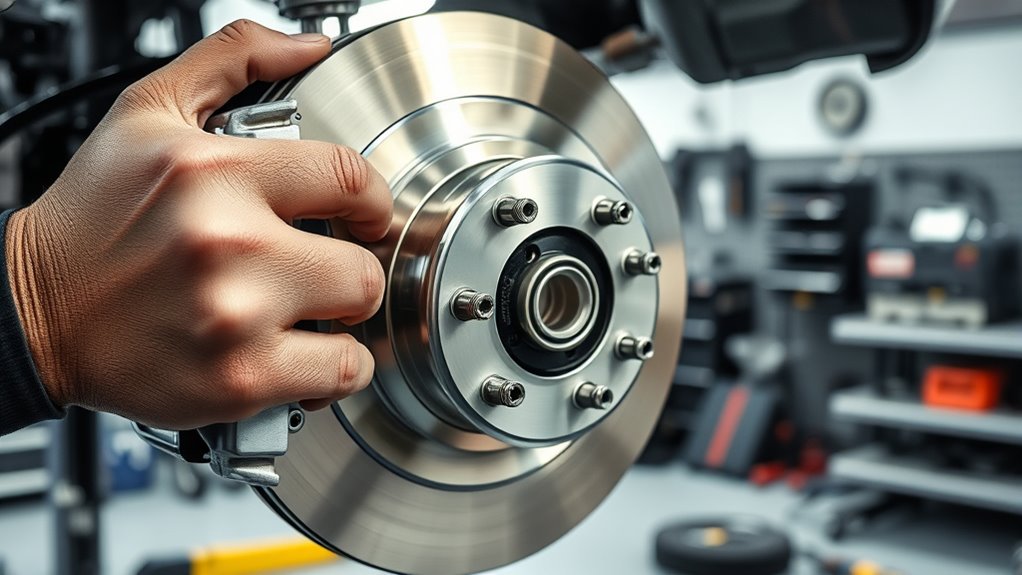
In addition to diagnostics and fluid replacement, it’s essential to inspect the friction components of your brake system, such as brake pads and rotors. Worn or damaged friction parts compromise overall braking performance and can cause uneven wear or noise. Regular inspections allow you to catch these issues early, so you can replace worn pads or resurface rotors before they cause further damage. Proper maintenance of these components ensures your brakes respond promptly and effectively, especially during emergency stops.

Detroit Axle – Brake Kit for 2011-2015 Hyundai Sonata 2013-2016 Kia Optima, Disc Brake Rotors Ceramic Brakes Pads 2014 Replacement: 11.81" inch Front and 11.18" inch Rear Rotor
Models with 11.81 inch (300mm) Front, 11.18 inch (284mm) Rear Rotors
As an affiliate, we earn on qualifying purchases.
As an affiliate, we earn on qualifying purchases.
Frequently Asked Questions
How Often Should Regenerative Brake Components Be Inspected?
You should have regenerative brake components inspected during every brake system diagnostics, typically every 10,000 to 15,000 miles or as recommended by your vehicle manufacturer. Regular inspections help guarantee proper regenerative brake calibration and prevent issues that could affect braking efficiency. If you notice unusual braking behavior or warning lights, get them checked sooner. Keeping up with these inspections maintains ideal brake performance and safety.
Can Brake Fluid Affect Regenerative Braking Efficiency?
Yes, brake fluid can influence regenerative braking efficiency. If your brake fluid is old or contaminated, it can impair the hydraulic system’s performance, making regenerative braking less effective. Properly maintained brake fluid ensures smooth operation of the friction brakes, supporting regenerative braking when needed. Regularly check and replace your brake fluid as recommended to optimize overall braking performance and maximize energy recovery during regenerative braking.
What Signs Indicate Worn Friction Brake Pads?
You’ll notice brake pad wear when your vehicle produces a squealing noise during braking, which is a common sign of worn friction brake pads. Additionally, if you feel less braking power or experience vibrations, it indicates the pads are thinning. Brake squeal is especially telling and should prompt you to have your brake system inspected promptly to guarantee safety and prevent further damage.
Are There Specific Maintenance Routines for Electric Vehicle Brakes?
Caring for your electric vehicle brakes is like tending a garden—you need regular attention. You should routinely inspect regenerative brake sensors and check for signs of friction brake pad wear. Keep an eye on brake fluid levels and listen for unusual noises. Scheduled maintenance guarantees the regenerative system functions efficiently, while timely replacement of worn friction pads prevents costly repairs. Regular checkups keep your EV stopping smoothly and safely.
How Do Climate Conditions Impact Brake System Longevity?
Climate effects can substantially impact your brake system’s longevity. In humid or salty environments, brake corrosion accelerates, leading to increased wear and potential failure. Cold weather can cause moisture buildup, freezing brake components and reducing effectiveness. To protect your brakes, regularly inspect for corrosion, especially in coastal or winter regions, and ensure your brake system is properly maintained. Staying proactive helps extend your brake system’s lifespan despite challenging climate conditions.

VGEBY 4 Pairs Brake Pads Resin Semi?Metal Braking Replacement for Electric Vehicle Mountain
QUIETNESS AND GOOD PERFORMANCE: Has the characteristics of quietness, light weight and good performance, suitable for use in…
As an affiliate, we earn on qualifying purchases.
As an affiliate, we earn on qualifying purchases.
Conclusion
Keeping your brake system in top shape is essential for safety and performance. Regular service guarantees both regenerative and friction components work seamlessly, reducing wear and extending lifespan. Did you know that proper brake maintenance can improve stopping distances by up to 20%? By staying proactive, you protect yourself and others on the road. Don’t neglect your brakes—routine checks now can save you money and prevent accidents later. Stay safe and keep those brakes in peak condition!

ANCEL DS500BT Bidirectional Scan Tool, Full-System Automotive Diagnostic Scanner with 28+ Services, Injector Coding, DPF/Brake/BMS/Oil/Gear/Throttle Functions, CAN FD Support, Lifetime Free Updates
[BUY ONCE. OWN IT FOREVER. NO ANNUAL FEES.] – Most scanners offer 2–3 years of free updates, then…
As an affiliate, we earn on qualifying purchases.
As an affiliate, we earn on qualifying purchases.
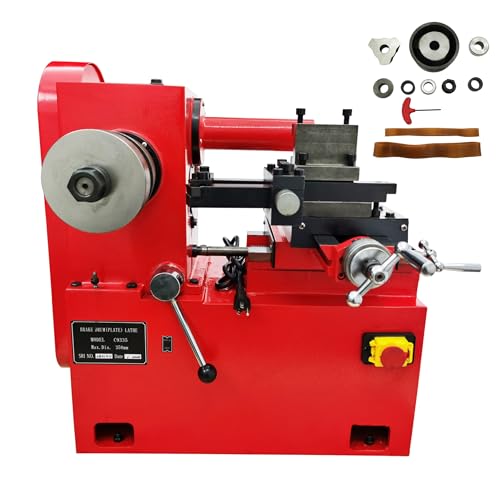
INTSUPERMAI 2-in-1 Heavy Duty Brake Drum & Disc Lathe – 180-350mm Auto Brake Resurfacing Machine, 110V 1100W High Precision Brake Rotor Turning Tool for Cars/SUVs, DIY Automotive Repair Equipment
2-in-1 Dual-Function Efficiency: Resurface Brake Drums & Rotors in One Compact Unit No need for separate brake drum…
As an affiliate, we earn on qualifying purchases.
As an affiliate, we earn on qualifying purchases.