
To maintain your heat pumps and compressors, regularly check thermostat settings and replace dirty filters to guarantee proper airflow. Keep outdoor units free of debris, clean coils gently, and watch for ice buildup. Address unusual noises or reduced performance early, but avoid DIY fixes for refrigerant leaks or electrical issues—call a professional if needed. Staying proactive helps prevent costly repairs and keeps your system running smoothly; discover more tips to keep your HVAC in top shape.
Key Takeaways
- Regularly clean coils and replace filters to ensure efficient airflow and compressor performance.
- Inspect refrigerant lines for leaks or damage, and address issues promptly to prevent system failures.
- Clear debris around outdoor units to maintain proper airflow and prevent overheating or ice buildup.
- Monitor system noises and vibrations to identify worn parts early and schedule necessary repairs.
- Seek professional help for refrigerant leaks, electrical issues, or complex repairs beyond basic troubleshooting.
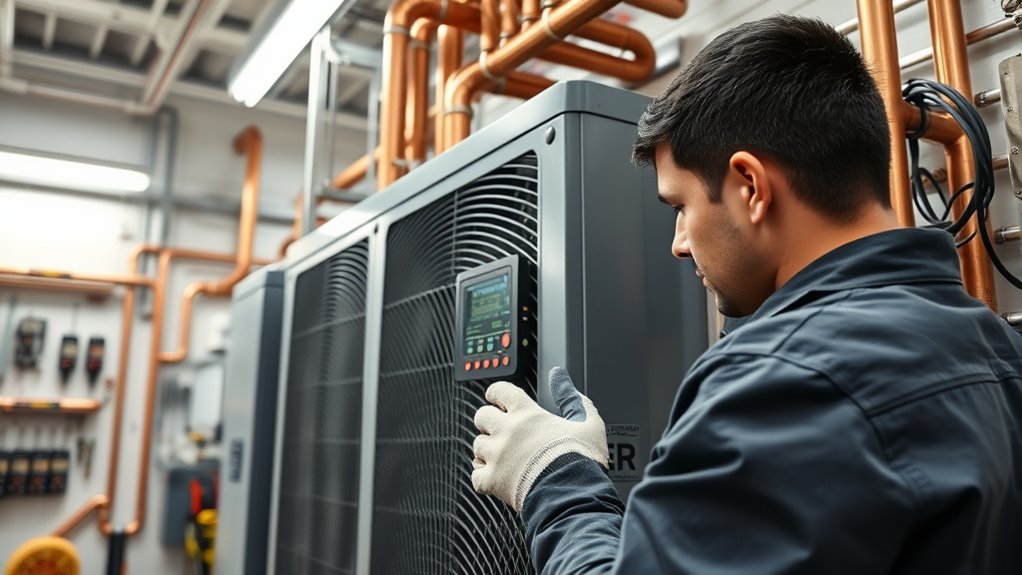
When your HVAC system starts acting up, it’s essential to address the issues promptly to guarantee your home stays comfortable. Whether your heat pump isn’t heating properly or the compressor is making strange noises, quick action can prevent further damage and improve your system’s energy efficiency. One of the best ways to do this is through simple DIY troubleshooting. You don’t always need to call in a professional for minor problems, especially if you’re comfortable with basic tasks. First, check your thermostat settings to ensure they’re correct and functioning properly. Sometimes, the issue is as simple as a dead battery or a misconfigured setting. Next, inspect your air filters—clogged filters restrict airflow, causing your system to work harder and consume more energy. Replacing or cleaning your filters regularly not only improves comfort but also boosts energy efficiency, saving you money on utility bills.
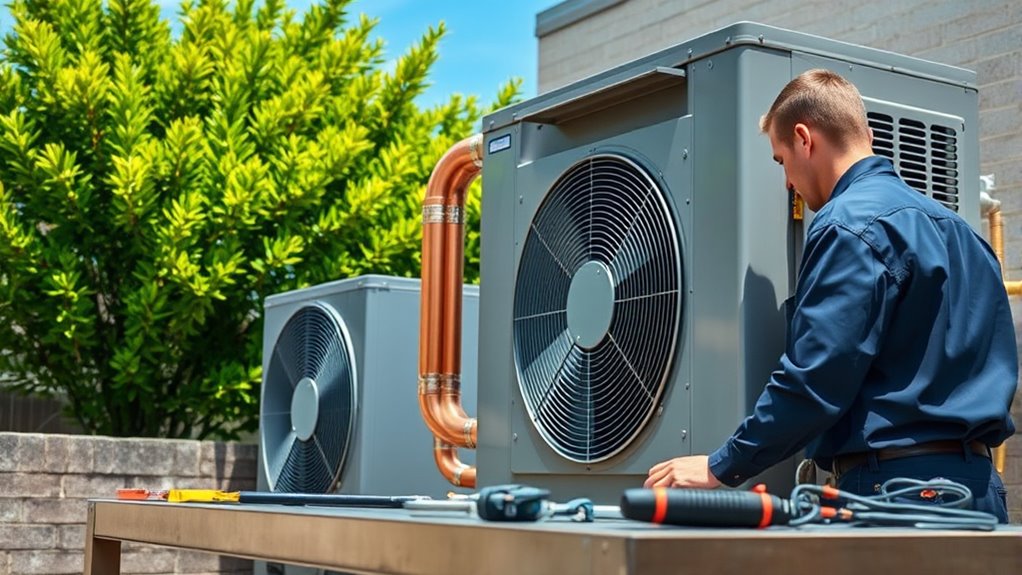
If your heat pump isn’t starting or isn’t heating as it should, look at the outdoor unit. Clear away any debris, leaves, or snow that might be blocking the vents. Dirty coils or blocked airflow reduce efficiency and strain the compressor, potentially leading to costly repairs. You can gently clean the coils with a soft brush or a coil cleaner available at hardware stores. While doing so, inspect the refrigerant lines for leaks or damage; refrigerant issues can cause your system to underperform and waste energy. If you notice ice buildup on the coils, turn off the system and allow it to defrost, as this indicates a problem with airflow or refrigerant levels. Additionally, understanding the importance of automation in modern HVAC systems can help you recognize advanced features that may improve your system’s performance.
Regular DIY troubleshooting helps maintain your system’s efficiency and prolongs its lifespan. Keep an eye on unusual noises or vibrations, which could signal worn-out components or loose parts. Addressing these issues early prevents minor problems from escalating into expensive repairs. Maintaining your heat pump and compressor not only keeps your home comfortable but also maximizes energy efficiency, reducing your environmental impact and lowering bills. Remember, while DIY troubleshooting can resolve many common issues, don’t hesitate to contact a professional if problems persist or if you’re unsure about handling certain repairs. Proper maintenance and timely intervention guarantee your HVAC system runs smoothly, saves energy, and keeps your home cozy year-round.
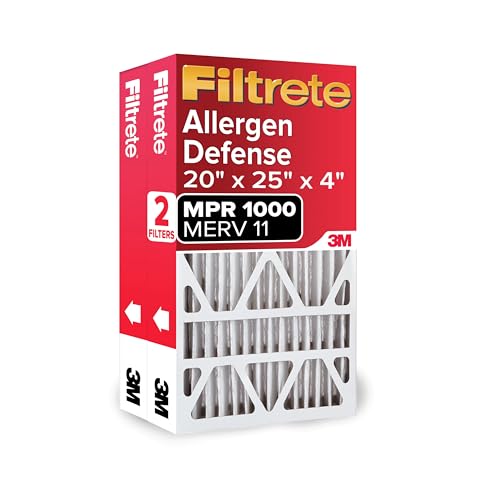
Filtrete 20x25x4 Air Filter MERV 11, MPR 1000 Micro Allergen Defense 2-Pack, Fits Honeywell & AprilAire, AC Furnace HVAC Filters for Home, Pleated Electrostatic (Actual Size 19.88 x 24.63 x 4.31 in)
DIFFERENT FROM NOMINAL SIZE: Slightly different from the nominal size, this air filter’s exact dimensions are 19.88 in…
As an affiliate, we earn on qualifying purchases.
As an affiliate, we earn on qualifying purchases.
Frequently Asked Questions
How Often Should I Schedule Professional HVAC System Inspections?
You should schedule professional HVAC system inspections at least once a year, ideally before peak seasons. If you have smart thermostats or ductless systems, regular check-ups guarantee they operate efficiently. These inspections help identify issues early, maximize energy use, and extend your system’s lifespan. For maximum performance, consider additional inspections if you notice uneven heating or cooling, strange noises, or increased energy bills.
What Are Signs My Heat Pump Needs Repair?
You’ll know your heat pump needs repair if it’s not heating or cooling properly, or if you notice strange noises. Check for inconsistent thermostat calibration, which can cause issues, and look out for refrigerant leaks that reduce efficiency. Additionally, if your energy bills spike unexpectedly or the system cycles on and off frequently, it’s time to call a professional to inspect and fix these problems.
Can I Fix Compressor Issues Myself Safely?
You shouldn’t attempt compressor troubleshooting yourself due to DIY safety risks. Compressor issues can involve electrical components and refrigerant, which can be dangerous if mishandled. Always turn off your heat pump and call a professional for repairs. They have the proper tools and training to safely diagnose and fix compressor problems, ensuring your system operates safely and efficiently. Never risk injury by trying to fix compressor issues on your own.
How Does Outdoor Temperature Affect Heat Pump Performance?
Oh, sure, outdoor temperature has no impact on your heat pump’s performance—said no one ever. In reality, outdoor thermodynamics directly influence refrigerant cycles, making your system work harder in extreme cold or heat. When it’s chilly outside, your heat pump struggles to extract heat, reducing efficiency. Conversely, in warm weather, it cools more easily. So, pay attention to outdoor temps; they’re silently dictating your system’s effectiveness.
What Energy-Saving Tips Improve HVAC Efficiency?
To improve your HVAC efficiency, you should install a smart thermostat to optimize temperature settings and reduce energy waste. Additionally, upgrading your insulation keeps conditioned air inside, lowering the workload on your heat pump. Regularly cleaning filters and sealing leaks also assist. These steps save energy, cut costs, and ensure your system runs smoothly, regardless of outdoor temperatures.
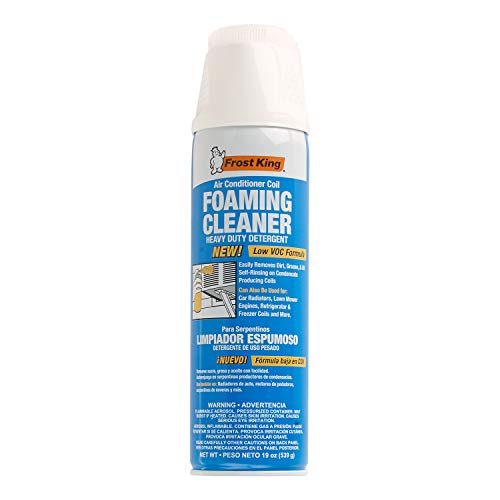
Frost King ACF19 Foam Coil Cleaner, 1.18 Pound (Pack of 1), 19 Ounce
Heavy-duty foam dissolves stains, removes grease & oil, and loosens dirt
As an affiliate, we earn on qualifying purchases.
As an affiliate, we earn on qualifying purchases.
Conclusion
Remember, routine repairs and reliable upkeep keep your heat pump and compressor in top shape. Stay vigilant, tackle troubles promptly, and trust your tech to tackle tricky tasks. With consistent care and a keen eye, you’ll keep your HVAC humming happily, heat flowing, and headaches at bay. So, stay savvy, stay steadfast, and make sure your system stays smooth, steady, and superb all year long!

Tellegloww AC Leak Detector Kit R1234yf R134a R410a Hand Push Compressor 1oz/30ml Oil UV Dye Injector Kit Refrigerant Leak Detector Tool Low Side Quick Coupler Mini Split Adapter Glasses Flashlight
Packing List: products include 1x hand push compressor manual 1oz/30ml oil injector, 1x R134a low side quick coupler,…
As an affiliate, we earn on qualifying purchases.
As an affiliate, we earn on qualifying purchases.

MODERN WAVE Central Air Conditioner Cover for Outside Units 36 x 36 – Top Universal Outdoor AC Cover Defender (Mesh, 36" x 36")
PREMIUM AIR CONDITIONER COVER – AC cover provides top protection from leaves and branches
As an affiliate, we earn on qualifying purchases.
As an affiliate, we earn on qualifying purchases.