To maximize regenerative braking and extend your vehicle’s range, you should focus on smooth, early braking and coasting into stops, avoiding sudden stops or aggressive acceleration. Maintain steady speeds, anticipate traffic, and use features like cruise control when possible. Adjust regenerative braking settings if available, and experiment to find what works best. Practicing these habits can boost energy recovery and efficiency. Keep exploring these techniques to get the most from your vehicle’s technology.
Key Takeaways
- Educate drivers on the benefits of smooth, early braking to optimize energy recovery through regenerative braking systems.
- Encourage anticipation of traffic flow and traffic signals to reduce sudden stops and unnecessary acceleration.
- Train drivers to maintain steady speeds and use cruise control for consistent driving and energy efficiency.
- Familiarize drivers with vehicle features and adjustable regenerative braking settings for personalized optimization.
- Promote driving habits like gentle acceleration, coasting into stops, and minimizing aggressive maneuvers to extend range.

Maximizing regenerative braking and extending your vehicle’s range starts with understanding how to drive efficiently. When you focus on driver education, you learn how your driving habits directly influence energy efficiency. Recognizing when to brake early and smoothly allows your vehicle to capture more energy through regenerative braking, rather than wasting it as heat. This approach not only conserves battery power but also reduces wear on brake components, making your driving more sustainable and cost-effective. To optimize your energy efficiency, you need to develop a sense of anticipation—predicting traffic flow, braking zones, and acceleration points. This proactive mindset helps you minimize sudden stops and aggressive accelerations, which drain energy faster and diminish your vehicle’s overall range.
Smooth, early braking and anticipation maximize regenerative energy, boosting efficiency and extending your vehicle’s range.
As you become more mindful of your driving style, you’ll notice that gentle, consistent acceleration and deceleration make a significant difference. When approaching a stoplight or a slowdown, easing off the accelerator early and coasting into the stop allows your vehicle to engage regenerative braking effectively. Many drivers overlook the benefits of this technique, but it’s a core element of efficient driving. Additionally, maintaining steady speeds on highways reduces energy consumption since constant acceleration and deceleration are energy-intensive. Using cruise control on highways can help maintain this steady pace, ensuring you’re not unintentionally wasting energy through inconsistent driving patterns. Understanding how your vehicle’s regenerative braking system works is essential. Most electric vehicles and hybrids have settings that can be adjusted to increase or decrease the strength of regenerative braking. Experimenting with these settings, if available, can help you find a balance that feels natural and maximizes energy recovery without compromising your driving comfort. Remember, driver education is vital—familiarize yourself with your vehicle’s manual and features so you’re fully aware of its capabilities and best practices. Training yourself to anticipate traffic conditions and drive smoothly not only enhances your energy efficiency but also provides a safer driving experience.
Being aware of your vehicle’s high refresh rates and low input lag can improve your overall driving experience, especially in situations requiring quick reactions. Ultimately, your goal is to extend your vehicle’s range by making smart, informed choices behind the wheel. Every gentle brake, gradual acceleration, and anticipatory action contributes to better energy recovery and less energy waste. By continuously practicing these habits and understanding how to leverage regenerative braking, you’ll become a more efficient driver, saving energy and money while reducing your environmental impact. The key lies in awareness and deliberate technique—small adjustments in your driving style can lead to significant improvements in your vehicle’s performance and longevity.
electric vehicle regenerative braking settings
As an affiliate, we earn on qualifying purchases.
As an affiliate, we earn on qualifying purchases.
Frequently Asked Questions
How Does Regenerative Braking Impact Tire Wear?
Regenerative braking can reduce tire wear because it decreases reliance on traditional brakes, leading to less heat and friction on tires. However, it may cause uneven tire wear if you don’t regularly perform tire rotation, as some tires might do more work. To keep tires in good shape, combine regenerative braking with proper brake maintenance and schedule routine tire rotations, ensuring even wear and prolonging tire life.
Can Aggressive Driving Techniques Improve Regenerative Braking Efficiency?
A stitch in time saves nine, and aggressive driving techniques can boost regenerative braking efficiency if you’re mindful. Your driving habits directly influence energy recovery; sudden acceleration and hard braking hinder it, while smooth, controlled actions maximize it. By adopting more consistent driving habits, you help your vehicle recover more energy, extending range. So, yes, a bit of assertiveness can improve efficiency—just remember, moderation is key for ideal results.
What Are Common Mistakes Drivers Make When Trying to Maximize Range?
You often make mistakes like accelerating too quickly, braking harshly, or ignoring eco driving habits, which reduce your range. Lack of driver education on smooth acceleration and deceleration can lead to unnecessary energy loss. To maximize range, focus on gradual acceleration, anticipate stops, and maintain steady speeds. Avoid aggressive driving behaviors, and stay informed about eco driving techniques to improve efficiency and extend your vehicle’s range.
How Does Weather Affect Regenerative Braking Performance?
Weather conditions can considerably impact your regenerative braking performance, affecting your ability to recover energy efficiently. Cold weather reduces battery efficiency and slows down regeneration, while rainy or snowy conditions decrease traction and require more cautious driving. Your driver behavior also plays a role; aggressive braking or rapid acceleration can diminish regenerative benefits. Adjust your driving to smooth, controlled motions, and consider weather impacts to maximize range and energy recovery effectively.
Is There a Recommended Driving Style for Different Vehicle Models?
You should adopt driving habits suited to your vehicle model, as recommended by the manufacturer. Adjust vehicle settings like regenerative braking levels and eco modes when possible to optimize performance. Smooth acceleration and deceleration help maximize range, while maintaining a steady pace reduces energy loss. Familiarize yourself with your vehicle’s specific guidelines, and tailor your driving style accordingly to get the most from your car’s regenerative braking system.

CyperFair 2 PCS Car R1234YF Adapters, R1234YF to R134A Quick-connect Fitting Kit, Seal High and Low Pressure Conversion Adapter, Universal Rust-proof Refill Coupler for Most Car AC Systems (Gold)
Function: This R1234YF adapter enables quick and secure connection between R1234yf air conditioning systems and R134a service tools….
As an affiliate, we earn on qualifying purchases.
As an affiliate, we earn on qualifying purchases.
Conclusion
By mastering regenerative braking, you become the captain of your electric journey, steering with purpose and precision. Just as the phoenix rises anew, your driving habits can breathe life into your range, turning every stop into an opportunity. Embrace these skills, and you’ll unleash the full potential of your vehicle, transforming each trip into a symphony of efficiency. Like Icarus aiming for the sun, reach for greater distances—your journey’s power lies within your control.
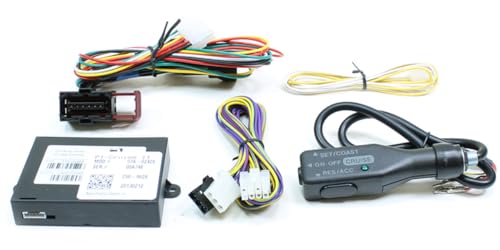
Rostra Complete Cruise Control Kit 250-9617
Step by step easy to follow instructions
As an affiliate, we earn on qualifying purchases.
As an affiliate, we earn on qualifying purchases.

Defensive Driving for CMV Drivers English Training Kit, Help Drivers Develop Skills to Reduce The Risk of an Accident, J. J. Keller & Associates, Inc.
7" LCD screen in a 8" x 9" x .5" hard cover "book" wrapped in a soft-touch matte…
As an affiliate, we earn on qualifying purchases.
As an affiliate, we earn on qualifying purchases.