You can access funding for electric buses through grants from the Connecting Europe Facility (CEF), European Regional Development Fund (ERDF), and Cohesion Fund. These programs support infrastructure upgrades, charging stations, and fleet deployment, making your shift more affordable. Policy incentives like tax breaks and subsidies further reduce costs. Exploring these options can help turn your electric bus project into a sustainable success—continue to discover more about how to maximize these funding opportunities.
Key Takeaways
- CEF grants support infrastructure development, including charging stations, for electric buses across European transport projects.
- ERDF provides additional funding to promote regional sustainable transportation initiatives and electric mobility expansion.
- Cohesion Fund grants contribute to financing large-scale electric bus and infrastructure projects in less-developed regions.
- These funds prioritize projects that enhance electric bus deployment, infrastructure, and related sustainable transport infrastructure.
- Securing these grants accelerates electric bus adoption, reduces costs, and supports long-term transportation sustainability.

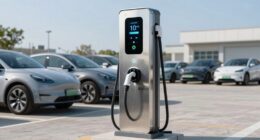
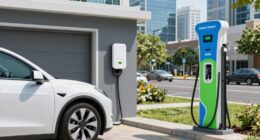
Switching to electric buses requires significant funding, but several sources can help make this shift feasible. One of the most critical investments you’ll need is in charging infrastructure. Without reliable and accessible charging stations, even the most advanced electric buses won’t operate efficiently. Securing grants from programs like the Connecting Europe Facility (CEF) can provide the financial support necessary to develop this infrastructure. These grants often prioritize projects that enhance sustainable transportation, making them an ideal resource for funding charging stations across your city or region. By leveraging CEF funds, you can accelerate the deployment of charging networks, ensuring your electric fleet remains operational and effective. Additionally, understanding the importance of proper storage and handling of electric components can prevent costly damage and improve longevity. Policy incentives also play an essential role in making the transition financially viable. Many governments offer tax breaks, subsidies, or reduced tariffs for purchasing electric buses and installing charging infrastructure. These incentives reduce the upfront costs, making electric buses more attractive compared to traditional diesel vehicles. Additionally, some policies provide operational subsidies that help cover maintenance and energy costs over time. To maximize these benefits, you should stay informed about available programs at local, regional, and national levels. Applying for these incentives can considerably lower your overall expenditure, allowing you to allocate funds toward expanding your electric fleet or improving infrastructure.

The 2027-2032 World Outlook for Electric Bus Charging Stations
As an affiliate, we earn on qualifying purchases.
As an affiliate, we earn on qualifying purchases.
Frequently Asked Questions
How Do Eligibility Criteria Differ Between CEF, ERDF, and Cohesion Fund Grants?
You’ll notice eligibility nuances among CEF, ERDF, and Cohesion Fund grants, mainly due to their funding restrictions. CEF often prioritizes transportation projects, requiring applicants to demonstrate regional impact. ERDF focuses on regional development, favoring projects aligned with economic growth, while the Cohesion Fund emphasizes environmental and social cohesion, targeting less-developed regions. Understanding these differences helps you align your project with the specific criteria, increasing your chances of securing funding.
What Is the Typical Application Process Timeline for These Grants?
Did you know that most grant applications take around 6 to 12 months? You should start by preparing your project proposal early, focusing on clear objectives and compliance with criteria. The application process involves submitting your grant application, undergoing review, and completing project implementation steps. To increase your chances, develop effective grant application strategies, stay organized, and follow each step carefully to meet deadlines and optimize your submission.
Are There Specific Geographic Regions Prioritized for Funding?
You should know that regional priorities and geographic eligibility influence funding distribution. Typically, areas with high pollution or limited transport options are prioritized, but eligibility varies by program. Some grants target specific regions, such as urban centers or regions with development needs. Check each funding source’s guidelines to understand the specific geographic eligibility criteria, ensuring your project aligns with regional priorities to improve your chances of securing support.
Can Private Companies Access These Grants for Electric Bus Projects?
Think of the grants as a guarded treasure chest. Private companies can access these funds, but only if they form strong partnerships with public entities, like knights joining forces. Grant restrictions often require projects to include public agencies or meet specific criteria, limiting direct access. So, while private companies can benefit, they must navigate these rules through private partnerships to unseal the funding and bring their electric bus projects to life.
What Are the Reporting and Compliance Requirements Post-Funding?
You need to meet specific audit requirements and adhere to reporting deadlines after receiving funding. Keep thorough records of expenditures and project progress, as these are essential for compliance checks. Guarantee your reports are accurate and submitted on time, typically quarterly or annually, depending on the grant. Staying organized and proactive helps you avoid penalties, demonstrate proper use of funds, and maintain good standing with funding authorities.

Guidebook for Transitioning to an Electric Fleet
As an affiliate, we earn on qualifying purchases.
As an affiliate, we earn on qualifying purchases.
Conclusion
Think of these grants—CEF, ERDF, and Cohesion Fund—as the keys that release a brighter, cleaner future on our streets. Each resource is a seed of change, ready to blossom into a fleet of electric buses that symbolize progress and sustainability. By harnessing these funds, you’re not just investing in vehicles; you’re planting the roots of a greener world. Together, these grants illuminate the path toward a cleaner tomorrow, one electric bus at a time.

4 Pieces Electrical Motor Maintenance Marking Feet Repairing Tools Maintenance Tools Easy To Install
and
As an affiliate, we earn on qualifying purchases.
As an affiliate, we earn on qualifying purchases.

Spacecraft Power Systems
Used Book in Good Condition
As an affiliate, we earn on qualifying purchases.
As an affiliate, we earn on qualifying purchases.