Guided by innovative, silent energy solutions, discover how to build a quiet power setup without a generator that keeps your home running smoothly.
Browsing Category
Sustainability and Environment
33 posts
Cold Weather Solar: How Snow, Angle, and Batteries Change Everything
For cold weather solar, learn how snow, panel angles, and batteries can impact your system’s performance and what steps to take next.
Health and Climate Benefits: WRI’s $1.6 Billion Annual Savings Explained
Pioneering strategies by WRI save $1.6 billion annually through cleaner energy and efficiency, unlocking health and climate benefits you won’t want to miss.
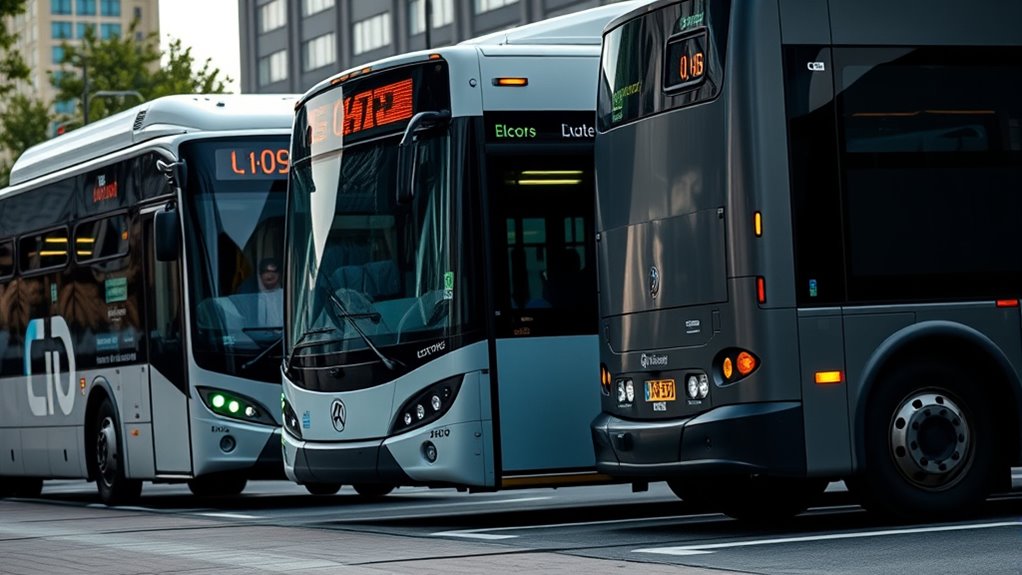
Comparative Noise Studies: Electric Buses Vs CNG and Diesel Buses
Comparative noise studies reveal how electric buses significantly reduce urban sound levels compared to CNG and diesel buses, transforming city life—discover why it matters.
Energy Storage End‑of‑Life: Environmental Considerations for Battery Disposal
Keen awareness of proper battery disposal reveals crucial environmental considerations that everyone should understand to protect our planet.
Hydrogen Fuel Production Impacts: Green Vs Grey Hydrogen for Buses
Sustainable transportation choices depend on understanding green versus grey hydrogen’s environmental impacts and benefits for bus fuel production.
Using Life Cycle Carbon Costing to Evaluate Fleet Options
Considering full lifecycle emissions reveals the true environmental impact of fleet choices, guiding smarter decisions that…
Noise Vs Air Quality: Which Benefit Do Residents Notice First?
Inevitably, residents notice noise reduction first, but understanding how air quality improvements unfold reveals the true impact on health and comfort.
The Role of Government Subsidies in Advancing Sustainable Bus Fleets
Navigating the impact of government subsidies on sustainable bus fleets reveals how policy support accelerates greener transportation solutions, and the story doesn’t end there.
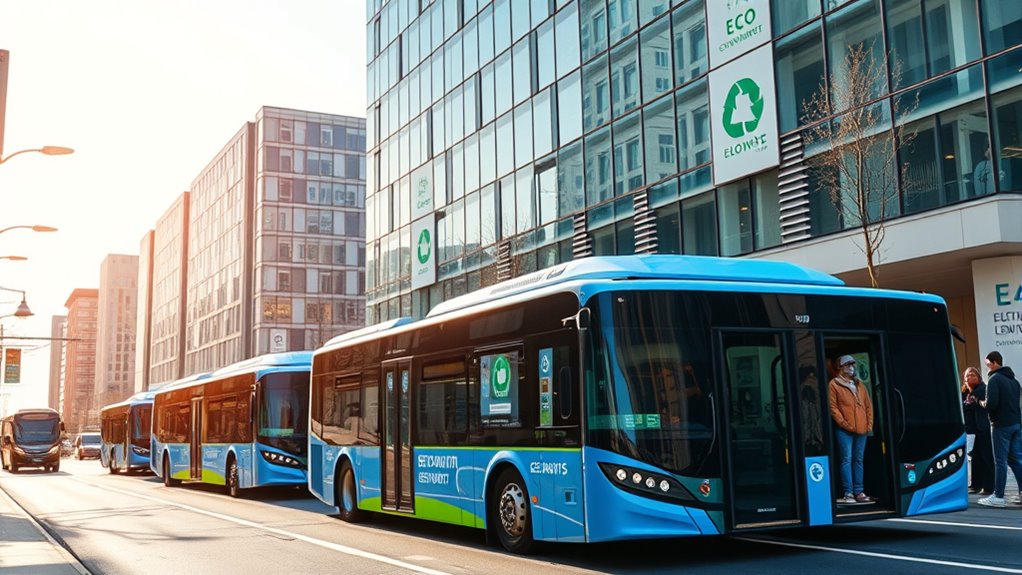
Greenhouse Gas Savings: Quantifying CO₂ Reductions per Bus
How each electric bus reduces CO₂ emissions by approximately 1.8 kg per mile, and why this matters for your community’s climate goals.