
Battery swapping can considerably cut your environmental footprint by extending battery life, reducing resource extraction, and lowering waste from frequent replacements. Properly managed batteries last longer, requiring fewer new ones to be manufactured, which helps lessen mining and manufacturing impacts. Developing extensive, standardized infrastructure ensures efficient, eco-friendly energy use and minimizes overall environmental harm. If you want to understand how this innovative approach could shape a more sustainable future, keep exploring its potential benefits and challenges.
Key Takeaways
- Battery swapping extends battery lifespan, reducing manufacturing frequency and lowering environmental waste.
- Efficient management of batteries in swapping systems minimizes resource extraction and decreases ecological impact.
- Widespread infrastructure supports renewable energy use, further lowering the carbon footprint of electric vehicle operations.
- Standardized batteries ensure compatibility, improving utilization and reducing the need for additional manufacturing.
- Properly implemented swapping networks decrease energy consumption compared to traditional charging, benefiting environmental sustainability.
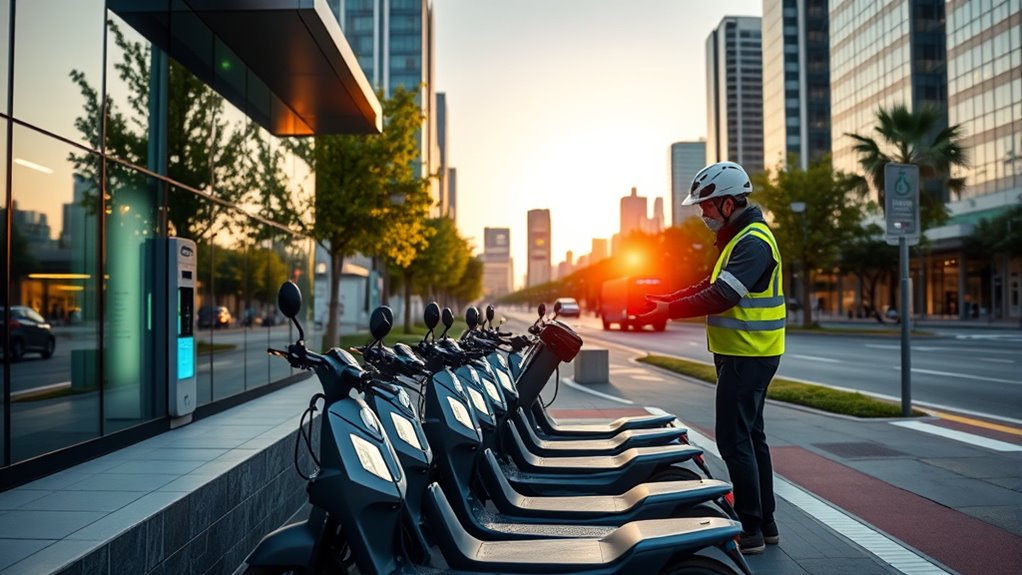
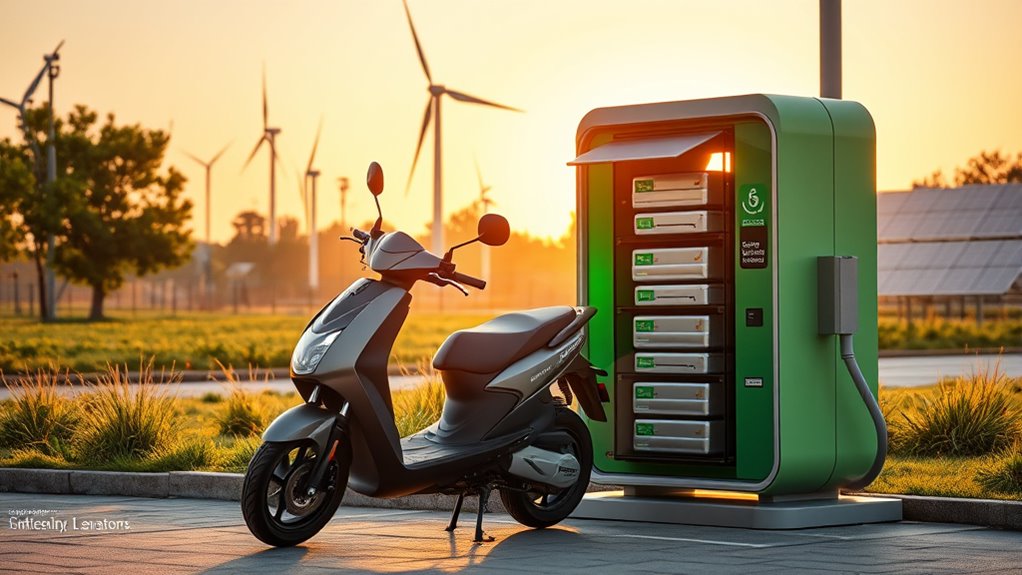
Battery swapping has emerged as a promising solution to address the limitations of traditional electric vehicle charging, offering a quick and convenient alternative for drivers. Instead of waiting for hours to recharge, you can swap out your depleted battery for a fully charged one in minutes. This approach not only saves time but also has profound implications for battery life and infrastructure development. When you opt for swapping stations, manufacturers often design batteries to endure multiple cycles, which can extend their overall lifespan. Properly managed, this can reduce the frequency of battery replacements, lessening environmental waste and resource extraction. However, the quality of batteries and the protocols for swapping are vital to guarantee longevity, as poorly maintained batteries could deteriorate faster, negating environmental benefits.
Battery swapping extends battery lifespan and reduces environmental waste through efficient, multi-cycle design and proper management.
The success of battery swapping also hinges on robust infrastructure development. You need a widespread network of swapping stations to make this system viable, especially for long-distance travel. Developing such infrastructure requires substantial investment, but it can lead to a more sustainable and efficient EV ecosystem. When you’re traveling, you benefit from a reliable network that minimizes downtime, making electric vehicles a practical choice for daily commuting and commercial use alike. This network supports the adoption of electric vehicles by addressing range anxiety and charging time concerns, ultimately encouraging more people to switch from traditional combustion engines.
From an environmental perspective, battery swapping can help reduce the overall ecological footprint of electric vehicles. When batteries are swapped rather than charged, the energy consumption associated with slow charging stations diminishes, especially if the swapped batteries are charged using renewable energy sources. Additionally, because batteries are used more efficiently over their lifespan, fewer batteries need to be produced, which reduces mining and manufacturing impacts. You also contribute to a greener future as this system promotes better battery management and recycling practices, further lowering the environmental toll. Moreover, standardized batteries are essential for ensuring compatibility and ease of swapping across different vehicle models and brands, which enhances system efficiency and user convenience.
Nonetheless, there are challenges. Developing the necessary infrastructure requires considerable upfront costs and coordination among manufacturers, governments, and service providers. The technology must also guarantee that batteries are standardized and compatible across different vehicles and brands. If these hurdles are overcome, battery swapping could revolutionize how you use and think about electric vehicles, making them more sustainable and environmentally friendly. It’s a promising pathway that, with careful planning and investment, can profoundly impact reducing the carbon footprint of transportation while supporting the long-term health of the planet.

Developing Charging Infrastructure and Technologies for Electric Vehicles
As an affiliate, we earn on qualifying purchases.
As an affiliate, we earn on qualifying purchases.
Frequently Asked Questions
How Does Battery Swapping Influence Renewable Energy Integration?
Battery swapping boosts renewable energy integration by enhancing grid stability and providing flexible energy storage. When you swap batteries quickly, you help balance supply and demand, smoothing out fluctuations from renewable sources like solar and wind. This process allows for efficient energy storage, reducing reliance on fossil fuels. As a result, you contribute to a cleaner environment while making the grid more resilient and adaptable to renewable energy variations.
What Are the Safety Standards for Swapped Batteries?
Think of swapped batteries as fragile as glass; that’s why strict Battery safety and Swapping regulations exist. You must guarantee batteries meet safety standards like thermal stability and proper insulation to prevent hazards. Regulations often require regular inspections, certification, and proper handling procedures. These standards help protect you from potential risks, ensuring that each swap maintains safety and reliability, just like handling delicate glass with care.
How Does Battery Recycling Factor Into Environmental Impact?
You should consider how battery recycling mitigates environmental impact by properly managing battery material. Recycling processes recover valuable materials like lithium, cobalt, and nickel, minimizing waste and lowering the need for new resource extraction. By recycling swapped batteries, you help decrease harmful emissions and pollution, supporting sustainability. Incorporating efficient recycling practices ensures that battery material is reused, making battery swapping a more eco-friendly option overall.
What Are the Economic Implications of Large-Scale Swapping Stations?
You’ll find that large-scale swapping stations can cut costs by up to 40%, making electric vehicles more affordable. This shift enables market expansion, attracting more consumers and boosting sales. The initial investment might seem high, but economies of scale and increased demand lead to long-term profitability. Ultimately, these stations drive economic growth, create jobs, and foster innovation, transforming the EV industry into a more competitive and sustainable market.
How Does Battery Lifespan Affect Overall Sustainability?
Your battery lifespan substantially influences overall sustainability. When batteries undergo degradation, their capacity drops, leading to more frequent replacements and increased waste. Proper recycling efficiency helps recover valuable materials, reducing environmental impact. By extending battery life and improving recycling, you minimize resource extraction and waste, making battery swapping more sustainable. This balance ensures fewer batteries need disposal, lowering the ecological footprint and supporting long-term environmental health.

bokman Portable Level 2 & Level 1 EV Charger (240V, 16A), 20ft Cable and NEMA 6-20 Plug and NEMA 5-15 Adapter for Household Socket, Current Adjustable 6-16Amp (J1772 Connector)
Portability & Premium Design: This EV charger features a lightweight design with 20FT cable – about the length…
As an affiliate, we earn on qualifying purchases.
As an affiliate, we earn on qualifying purchases.
Conclusion
You can see that battery swapping reduces idle time and boosts efficiency, cutting overall emissions. For example, studies show that swapping stations can cut EV charging time by up to 50%, considerably lowering the environmental footprint. This means you’ll spend less time waiting and more time driving sustainably. Embracing battery swapping not only accelerates adoption but also makes a tangible impact on reducing greenhouse gases, helping create a cleaner, greener future for everyone.

OmniCel ER14250 3.6V 1/2AA Lithium Standard Battery Button Top, 4 pack
Quantity of 4 Lithium Thionyl Chloride (3.6V cell)
As an affiliate, we earn on qualifying purchases.
As an affiliate, we earn on qualifying purchases.

FULLYEA 1/2" Cordless Impact Wrench, 406Ft-lbs (550N.m) Brushless Impact Gun Kit with 2x 4000mAh Battery & Fast Charger, 3000RPM High Torque Electric Impact Wrench, Power Impact Driver for Car Home
[ Upgraded Impact Wrench ]: FULLYEA 1/2 impact wrench is equipped with a high-efficiency brushless motor that delivers…
As an affiliate, we earn on qualifying purchases.
As an affiliate, we earn on qualifying purchases.