The main difference between 40A and 48A Level 2 chargers lies in their power output and charging speed. A 48A charger can deliver about 11.5 kW, adding roughly 30% more range per hour than a 40A charger, which provides around 9.6 kW. While higher amperage can mean faster charging, compatibility, your home’s electrical capacity, and your EV’s onboard charger also matter. If you want to maximize your charging efficiency, understanding these details can help you choose the right setup.
Key Takeaways
- 48A chargers deliver about 30% faster charging than 40A units, reducing charging time significantly.
- Higher amperage requires more robust electrical wiring and potential home electrical system upgrades.
- 48A chargers provide roughly 11.5 kW, while 40A chargers supply about 9.6 kW, impacting overall charging speed.
- Compatibility depends on your vehicle’s onboard charger and your home’s electrical capacity; ensure both support higher amperage.
- Installation costs and safety considerations are higher for 48A chargers due to increased electrical demands.
![[ETL/Energy Star Certified] NexCyber Level 2 Electric Vehicle (EV) Charger, 48 amp/11.5kW EVSE w/ J1772 Connector, 240V NEMA 14-50p Plug Electric Car Charger, APP Start/Plug and Play for Home Level 2](https://m.media-amazon.com/images/I/41qYAyYEWeL._SL500_.jpg)
[ETL/Energy Star Certified] NexCyber Level 2 Electric Vehicle (EV) Charger, 48 amp/11.5kW EVSE w/ J1772 Connector, 240V NEMA 14-50p Plug Electric Car Charger, APP Start/Plug and Play for Home Level 2
[Up to 9x Faster Charging Speed]: Provides up to 46 miles/hour charging speed via hardwired connection (48 amp…
As an affiliate, we earn on qualifying purchases.
As an affiliate, we earn on qualifying purchases.
What Are Level 2 Chargers and Why They Matter
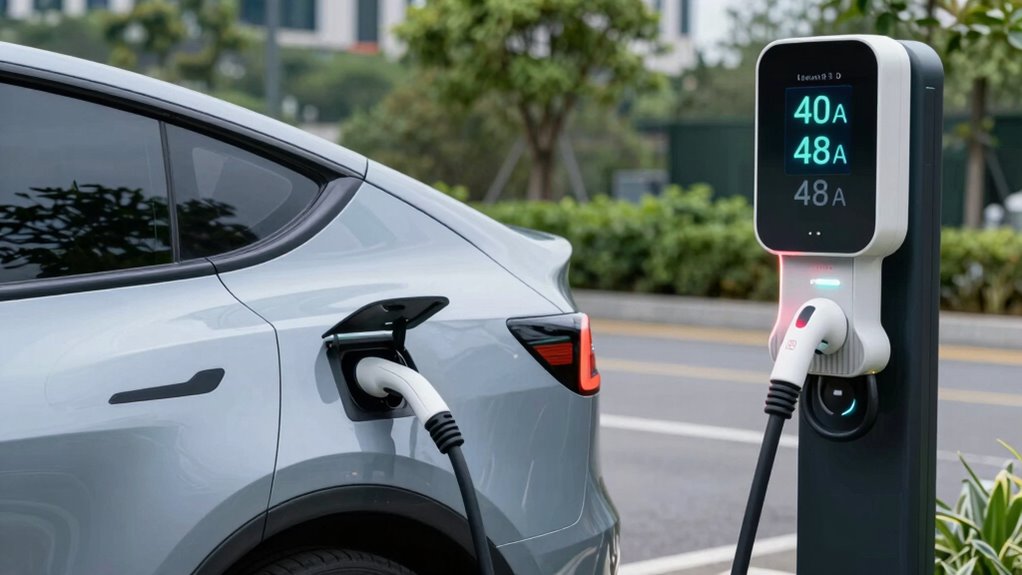
Level 2 chargers are indispensable for efficient electric vehicle (EV) charging because they deliver faster power than standard Level 1 chargers. They play a pivotal role in the charging infrastructure, making electric driving more practical for daily use. By providing higher power levels, they reduce charging time, helping you get back on the road sooner. Their energy efficiency ensures that you’re making the most of your energy consumption, minimizing waste and lowering costs. With a reliable Level 2 charger, you can charge your EV comfortably overnight or during work hours, supporting your lifestyle without inconvenience. As part of a growing charging infrastructure, these chargers are essential for encouraging wider EV adoption and improving overall energy sustainability. High refresh rates and low input lag also make Level 2 chargers suitable for use in various environments, including those that require quick turnaround times. Additionally, understanding the difference between 40A and 48A levels helps optimize charging performance for your specific needs. Knowing the power capacity of your charger can further influence charging speed and efficiency, ensuring you choose the best option for your vehicle and usage habits. Moreover, the compatibility with different EV models ensures that you get the most efficient charging experience tailored to your vehicle’s needs. A clear understanding of these charging specifications can help prevent potential issues and ensure optimal performance.

EMPORIA Level 2 EV Charger w/ J1772 Connector — 48 Amp, 240V WiFi Enabled Electric Vehicle Charging Station, 25ft Cable, NEMA 14-50, White
Up to 9x Faster Charging Speed: The Emporia electric vehicle charger provides up to 46 miles/hour charging speed…
As an affiliate, we earn on qualifying purchases.
As an affiliate, we earn on qualifying purchases.
What Does Amperage Mean for EV Chargers (40A vs. 48A)
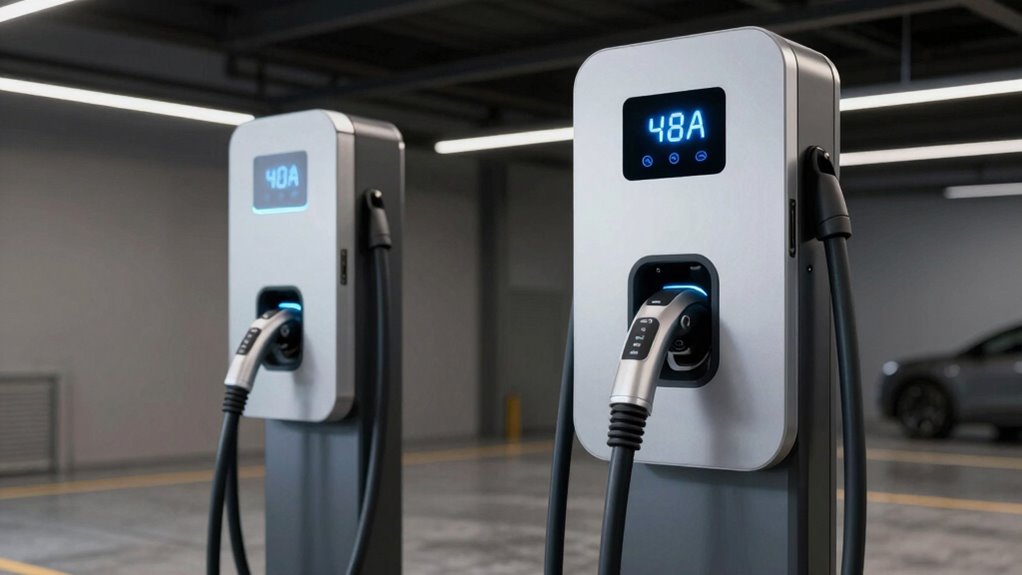
Amperage determines how much current a charger can deliver to your EV, directly impacting charging speed. Higher amperage ratings mean more electrical capacity, allowing your vehicle to charge faster. A 40A charger provides a certain level of power, suitable for standard home charging needs. Moving up to a 48A charger increases electrical capacity, enabling quicker charging times without overloading your home’s electrical system. Understanding amperage is essential because it reflects the maximum current the charger can supply safely. While higher amperage levels like 48A can improve charging efficiency, they also require compatible wiring and circuit breakers to handle the increased load. Proper electrical wiring is crucial to support higher amperage chargers safely and efficiently. Additionally, considering Free Floating options in your setup can optimize your overall charging experience. Being aware of electrical compatibility is crucial to ensure your home’s wiring can support higher amperage chargers safely. Choosing the right amperage depends on your vehicle’s charging capacity and your home’s electrical setup. Ensuring your electrical system is properly configured is vital to prevent potential overloads and ensure safe operation.

VDLPOWERVP Level 2 EV Charger, 11.5KW /50A Fast Wall Home Charging Station, 27.3ft Charging Cable with Smart App (WiFi), 240V EV Charger with NEMA 14-50, EVSE J1172 Connector for Electric Car EC51B
48-50A POWERFUL LEVEL 2 CHARGING : VDLPOWERVP level 2 ev charger equipped wiht 240V NEMA 14-50 plug which…
As an affiliate, we earn on qualifying purchases.
As an affiliate, we earn on qualifying purchases.
How Do Amperage Levels Affect Charging Speed and Efficiency
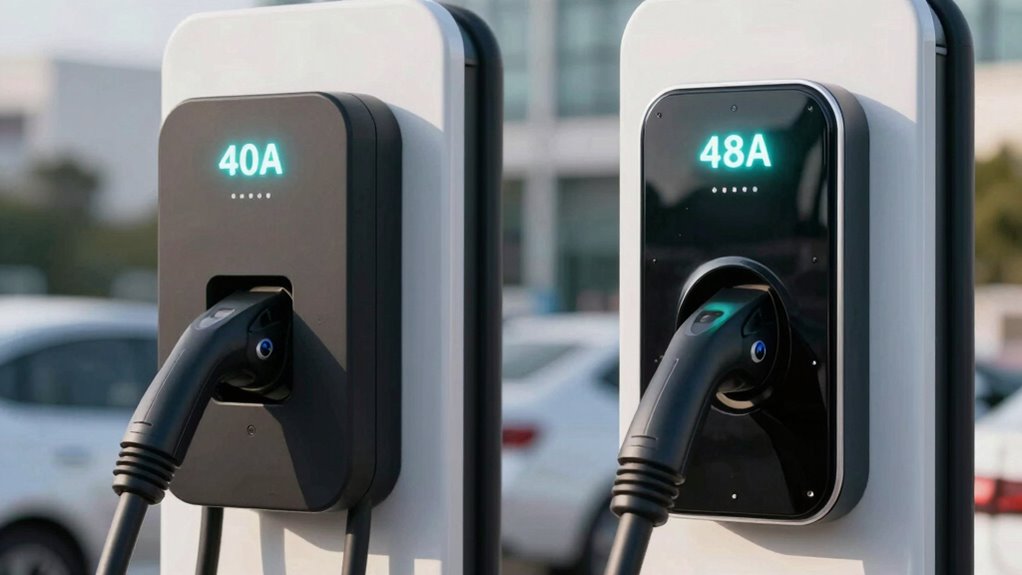
Higher amperage levels enable your EV charger to deliver more current, which directly speeds up the charging process. With increased amperage, your vehicle can draw power faster, reducing overall charging time. This improvement depends on the quality of the charging infrastructure and whether your electrical system can handle the higher load safely. Higher amperage chargers can boost efficiency by more effectively converting electrical energy into usable power for your EV. However, it’s essential to prioritize electrical safety; ensuring your wiring and circuit breakers support the amperage level prevents hazards. While higher amperage generally means quicker charging, the actual speed also depends on your vehicle’s onboard charger and the overall infrastructure. Always consult a professional to match your setup with the correct amperage for maximum safety and performance.

ChargePoint HomeFlex Level 2 EV Charger J1772 – Fast Smart Battery Power Charging at Home for Electric Automobile Vehicles – Hardwired for Electric Car
Charge with Confidence: ChargePoint builds reliable, flexible EV charging stations for home, business, and fleets. Get 24/7 support…
As an affiliate, we earn on qualifying purchases.
As an affiliate, we earn on qualifying purchases.
Do Higher Amperage Chargers Always Offer Faster Charging?
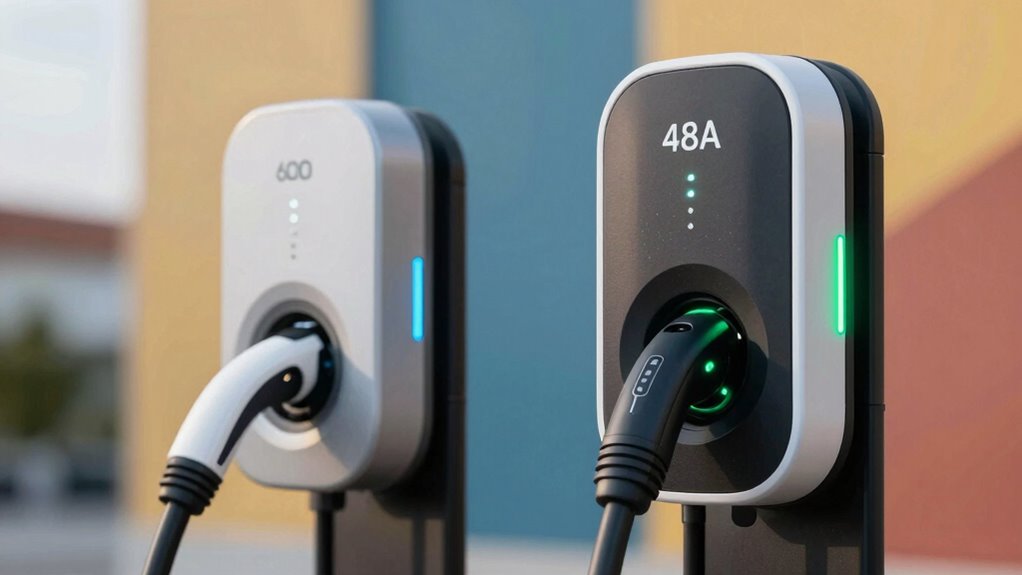
While increasing the amperage of your EV charger can speed up charging in many cases, it doesn’t always guarantee faster charging for your vehicle. Several factors influence actual charging speed:
- Charging infrastructure: Your charger’s compatibility with your vehicle’s maximum input limits impacts speed. Charging standards determine how well different chargers and vehicles communicate and optimize charging.
- Vehicle’s onboard charger: If your car can’t handle higher amperage, you’ll see no benefit.
- Energy efficiency: Higher amperage doesn’t necessarily mean more efficient charging; energy losses can offset speed gains.
- Battery state and temperature: The battery’s health and temperature regulate how fast it can safely charge, regardless of amperage.
- Charging protocols: The communication standards between your charger and vehicle also affect how quickly charging occurs.
Always consider these factors alongside amperage to determine if a higher-rated charger will truly deliver faster charging for you.
Pros and Cons of 40A vs. 48A Level 2 Chargers
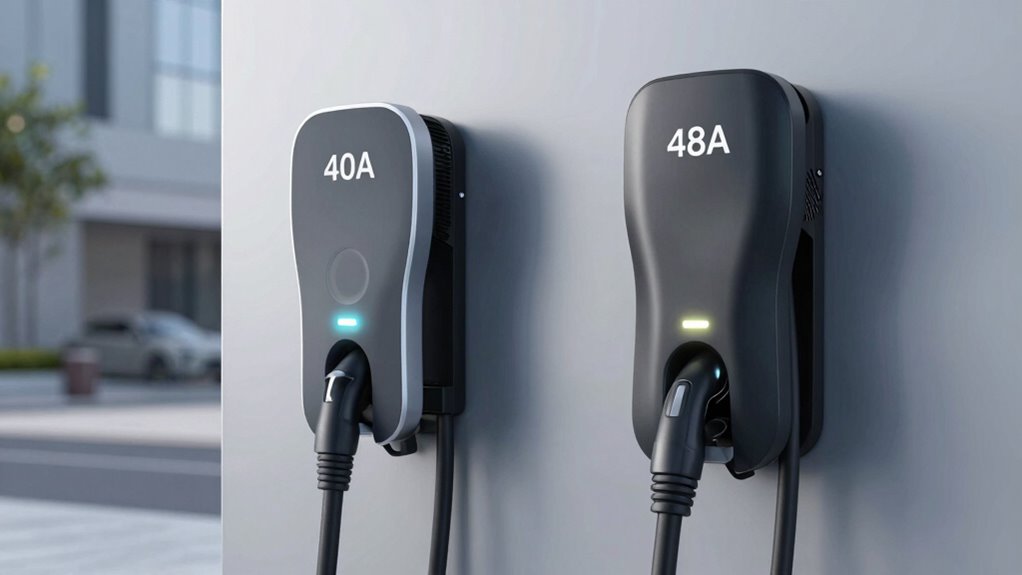
When comparing 40A and 48A chargers, you’ll want to contemplate their charging speeds and how quickly they can top off your vehicle. Installation costs and the wiring requirements also play a role in your decision. Understanding these pros and cons helps you choose the best option for your needs and budget. Additionally, consider how the charger supports work-life harmony by fitting seamlessly into your daily routine and reducing stress associated with charging delays. A higher amperage charger may offer faster charging times, which can contribute to future economic benefits by minimizing downtime. Evaluating system compatibility ensures that your home electrical setup can safely accommodate the charger’s power draw, preventing potential issues.
Charging Speed Differences
The charging speed of a Level 2 charger considerably impacts how quickly your EV can be replenished, making it an important factor to contemplate. A 48A charger delivers roughly 11.5 kW, while a 40A charger provides about 9.6 kW. This means:
- The 48A charger can add about 30% more range per hour of charging.
- Faster charging reduces downtime, ideal for busy schedules.
- Higher amperage chargers demand more robust charging infrastructure.
- They also require greater consideration of grid capacity to prevent overloads.
While the speed difference is noticeable, ensure your charging infrastructure and grid can handle the higher power, or you might face limitations that negate the benefits of faster charging.
Installation and Cost Factors
Installing a 40A Level 2 charger generally costs less and is easier to set up, making it a practical choice for many homeowners. The lower amperage reduces the strain on your electrical panel capacity, often avoiding costly upgrades. When considering charging station placement, a 40A unit offers flexibility since it typically requires less space and simpler wiring. In contrast, a 48A charger may demand more extensive electrical work, especially if your current panel isn’t rated for higher loads. Budget-friendly installation is a key advantage of 40A units, but if you plan to upgrade your EV or want faster charging, a 48A charger might be worth the extra investment. Overall, your electrical infrastructure and budget influence the best choice for your installation.
Will My EV Support 40A or 48A Chargers? Compatibility Tips
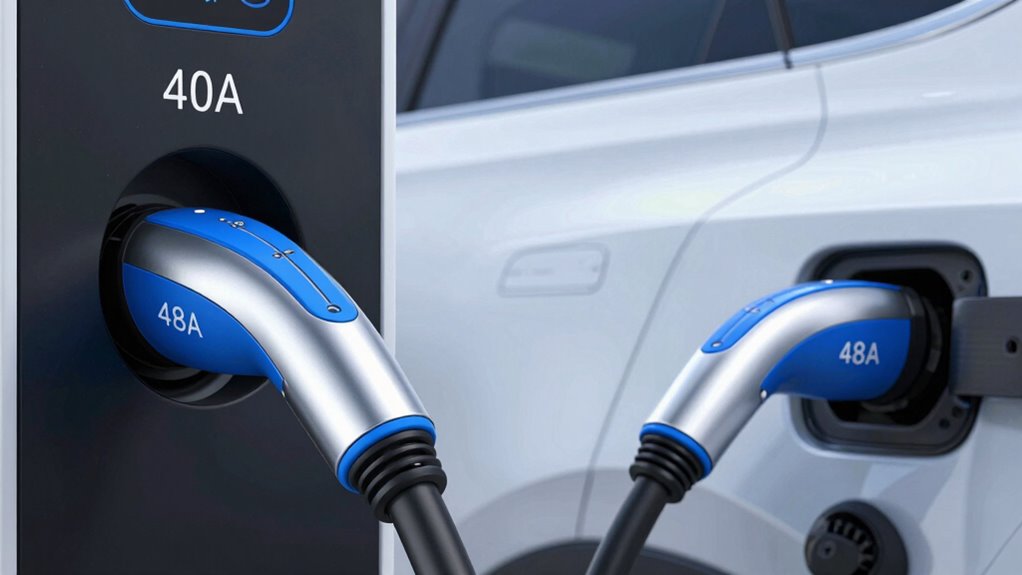
To guarantee your EV can handle a 40A or 48A charger, check its onboard charging capacity. You’ll also need to verify that your charging station meets the electrical requirements for the desired amperage. Making these adjustments helps you charge safely and efficiently without compatibility issues. Additionally, staying informed about market trends and insights can help you better understand potential changes in charging technology and standards.
Vehicle Power Compatibility
Understanding whether your EV can handle a 40A or 48A charger depends on its built-in onboard charger and electrical system. Your vehicle’s battery capacity influences how much power it can safely draw, affecting charging speed. Additionally, the charging infrastructure must support your EV’s power limits. To determine compatibility, consider these points:
- Check your EV’s maximum AC charging rate in the user manual.
- Verify if your onboard charger supports 40A or 48A charging.
- Ensure your electrical system’s wiring can handle the higher amperage.
- Confirm the vehicle’s battery capacity is optimized for faster charging without damage.
- Remember that charging station compatibility is essential for a seamless charging experience.
Matching your EV’s power capabilities with the right charger ensures efficient, safe charging and helps you avoid potential electrical issues.
Charging Station Requirements
Knowing your vehicle’s power limits is just the first step; confirming your charging station meets those requirements is equally important. Check that the station’s amperage aligns with your EV’s capabilities to avoid overloading or underperformance. A compatible charger not only ensures charger safety but also maximizes energy efficiency, saving you time and money. Many charging stations are adjustable or come with settings to support different amperages, so verify your station’s specifications before installation. Proper wiring and circuit breakers are essential for safety and compliance. If unsure, consult your vehicle’s manual or a professional installer. Using the right station prevents potential damage, ensures safe operation, and optimizes charging speed, giving you peace of mind and reliable performance. Additionally, understanding charging station compatibility can help you select the most suitable equipment for your specific vehicle model and electrical setup. Being aware of large number conversions can also assist in budgeting and planning your charging infrastructure effectively. Being informed about power limits can help prevent costly electrical issues and ensure your setup remains safe and efficient. To ensure optimal performance, regularly monitor your charging setup and keep it updated with the latest safety standards and manufacturer recommendations. Furthermore, understanding electrical specifications can aid in troubleshooting and maintaining your charging system over time.
Costs and Installation Factors for 40A and 48A Chargers
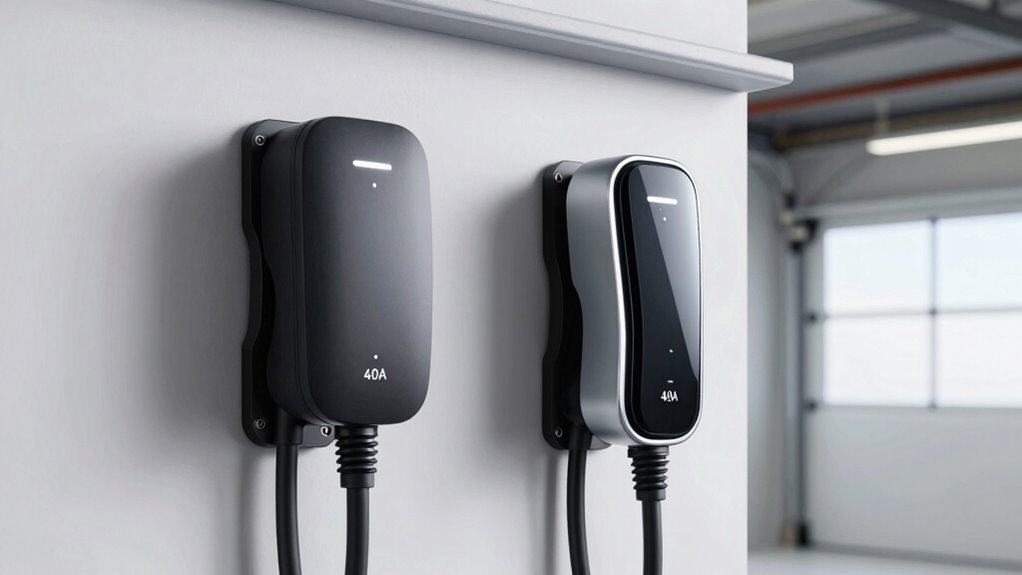
Installing a 40A or 48A Level 2 charger involves different costs and setup requirements that can impact your overall investment. The higher the power capacity, the more complex and costly the installation becomes. Here are some key factors to consider:
- Electrical Panel Upgrades: A 48A charger might require upgrading your existing electrical panel to handle increased load.
- Wiring Costs: Longer or specialized wiring can increase installation expenses, especially for 48A chargers.
- Permits and Inspections: Higher capacity chargers often need additional permits, adding to costs.
- Charging Station Cost: Typically, 48A chargers are more expensive than 40A models, reflecting their increased power capacity.
- Safety Considerations: Ensuring proper safety measures during installation is essential to prevent electrical hazards and optimize charger performance.
Understanding these factors ensures you’re prepared for the total investment involved in installing your charging station.
How to Choose the Right Level 2 Charger for Your EV
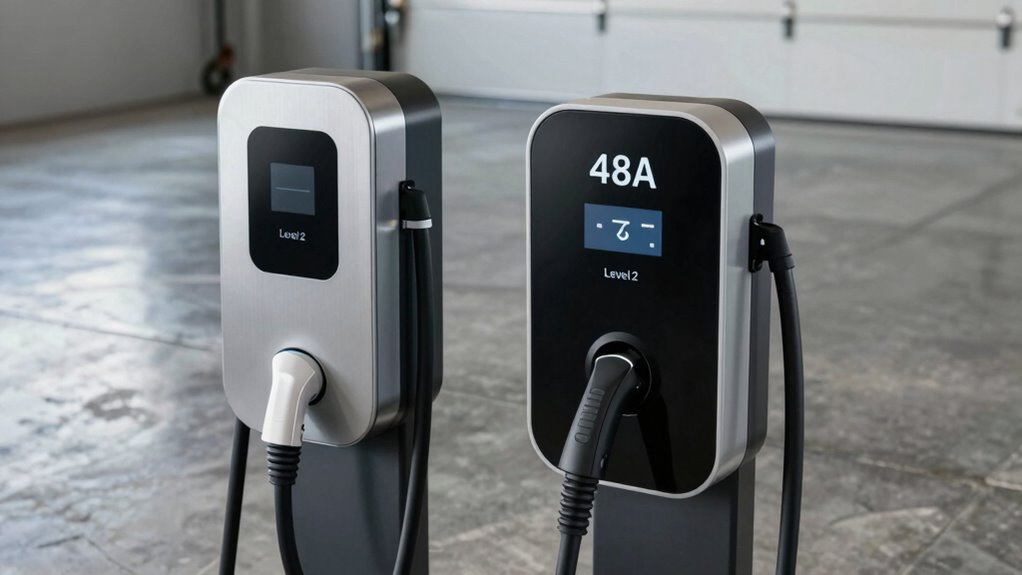
Choosing the right Level 2 charger for your EV depends on your driving habits, electrical setup, and future needs. Start by considering charging station placement—whether you’ll install it in your garage, driveway, or a dedicated parking area—to guarantee convenient access. Evaluate your daily driving distance to determine if a 40A or 48A charger best fits your charging speed requirements. Additionally, prioritize user safety considerations, such as proper wiring, grounding, and weatherproofing if outdoor installation. Check your home’s electrical capacity to support the charger without overloading circuits. Matching your charger’s amperage to your vehicle’s capabilities and your household’s electrical system will optimize safety and efficiency. Properly planning for solar system safety ensures your charging setup remains secure and efficient as your energy needs grow. Conducting a thorough electrical assessment can help prevent overloading circuits, safeguarding both your home and your vehicle. This careful assessment helps you select a charger that aligns with your lifestyle and minimizes potential hazards.
Next Steps: Installing and Optimizing Your Level 2 Charger
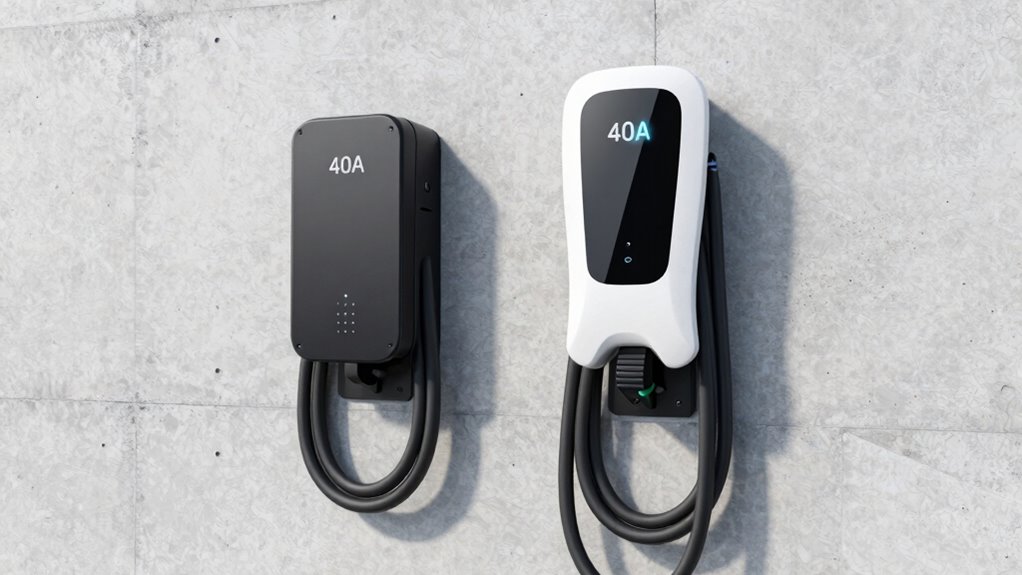
Once you’ve selected the right Level 2 charger for your needs, the next step is to guarantee a safe and proper installation. To optimize your charging infrastructure and ensure reliable power delivery, consider these steps:
- Hire a licensed electrician to assess your electrical system and handle installation.
- Verify your circuit can support your charger’s amperage, especially for 40A vs. 48A units.
- Install dedicated wiring and a suitable breaker to prevent overloads.
- Program your charger for power optimization, balancing charging speed with energy efficiency.
This approach ensures your EV charger functions safely, efficiently, and reliably, maximizing its benefits and extending its lifespan. Proper installation and configuration are key to seamless, optimized charging experience.
Frequently Asked Questions
Can I Upgrade My Existing Charger From 40A to 48A?
Yes, you can upgrade your existing charger from 40A to 48A, but you need to verify charger compatibility first. Your electrical system must support the increased current, and you’ll need to follow proper upgrade procedures, which might involve upgrading wiring or circuit breakers. Consult a licensed electrician to ensure the upgrade is safe and compliant with electrical codes. Proper assessment guarantees your charger performs efficiently and safely at the higher amperage.
How Does Ambient Temperature Affect Charging Efficiency?
Ambient temperature is like the weather for your charger—extreme heat or cold can slow down its performance. When it’s hot, your charger needs extra cooling to prevent overheating, which can reduce charging efficiency. Cold temperatures might make the process sluggish too. To keep everything running smoothly, make certain proper cooling requirements are met, especially in extreme temperatures, so your charging stays efficient and reliable regardless of the weather outside.
Are There Safety Concerns Switching Between 40A and 48A Chargers?
Switching between 40A and 48A chargers generally isn’t unsafe if you follow proper safety protocols and guarantee charger compatibility. Always verify that your vehicle’s charging port and electrical system can handle the higher current. Use certified chargers, avoid damaged cables, and follow manufacturer instructions. Properly switching minimizes risks like overheating or electrical faults, making your charging process safe and efficient.
Does Charger Amperage Impact Long-Term Battery Health?
Your charger’s amperage can influence your battery’s longevity and charging cycles. Higher amperage chargers, like 48A, can charge your battery faster, but frequent rapid charging might accelerate wear over time. Using a charger that matches your vehicle’s recommended amperage helps preserve your battery’s health, extending its charging cycles and overall lifespan. So, choose the right level to balance convenience and long-term battery performance.
What Are the Warranty Differences Between 40A and 48A Chargers?
Your warranty coverage varies between 40A and 48A chargers, depending on manufacturer policies. Generally, higher-amperage chargers like the 48A may come with more thorough warranties due to their advanced features, but it is crucial to check each manufacturer’s specific policies. Some brands might offer longer coverage or better support for 48A models, so you should review the warranty details carefully before making your choice to make certain it aligns with your needs.
Conclusion
Choosing between 40A and 48A chargers is like picking the right gear for a smooth ride—you want the perfect fit for your EV’s needs. While higher amperage can boost your charging speed, it’s not always the fastest solution for everyone. Consider your vehicle, budget, and home setup to find your ideal match. With the right charger, you’ll keep your EV running like a well-tuned engine, ready for the road ahead.