If your EV charger keeps tripping your GFCI unexpectedly, it’s often caused by tiny leakage currents, moisture, or wiring issues that aren’t actually dangerous. Environmental factors or overly sensitive GFCI models can also lead to false trips. To prevent this, check for moisture, inspect connections, and test the GFCI regularly. If problems persist, knowing when to call an electrician helps guarantee safety and proper troubleshooting. Continue with us for more helpful guidance.
Key Takeaways
- Moisture, corrosion, or environmental factors can cause minor leakage currents, triggering false GFCI trips during EV charging.
- Excessively sensitive or faulty GFCI outlets may falsely trip from normal electrical noise or small leaks.
- Regular testing with the GFCI’s built-in test button helps identify if it is functioning correctly.
- Ensuring proper wiring, secure connections, and dry conditions reduces nuisance trips.
- Persistent false trips require professional inspection to check for wiring issues or actual ground faults.

Klein Tools RT250 GFCI Outlet Tester with LCD Display, Electric Voltage Tester for Standard 3-Wire 120V Electrical Receptacles
CLEAR LCD READOUT: GFCI Receptacle Tester features a large backlit LCD readout for easy voltage reading and clear…
As an affiliate, we earn on qualifying purchases.
As an affiliate, we earn on qualifying purchases.
Why Does My GFCI Trip When Charging My EV?
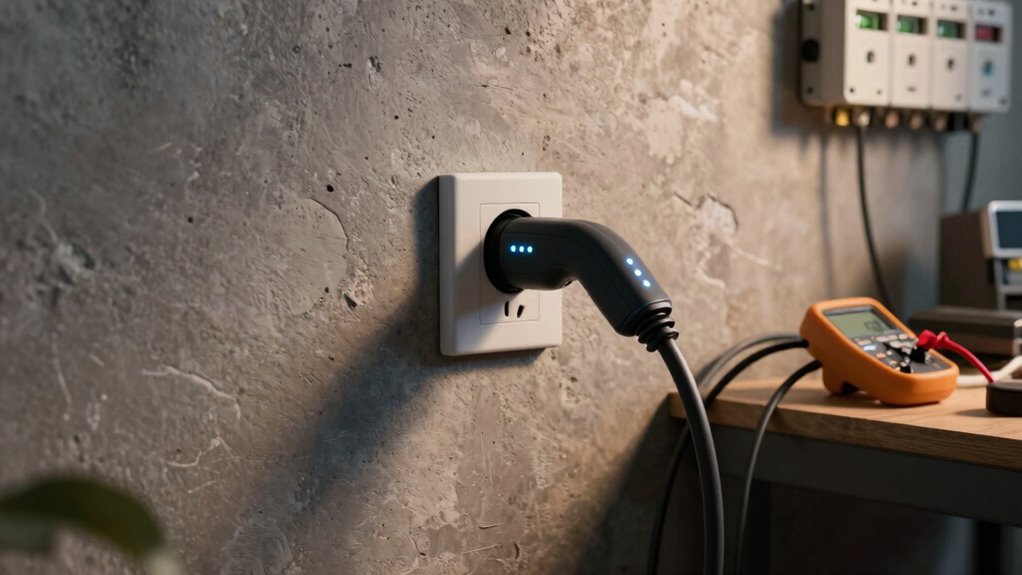
If your GFCI trips when you plug in your electric vehicle (EV), it’s likely because the charging process introduces small leaks of current that the GFCI detects as a ground fault. During charging, tiny amounts of current may escape the wiring or insulation, creating a potential ground fault. The GFCI’s primary role is to protect your electrical safety by sensing these imbalances and shutting off power to prevent electric shock. Since EV chargers draw significant current, even minor current leaks can trigger the GFCI. This doesn’t necessarily mean there’s a direct fault or danger, but it does mean the GFCI is doing its job to ensure safety. Understanding this helps you recognize that occasional trips are often normal during EV charging, not necessarily a sign of faulty wiring. Additionally, variations in ground fault detection sensitivity among GFCI devices can influence how often trips occur during EV charging. Recognizing the electrical characteristics of your charger can also help determine if the trips are within normal parameters.

WenStorm 50A 21ft J1772 EV Extension Cable, Level 2 EV Charger Extension Cord, Heavy-Duty 240V EV Extension Cable for Fast Charging (21FT)
Extended Charging Reach – Park Freely, Charge Anywhere: Add 21FT reach with this extra long EV charging cable….
As an affiliate, we earn on qualifying purchases.
As an affiliate, we earn on qualifying purchases.
How Can I Test If My GFCI Outlet Is Working?
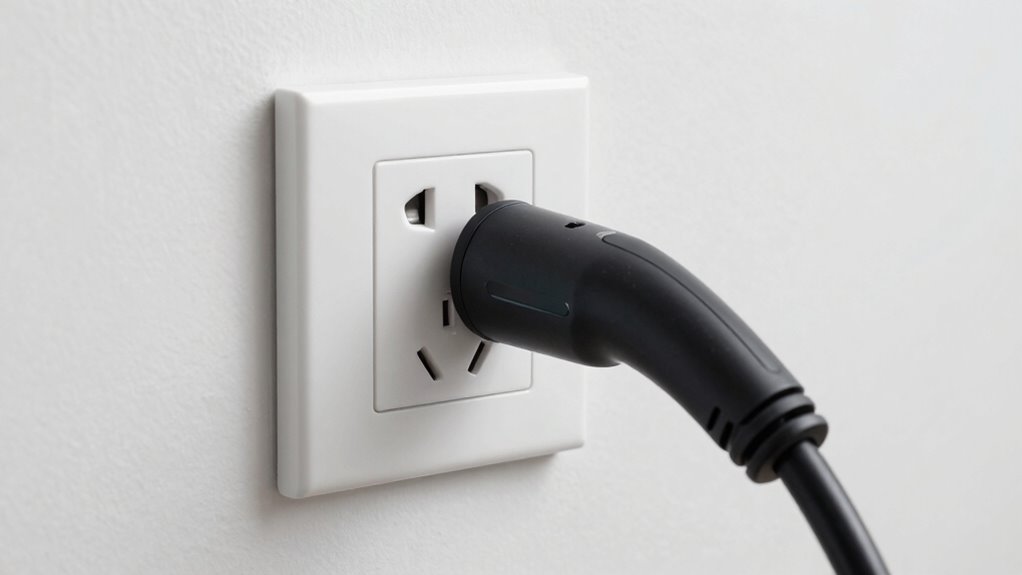
To verify your GFCI outlet is working properly, you should perform a simple test using the built-in test and reset buttons. First, press the test button, which simulates a ground fault by creating a small leakage current. If your GFCI is functioning correctly, it should trip immediately, cutting power to the outlet. Then, press the reset button to restore power. This circuit testing confirms that the GFCI can detect ground faults and trip as intended. If the outlet doesn’t trip during the test or won’t reset afterward, it may be faulty or need replacement. Regular testing guarantees your GFCI provides the safety protection it’s designed for, especially when charging your EV or using high-current appliances. Additionally, understanding air purifier maintenance dos and don’ts can help ensure your home’s safety and air quality. Performing these tests periodically helps maintain the ground fault detection capabilities of your GFCI, ensuring reliable protection over time. Incorporating proper testing procedures can further enhance your confidence in the GFCI’s performance and overall home safety.

Leviton GFCI Weather-Resistant Outlet, 15 Amp, Self Test, Tamper-Resistant with LED Indicator Light, Outdoor Locations, GFWT1-W, White
Designed to improve immunity for reduced High Frequency (HF) nuisance tripping. providing increased compatibility with appliances and other…
As an affiliate, we earn on qualifying purchases.
As an affiliate, we earn on qualifying purchases.
What Causes Nuisance GFCI Trips During EV Charging?
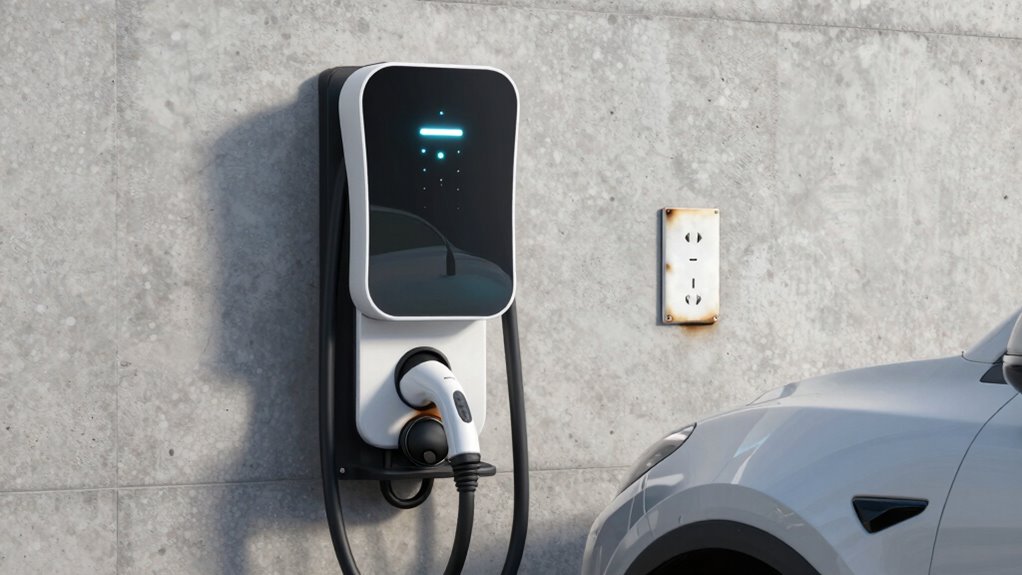
Nuisance GFCI trips during EV charging often happen because electrical noise or small leakage currents trigger the outlet’s ground-fault detection. These minor leaks can originate from a true ground fault or moisture issues that create unintended paths to ground. Moisture can enter connections or the EV charger, causing tiny currents that the GFCI interprets as a fault. Sometimes, electrical noise from nearby devices or wiring irregularities causes false triggers. To understand this better, consider the table below:
| Cause | Explanation |
|---|---|
| Small leakage currents | Slight current flow due to moisture or wiring issues |
| Moisture issues | Water intrusion causing unintended ground paths |
| Electrical noise | Interference from other electrical devices |
| Ground fault | Actual fault needing attention |
| Sensitive GFCI | Excessively responsive units prone to false trips |
This highlights how moisture and electrical noise can mimic a ground fault, leading to nuisance trips. Additionally, understanding ground-fault detection mechanisms can help in diagnosing and preventing false alarms. Being aware of electrical interference sources can further aid in troubleshooting false trips caused by external factors. Recognizing leakage current patterns can also assist in identifying the root causes of nuisance trips and ensuring safe operation. Proper cabling solutions and regular inspections can further reduce the likelihood of false trips due to wiring issues or environmental factors.
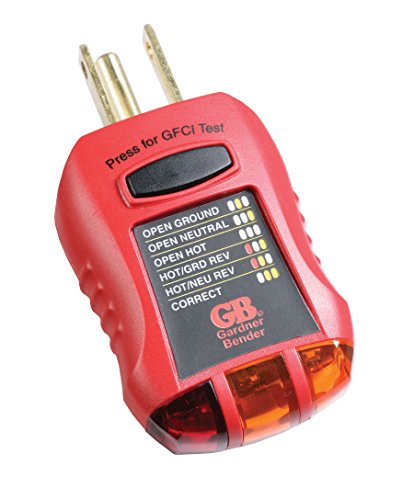
Gardner Bender GFI-3501 Ground Fault Receptacle Tester & Circuit Analyzer, 110-125V AC, for GFCI / Standard / Extension Cords & More, 7 Visual LED Tests , Red
Tests: standard outlets, GFCI outlets, extension cords
As an affiliate, we earn on qualifying purchases.
As an affiliate, we earn on qualifying purchases.
Easy Tips to Prevent False GFCI Trips When Charging
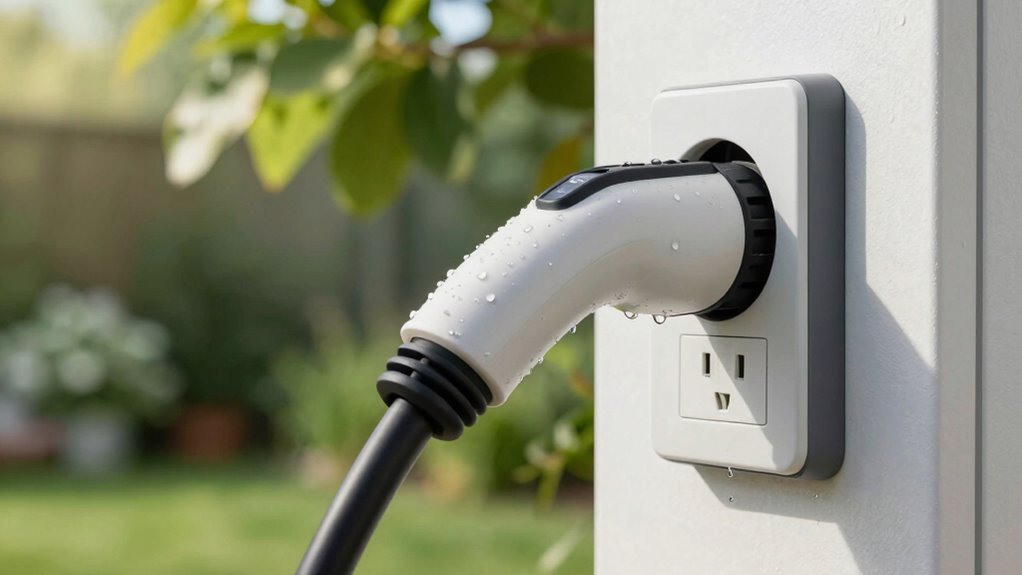
You can reduce false GFCI trips during EV charging by taking simple, proactive steps to keep your setup clean and secure. First, inspect your wiring for any issues, such as loose connections or damaged insulation, which can cause unwanted ground faults. Ensure all wiring is properly grounded and free of corrosion or debris. Use high-quality, compatible GFCI outlets designed for EV chargers, and avoid daisy-chaining multiple devices that may overload the circuit. Keep the charging area dry and free of dust or dirt that could interfere with the electrical components. Regularly test your GFCI with the built-in test button to verify proper operation. Additionally, maintaining proper indoor humidity levels can help prevent moisture buildup around electrical connections. Proper wiring integrity is essential for preventing ground faults that lead to nuisance trips. Ensuring the quality of electrical components can also significantly reduce the chances of false trips caused by faulty or substandard parts. Routine inspections of your electrical system, including inspecting and replacing worn components, can further help minimize false trips caused by wiring issues or ground faults, ensuring safer and more reliable charging sessions.
When Should I Call an Electrician for GFCI or EV Charger Problems?
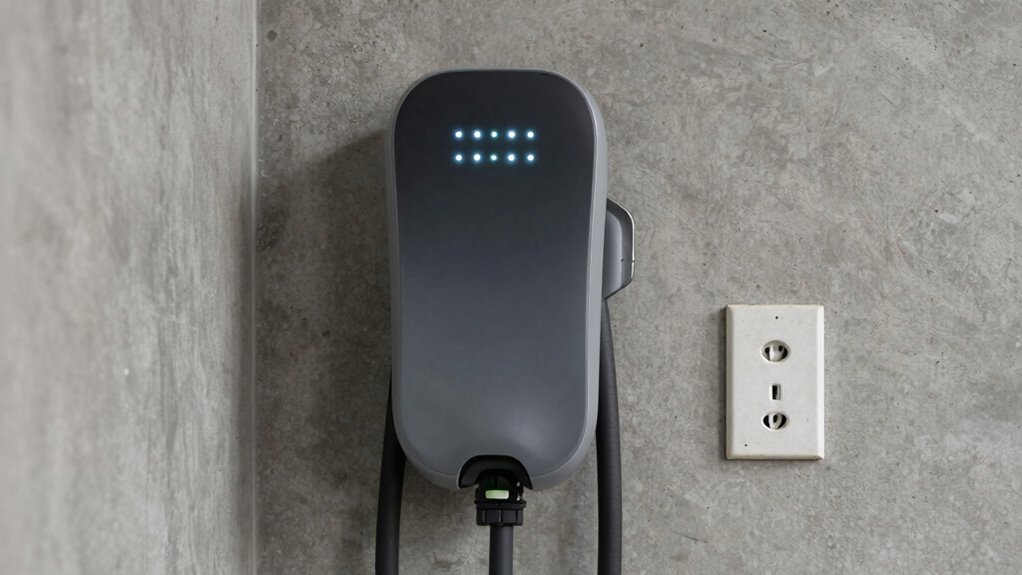
Recognizing when to call an electrician is essential for maintaining safe and reliable GFCI and EV charging setups. If you notice persistent nuisance trips, frequent circuit overloads, or signs of a ground fault, it’s time to seek professional help. You should call an electrician if:
- The GFCI continues to trip despite resetting, indicating a potential ground fault.
- You experience frequent circuit overloads when charging your EV.
- There’s visible damage or burning smell near outlets or wiring.
- GFCI or breaker trips occur immediately after plugging in, suggesting wiring issues or ground faults.
Handling these problems yourself can be dangerous; a qualified electrician can diagnose and fix underlying issues safely, ensuring your system’s integrity and your safety. Additionally, understanding essential DIY tools and safety tips can help you better communicate with professionals and perform basic inspections safely. Proper wiring practices are crucial to prevent future issues and ensure your system’s safety and reliability. Being aware of ground fault detection methods can also aid in early problem identification and prevention. Regular system inspections can help catch issues before they become serious, saving you time and money.
Frequently Asked Questions
Can Using an Extension Cord Cause GFCI Trips During EV Charging?
Yes, using an extension cord can cause GFCI trips during EV charging. Extension cord hazards include poor grounding and damaged wiring, which increase the risk of ground faults. These faults can trigger the GFCI to trip, interrupting the charge. To prevent this, avoid extension cords, and perform ground fault testing regularly on your setup. Always use proper, rated cords and ensure your connections are secure and in good condition.
Are Certain EV Charger Models More Prone to Nuisance GFCI Trips?
Did you know nearly 60% of EV owners report nuisance GFCI trips? Some EV charger models are more prone to these trips due to compatibility issues and electrical noise interference. If your charger isn’t well-matched to your circuit or produces excessive electrical noise, it may trip your GFCI repeatedly. To reduce trips, choose chargers compatible with your outlet and consider noise filters or upgraded GFCI devices.
Do GFCI Outlets Require Special Maintenance for EV Charging Safety?
Yes, GFCI outlets need regular maintenance for safe EV charging. You should perform GFCI testing monthly to guarantee proper function and inspect outlets for signs of wear or damage. If you notice frequent nuisance trips, consider resetting the breaker or replacing the outlet. Proper maintenance helps prevent electrical issues, keeps your charger functioning correctly, and ensures your safety during charging sessions.
How Does the Local Environment Affect GFCI Trip Frequency?
In damp environments or areas with lots of electrical chatter, GFCI trips more often. Ground moisture can create tiny leaks that trigger the device, while electrical noise from nearby appliances or wiring can cause false alarms. To reduce nuisance trips, verify your GFCI is properly installed, keep the area dry, and minimize electrical interference. Regular inspections help maintain reliable protection, giving you peace of mind during EV charging.
Is It Safe to Ignore Occasional GFCI Trips While Charging My EV?
Ignoring occasional GFCI trips while charging your EV isn’t safe because a ground fault could be indicating a real electrical safety issue. Even if it seems minor, these trips protect you from electric shock or fire hazards. Instead of dismissing them, troubleshoot the cause—such as moisture, damaged wiring, or faulty equipment—to ensure your charging setup remains safe and reliable. Always prioritize electrical safety and consult a professional if needed.
Conclusion
Think of your GFCI as a vigilant lighthouse, guiding you safely through electrical storms. When it trips unexpectedly, it’s like the light flickering out—causing confusion. But with proper testing, understanding causes, and smart precautions, you can keep the beacon steady. Your EV charger’s safe operation is within reach, just like a steady lighthouse standing tall amid the waves. Trust your knowledge and expert help when needed, and your charging journey stays smooth and bright.