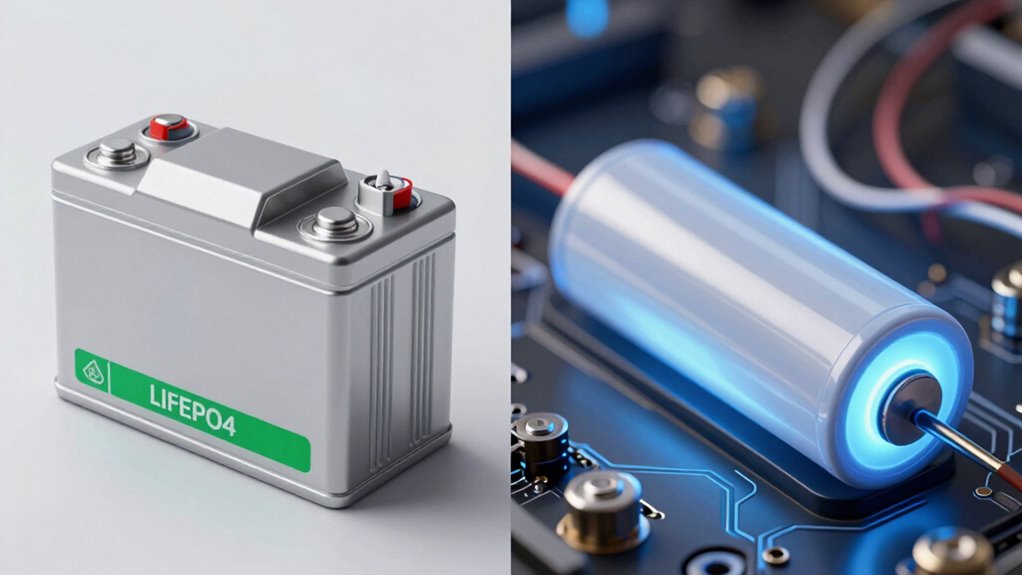

LiFePO4 batteries typically last much longer than lithium-ion ones because they have a superior chemistry, offering over 2,000 charge cycles compared to 500-1,000 for lithium-ion. They’re safer, more thermally stable, and resistant to wear, making them ideal for long-term use. Although they may be bulkier and cost more upfront, their durability saves money over time. If you want to learn more about how these differences affect longevity, keep exploring the details.
Key Takeaways
- LiFePO4 batteries typically last over 2,000 charge cycles, more than double the 500–1,000 cycles of most lithium-ion batteries.
- LiFePO4 maintains capacity and performance longer due to its stable chemistry and resistance to degradation.
- Lithium-ion batteries often degrade faster under high usage or temperature stress, reducing their overall lifespan.
- Proper maintenance extends LiFePO4 lifespan significantly, whereas lithium-ion batteries are more sensitive to overcharging and deep discharges.
- Overall, LiFePO4 batteries generally have a longer, more durable service life compared to traditional lithium-ion chemistries.

12V 100Ah Lithium Battery,LiFePO4 Battery Built-in 100A BMS Protect,Group 31 Deep Cycle Portable Power,Lithium Iron Phosphate Battery for Trolling Motors,Yacht, Marine,RV, Home Energy (1 Pack-100Ah)
【Longer Lifetime】Eiiev12.8V 100Ah LiFePO4 battery provides 4000~15000 cycles (10 times longer) 4000 Time Cycles at 100% DOD, 6000…
As an affiliate, we earn on qualifying purchases.
As an affiliate, we earn on qualifying purchases.
What Is LiFePO4 Chemistry and How Does It Differ From Lithium-Ion?
LiFePO4, or lithium iron phosphate, is a type of lithium-ion battery that uses a different cathode material than traditional lithium-ion batteries. This change regarding battery chemistry gives LiFePO4 batteries unique properties, especially concerning voltage stability. Unlike other lithium-ion chemistries, LiFePO4 maintains a more consistent voltage throughout its discharge cycle, which means your device gets a steady power supply. This stability reduces risks of voltage swings that can harm electronic components. Additionally, the chemistry of LiFePO4 makes it safer and more thermally stable, decreasing the chance of overheating or combustion. Overall, these differences in battery chemistry and voltage stability make LiFePO4 a reliable choice for applications demanding consistent performance and enhanced safety.

NOCO GENIUS1: 1A 6V/12V Smart Battery Charger – Automatic Maintainer, Trickle Charger & Desulfator with Overcharge Protection & Temperature Compensation – for Lead-Acid & Lithium Batteries
MEET THE GENIUS1 — Similar to our G750, just better. It's 35% smaller and delivers over 35% more…
As an affiliate, we earn on qualifying purchases.
As an affiliate, we earn on qualifying purchases.
Which Batteries Last Longer? Comparing Lifespan and Cycle Life
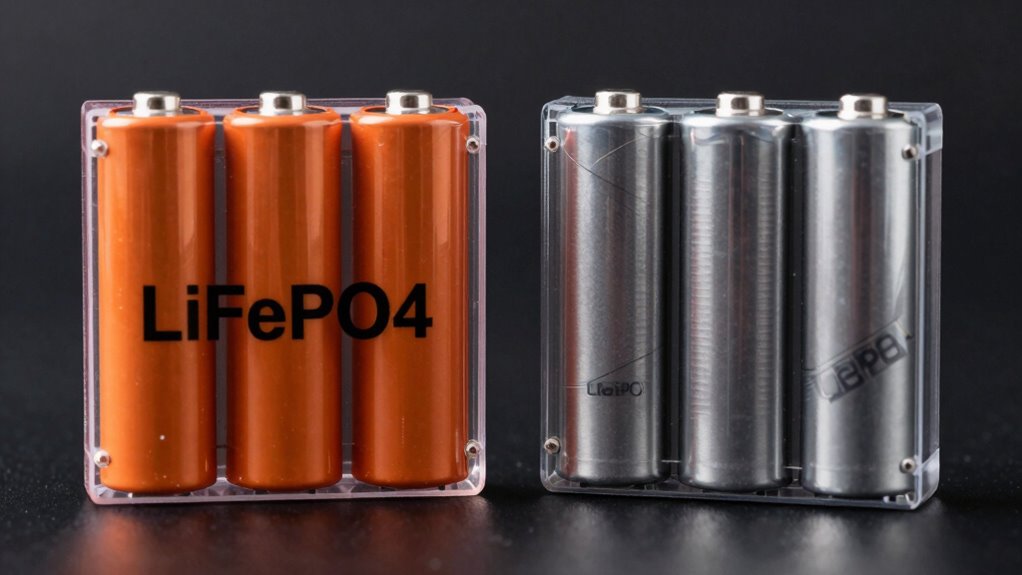
When comparing the longevity of different battery types, cycle life—the number of complete charge and discharge cycles a battery can undergo before its capacity drops markedly—becomes a key factor. LiFePO4 batteries typically offer a longer cycle life, often exceeding 2,000 cycles, which means they maintain a higher battery capacity over time. In contrast, lithium-ion batteries usually provide around 500 to 1,000 cycles before noticeable capacity loss. Charging speed also influences lifespan; faster charging can strain the battery, reducing its cycle life. If you prioritize longevity, LiFePO4 batteries are more durable and retain their capacity longer, even with frequent use. Proper battery maintenance—including correct charger settings and low-voltage cutoff—can further extend their lifespan. Additionally, battery chemistry impacts the overall stability and safety of the battery over its lifespan. Understanding battery degradation mechanisms helps in making informed choices for long-term use. Recognizing the importance of thermal management is also crucial, as temperature fluctuations can accelerate battery wear. Implementing effective thermal regulation can significantly improve the overall lifespan and performance of the batteries. Overall, their combination of extended cycle life and stable battery capacity makes them a smarter choice for long-term applications.

POWJIELI 14430 LiFePO4 500mAh 3.2V Rechargeable Solar Batteries (4-Pack) for Solar Garden Lights,Toothbrush,Flashlight, Shaver(NOT AA Battery)
Key Specifications: POWJIELI 14430 LiFePO4 rechargeable battery (3.2V, 500mAh, diameter is 0.55 inches, height is 1.69 inches) –…
As an affiliate, we earn on qualifying purchases.
As an affiliate, we earn on qualifying purchases.
How Do Performance and Safety Impact Battery Durability?
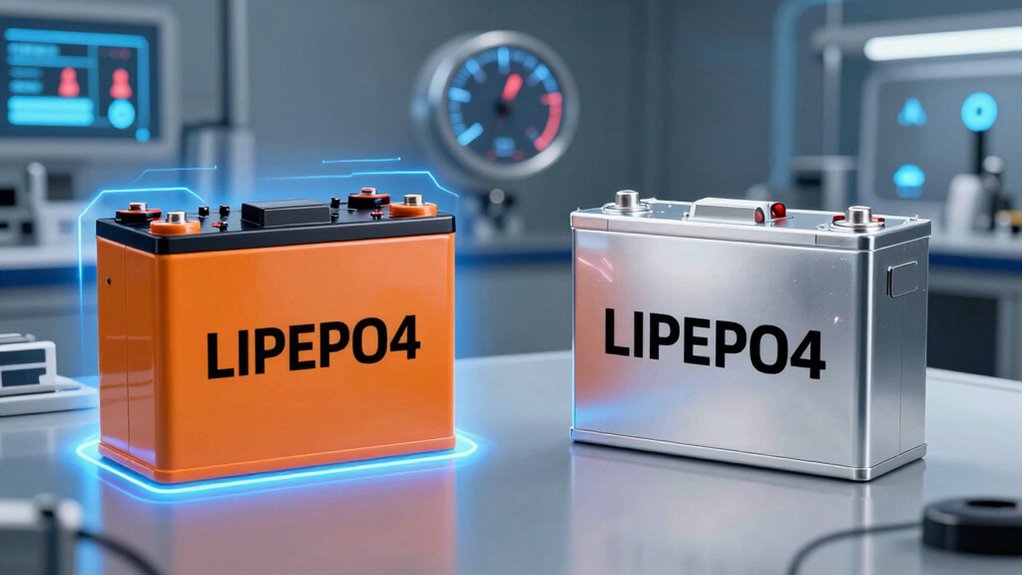
Performance and safety features play a crucial role in determining a battery’s durability because they directly influence how well the battery can operate under various conditions and how resistant it is to damage. High-quality battery manufacturing ensures better materials and construction, reducing the risk of failures and extending lifespan. Safety measures, like thermal management and built-in protections, prevent overheating and fires, which can cause irreversible damage. These factors improve overall durability and reliability. When considering cost analysis, investing in batteries with superior performance and safety features often results in fewer replacements and repairs, saving you money long-term. Additionally, free floating designs can enhance safety by reducing the risk of leaks and internal damage. Proper battery maintenance also plays a vital role in prolonging the life of both LiFePO4 and lithium-ion batteries. Furthermore, selecting batteries with advanced safety features can significantly reduce the likelihood of catastrophic failures. Ultimately, batteries that prioritize performance and safety withstand daily use better, ensuring longevity and consistent operation over time.

EZRED BMK1914 5-Piece Battery Maintenance Kit
BATTERY MAINTENANCE KIT: This kit includes every tool that you'll need to service or change a battery in…
As an affiliate, we earn on qualifying purchases.
As an affiliate, we earn on qualifying purchases.
Is LiFePO4 Safer Than Lithium-Ion Batteries? Safety Risks Explained
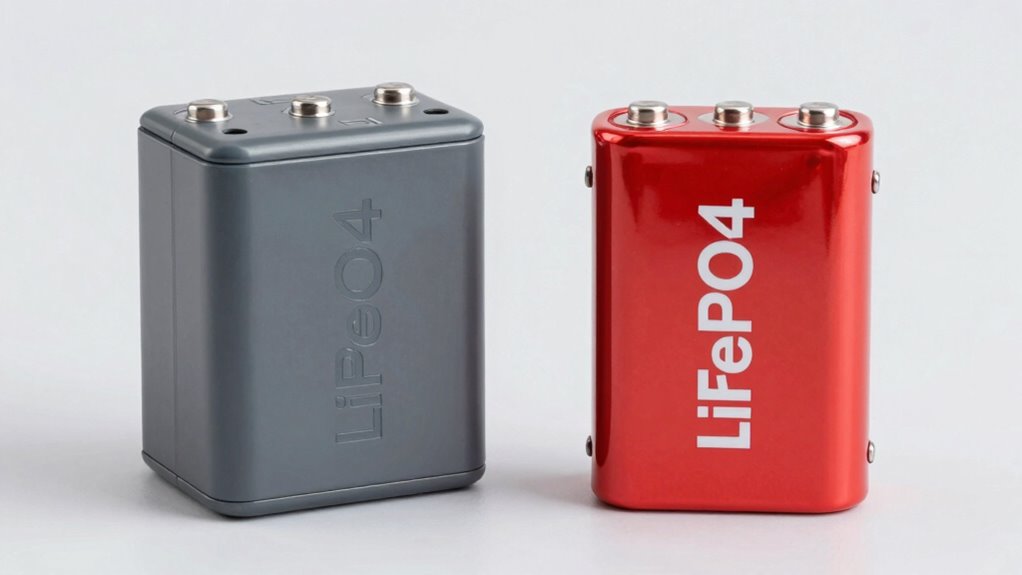
You might wonder if LiFePO4 batteries are safer than lithium-ion ones, especially when it comes to fire risks. LiFePO4 cells have better thermal stability, making them less likely to overheat or catch fire. This means your safety is generally improved with LiFePO4, but understanding the differences is key. Additionally, the horsepower of electric dirt bikes can influence the heat generated during use, impacting safety considerations. Recognizing thermal stability differences helps in assessing overall battery safety and performance. Proper piercing care and hygiene during maintenance can also prevent issues that compromise safety and longevity. Maintaining battery integrity through proper handling and storage is essential to minimize safety risks, especially considering the advancements in battery technology that continually improve safety features.
Thermal Stability Differences
LiFePO4 batteries are generally considered safer than traditional lithium-ion batteries due to their superior thermal stability. They resist heat buildup better, reducing the risk of thermal runaway and overheating. This improved heat resistance ensures better thermal safety during operation and charging. To understand these differences clearly, consider this table:
| Feature | Lithium-Ion | LiFePO4 | Impact |
|---|---|---|---|
| Heat Resistance | Moderate | High | Less likely to overheat |
| Thermal Safety | Moderate risk | Safer due to stability | Lower risk of fire or explosion |
| Temperature Range | -20°C to 60°C | -20°C to 60°C | Similar but safer in high temps |
| Heat Dissipation | Less efficient | More efficient | Better heat management |
| Safety Risks | Higher potential for thermal runaway | Lower potential | Safer overall |
This table highlights the key thermal safety and heat resistance differences, making LiFePO4 a safer choice. Additionally, LiFePO4’s thermal stability contributes significantly to its enhanced safety profile, especially in demanding environments. Furthermore, the thermal safety properties of LiFePO4 are particularly advantageous in applications where safety is paramount.
Risk of Fire
Because LiFePO4 batteries are more thermally stable, they pose a lower risk of catching fire compared to traditional lithium-ion batteries. This reduced fire hazard addresses key safety concerns, making them a safer choice for many applications. Lithium-ion batteries can overheat or short-circuit, potentially leading to fires or explosions if damaged or improperly handled. In contrast, LiFePO4’s stable chemistry minimizes these risks, even under stressful conditions. While no battery is completely risk-free, LiFePO4’s inherent safety features markedly lower the chance of fire incidents. Additionally, battery chemistry stability plays a crucial role in preventing thermal runaway and ensuring safer operation. Proper battery management systems further enhance safety by monitoring and controlling voltage and temperature levels. Implementing safety features such as venting mechanisms and shutdown protocols can also significantly reduce potential hazards. Increased awareness of thermal stability helps in designing safer energy storage solutions. Moreover, ongoing advancements in battery technology continue to improve safety standards across various energy storage systems. If safety is a top priority, especially in high-stakes environments, LiFePO4 batteries offer peace of mind by reducing safety concerns associated with fire hazards.
Does a Longer Battery Life Justify the Cost? Value and Investment Considerations
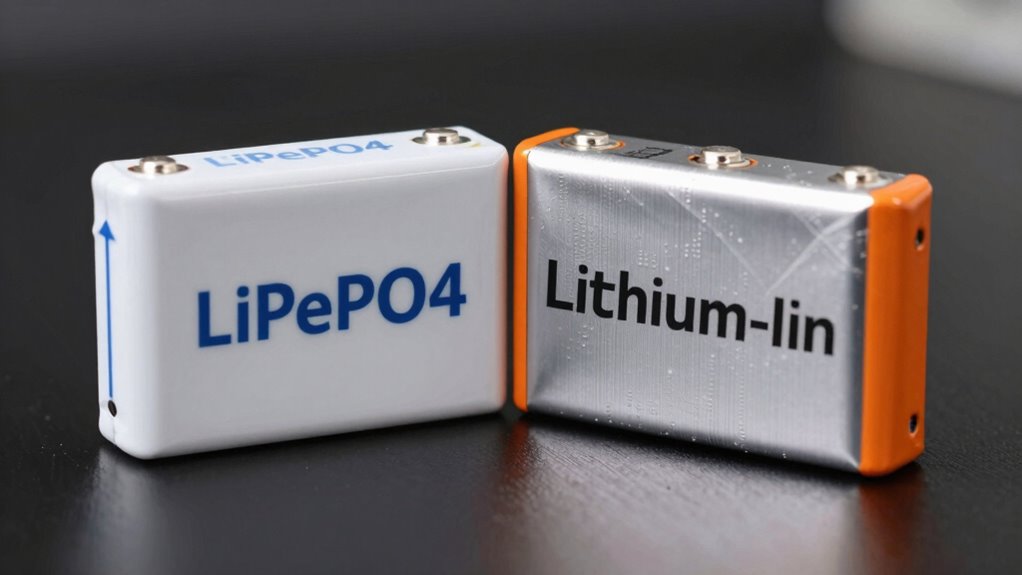
Is investing in a longer-lasting battery worth the higher upfront cost? It depends on your needs and how you evaluate value. Conducting a thorough cost analysis helps you compare initial expenses with long-term savings. While LiFePO4 batteries often have a higher purchase price, their extended lifespan can reduce replacement costs over time. Additionally, brand reputation matters; reputable brands typically ensure better quality, durability, and customer support, which can justify the extra investment. If you plan to use the battery extensively or over many years, paying more upfront might save you money in the long run. However, if your usage is limited, a less expensive option could be more practical. Ultimately, balancing your budget with the expected lifespan will help determine if the investment makes sense for you.
Which Batteries Are Best for Your Needs? Practical Applications and Durability
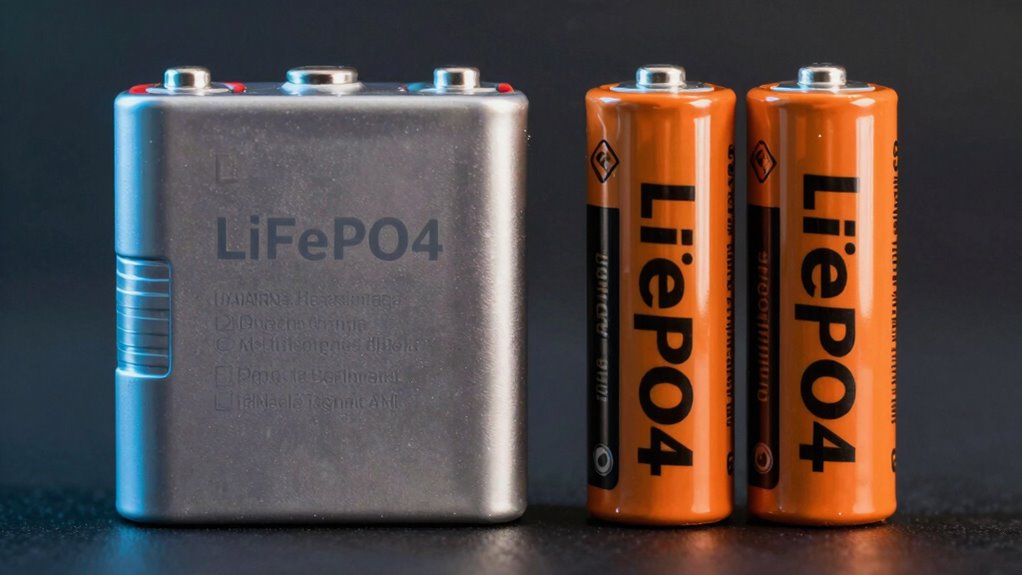
Choosing the right battery depends on your specific needs, from application suitability to durability. You’ll want to contemplate how long the battery lasts, how many charge cycles it can handle, and its safety and environmental impact. By understanding these factors, you can select the best option for your situation. For example, some regions like Saratoga Springs highlight the importance of natural beauty and sustainability, which can influence preferences for eco-friendly battery options.
Application Suitability Factors
When selecting a battery for your specific needs, understanding their practical applications and durability is essential. If you need a battery with high energy density for portable devices or electric vehicles, lithium-ion batteries excel due to their compact size and lightweight design. However, their shorter lifespan and safety concerns mean they require careful handling and proper battery recycling at end-of-life. On the other hand, LiFePO4 batteries offer better thermal stability and longer cycle life, making them ideal for stationary storage or solar systems where durability matters most. While their energy density is lower, their stability reduces the risk of overheating and fire hazards. Additionally, the thermal stability of LiFePO4 batteries makes them less prone to thermal runaway, a critical safety advantage in many applications. Choosing between these options depends on balancing energy density, safety, and how often you’ll need to replace or recycle the battery. Additionally, considering battery longevity is crucial for ensuring long-term reliability and minimizing maintenance costs. Proper battery maintenance practices can further extend the lifespan of both chemistries, optimizing your investment over time. Understanding battery chemistry helps in making informed decisions tailored to your specific application requirements.
Longevity and Cycle Life
LiFePO4 batteries generally offer a longer cycle life than lithium-ion batteries, making them a better choice for applications that demand durability over time. They typically withstand 2,000 to 3,000 charge cycles, maintaining higher battery capacity throughout their lifespan. In contrast, lithium-ion batteries usually last around 500 to 1,000 cycles before capacity diminishes markedly. This increased cycle life means fewer replacements and lower long-term costs, despite higher initial manufacturing costs for LiFePO4. If your priority is longevity and consistent performance over many years, LiFePO4 batteries are the smarter option. Their durability makes them ideal for applications like solar energy storage, electric vehicles, and backup power systems, where long-lasting performance outweighs upfront expenses.
Environmental and Safety Considerations
While both LiFePO4 and lithium-ion batteries have their advantages, their environmental and safety profiles differ markedly. LiFePO4 batteries are inherently safer; they are less prone to thermal runaway and fires, reducing safety risks during use and disposal. Additionally, their battery manufacturing involves fewer toxic materials, making them more environmentally friendly. Recycling processes for LiFePO4 batteries are simpler and less hazardous, often resulting in a lower environmental impact. Lithium-ion batteries, on the other hand, contain volatile electrolytes that pose safety concerns, especially if damaged or improperly handled. Their recycling processes are more complex due to the presence of valuable metals like cobalt and nickel, which require specialized procedures. Overall, if safety and environmental impact are priorities, LiFePO4 batteries present significant advantages.
How Do These Batteries Affect the Environment Long-Term? Recycling and Sustainability
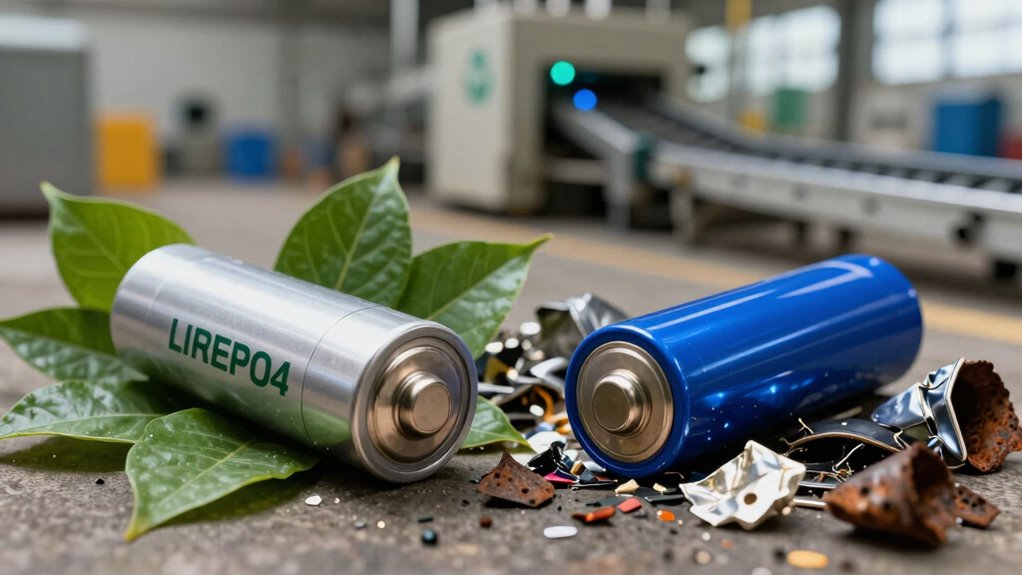
Both LiFePO4 and lithium-ion batteries have significant long-term environmental impacts, especially when it comes to recycling and sustainability. The recycling processes for lithium-ion batteries can be complex, often leaving valuable materials unrecovered, which increases environmental impact. LiFePO4 batteries, however, contain fewer toxic elements, making recycling somewhat easier and less harmful. Proper disposal and recycling are vital to reduce pollution and conserve resources. If you don’t, hazardous chemicals might leach into the soil and water, harming ecosystems. Additionally, the extraction of raw materials for these batteries contributes to environmental degradation. Improving recycling technologies and establishing sustainable supply chains can help minimize these impacts, ensuring that the benefits of battery technology don’t come at the planet’s expense in the long run.
How Can You Maximize Battery Lifespan? Maintenance Tips for Longevity
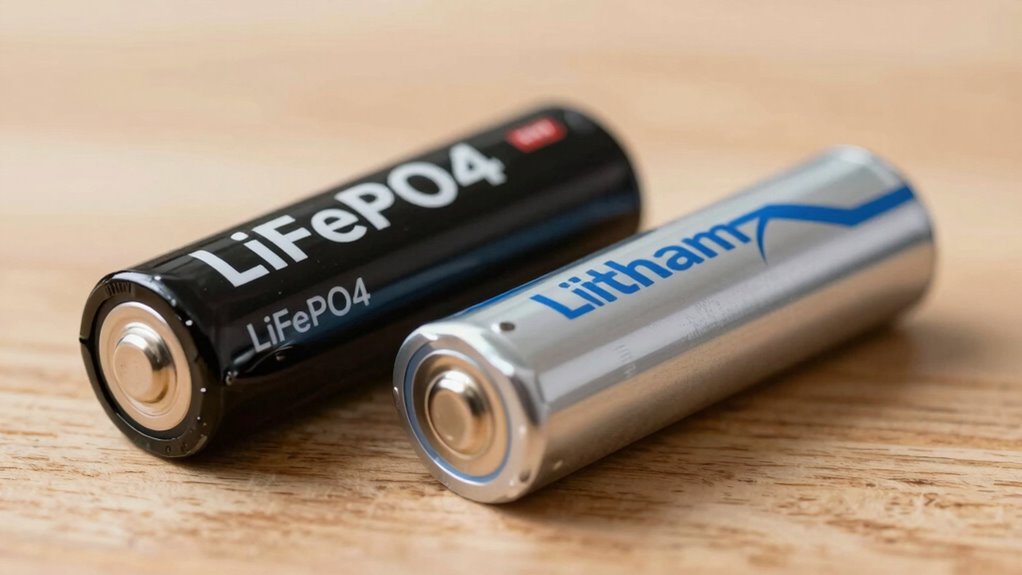
To maximize your battery’s lifespan, proper maintenance is essential. Good battery maintenance ensures you get the most out of your investment and extends its lifespan. Here are three key tips for lifespan optimization:
- Keep your battery between 20% and 80% charge to prevent overcharging or deep discharges that can harm the chemistry.
- Avoid exposing your battery to extreme temperatures; store and operate within recommended ranges.
- Regularly monitor and calibrate your battery to ensure accurate charge readings and prevent unnecessary wear.
Following these practices helps maintain battery health and longevity. Consistent maintenance reduces degradation, saving you money and hassle in the long run. Remember, a well-maintained battery performs better and lasts longer, making lifespan optimization a priority.
Final Verdict: Which Battery Chemistry Offers the Most Durability for Your Use?
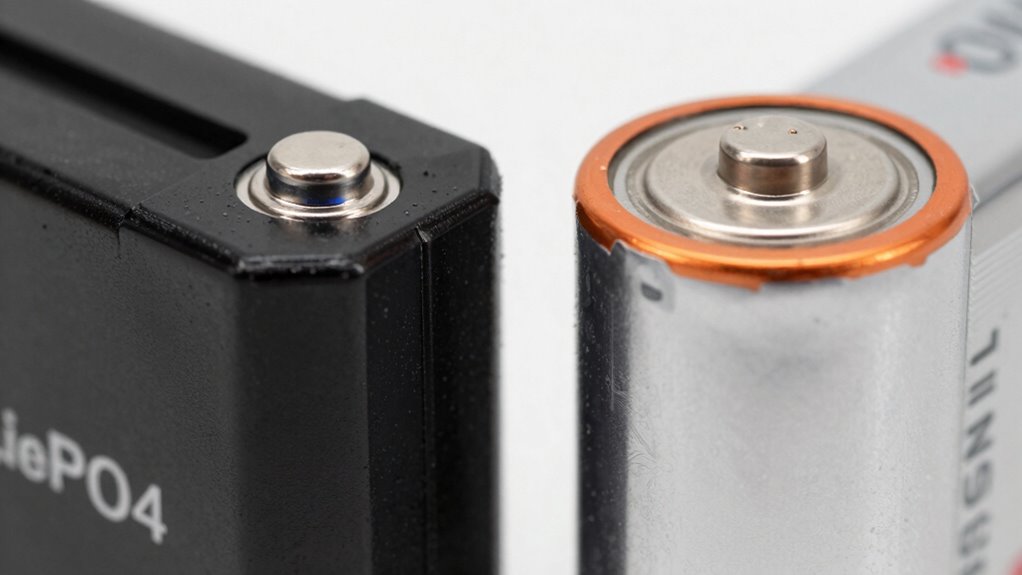
Choosing the right battery chemistry depends on your specific needs for durability and longevity. When comparing battery chemistry, consider the performance comparison between LiFePO4 and lithium-ion batteries. LiFePO4 batteries typically last longer, with more charge cycles and better thermal stability, making them ideal for demanding applications. Lithium-ion batteries may offer higher energy density but tend to degrade faster over time. If durability is your priority, LiFePO4 is the clear winner, providing consistent performance over an extended period. However, if you need lightweight and compact batteries with higher energy storage, lithium-ion might suit your needs better. Ultimately, your choice hinges on balancing performance, lifespan, and application requirements to find the most durable option for your specific use.
Frequently Asked Questions
How Do Temperature Variations Affect Lifepo4 and Lithium-Ion Battery Longevity?
Temperature variations impact both LiFePO4 and lithium-ion batteries by affecting their thermal stability and lifespan. Excessive heat accelerates chemical reactions, causing faster capacity loss, while cold temperatures reduce performance temporarily. Frequent temperature cycling stresses the battery’s components, shortening its overall longevity. You should keep your batteries within recommended temperature ranges, avoid rapid temperature changes, and store them properly to maximize their lifespan and maintain ideal thermal stability.
Are There Specific Charging Protocols to Extend Battery Lifespan?
You can extend your battery’s lifespan by following proper charging protocols, like minimizing deep discharge cycles and avoiding overcharging. Keep the voltage within recommended limits through voltage regulation, especially during fast charging. Using a charger designed for your specific battery chemistry helps maintain ideal charging cycles. Regularly monitoring temperature and avoiding extreme conditions also guarantees your battery stays healthy longer, maximizing its overall longevity and performance.
What Factors Influence the Resale Value of Batteries Over Time?
Oh, your battery’s resale value? Well, it’s all about market demand and brand reputation—like judging a book by its cover, but in tech form. If folks still crave that power, and your brand’s name screams quality, you’ll score top dollar. Conversely, neglecting maintenance or choosing lesser-known brands? Prepare for a value plummet faster than a smartphone battery drain. Prioritize quality and demand, and your battery’s worth stays high.
Can Battery Chemistry Impact Compatibility With Various Devices?
Yes, battery chemistry can impact compatibility with your devices. Different chemistries, like LiFePO4 or traditional lithium-ion, vary in voltage, size, and charging requirements, affecting device integration. You need to check your device’s specifications to make certain it supports the battery chemistry you choose. Using incompatible batteries may lead to performance issues or damage, so understanding these compatibility factors helps you select the right battery for maximum device operation.
How Do Warranty Terms Differ Between Lifepo4 and Lithium-Ion Batteries?
You’ll notice warranty coverage often differs between LiFePO4 and lithium-ion batteries, mainly due to manufacturer policies. LiFePO4 batteries typically come with longer warranties, sometimes up to 10 years, thanks to their durability and safety features. Lithium-ion batteries may have shorter warranties, around 1-3 years, because of faster degradation risks. Always check the specific manufacturer policies to understand what’s covered and for how long before making your choice.
Conclusion
Think of choosing a battery like selecting a trusty steed—some are built for long journeys, others for quick sprints. Lithium Iron Phosphate (LiFePO4) is the steady, durable companion that lasts longer and stays safer on the trail. While it might cost a bit more upfront, its resilience means you’ll enjoy more adventures without frequent replacements. Ultimately, pick the battery that matches your ride—long-lasting, safe, and ready to carry you further.