TL;DR

Get business pricing on monitors, keyboards and dev gear
- Business-only prices and quantity discounts
- Tax-exempt purchasing
- Multiple users, one account, clear invoices
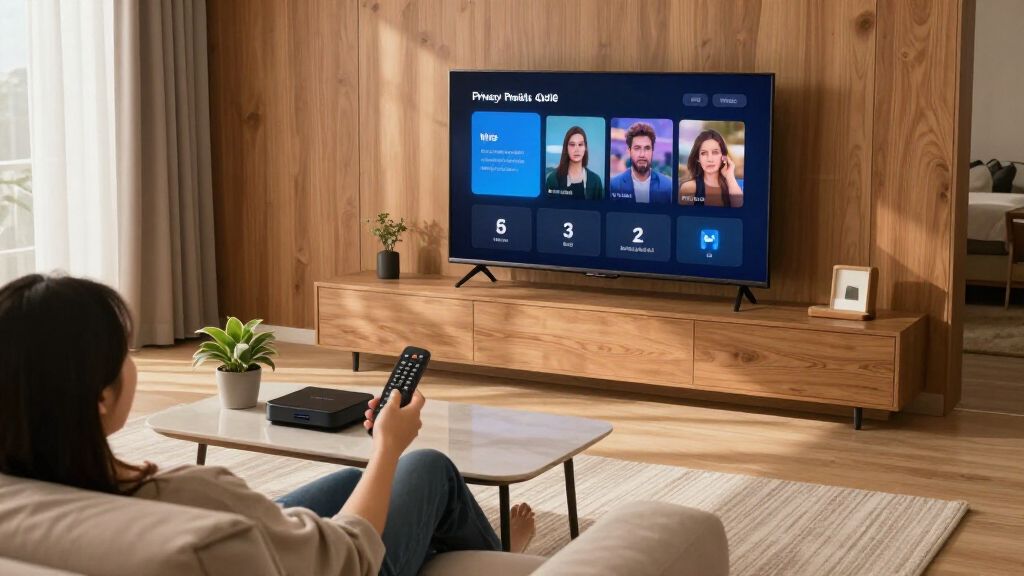
Many smart TVs collect user data and can spy on viewers. This article explains proven steps to limit this tracking, the importance of privacy, and what remains uncertain about ongoing data collection practices.
Consumers can now take concrete steps to prevent their smart TVs from spying on them, as experts highlight privacy risks that many models collect user data without clear consent. This development matters because smart TVs are increasingly embedded in homes, often tracking viewing habits, voice commands, and even microphone activity, raising significant privacy concerns.
Research shows that many smart TV manufacturers embed tracking features that collect data on viewing habits, app usage, and voice commands. Smart TVs and privacy concerns. While some companies disclose data collection practices in their privacy policies, consumers often remain unaware or unable to opt out effectively. Experts advise that users can limit or disable these features through settings, firmware updates, or by using external devices.
One common method involves accessing the TV’s privacy or data collection settings, where users can turn off voice recognition, personalized ads, and remote data sharing. For more on device privacy controls, see smart device privacy tips. Additionally, disconnecting the TV from the internet or using a VPN can reduce data flow. Physical measures, such as covering microphones or disabling built-in cameras, are also recommended.
However, some features may be integral to the device’s operation, and disabling them could affect functionality. Furthermore, not all manufacturers provide clear options to opt out, and firmware updates may re-enable data collection or change settings without notice. Experts emphasize the importance of reviewing privacy policies and staying informed about device updates.
Why Protecting Your Smart TV Privacy Is Critical
As smart TVs become more prevalent, their potential to spy on users raises serious privacy issues. Unauthorized data collection can reveal personal habits, conversations, and even sensitive information. This data can be used for targeted advertising, sold to third parties, or exploited maliciously. Protecting your privacy helps prevent identity theft, unwanted surveillance, and data breaches, making it a vital concern for consumers.
As an affiliate, we earn on qualifying purchases.
Background on Data Collection and Smart TV Privacy Risks
Smart TVs have evolved from simple display devices to connected platforms capable of tracking user behavior. Reports from consumer advocacy groups and security researchers indicate that many models transmit viewing data, voice commands, and even microphone recordings to manufacturers or third parties. Some companies admit to collecting data for targeted advertising, but transparency remains inconsistent.
In recent years, regulatory scrutiny has increased, with some jurisdictions proposing or enacting laws to limit data collection and improve user control. Despite this, many consumers remain unaware of the extent of data sharing or how to disable it. This context underscores the need for practical steps to safeguard privacy.
As an affiliate, we earn on qualifying purchases.
Unresolved Questions About Smart TV Data Practices
It remains unclear how many manufacturers continue to collect data after users disable settings or disconnect devices from the internet. The extent to which firmware updates can re-enable tracking features without explicit notice is also uncertain. Additionally, the effectiveness of external hardware solutions, like VPNs or microphone covers, varies depending on device model and firmware version. More transparency from manufacturers is needed to fully understand ongoing data practices.
As an affiliate, we earn on qualifying purchases.
Next Steps for Consumers and Regulators
Consumers should review their smart TV’s privacy settings regularly, disable voice recognition and data sharing features, and consider physical privacy measures. Firmware updates should be monitored for changes in privacy options. Regulators may increase oversight, requiring clearer disclosures and stronger opt-out mechanisms. Industry-wide standards for privacy controls could emerge, enhancing user protection.
As an affiliate, we earn on qualifying purchases.
Key Questions
Can I completely stop my smart TV from collecting any data?
While disabling settings like voice recognition and data sharing reduces tracking, some data collection may still occur due to device functions or firmware updates. Using external devices or disconnecting from the internet can further limit data flow, but complete prevention is challenging.
How do I disable data collection on my specific smart TV model?
Check the user manual or settings menu for privacy or data collection options. Turn off voice recognition, personalized ads, and remote data sharing features. If options are unclear, consult manufacturer support or online guides specific to your model.
Does disconnecting my smart TV from the internet stop all data collection?
Disconnecting from the internet can prevent data transmission in many cases, but some functions may require an active connection. Additionally, firmware updates or local network settings might still enable data collection in some models.
Are there external devices that can help protect my privacy?
Yes, using a VPN, microphone covers, or external streaming devices with better privacy controls can help limit data collection. However, these solutions vary in effectiveness depending on the device and setup.
What should I do if my smart TV keeps collecting data despite disabling settings?
Consider disconnecting the device from the internet, using external privacy hardware, or replacing it with a model that offers better privacy controls. Contacting the manufacturer for support or firmware updates may also help.
Source: rss
Halloween Picks
halloween
As an affiliate, we earn on qualifying purchases.