

Next-generation ADAS systems combine advanced sensor fusion, driver monitoring, and V2X connectivity to provide proactive safety. They seamlessly integrate data from cameras, radar, and lidar, giving you a clearer view of your surroundings. Driver monitoring keeps tabs on your attentiveness, while connectivity shares crucial info with other vehicles and infrastructure. These streamlined systems reduce human error and improve response times, acting as your proactive safety partner. Exploring this technology further will reveal how it can transform your driving experience.
Key Takeaways
- Integrates sensor fusion from cameras, radar, and lidar for comprehensive environment awareness.
- Employs driver monitoring to detect fatigue and distraction, issuing timely safety alerts.
- Offers seamless system integration with minimal calibration, reducing false alarms and enhancing response times.
- Utilizes V2X connectivity to share external data, enabling anticipatory hazard detection beyond the vehicle’s line of sight.
- Combines proactive safety features for a reliable, user-friendly system that reduces human error and improves overall road safety.

Advanced Driver Assistance Systems (ADAS) have become essential tools for improving vehicle safety and reducing accidents. These systems now rely heavily on sensor fusion, which combines input from multiple sensors such as cameras, radar, and lidar to create a thorough picture of your environment. By integrating data from various sources, sensor fusion enables your vehicle to detect hazards more accurately and respond swiftly, whether it’s recognizing a pedestrian crossing or an obstacle in your lane. This layered approach minimizes blind spots and enhances situational awareness, giving you greater confidence behind the wheel.
Another critical component of next-generation ADAS is driver monitoring. This technology keeps an eye on your behavior and alertness levels, ensuring you’re paying attention and ready to react. Cameras and infrared sensors track your eye movements, head position, and overall alertness, providing real-time feedback. If your system detects signs of drowsiness or distraction, it can issue warnings or even activate safety measures like lane keeping assist or adaptive cruise control. Driver monitoring acts as an extra layer of protection, helping prevent accidents caused by fatigue or inattentiveness, which are common factors in road incidents.
Modern ADAS systems are becoming more streamlined and intuitive, integrating sensor fusion and driver monitoring seamlessly. Instead of complex setups that require extensive calibration, these systems are designed to work effortlessly in the background, providing a smooth driving experience. You benefit from fewer false alarms and quicker responses because the fused sensor data reduces ambiguity. When combined with driver monitoring, the system can adapt its warnings and interventions based on your current state, making safety features feel more personalized and less intrusive.
Furthermore, these advanced systems are increasingly connected, sharing information with other vehicles and infrastructure through vehicle-to-everything (V2X) technology. This connectivity enhances sensor fusion, allowing your vehicle to anticipate hazards beyond your immediate surroundings. Paired with driver monitoring, this creates a safety network that not only reacts to immediate threats but also predicts and prevents potential accidents before they happen.
In essence, next-generation ADAS simplifies safety technology without sacrificing effectiveness. By leveraging sensor fusion for precise environmental awareness and driver monitoring for behavioral insights, your vehicle becomes a proactive safety partner. This integration offers a more reliable, responsive, and user-friendly experience, helping you stay safer on the road and reducing the chances of accidents caused by human error or limited perception.
Next-Generation ADAS system for cars
As an affiliate, we earn on qualifying purchases.
As an affiliate, we earn on qualifying purchases.
Frequently Asked Questions
How Do Next-Generation ADAS Systems Differ From Current Models?
You’ll notice that next-generation ADAS systems differ by offering better sensor integration, which provides more accurate and all-encompassing data for safety features. They also feature a more intuitive user interface, making it easier for you to understand alerts and control settings. These improvements help you respond faster, enhance driving safety, and create a more seamless experience compared to current models.
What Are the Privacy Implications of Advanced ADAS Data Collection?
You should be aware that advanced ADAS data collection raises significant data privacy and surveillance concerns. These systems gather detailed information about your driving habits, location, and surroundings, which could be misused or compromised. It is crucial to understand how your data is stored, shared, and protected to prevent privacy breaches. Being informed helps you advocate for stronger privacy protections and ensures your personal information remains secure.
How Reliable Are Ai-Driven Decision-Making Processes in ADAS?
AI-driven decision-making processes in ADAS are quite reliable when sensor accuracy and algorithm robustness are high. You can trust these systems to interpret data correctly and respond swiftly, but keep in mind that occasional sensor errors or software glitches can occur. Regular updates and maintenance improve reliability, so stay vigilant. Overall, with proper calibration and advanced algorithms, AI enhances safety by making accurate, timely decisions on the road.
What Are the Costs Associated With Implementing Streamlined ADAS Systems?
Implementing streamlined ADAS systems involves costs that vary based on technology complexity and vehicle integration. You should conduct a thorough cost analysis to understand expenses like hardware upgrades, software development, and installation. Budget considerations are vital, as streamlined systems aim to reduce long-term costs through efficiency and safety improvements. Balancing initial investments with potential savings and safety benefits helps guarantee your adoption aligns with your financial and safety goals.
How Will Regulations Adapt to Emerging ADAS Technologies?
Regulations will evolve like a river carving new pathways, adapting swiftly to emerging ADAS technologies. You’ll need to navigate regulatory challenges by developing compliance strategies that anticipate future standards, ensuring your systems stay ahead of the curve. As authorities tighten their grip, expect a blend of proactive engagement and flexible design, enabling your streamlined ADAS to meet safety requirements while fostering innovation in this rapidly shifting landscape.

Wired Passive Infrared Motion Sensor Dual PIR Detector Warning Alarm Security System 12V 1. Health Product lo PIR Motion SensorInfrared DetectorInfrared Sensor AlarmPIR Motion
PIR Motion SensorInfrared DetectorInfrared Sensor AlarmPIR Motion DetectorHome Security AlarmPIR Alarm Detector. 【Health Product】 – Our PIR Motion…
As an affiliate, we earn on qualifying purchases.
As an affiliate, we earn on qualifying purchases.
Conclusion
As you embrace next-generation ADAS, you’re stepping into a safer future where technology acts as your vigilant co-pilot. These streamlined systems are the backbone of smarter safety, turning your vehicle into a fortress on wheels. Just like a trusted guardian, they work tirelessly behind the scenes, ensuring every journey is secure. With these innovations, you’re not just driving — you’re steering a safer path, guided by the cutting edge of automotive intelligence.
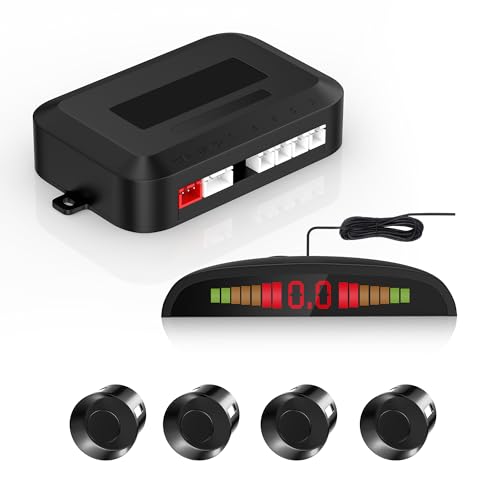
Car Reverse Backup Sensor – Universal Parking Sensors for Car with 4 Rear Sensors, LED Distance Display & Beep Alert – Backup Sensor Kit for Cars, SUVs, Trucks (Black)
Parking Sensors for Cars with Hole Saw This reverse parking sensor kit comes with a universal hole saw…
As an affiliate, we earn on qualifying purchases.
As an affiliate, we earn on qualifying purchases.
V2X connectivity car safety
As an affiliate, we earn on qualifying purchases.
As an affiliate, we earn on qualifying purchases.