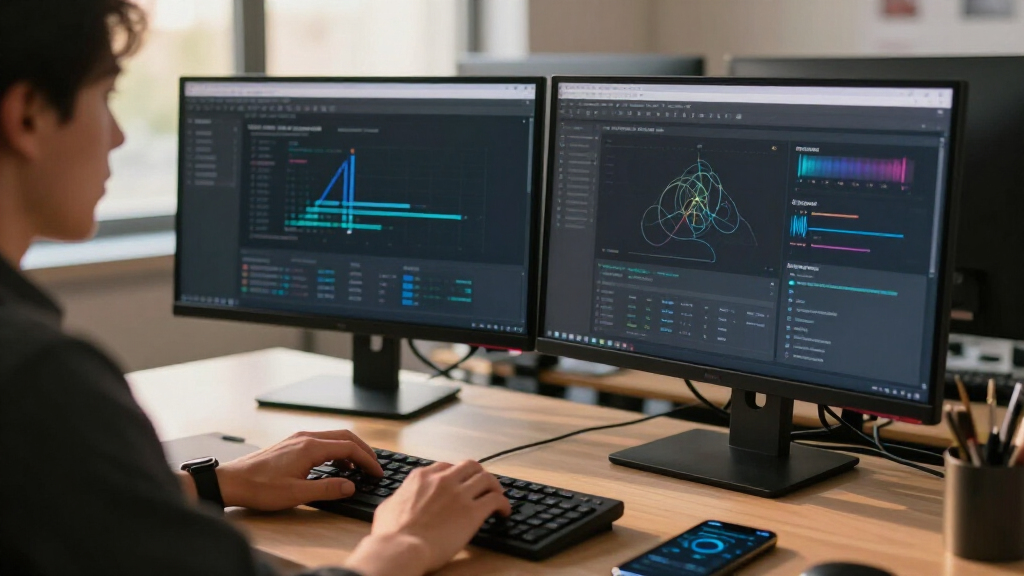
Grok 4.6 from xAI reportedly ranks third in a comparison behind OpenAI and Anthropic, indicating a narrowing performance gap among top AI models.
Browsing Category
Technology and Innovation
569 posts
iPhone 18 Pro Set To Become Apple’s New Default Model
Sources suggest the iPhone 18 Pro will replace the standard model as Apple’s primary offering, signaling a shift in product strategy.
Grok 4.6: The Future Of AI For Coding, Knowledge Management, And Continuous Agents
SpaceXAI announces Grok 4.6, a model with a 500K context window for long-running AI tasks, coding, and knowledge work. Details on access and performance are pending.
The Energy Bottleneck: A Hidden Challenge For AI
AI growth faces a major hurdle: global electricity capacity. This article explores how capacity limits threaten AI expansion and geopolitical implications.
Grok 4.6: The AI Breakthrough That’s Shaking Up The Industry
xAI introduces Grok 4.6, a new AI model claimed to push frontiers, but details on capabilities, release, and performance remain undisclosed.
AI Watermarking Explained: Anthropic’s Role In Society’s AI Future
Anthropic has launched a watermarking system for Claude AI, aiming to improve content provenance verification. Details on its mechanism remain unclear.
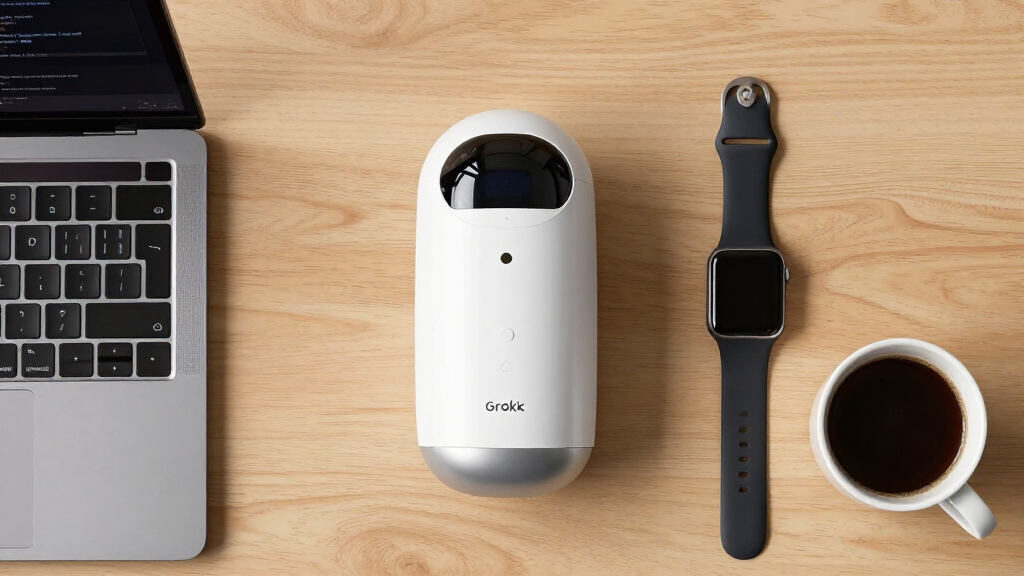
Is Grok Bot The Future Of AI Collaboration? Insights From SpaceXAI And Cursor
SpaceXAI and Cursor have launched Grok Bot, autonomous AI teammates across desktop and mobile, but details on capabilities and access remain unclear.
Are Multiagent AI Systems Ready For Prime Time? Patterns And Problems Revealed
Anthropic has published a report examining behaviors and issues in emerging multiagent AI systems, but full findings and methods remain undisclosed.
Claude AI’s New Watermarks Could Limit Its Use In Work And Education, Users Say
Anthropic’s new machine-readable watermarks in Claude AI may limit its use in work and education, prompting criticism from users and institutions.
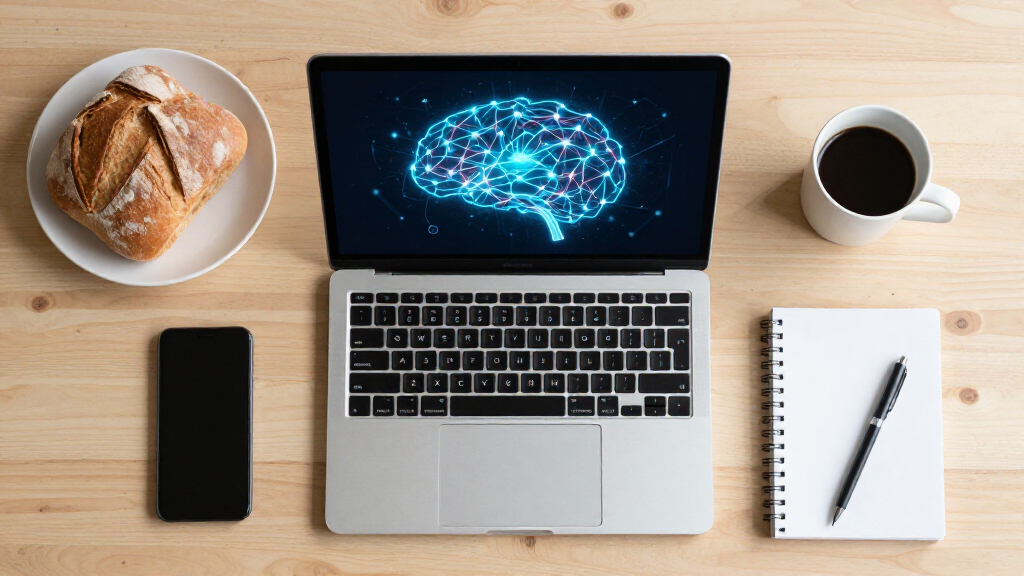
AI’s Neural Activation Response To Unprompted Words: The ‘Bread’ Study
Researchers inserted ‘bread’ into Claude Opus’s neural activations without prompting, detecting the change about 20% of the time with no false positives.