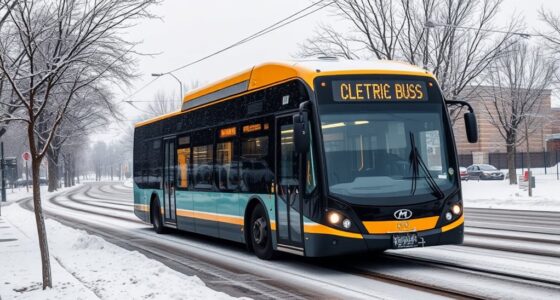
As you shift to electric vehicles, you’ll develop new skills like managing charging stations, planning routes around charging needs, and monitoring battery levels. It’s normal to encounter challenges like limited chargers or unfamiliar tech. Continuous learning through maps, apps, and feedback helps you adapt quickly. Embracing ongoing training boosts your confidence and efficiency. Keep exploring these strategies, and you’ll gain valuable insights to navigate the evolving electric landscape more smoothly.
Key Takeaways
- Drivers need targeted training to understand EV charging options, locations, and optimal route planning.
- Continuous education helps drivers adapt to new technologies and improve energy management skills.
- Hands-on practice builds confidence in handling common EV issues like slow charging or limited stations.
- Access to detailed maps and mobile apps enhances efficiency in locating and using charging infrastructure.
- Sharing experiences fosters a culture of adaptability, ensuring smooth transition and ongoing learning among drivers.

As industries shift and new technologies emerge, preparing your workforce for these changes becomes more critical than ever. One of the biggest hurdles drivers face when moving to electric vehicles is understanding and effectively utilizing charging infrastructure. Unlike traditional fuel stations, EV charging points come in various types, from fast chargers to Level 2 stations, and knowing how to locate, access, and manage these stations is essential. Your drivers need to become comfortable with planning routes around charging stops, which requires a different mindset from fueling a combustion engine. This adaptation isn’t just about knowing where the chargers are; it’s about understanding charging times, the different charging speeds, and how to optimize their driving schedules to minimize downtime.
Driver adaptation plays a pivotal role in facilitating a smooth shift. As they familiarize themselves with electric vehicles, they’ll need to develop new skills, like monitoring battery levels, managing energy consumption, and recognizing how different driving behaviors impact range. This process can be intimidating at first, especially for drivers used to traditional vehicles, but with targeted training, they can quickly build confidence. Hands-on practice with charging stations, combined with real-time guidance on how to handle common issues—such as slow charging or limited availability—will accelerate their comfort level. You should encourage your drivers to view this shift as an opportunity to enhance their skills, not just as a challenge to overcome.
Familiarizing drivers with battery management, energy efficiency, and real-time troubleshooting builds confidence in electric vehicle operation.
Supporting driver adaptation also involves providing clear, accessible resources. This might include detailed maps of charging infrastructure, mobile apps for locating chargers, and tips for efficient driving. Regular refresher sessions can reinforce best practices, helping drivers stay updated on new charging technologies or changes in charging networks. Furthermore, fostering a culture of feedback allows drivers to share their experiences and troubleshoot problems collectively, which not only boosts morale but also improves operational efficiency. Additionally, understanding the basics of soaring and gliding can help drivers develop better spatial awareness and adaptability, skills that are transferable to navigating complex charging networks.
Training shouldn’t be a one-time event; it needs to evolve alongside technological advancements. As charging infrastructure becomes more widespread and sophisticated, your drivers will need ongoing education to keep pace. By investing in all-encompassing, continuous training focused on charging infrastructure and driver adaptation, you’re equipping your team to navigate the electric landscape confidently. This proactive approach minimizes disruptions, maximizes vehicle uptime, and guarantees your drivers are prepared for the demands of the future. Ultimately, the key to success lies in empowering your drivers with the knowledge and skills they need to embrace this shift seamlessly, turning a potential obstacle into a competitive advantage.

Commercial EV Charging Station – OCPP-Compliant, Revenue-Generating Charger with Driver Pay App – Powered by EV Range Software
Earn Revenue with Every Charge: Set custom pricing and idle fees. Monthly payouts and usage reports included.
As an affiliate, we earn on qualifying purchases.
As an affiliate, we earn on qualifying purchases.
Frequently Asked Questions
How Long Does It Typically Take to Become Proficient With Electric Vehicle Maintenance?
You can become proficient with electric vehicle maintenance in about a few months, depending on your dedication. Focus on mastering battery diagnostics and understanding the charging infrastructure. Hands-on experience accelerates learning, so regularly working on EVs helps. Keep up with manufacturer updates and safety protocols. With consistent practice, you’ll confidently handle routine maintenance and troubleshooting, making your adaptation smoother and more efficient.
Are There Specific Certifications Required for Electric Vehicle Technicians?
Yes, there are specific certifications you need for electric vehicle technician qualifications. Certification standards guarantee you meet industry requirements, such as those from the National Institute for Automotive Service Excellence (ASE) or manufacturer-specific programs. These certifications validate your skills in handling high-voltage systems and battery technology. Earning them can boost your credibility, improve job prospects, and help you stay current with evolving EV technologies.
How Do Charging Habits Influence Vehicle Lifespan and Performance?
Charging habits can make or break your vehicle’s lifespan and performance. If you ignore proper charging etiquette, you could drastically shorten your battery’s longevity, turning your sleek ride into a sluggish snail. To keep your EV running like new, avoid frequent fast charging and never let the battery drain completely. Instead, maintain a balanced charging routine, and you’ll enjoy peak performance and extended battery life for miles and miles.
What Are the Common Challenges Faced When First Transitioning to Electric Driving?
When you first switch to electric driving, you’ll face challenges like limited charging infrastructure and adapting your driving habits. You might worry about finding charging stations or syncing your schedule with charging times. Driver adaptation takes time, but as you learn the best routes and charging spots, it becomes easier. Overcoming these hurdles helps you enjoy electric vehicles’ benefits, making your progression smoother and more efficient.
How Do Training Programs Address Safety Concerns Related to High-Voltage Systems?
You’re trained on high voltage safety through thorough programs that emphasize proper procedures and protective equipment. These programs often require technician certification, ensuring you understand how to handle high-voltage systems safely. You learn to identify potential hazards, perform safe maintenance, and respond to emergencies effectively. By completing certified training, you gain confidence and skills to minimize risks, making your shift to electric driving safer for you and others on the road.

AIMILER Level 2 Electric Vehicle (EV) Charger(WIFI APP/Plug-play), 32A, 25ft Cable ETL Certified, 220V-240V NEMA 14-50P Plug EVSE w/ J1772 Connector, Portable EV Car Charging Stations for Home Level 2
❤ [Equipped with Nema 14-50 plug 240V, Compatible with 110-120V Nema 5-15p to 14-50r EV Adapter(Not packaged) or…
As an affiliate, we earn on qualifying purchases.
As an affiliate, we earn on qualifying purchases.
Conclusion
As you navigate the shift to electric driving, remember that practice makes perfect. With every lesson, you gain confidence and expertise, turning challenges into opportunities. Embrace the learning curve, knowing that Rome wasn’t built in a day—nor will mastering EVs be overnight. Stay patient, stay curious, and keep pushing forward. Soon, you’ll find yourself confidently steering into the future, proving that the journey of a thousand miles begins with a single charge.

MACH 3 Fast 40 Amp Level 1&2 Portable EV Charger, Electric Vehicle Charging Station, 120-240V NEMA 14-50 w/ 5-15 Adapter. SAE J1772 car Connector & Tesla mobile NACS, Outdoor EVSE, 25ft Cable w/holder
Universal Charger J1772 to Tesla Charger Adapter: Compatible with all EVs in the US including NACS charging port….
As an affiliate, we earn on qualifying purchases.
As an affiliate, we earn on qualifying purchases.

Battery Management Systems for Large Lithium Ion Battery Packs
As an affiliate, we earn on qualifying purchases.
As an affiliate, we earn on qualifying purchases.