

The best developer laptops pair enough memory and processing power for your tools with a screen, keyboard, and battery life that suit your daily workflow. My best overall pick is the 14-inch MacBook Pro with M5 Pro, which balances strong performance and portability; the Dell Pro 16 stands out for Windows developers who want 32GB of RAM, while the Lenovo ThinkPad L16 Gen 2 offers a practical business-focused setup with 32GB and a bundled USB-C hub. The main tradeoffs are portability versus screen space, memory and storage versus upgrade flexibility, and macOS versus Windows compatibility. For graphics-heavy work, the MacBook Pro with M5 Max sits apart from the more general-purpose options. Read on for the full breakdown and advice on matching a laptop to your development workload.

Get business pricing on monitors, keyboards and dev gear
- Business-only prices and quantity discounts
- Tax-exempt purchasing
- Multiple users, one account, clear invoices
Key Takeaways
- The 14-inch MacBook Pro with M5 Pro is my best overall pick because its 24GB of memory and 1TB SSD make a strong portable setup for general development without stepping up to the larger, heavier 16-inch models.
- Windows developers have several distinct 32GB options: the Dell Pro 16 emphasizes a broad everyday setup, while the ThinkPad L16 Gen 2 adds a business-oriented feature set and a bundled USB-C hub.
- Memory separates the higher-end configurations more clearly than screen size alone. The 16-inch MacBook Pro with M5 Pro has 48GB, making it a better fit for multiple local services, virtual machines, and large projects than the 24GB 14-inch models.
- The M5 Max MacBook Pro is the specialist choice, not the default upgrade. Its 40-core GPU and 2TB SSD suit graphics-heavy development, but many coding workflows will benefit more from adequate memory and storage than from a larger GPU.
- Several lower-cost-looking configurations call for closer spec checks. The renewed Latitude has 16GB and 512GB, while the Ryzen 7 7735HS laptops offer different storage capacities; neither label alone tells you how well a system fits your IDEs, containers, and future workload.
| Dell Pro 16 Business Laptop, Intel Core Ultra 7 255U, 32GB RAM, 1TB SSD |  | Best Overall for Windows Development | Processor: Intel Core Ultra 7 255U, 12 cores, up to 5.2 GHz | Memory: 32GB DDR5 | Storage: 1TB SSD | VIEW LATEST PRICE | See Our Full Breakdown |
| Dell Latitude 5440 14-inch FHD Business Laptop, Core i5-1335U, 16GB RAM, 512GB SSD, Windows 11 Pro (Renewed) |  | Best Compact Business Value | Processor: Intel Core i5-1335U, 10 cores, up to 4.6 GHz | Memory: 16GB DDR4 | Storage: 512GB SSD | VIEW LATEST PRICE | See Our Full Breakdown |
| NIMO 15.6-Inch FHD Laptop with AMD Ryzen 7 7735HS, 16GB DDR5 RAM, and 1TB SSD |  | Best for Flexible Everyday Development | Processor: AMD Ryzen 7 7735HS, 8 cores | Graphics: AMD Radeon 680M integrated graphics | Memory: 16GB DDR5 5600MHz | VIEW LATEST PRICE | See Our Full Breakdown |
| Dell 15.6-Inch FHD Touchscreen Laptop, Intel Core Ultra 7 255U, 32GB DDR5 RAM, 1TB SSD |  | Best Touchscreen for Windows Development | Processor: Intel Core Ultra 7 255U, 12 cores, up to 5.2 GHz | Memory: 32GB DDR5, expandable up to 64GB | Storage: 1TB PCIe NVMe M.2 SSD | VIEW LATEST PRICE | See Our Full Breakdown |
| ASUS Vivobook 15.6-inch FHD Laptop with Intel Core i9-13900H |  | Best for CPU-Heavy Development | Processor: Intel Core i9-13900H, 14 cores | Memory: Up to 48GB DDR4 | Storage: Up to 2TB PCIe M.2 SSD | VIEW LATEST PRICE | See Our Full Breakdown |
| Lenovo ThinkPad T16 Gen 4 Business Laptop, 16-inch WUXGA, Intel Core Ultra 5 225U, Windows 11 Pro |  | Best for a Large, Practical Workstation | Processor: Intel Core Ultra 5 225U, 12-core | Display: 16-inch WUXGA (1920 × 1200) IPS, anti-glare, 400 nits | Memory: Configurable from 16GB to 64GB DDR5 | VIEW LATEST PRICE | See Our Full Breakdown |
| Apple 14-inch MacBook Pro with M5 Pro, 15-core CPU, 16-core GPU, 24GB Memory, and 1TB SSD |  | Best Premium Compact Mac for Development | Chip: Apple M5 Pro | CPU and GPU: 15-core CPU; 16-core GPU | Display: 14.2-inch Liquid Retina XDR | VIEW LATEST PRICE | See Our Full Breakdown |
| HP ProBook 460 G11 16-inch Business Laptop, Core Ultra 7 155U, 16GB RAM, 512GB SSD |  | Best for Managed Windows Workflows | Processor: Intel Core Ultra 7 155U | Memory: 16GB DDR5 | Storage: 512GB PCIe NVMe M.2 SSD | VIEW LATEST PRICE | See Our Full Breakdown |
| 15.6-Inch Laptop with AMD Ryzen 7 7735HS, 16GB DDR5 RAM, and 512GB SSD |  | Best for Budget-Conscious Ryzen Development | Processor: AMD Ryzen 7 7735HS | Memory: 16GB DDR5 | Storage: 512GB SSD | VIEW LATEST PRICE | See Our Full Breakdown |
| NIMO 15.6″ Light Gaming Laptop with AMD Ryzen 7, 16GB DDR5, 512GB SSD, Radeon 680M, FHD, 100W Fast PD, Backlit Keyboard, AI for Content Creators & Students, 2-Year Warranty |  | Best Portable Ryzen Pick with Specified Warranty | Processor: AMD Ryzen 7 7735HS, 8 cores | Memory: 16GB DDR5-5600 | Storage: 512GB PCIe 4.0 SSD | VIEW LATEST PRICE | See Our Full Breakdown |
| Lenovo ThinkPad L16 Gen 2 Business Laptop, 16-Inch WUXGA, Intel Core Ultra 7 255U, 32GB DDR5, 1TB SSD, Windows 11 Pro, with 7-in-1 USB-C Hub |  | Best for Windows Business Development | Processor: Intel Core Ultra 7 255U, 12 cores, 14 threads, up to 5.2GHz | Memory: 32GB DDR5 | Storage: 1TB PCIe NVMe M.2 SSD | VIEW LATEST PRICE | See Our Full Breakdown |
| Apple MacBook Pro 16.2-inch with M5 Pro, 18-core CPU, 20-core GPU, 48GB Memory, and 1TB SSD | 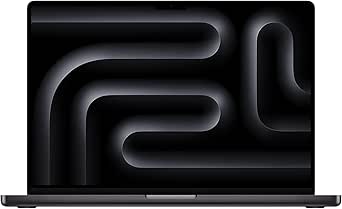 | Best for Large-Scale Mac Development | Chip: Apple M5 Pro | CPU and GPU: 18-core CPU and 20-core GPU | Memory: 48GB unified memory | VIEW LATEST PRICE | See Our Full Breakdown |
| Apple MacBook Pro 14.2-inch with M5 Pro, 15-core CPU, 16-core GPU, 24GB Memory, 1TB SSD, Silver |  | Best Compact Mac Development Laptop | Processor: Apple M5 Pro, 15-core CPU | Graphics: 16-core GPU | Memory: 24GB unified memory | VIEW LATEST PRICE | See Our Full Breakdown |
| Apple 16.2-inch MacBook Pro with M5 Max, 18-Core CPU, 40-Core GPU, 48GB Memory, 2TB SSD, Wi-Fi 7 (Space Black) | | Best for GPU-Heavy Mac Workloads | Processor: Apple M5 Max, 18-core CPU | Graphics: 40-core GPU | Memory: 48GB unified memory | VIEW LATEST PRICE | See Our Full Breakdown |
| HP 17.3-Inch Touchscreen Laptop, Intel Core i7-1355U, 64GB RAM, 1TB SSD |  | Best for Memory-Heavy Windows Multitasking | Processor: Intel Core i7-1355U, 10 cores, up to 5.0GHz | Memory: 64GB DDR4, 3200MHz | Storage: 1TB SSD | VIEW LATEST PRICE | See Our Full Breakdown |
| developer laptop | Memory | Storage | Display | Processor |
|---|---|---|---|---|
| Dell Pro 16 Business Laptop | 32GB DDR5 | 1TB SSD | 16-inch WUXGA IPS, 1920 x 1200, anti-glare, 300 nits | Intel Core Ultra 7 255U, 12 cores, up to 5.2 GHz |
| Dell Latitude 5440 14-inch FHD | 16GB DDR4 | 512GB SSD | 14-inch FHD LED, 1920 x 1080 | Intel Core i5-1335U, 10 cores, up to 4.6 GHz |
| NIMO 15.6-Inch FHD Laptop with | 16GB DDR5 5600MHz | 1TB PCIe 4.0 SSD | 15.6-inch Full HD, 1920 x 1080 | AMD Ryzen 7 7735HS, 8 cores |
| Dell 15.6-Inch FHD Touchscreen | 32GB DDR5, expandable up to 64GB | 1TB PCIe NVMe M.2 SSD | 15.6-inch FHD, 1920 x 1080, anti-glare WVA touchscreen | Intel Core Ultra 7 255U, 12 cores, up to 5.2 GHz |
| ASUS Vivobook 15.6-inch FHD La | Up to 48GB DDR4 | Up to 2TB PCIe M.2 SSD | 15.6-inch FHD LCD, 1920 x 1080, 60 Hz, non-touch | Intel Core i9-13900H, 14 cores |
| Lenovo ThinkPad T16 Gen 4 Busi | Configurable from 16GB to 64GB DDR5 | 1TB SSD listed; configurable from 512GB to 2TB M.2 NVMe PCIe SSD | 16-inch WUXGA (1920 × 1200) IPS, anti-glare, 400 nits | Intel Core Ultra 5 225U, 12-core |
| Apple 14-inch MacBook Pro with | 24GB unified memory | 1TB SSD | 14.2-inch Liquid Retina XDR | — |
| HP ProBook 460 G11 16-inch Bus | 16GB DDR5 | 512GB PCIe NVMe M.2 SSD | 16-inch WUXGA (1920 × 1200) IPS, 16:10, anti-glare, 300 nits | Intel Core Ultra 7 155U |
| 15.6-Inch Laptop with AMD Ryze | 16GB DDR5 | 512GB SSD | 15.6-inch LCD, 1920 × 1080 | AMD Ryzen 7 7735HS |
| NIMO 15.6" Light Gaming Laptop | 16GB DDR5-5600 | 512GB PCIe 4.0 SSD | 15.6-inch, 1920 × 1080 Full HD | AMD Ryzen 7 7735HS, 8 cores |
| Lenovo ThinkPad L16 Gen 2 Busi | 32GB DDR5 | 1TB PCIe NVMe M.2 SSD | 16-inch WUXGA IPS, 1920 × 1200, 16:10, 400 nits, 60Hz, non-touch | Intel Core Ultra 7 255U, 12 cores, 14 threads, up to 5.2GHz |
| Apple MacBook Pro 16.2-inch wi | 48GB unified memory | 1TB SSD | 16.2-inch Liquid Retina XDR | — |
| Apple MacBook Pro 14.2-inch wi | 24GB unified memory | 1TB SSD | 14.2-inch Liquid Retina XDR | Apple M5 Pro, 15-core CPU |
| Apple 16.2-inch MacBook Pro wi | 48GB unified memory | 2TB SSD | 16.2-inch Liquid Retina XDR | Apple M5 Max, 18-core CPU |
| HP 17.3-Inch Touchscreen Lapto | 64GB DDR4, 3200MHz | 1TB SSD | 17.3-inch LCD touchscreen, 1600 × 900, 60Hz | Intel Core i7-1355U, 10 cores, up to 5.0GHz |
More Details on Our Top Picks
Dell Pro 16 Business Laptop, Intel Core Ultra 7 255U, 32GB RAM, 1TB SSD
I’d put the Dell Pro 16 first for developers who want a well-rounded Windows workstation without stepping up to a graphics-focused machine. Its 32GB of memory and 1TB SSD leave room for IDEs, containers, and a sizable local project library, while the 16-inch 16:10 screen offers more vertical workspace than the Dell 15.6-inch touchscreen model’s FHD panel. The RJ-45 port, HDMI 2.1, and USB-C with DisplayPort also make desk and network setup straightforward. The tradeoff is integrated graphics, so this is a better fit for software builds and virtualized workflows than GPU-heavy development. Its 300-nit display with limited color coverage is functional rather than suited to color-critical work, and the listing notes the original seal was opened for an upgrade.
Pros:- 32GB DDR5 memory and a 1TB SSD provide useful headroom for multitasking and local projects.
- 16-inch 1920 x 1200 anti-glare display gives more vertical workspace than a standard FHD panel.
- RJ-45, HDMI 2.1, and USB-C with DisplayPort support flexible desk and peripheral connections.
- Fingerprint reader and 1080p IR camera with privacy shutter add convenient login and camera control.
Cons:- Integrated Intel graphics are a poor match for demanding GPU workloads.
- The 300-nit display with 45% NTSC coverage is not suited to color-critical development or design.
- The listing says the original seal was opened for the professional upgrade.
Best for: Windows developers who run several IDEs, browsers, and containers and want a large display plus built-in Ethernet for a desk-based setup.
Not ideal for: Developers doing GPU-accelerated work or color-sensitive design, since it has integrated graphics and a modest-color, 300-nit display.
- Processor:Intel Core Ultra 7 255U, 12 cores, up to 5.2 GHz
- Memory:32GB DDR5
- Storage:1TB SSD
- Display:16-inch WUXGA IPS, 1920 x 1200, anti-glare, 300 nits
- Graphics:Integrated Intel Graphics
- Operating system:Windows 11 Pro
- Ports:USB-A, USB-C with Power Delivery and DisplayPort, HDMI 2.1, RJ-45, headset port
- Weight and battery:4.27 lbs; 55Wh battery, listed for up to 8 hours of non-gaming use
Our verdict“Choose the Dell Pro 16 for a spacious, well-connected Windows development setup with 32GB RAM, but not for graphics-heavy or color-critical work.”
Dell Latitude 5440 14-inch FHD Business Laptop, Core i5-1335U, 16GB RAM, 512GB SSD, Windows 11 Pro (Renewed)
The renewed Dell Latitude 5440 is the most portable, business-first option here, with a 14-inch screen and a listed weight of 1.39 kg. Its Thunderbolt 4 ports and Ethernet make it easier to connect to docks, external displays, and wired networks than the NIMO 15.6-inch laptop, which emphasizes a larger chassis and more storage. The Core i5-1335U and 16GB RAM suit everyday coding, web development, and lighter local services, but leave less room for multiple virtual machines or large container stacks than the 32GB Dell Pro 16. The 512GB SSD is also the smallest listed capacity in this group. Since this is a renewed machine, its condition may matter more to buyers than it would with a new laptop.
Pros:- Compact 14-inch format and 1.39 kg listed weight suit frequent travel.
- Two Thunderbolt 4 ports support modern docks and high-speed peripherals.
- RJ-45 Ethernet and HDMI make it practical for office and meeting-room connections.
- Windows 11 Pro and a backlit keyboard suit business-focused development workflows.
Cons:- 16GB RAM provides less headroom for virtual machines and container-heavy work than the 32GB Dell Pro 16.
- 512GB storage may fill quickly with local repositories, build artifacts, and development environments.
- Renewed condition may not suit buyers who prefer a new laptop.
Best for: Developers who commute often and mainly work in an IDE, browser, and remote development environment, with occasional docked desk use.
Not ideal for: Developers who need substantial local virtualization, large project storage, or the reassurance of a new device rather than a renewed one.
- Processor:Intel Core i5-1335U, 10 cores, up to 4.6 GHz
- Memory:16GB DDR4
- Storage:512GB SSD
- Display:14-inch FHD LED, 1920 x 1080
- Operating system:Windows 11 Pro 64-bit
- Ports:2 x Thunderbolt 4, 2 x USB 3.2 Gen 1, HDMI 2.0, audio, RJ-45 Ethernet
- Wireless:Wi-Fi and Bluetooth
- Weight and condition:1.39 kg; renewed
Our verdict“Pick the Latitude 5440 if portability and Thunderbolt connectivity matter more than generous memory, storage, or new-device condition.”
NIMO 15.6-Inch FHD Laptop with AMD Ryzen 7 7735HS, 16GB DDR5 RAM, and 1TB SSD
The NIMO 15.6-inch stands apart from the business-focused Dell Pro 16 by pairing a performance-oriented Ryzen 7 7735HS with a broad mix of ports and a 1TB PCIe 4.0 SSD. That makes it a sensible fit for general coding, coursework, and light creative tasks, especially for buyers who want USB-C charging and several USB-A connections without relying on a hub. Its 16GB DDR5 memory is adequate for a typical development setup, though the Dell Pro 16’s 32GB configuration is the safer choice for heavy containers or multiple virtual machines. The Radeon 680M is integrated graphics, not a substitute for a discrete GPU, and the listing gives no battery-runtime figure. The two-year manufacturer warranty is a useful distinction from the renewed Latitude 5440.
Pros:- Ryzen 7 7735HS and 16GB DDR5 support a capable everyday development workload.
- 1TB PCIe 4.0 SSD offers more local project capacity than the Latitude 5440’s 512GB drive.
- Two USB-C ports, three USB-A ports, HDMI, and Micro SD provide a versatile connection selection.
- Listed two-year manufacturer warranty and 90-day return window add support details.
Cons:- 16GB RAM is less suited to heavy local virtualization than the 32GB Dell Pro 16.
- Radeon 680M integrated graphics are aimed at light graphics work, not demanding GPU development.
- Battery runtime is not specified.
Best for: Students and generalist developers who want a large SSD, a wide selection of ports, and a laptop for coding alongside everyday study or light creative tasks.
Not ideal for: Developers running many virtual machines or graphics-intensive workloads, or anyone who needs a stated battery-runtime target.
- Processor:AMD Ryzen 7 7735HS, 8 cores
- Graphics:AMD Radeon 680M integrated graphics
- Memory:16GB DDR5 5600MHz
- Storage:1TB PCIe 4.0 SSD
- Display:15.6-inch Full HD, 1920 x 1080
- Ports:2 USB-C, HDMI 2.0, 3 USB-A, Micro SD card reader, 3.5mm audio jack
- Battery and charging:53.58Wh battery; 100W USB-C PD charger
- Weight and warranty:Under 1.7 kg; two-year manufacturer warranty
Our verdict“Choose the NIMO for general coding and flexible connectivity with 1TB of storage, but look elsewhere for heavy virtual-machine or GPU workloads.”
Dell 15.6-Inch FHD Touchscreen Laptop, Intel Core Ultra 7 255U, 32GB DDR5 RAM, 1TB SSD
This Dell is the pick for developers who want 32GB RAM and a touchscreen in a conventional 15.6-inch Windows laptop. Its Core Ultra 7 255U and 1TB NVMe SSD provide a strong base for multitasking and local projects, while the anti-glare touch display adds a direct way to interact with documentation, diagrams, or Windows controls. Compared with the Dell Pro 16, it gives up the larger 16:10 workspace, HDMI 2.1, RJ-45, and higher-resolution IR camera; in return, it offers touch input and memory listed as expandable to 64GB. The 720p webcam and HDMI 1.4 feel less current for conferencing and external-display setups. I’d favor it when touch matters more than screen area and richer connectivity.
Pros:- 32GB DDR5 memory and a 12-core processor support demanding multitasking.
- Memory is listed as expandable up to 64GB for heavier workloads later.
- Anti-glare FHD touchscreen adds input flexibility for diagrams and navigation.
- 1TB NVMe SSD provides ample room for repositories and local development tools.
Cons:- 720p webcam offers less image detail than the Dell Pro 16’s 1080p IR camera.
- HDMI 1.4 is an older external-display connection than the Dell Pro 16’s HDMI 2.1.
- The 15.6-inch FHD panel provides less vertical workspace than the Dell Pro 16’s 16-inch WUXGA screen.
Best for: Windows developers who use touch input for documentation, diagrams, or everyday navigation and want 32GB RAM with room to expand.
Not ideal for: Developers who prioritize a high-quality conferencing camera, a 16:10 screen, Ethernet, or newer HDMI connectivity.
- Processor:Intel Core Ultra 7 255U, 12 cores, up to 5.2 GHz
- Memory:32GB DDR5, expandable up to 64GB
- Storage:1TB PCIe NVMe M.2 SSD
- Display:15.6-inch FHD, 1920 x 1080, anti-glare WVA touchscreen
- Operating system:Windows 11 Pro
- Wireless:Wi-Fi 6E and Bluetooth 5.3
- Ports:1 USB-C, 2 USB-A, HDMI 1.4, SD card reader
- Webcam and weight:720p HD webcam; 4.28 lbs
Our verdict“Choose this Dell when touchscreen input and expandable memory matter more than a taller display, stronger webcam, and broader ports.”
ASUS Vivobook 15.6-inch FHD Laptop with Intel Core i9-13900H
The ASUS Vivobook is the processor-led choice in this group: its 14-core Core i9-13900H is a more performance-oriented chip than the Core Ultra 7 255U in either Dell, making it appealing for CPU-intensive builds and compiling. Its configuration can reach 48GB RAM and 2TB storage, offering more listed expansion headroom than the fixed 32GB and 1TB Dell Pro 16 configuration. That advantage comes with compromises: the integrated Intel UHD graphics are not suited to GPU-heavy work, and the 34Wh battery is notably smaller than the NIMO’s 53.58Wh unit. The listing also describes opened packaging for RAM and SSD upgrades, with separate warranty coverage for those upgraded parts. I’d choose it for CPU and capacity, not mobility or graphics.
Pros:- 14-core Core i9-13900H is the most explicitly performance-focused processor among these five options.
- Configurations offer up to 48GB DDR4 memory and a 2TB PCIe M.2 SSD.
- Fingerprint reader and webcam privacy shield support convenient login and camera privacy.
- Backlit keyboard with numeric keypad and multiple USB and HDMI connections suits desk work.
Cons:- 34Wh battery capacity is smaller than the NIMO’s 53.58Wh battery.
- Integrated Intel UHD Graphics are a limitation for GPU-intensive development.
- Upgraded RAM and storage have separate warranty coverage from the remaining components, and the original seal is opened.
Best for: Developers who prioritize CPU-heavy compiling and want a configuration that can offer up to 48GB RAM and 2TB storage.
Not ideal for: Developers who need long unplugged sessions, discrete graphics, or a single consistent warranty covering every component.
- Processor:Intel Core i9-13900H, 14 cores
- Memory:Up to 48GB DDR4
- Storage:Up to 2TB PCIe M.2 SSD
- Display:15.6-inch FHD LCD, 1920 x 1080, 60 Hz, non-touch
- Graphics:Integrated Intel UHD Graphics
- Operating system:Windows 11 Pro
- Connectivity:Wi-Fi 6, Bluetooth, USB-C, USB-A, USB 2.0, HDMI, 3.5mm audio
- Battery and weight:34Wh lithium-ion battery; 3.9 lbs
- Warranty:Three years on upgraded RAM and SSD from PCOnline US; one year on remaining components from the manufacturer
Our verdict“Pick the Vivobook for CPU-heavy coding and high memory or storage configurations, but not for graphics work or extended battery use.”
Lenovo ThinkPad T16 Gen 4 Business Laptop, 16-inch WUXGA, Intel Core Ultra 5 225U, Windows 11 Pro
The ThinkPad T16 Gen 4 is a sensible developer choice when screen space and business connectivity matter more than graphics power. Its 16-inch, 16:10 anti-glare display gives code and documentation room side by side, while Thunderbolt 4, HDMI 2.1, and Ethernet make desk setups straightforward. Compared with the HP ProBook 460 G11, it offers a brighter listed display and a larger battery, but its Core Ultra 5 225U is a more modest processor than the HP’s Core Ultra 7 155U. Integrated graphics suit IDEs, terminals, and everyday development, not GPU-heavy work. One listing caveat matters: the machine has been resealed for memory and SSD upgrades, and configurations vary, so I’d verify the actual memory and warranty details before buying.
Pros:- 16-inch 16:10 display is bright, anti-glare, and useful for viewing code alongside documentation.
- Two Thunderbolt 4 ports, HDMI 2.1, Ethernet, and USB-A support varied desk peripherals and displays.
- 86Wh battery and Windows 11 Pro suit mobile business work.
- Fingerprint reader, IR webcam, and backlit keyboard support secure everyday use.
Cons:- Integrated Intel Graphics are not suited to GPU-intensive development or graphics workloads.
- The listing is resealed for upgrades, and memory and storage configurations vary.
- The listed warranty is from the upgrading seller rather than Lenovo.
Best for: Windows developers who want a large anti-glare screen, wired networking, and plenty of ports for a fixed or hybrid desk setup.
Not ideal for: Developers who need discrete graphics, a lightweight travel machine, or an untouched factory configuration with straightforward warranty coverage.
- Processor:Intel Core Ultra 5 225U, 12-core
- Display:16-inch WUXGA (1920 × 1200) IPS, anti-glare, 400 nits
- Memory:Configurable from 16GB to 64GB DDR5
- Storage:1TB SSD listed; configurable from 512GB to 2TB M.2 NVMe PCIe SSD
- Graphics:Integrated Intel Graphics
- Ports and wireless:2 Thunderbolt 4, 2 USB-A, HDMI 2.1, Ethernet, Wi-Fi 6E, Bluetooth 5.3
- Battery and weight:86Wh; 4.2 pounds
- Operating system:Windows 11 Pro 64-bit
Our verdict“Choose the ThinkPad T16 if you want a roomy Windows development setup and business ports, and can confirm the upgraded configuration before ordering.”
Apple 14-inch MacBook Pro with M5 Pro, 15-core CPU, 16-core GPU, 24GB Memory, and 1TB SSD
This 14-inch MacBook Pro is the premium compact pick for developers who want substantial CPU and GPU capability without carrying a larger workstation. The M5 Pro chip, 24GB unified memory, and 1TB SSD give demanding local projects more headroom than the 16GB Ryzen 7 laptops in this group, while the Liquid Retina XDR screen is well suited to long coding sessions and media work. Compared with the 16-inch MacBook Pro with M5 Pro elsewhere in the roundup, this configuration is smaller and lighter, but has less listed memory and a smaller display. Its Thunderbolt 5, HDMI, and SDXC ports provide useful flexibility, though macOS and Apple silicon may not fit teams that depend on Windows-only tooling, x86 virtual machines, or upgradeable components.
Pros:- M5 Pro 15-core CPU and 24GB unified memory support demanding development workloads.
- Liquid Retina XDR display offers a sharp, high-brightness workspace.
- Three Thunderbolt 5 ports, HDMI, and SDXC provide useful peripheral and display connections.
- At 3.52 pounds, it is more portable than the 16-inch MacBook Pro options in the roundup.
Cons:- macOS and Apple silicon may complicate workflows that require Windows or x86-specific environments.
- The 14.2-inch screen gives less room for code and panels than the 16-inch MacBook Pro.
- Memory and storage are fixed in the listed configuration.
Best for: Mac developers who build demanding local projects, work across coding and creative tools, and prefer a capable 14-inch machine.
Not ideal for: Windows-only development teams, buyers who need easily replaceable memory or storage, or anyone who prioritizes a larger built-in workspace over portability.
- Chip:Apple M5 Pro
- CPU and GPU:15-core CPU; 16-core GPU
- Display:14.2-inch Liquid Retina XDR
- Memory:24GB unified memory
- Storage:1TB SSD
- Ports:Three Thunderbolt 5, MagSafe 3, SDXC card slot, HDMI, headphone jack
- Wireless:Wi-Fi 7, Bluetooth 6
- Weight:3.52 pounds
Our verdict“Pick this MacBook Pro for high-performance Mac development in a portable 14-inch format, provided your tools support Apple silicon.”
HP ProBook 460 G11 16-inch Business Laptop, Core Ultra 7 155U, 16GB RAM, 512GB SSD
The HP ProBook 460 G11 is aimed at developers who want a business-oriented Windows laptop with modern security features and a large screen. Its Core Ultra 7 155U is a step up in processor tier from the ThinkPad T16’s Core Ultra 5 225U, while the 16-inch 16:10 display and broad port selection work well for coding at a desk. The tradeoff is that this configuration includes 16GB of memory and a 512GB SSD, which leave less room for containers, local databases, and large projects than the 32GB Dell Pro 16 listed elsewhere. HP Wolf Security and a fingerprint reader add workplace protections, but the listing has been resealed for upgrades and its warranty is split between HP and the seller. That makes configuration and coverage worth checking closely.
Pros:- Core Ultra 7 155U offers a stronger processor tier than the ThinkPad T16’s Core Ultra 5 225U.
- 16-inch, 16:10 anti-glare display gives code and documents useful vertical space.
- Ethernet, HDMI 2.1, USB-C, and USB-A support desk peripherals and external displays.
- HP Wolf Security, fingerprint reader, and FHD webcam suit business use.
Cons:- 16GB memory and 512GB storage may constrain larger local development environments.
- The 300-nit display is less bright on paper than the ThinkPad T16’s 400-nit panel.
- The laptop has been resealed, and warranty coverage is split between HP and the upgrading seller.
Best for: Windows developers in small businesses or managed work environments who value security features, Ethernet, and a roomy display.
Not ideal for: Developers who run many containers or virtual machines, need a high-brightness screen, or want one clearly defined warranty provider.
- Processor:Intel Core Ultra 7 155U
- Memory:16GB DDR5
- Storage:512GB PCIe NVMe M.2 SSD
- Display:16-inch WUXGA (1920 × 1200) IPS, 16:10, anti-glare, 300 nits
- Graphics:Integrated Intel Graphics
- Ports:2 USB-C, 2 USB-A, HDMI 2.1, Ethernet, headphone/microphone combo jack
- Wireless:Wi-Fi 6E, Bluetooth 5.3
- Operating system and weight:Windows 11 Pro 64-bit; 3.9 pounds
Our verdict“Choose the ProBook 460 G11 for business-focused Windows development and security features, but look elsewhere if your local workloads need more memory.”
15.6-Inch Laptop with AMD Ryzen 7 7735HS, 16GB DDR5 RAM, and 512GB SSD
This Ryzen 7 laptop offers a general-purpose development setup built around an 8-core Ryzen 7 7735HS and 16GB of DDR5 memory. That combination should handle coding, browser tabs, and moderate multitasking, while the integrated Radeon 680M provides more graphics capability than basic office-focused integrated graphics. Compared with the similarly specified NIMO laptop in this roundup, it lists the same processor, memory, and storage, but gives less detail on its USB-C setup and warranty; the NIMO specifies dual USB-C with 100W PD and a two-year manufacturer warranty. The 15.6-inch Full HD screen and numeric keypad suit a mixed work-and-study role, though the display is not listed as anti-glare or 16:10, and 16GB may be limiting for heavy virtual-machine use. Its standby-time claim does not establish active-use battery life.
Pros:- Eight-core Ryzen 7 7735HS and 16GB DDR5 are suited to everyday coding and multitasking.
- Radeon 680M graphics can handle lighter graphics tasks better than entry-level integrated options.
- Backlit keyboard, numeric keypad, and fingerprint reader support study and office use.
- 100W USB-C PD charging offers a flexible charging option.
Cons:- 16GB memory and 512GB storage may be restrictive for larger projects and multiple virtual machines.
- Integrated graphics are not suited to demanding GPU workloads.
- The listed battery claim is standby time, not active-use runtime.
Best for: Students and early-career developers seeking an everyday Windows machine for IDEs, web development, and moderate multitasking.
Not ideal for: Developers running several virtual machines, doing GPU-intensive work, or needing clearly documented active-use battery life and warranty terms.
- Processor:AMD Ryzen 7 7735HS
- Memory:16GB DDR5
- Storage:512GB SSD
- Graphics:Integrated AMD Radeon 680M
- Display:15.6-inch LCD, 1920 × 1080
- Ports:5 USB ports, including USB 3.0 and USB-C; 1 HDMI port
- Battery and charging:54Wh; 100W USB-C PD charger
- Weight and operating system:3.8 pounds; Windows 11
Our verdict“Consider this Ryzen laptop for general coding and study, but choose the NIMO alternative if its specified ports and warranty are a priority.”
NIMO 15.6″ Light Gaming Laptop with AMD Ryzen 7, 16GB DDR5, 512GB SSD, Radeon 680M, FHD, 100W Fast PD, Backlit Keyboard, AI for Content Creators & Students, 2-Year Warranty
The NIMO is a portable option for developers who want a performance-oriented Ryzen processor and an unusually useful spread of everyday ports. Its Ryzen 7 7735HS, 16GB DDR5-5600, and PCIe 4.0 SSD make it a better fit for multitasking than low-power entry-level machines, while dual USB-C ports with 100W PD can simplify charging and peripheral connections. Compared with the other Ryzen 7 laptop in this batch, the core processor, memory, and storage capacities are similar, but NIMO specifies two USB-C ports, a microSD reader, and a two-year manufacturer warranty. The listed weight is under 1.7kg, which helps when carrying it between classes or workspaces. Its 16GB memory ceiling in this configuration, Full HD screen, and integrated Radeon graphics are less suited to large virtualized environments or graphics-heavy builds.
Pros:- Ryzen 7 7735HS and DDR5-5600 memory support active multitasking and development work.
- Dual USB-C ports with 100W PD and three USB-A ports offer flexible connectivity.
- Under 1.7kg listed weight makes it easier to carry than the 3.8-pound Ryzen alternative.
- Two-year manufacturer warranty is specified in the product data.
Cons:- 16GB memory and 512GB storage may limit larger projects and local virtual-machine workloads.
- Integrated Radeon 680M graphics are not intended for high-end GPU computing.
- Battery runtime is not specified, and the 15.6-inch display is Full HD rather than a higher-resolution panel.
Best for: Students and mobile developers who want a portable Ryzen laptop, USB-C PD charging, and a clearly stated manufacturer warranty.
Not ideal for: Developers who need a high-resolution display, more than 16GB of memory, discrete graphics, or documented battery runtime.
- Processor:AMD Ryzen 7 7735HS, 8 cores
- Memory:16GB DDR5-5600
- Storage:512GB PCIe 4.0 SSD
- Graphics:Integrated AMD Radeon 680M (RDNA 2)
- Display:15.6-inch, 1920 × 1080 Full HD
- Ports:2 USB-C with PD, HDMI 2.0, 3 USB-A, Micro SD card reader, 3.5mm audio jack
- Battery and charging:53.58Wh; 100W USB-C Power Delivery
- Weight and warranty:Under 1.7kg; 2-year manufacturer warranty
Our verdict“Pick the NIMO for portable everyday development with useful USB-C charging and a stated warranty, not for graphics-heavy work or large local environments.”
Lenovo ThinkPad L16 Gen 2 Business Laptop, 16-Inch WUXGA, Intel Core Ultra 7 255U, 32GB DDR5, 1TB SSD, Windows 11 Pro, with 7-in-1 USB-C Hub
The ThinkPad L16 Gen 2 is the Windows-focused pick for developers who want roomy memory, business features, and desk-ready connections in one package. Its 32GB of DDR5 and 1TB SSD give plenty of space for IDEs, local services, and sizable projects, while the 16:10 screen leaves more vertical room for code than a typical 16:9 panel. Compared with the HP 17.3-Inch Touchscreen Laptop, the ThinkPad offers a sharper 1920 × 1200 display and Thunderbolt 4; the HP counters with more memory. The ThinkPad’s Ethernet jack and included USB-C hub suit a fixed workstation, but its listed 7-pound weight is a serious drawback for regular commuting. Integrated graphics and a 60Hz non-touch screen also make it a less compelling choice for GPU-heavy work or users who want a touch interface.
Pros:- 32GB DDR5 memory and 1TB SSD support multitasking and large project files.
- 16:10 WUXGA display offers useful vertical space for code and documents.
- Thunderbolt 4, Ethernet, HDMI, and included USB-C hub suit desk setups.
- Windows 11 Pro and fingerprint reader fit business environments.
Cons:- Listed weight of 7 pounds makes frequent travel burdensome.
- Integrated Intel graphics are a limitation for GPU-intensive development.
- Display is non-touch and limited to 60Hz.
Best for: Windows developers who run several local tools at once and often work docked at an office or home desk.
Not ideal for: Commuters seeking a light daily carry or developers whose graphics workloads need a discrete GPU.
- Processor:Intel Core Ultra 7 255U, 12 cores, 14 threads, up to 5.2GHz
- Memory:32GB DDR5
- Storage:1TB PCIe NVMe M.2 SSD
- Display:16-inch WUXGA IPS, 1920 × 1200, 16:10, 400 nits, 60Hz, non-touch
- Operating system:Windows 11 Pro
- Ports:2 USB-C (Thunderbolt 4), 3 USB-A, HDMI, Ethernet, headphone/microphone combo
- Wireless:Wi-Fi 6E and Bluetooth
- Battery and weight:50Wh battery; 7 pounds
Our verdict“Choose the ThinkPad for a well-connected Windows development workstation, but skip it if carrying weight or graphics performance is a priority.”
Apple MacBook Pro 16.2-inch with M5 Pro, 18-core CPU, 20-core GPU, 48GB Memory, and 1TB SSD
For developers who need ample memory and a big workspace on macOS, this 16.2-inch MacBook Pro pairs an 18-core M5 Pro CPU with 48GB of unified memory. That combination gives demanding projects more room for parallel tools and memory-heavy workloads than the 14.2-inch M5 Pro MacBook Pro, which has 24GB. The Liquid Retina XDR display and Thunderbolt 5, HDMI, and SDXC ports also make it a capable choice for desk-based work with external displays and peripherals. The smaller MacBook is the more practical option if you travel often: this model weighs 4.71 pounds and takes up more space in a bag. Its 1TB SSD is useful, but developers with extensive local datasets may want more capacity. The listed all-day battery claim has no runtime figure, so I would not choose it based on a specific unplugged-work expectation.
Pros:- 48GB unified memory suits demanding multitasking and large development projects.
- 18-core CPU and 20-core GPU provide substantial processing and graphics resources.
- 16.2-inch Liquid Retina XDR display gives a broad, high-contrast workspace.
- Thunderbolt 5, HDMI, and SDXC support a flexible peripheral setup.
Cons:- At 4.71 pounds, it is less convenient to carry than the 14.2-inch M5 Pro MacBook Pro.
- The 1TB SSD may constrain developers keeping large datasets or many environments locally.
- No specific battery runtime is provided.
Best for: Mac developers working with large projects, multiple tools, or memory-intensive workloads who value a spacious screen.
Not ideal for: Frequent travelers who prioritize a compact laptop, or developers who need more than 1TB of local storage.
- Chip:Apple M5 Pro
- CPU and GPU:18-core CPU and 20-core GPU
- Memory:48GB unified memory
- Storage:1TB SSD
- Display:16.2-inch Liquid Retina XDR
- Ports:Three Thunderbolt 5, MagSafe 3, SDXC, HDMI, headphone jack
- Wireless:Wi-Fi 7 and Bluetooth 6
- Weight:4.71 pounds
Our verdict“Pick this MacBook Pro when memory capacity and a large macOS workspace matter more than a lighter travel setup.”
Apple MacBook Pro 14.2-inch with M5 Pro, 15-core CPU, 16-core GPU, 24GB Memory, 1TB SSD, Silver
This 14.2-inch MacBook Pro is the more portable way into the M5 Pro lineup: it weighs 3.52 pounds and still provides a 15-core CPU, 16-core GPU, and 24GB of unified memory. For developers who move between workspaces, that balance is more practical than the 16.2-inch M5 Pro MacBook Pro, which offers 48GB of memory but weighs 4.71 pounds. The smaller Liquid Retina XDR display remains well suited to focused coding, and the Thunderbolt 5, HDMI, and SDXC ports reduce reliance on adapters. The tradeoff is headroom: 24GB may be less comfortable for unusually large local environments or extensive concurrent workloads than the larger model’s 48GB. Its 1TB SSD is useful project space, though this configuration is not the pick for developers who need maximum local capacity or the strongest GPU option in this group.
Pros:- M5 Pro with a 15-core CPU and 16-core GPU supports demanding development tasks.
- 24GB unified memory and 1TB SSD provide a capable everyday project setup.
- 14.2-inch Liquid Retina XDR display keeps the laptop more compact than the 16-inch models.
- Thunderbolt 5, HDMI, SDXC, and MagSafe 3 provide a broad port selection.
Cons:- 24GB memory provides less headroom than the 48GB 16.2-inch M5 Pro model.
- The 14.2-inch screen offers less workspace than the larger MacBook Pro options.
- No specific battery runtime is provided.
Best for: Mac developers who commute or work across locations and want strong performance in a smaller laptop.
Not ideal for: Developers running especially memory-heavy workloads or seeking the 48GB memory and 40-core GPU configuration of the M5 Max model.
- Processor:Apple M5 Pro, 15-core CPU
- Graphics:16-core GPU
- Memory:24GB unified memory
- Storage:1TB SSD
- Display:14.2-inch Liquid Retina XDR
- Ports:Three Thunderbolt 5, MagSafe 3, SDXC card slot, HDMI, headphone jack
- Wireless:Wi-Fi 7 and Bluetooth 6
- Weight:3.52 pounds
Our verdict“Choose this model for a capable, comparatively portable Mac development setup, unless your workload calls for 48GB of memory or a larger display.”
Apple 16.2-inch MacBook Pro with M5 Max, 18-Core CPU, 40-Core GPU, 48GB Memory, 2TB SSD, Wi-Fi 7 (Space Black)
The M5 Max configuration is the specialist pick here: its 40-core GPU, 48GB unified memory, and 2TB SSD target developers whose work benefits from substantial graphics resources and generous local storage. That makes it a stronger fit for GPU-oriented tasks than the 16.2-inch M5 Pro MacBook Pro, which has a 20-core GPU and half the storage. The shared 18-core CPU and 16.2-inch Liquid Retina XDR display keep the core coding experience familiar, while Thunderbolt 5, HDMI, and SDXC support a full desk setup. This extra capacity is not automatically useful for every developer; those focused on general programming may find the 14.2-inch M5 Pro model easier to carry and more aligned with their needs. At 4.73 pounds, this machine also favors a desk or occasional travel over daily commuting.
Pros:- 40-core GPU is the strongest graphics configuration among these MacBook Pro options.
- 48GB unified memory supports demanding concurrent workloads.
- 2TB SSD offers more local project capacity than the M5 Pro alternatives.
- Thunderbolt 5, HDMI, SDXC, and Wi-Fi 7 support modern work setups.
Cons:- At 4.73 pounds, it is a substantial daily carry.
- The added GPU and storage capacity may go unused in CPU-focused development workflows.
- The 16.2-inch size is less convenient for compact travel than the 14.2-inch M5 Pro model.
Best for: Mac developers whose workflows make use of GPU resources and who keep large projects or datasets on the laptop.
Not ideal for: General application developers who do not need a high-core-count GPU, or commuters seeking a lighter machine.
- Processor:Apple M5 Max, 18-core CPU
- Graphics:40-core GPU
- Memory:48GB unified memory
- Storage:2TB SSD
- Display:16.2-inch Liquid Retina XDR
- Ports:Three Thunderbolt 5, MagSafe 3, SDXC, HDMI, headphone jack
- Wireless:Wi-Fi 7 and Bluetooth 6
- Weight:4.73 pounds
Our verdict“Select the M5 Max when your Mac development work can use its 40-core GPU and 2TB SSD; otherwise, the M5 Pro models are more sensible fits.”
HP 17.3-Inch Touchscreen Laptop, Intel Core i7-1355U, 64GB RAM, 1TB SSD
The HP’s standout developer feature is its 64GB of DDR4 memory, which gives it more listed RAM than the 32GB ThinkPad L16 Gen 2. That capacity can suit developers who keep many tools and services open, though the Core i7-1355U and integrated Intel UHD Graphics make this a memory-first rather than graphics-focused choice. Its 17.3-inch touchscreen offers a broad workspace, but the 1600 × 900 resolution is notably less detailed than the ThinkPad’s 1920 × 1200 display, leaving less room for sharply rendered code. The large panel and numeric keypad may work well at a fixed desk; the 15.78-inch chassis is less suited to carrying between locations. Buyers should also note that the product description says the original seal was opened for upgrades, and the stated upgrade coverage is separate from the manufacturer’s coverage for remaining components.
Pros:- 64GB DDR4 memory offers substantial capacity for concurrent applications and services.
- 17.3-inch touchscreen provides a large workspace.
- 1TB SSD supplies room for project files and development tools.
- Windows 11 Pro, backlit keyboard, and numeric keypad suit office use.
Cons:- 1600 × 900 resolution is less detailed than the ThinkPad L16 Gen 2’s WUXGA display.
- Integrated Intel UHD Graphics are poorly suited to GPU-intensive workloads.
- The large chassis is cumbersome for frequent travel, and the original seal was opened for upgrades.
Best for: Windows developers who prioritize high memory capacity and a large touchscreen for mostly desk-based multitasking.
Not ideal for: Developers who need a high-resolution coding display, strong GPU capability, or a compact laptop for commuting.
- Processor:Intel Core i7-1355U, 10 cores, up to 5.0GHz
- Memory:64GB DDR4, 3200MHz
- Storage:1TB SSD
- Display:17.3-inch LCD touchscreen, 1600 × 900, 60Hz
- Operating system:Windows 11 Pro
- Graphics:Integrated Intel UHD Graphics
- Ports:USB-C and HDMI
- Dimensions:15.78 × 10.15 × 0.81 inches
Our verdict“Choose the HP if memory capacity and a large touchscreen matter most at a desk, but favor the ThinkPad for a sharper display and more modern connectivity.”

How We Picked
I ranked these laptops around developer workloads rather than headline specifications alone. I weighed processor class, memory capacity, SSD space, operating-system fit, screen size, portability, and the practical value of business-focused features. Memory and storage matter because IDEs, browser tabs, containers, local databases, and emulators can run together, while CPU and GPU capability matter more for compiling large projects, machine learning, and graphics work. I also treated model and configuration details carefully: a product title that omits memory, storage, display resolution, or upgrade options leaves meaningful questions for a buyer to verify.
The order reflects how broadly useful each configuration appears for common development work, with balanced performance and a sensible memory baseline ahead of specialized power or unusually large displays. The 14-inch M5 Pro MacBook Pro leads for its blend of portable size and capable configuration; the 32GB Windows business laptops rank well for buyers who need Windows or prefer that ecosystem. The 48GB and M5 Max MacBook Pros are placed for demanding or specialist workloads rather than as default picks. Models with 16GB, less storage, renewed status, or incomplete specifications rank lower because buyers may need to accept tighter workload limits or verify more details before choosing.
| developer laptop | Wireless |
|---|---|
| Dell Pro 16 Business Laptop | — |
| Dell Latitude 5440 14-inch FHD | Wi-Fi and Bluetooth |
| NIMO 15.6-Inch FHD Laptop with | — |
| Dell 15.6-Inch FHD Touchscreen | Wi-Fi 6E and Bluetooth 5.3 |
| ASUS Vivobook 15.6-inch FHD La | — |
| Lenovo ThinkPad T16 Gen 4 Busi | — |
| Apple 14-inch MacBook Pro with | Wi-Fi 7, Bluetooth 6 |
| HP ProBook 460 G11 16-inch Bus | Wi-Fi 6E, Bluetooth 5.3 |
| 15.6-Inch Laptop with AMD Ryze | — |
| NIMO 15.6" Light Gaming Laptop | — |
| Lenovo ThinkPad L16 Gen 2 Busi | Wi-Fi 6E and Bluetooth |
| Apple MacBook Pro 16.2-inch wi | Wi-Fi 7 and Bluetooth 6 |
| Apple MacBook Pro 14.2-inch wi | Wi-Fi 7 and Bluetooth 6 |
| Apple 16.2-inch MacBook Pro wi | Wi-Fi 7 and Bluetooth 6 |
| HP 17.3-Inch Touchscreen Lapto | — |
Factors to Consider When Choosing Developer Laptops
Developer laptops are easier to compare when you start with the work the machine must handle, not a processor label in isolation. I would first map out your operating system, memory load, screen needs, and whether you run graphics-heavy tools locally; those choices narrow the field faster than comparing every listed component.
Match Memory to Your Actual Toolchain
Memory is shared by your IDE, browser, containers, local databases, emulators, and the operating system, so a laptop can feel constrained even when its processor is capable. For light web development or learning, 16GB may be workable, but running several services or virtual machines at once makes 32GB a safer target. If your work includes large datasets, mobile emulators, or several virtual machines, 48GB can provide room to keep more tools active. Do not treat a large RAM number as a substitute for checking whether memory is upgradeable or soldered. When a laptop has a fixed configuration, choose for the workload you expect over its useful life, not only the projects you have today. If memory is unclear in a listing, verify the exact configuration before buying.
Choose an Operating System Around Compatibility
Your development stack can decide the platform before hardware does. Windows may suit enterprise tools, .NET development, and workflows built around Windows-specific software, while macOS fits teams that develop for Apple platforms and value Unix-based tooling. Linux users should check the exact laptop’s distribution support, wireless and graphics compatibility, and firmware options rather than assume a business model will work perfectly out of the box. Cross-platform languages do not remove every difference: container behavior, signing tools, device simulators, and corporate security software can still affect your setup. If your team supplies a standard environment, confirm that the laptop can run it without workarounds. A familiar operating system often saves more time than a modest processor upgrade.
Balance Screen Space Against Mobility
A larger display can make code, documentation, terminals, and preview panes easier to arrange without an external monitor. It also makes a laptop less convenient to carry, and the listed screen size alone does not tell you about resolution, brightness, scaling, or color quality. A 14-inch model can be a better daily companion for commuting or working in shared spaces, while 16- or 17-inch models suit desk-based work and frequent split-screen use. Before paying for a larger panel, think about how often you will connect an external display and whether your workspace already supplies one. Also check the display’s resolution and aspect ratio: extra physical inches do not always translate into more usable coding space. The best choice is the one that fits where you actually work.
Prioritize Storage for Projects and Local Environments
Source code itself may be small, but development environments can accumulate quickly through container images, SDKs, build artifacts, virtual machines, test data, and local backups. A 512GB SSD can be enough for a lean workflow, yet it leaves less room for several large projects and offline tools than a 1TB drive. Think about whether your work files must stay local for speed, privacy, or travel, and whether your organization permits cloud storage. Check whether the SSD can be replaced before assuming you can expand capacity later. External drives can help with archives, but they are less convenient for frequently used environments. Buying enough internal storage at the outset can avoid later maintenance and workflow friction.
Pay for GPU Power Only When Your Work Uses It
Most everyday coding, scripting, and web development does not call for a high-end graphics processor. GPU capability matters more for graphics programming, local machine-learning experiments, 3D tools, and workloads that specifically use accelerated compute. A stronger GPU can also increase power use and cost you portability or battery runtime, so a larger graphics specification is not automatically a better developer laptop. Before choosing a GPU-focused system, check that your frameworks support its architecture and that the memory available to the GPU suits your projects. Cloud compute or a remote workstation may be a better fit for occasional heavy jobs than carrying extra hardware every day. Reserve the specialist configuration for a workload that can make regular use of it.
Check Upgradeability, Ports, and Support Before Ordering
Specifications describe what ships in a laptop, but they do not tell you how easily it can be maintained. Confirm whether RAM and storage are replaceable, what ports are built in, and whether your monitors, docks, and test devices need adapters. A bundled hub can be useful, but it should not outweigh the laptop’s core fit or conceal missing ports you rely on every day. Renewed models can make sense when the configuration meets your needs, though buyers should inspect the seller’s condition details, warranty terms, and return window. Business machines may offer features suited to managed workplaces, but support and service coverage depend on the specific sale. Verify the exact model number and configuration so you do not buy a similarly named laptop with different memory, storage, or display hardware.
Frequently Asked Questions
Is 16GB of memory enough for a developer laptop?
It can be enough for learning, light scripting, and a focused IDE-and-browser workflow, but it leaves less room for containers, emulators, and multiple local services. If you regularly run those tools together, 32GB is a more comfortable target and appears in several Windows picks in this roundup. A 16GB machine may still suit you if the memory can be upgraded, but do not assume that from the laptop’s brand or business label. Check whether memory is soldered and confirm the configuration being sold. Choose 16GB when your projects are genuinely light or your budget and workflow make the limitation acceptable.
Should I choose a MacBook Pro or a Windows business laptop for development?
Start with the software and platform your work needs, not a general claim that one system is better for coding. The MacBook Pro models make sense for Apple-platform development and for buyers who prefer macOS, while the Dell and ThinkPad options suit Windows-centered workplaces and tools. Linux support, corporate management requirements, and compatibility with device simulators can also decide the issue. Consider the whole configuration: a 24GB MacBook Pro and a 32GB Windows laptop may suit different workloads even if their processors are both capable. If you are joining a team, ask which operating systems and development environments they support before choosing.
Do I need the M5 Max MacBook Pro for software development?
Most application development does not require the M5 Max configuration. Its stronger GPU is more relevant to graphics-heavy work, local machine-learning experiments, or other tasks that can use substantial graphics compute. For general coding, money and weight may be better spent on sufficient memory, storage, and a screen size you will use daily. The 48GB M5 Pro model is a more balanced high-capacity option for many demanding development workflows that need memory more than graphics power. Pick the M5 Max when you can name a recurring workload that benefits from its GPU and larger SSD.
Is a renewed business laptop a sensible choice for learning to code?
A renewed laptop can suit a learner whose editor, browser, and course tools fit the available configuration, but condition and support need extra attention. The Latitude 5440 listed here has 16GB of memory and a 512GB SSD, which can handle basic study while offering less room for heavier container-based work than the 32GB alternatives. Check the exact unit’s battery condition, return terms, warranty, and seller description before committing. Also confirm that its ports and display work for your study setup. If you expect to use virtual machines or several development services, compare the total cost and risk against a new model with more memory.
Is a 512GB SSD enough for coding projects and development tools?
For coursework, web projects, and a modest set of tools, 512GB can be sufficient if you keep old builds and downloads under control. Large container images, multiple SDKs, virtual machines, media files, and local datasets can use that capacity quickly. The 1TB configurations in this roundup offer more breathing room for people who keep several environments on the laptop. Check whether the drive is replaceable and whether you can store permitted archives externally. If you travel often or need projects available offline, internal storage is more useful than relying on an external drive.
Conclusion
For most developers who want a portable, well-balanced machine, I recommend the 14-inch MacBook Pro with M5 Pro as the best overall choice. Windows users who want 32GB of memory should compare the Dell Pro 16 with the ThinkPad L16 Gen 2; the latter is a strong fit for a business-oriented setup with its bundled USB-C hub. For value-minded buyers and beginners, the Ryzen 7 7735HS models or renewed Latitude may fit lighter workloads, but I would verify the exact configuration, condition, and upgrade options before choosing. The 16-inch MacBook Pro with M5 Pro is my premium pick for memory-heavy work, while the M5 Max model is best reserved for GPU-focused development. Choose by workload first: platform compatibility, enough memory, and practical storage matter more than buying the most powerful specification on the list.
Columbus Day / Indigenous Peoples' Day Picks
long weekend sales
As an affiliate, we earn on qualifying purchases.