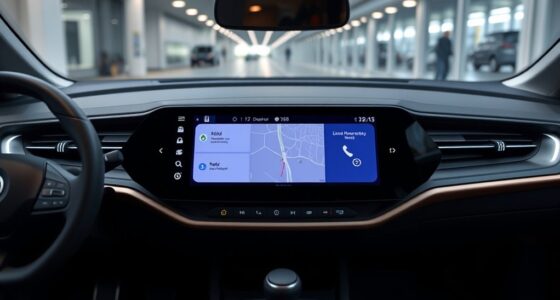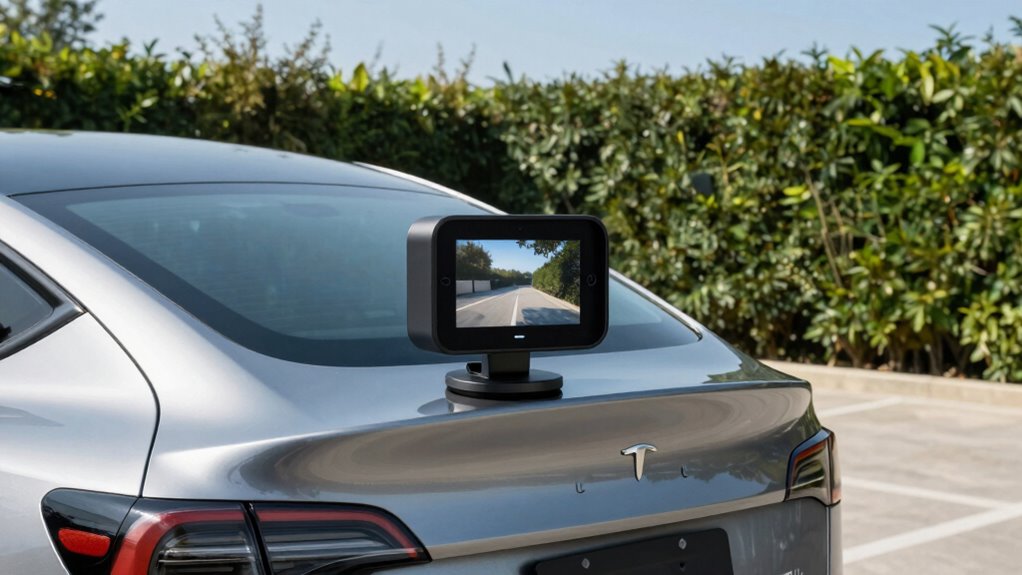

Wireless backup cameras may lag due to interference from other electronic devices, physical obstructions, or weak signals caused by poor placement or incompatible hardware. Sometimes, slight delays are normal, especially with high-resolution video or larger camera angles. Power issues, outdated firmware, or crowded Wi-Fi environments can also slow transmission. Persistent problems might indicate hardware failure. To learn how to improve your camera’s performance and recognize signs of trouble, keep exploring these common causes and solutions.
Key Takeaways
- High video resolution and large angles increase bandwidth needs, causing occasional lag but are usually normal.
- Signal interference from other wireless devices or obstructions like walls can cause delays or flickering.
- Physical barriers, dense foliage, or metal objects weaken signals, leading to lag or image disruptions.
- Firmware issues, power fluctuations, or outdated hardware can worsen lag or cause responsiveness problems.
- Occasional minor delays are typical; persistent or severe lag indicates interference or hardware problems needing troubleshooting.

1080P HD Wireless Backup Camera: 1 Minute Magnetic Easy Install No Wiring
- Quick Magnetic Installation: Install in 1 minute with powerful magnets
- Extreme Temperature Resistance: Withstands -452°F to 1166°F temperatures
- Wear-Resistant Rubber Coating: Protects vehicle paint and maintains magnet strength
As an affiliate, we earn on qualifying purchases.
As an affiliate, we earn on qualifying purchases.
Why Is My Wireless Backup Camera Lagging? Common Causes
Wireless backup cameras can sometimes lag or experience delays, which can be frustrating and even unsafe. One common cause is the video resolution; higher resolutions demand more bandwidth, increasing the risk of lag. If your camera has a high video resolution, it might struggle to transmit data smoothly, especially in areas with interference. Camera placement also plays a role—if your camera is installed too far from the receiver or obstructed by objects, the signal weakens, causing delays. Metal surfaces, thick walls, or other electronic devices nearby can interfere with the wireless connection. Ensuring your camera is positioned ideally and selecting the right resolution can considerably reduce lag, making your backup view clearer and more reliable during every drive. Additionally, understanding the digital concepts behind wireless signals can help you troubleshoot and optimize your setup more effectively. Being aware of signal strength and how it impacts connection quality is crucial for maintaining a lag-free experience. For example, adjusting your antenna orientation can often improve signal reception and reduce delays. Moreover, choosing appropriate frequency bands can help minimize interference from other wireless devices in your area. To further improve performance, consider upgrading your equipment to newer, more capable wireless technology.

Dual Band WiFi 2.4GHz 5GHz 5.8GHz Mimo Replacement Antenna for Furrion Back Up RV Camera Boost Wireless Signals (2 Pack), Eifagur
- Designed for Furrion Backup Camera: Compatible with Furrion back-up cameras
- Dual Band WiFi Support: Supports 2.4GHz and 5GHz/5.8GHz bands
- Antenna Gain: 3dBi gain for improved signal
As an affiliate, we earn on qualifying purchases.
As an affiliate, we earn on qualifying purchases.
Is It Normal for Your Backup Camera to Sometimes Delay?
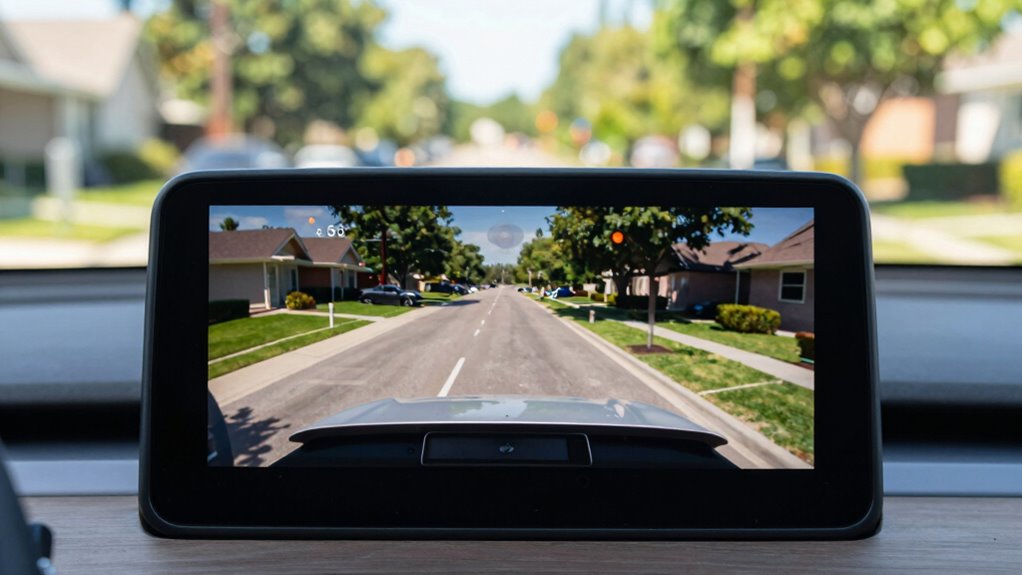
It’s common for backup cameras to occasionally experience delays, especially when the system is working to transmit high-quality video wirelessly. These delays can happen if your camera is streaming at a higher video resolution, which requires more bandwidth and processing time. Additionally, the camera angle you choose can influence how quickly the image appears; wider angles might add slight lag due to increased data transmission. Small delays, usually just a second or two, are normal and typically not a cause for concern. If your camera consistently lags or the delay becomes distracting, it could indicate interference or connection issues. But occasional, brief delays are generally normal and part of wireless transmission, especially when transmitting detailed, high-resolution images from your backup camera. Proper system setup and minimizing wireless interference can help improve performance, and understanding wireless transmission can further clarify why these delays occur.
1080P HD Wireless Backup Camera: 1 Minute Magnetic Easy Install No Wiring
- Quick Magnetic Installation: Install in 1 minute with powerful magnets
- Extreme Temperature Resistance: Withstands -452°F to 1166°F temperatures
- Wear-Resistant Rubber Coating: Protects vehicle paint and maintains magnet strength
As an affiliate, we earn on qualifying purchases.
As an affiliate, we earn on qualifying purchases.
How Interference and Obstructions Cause Video Lag
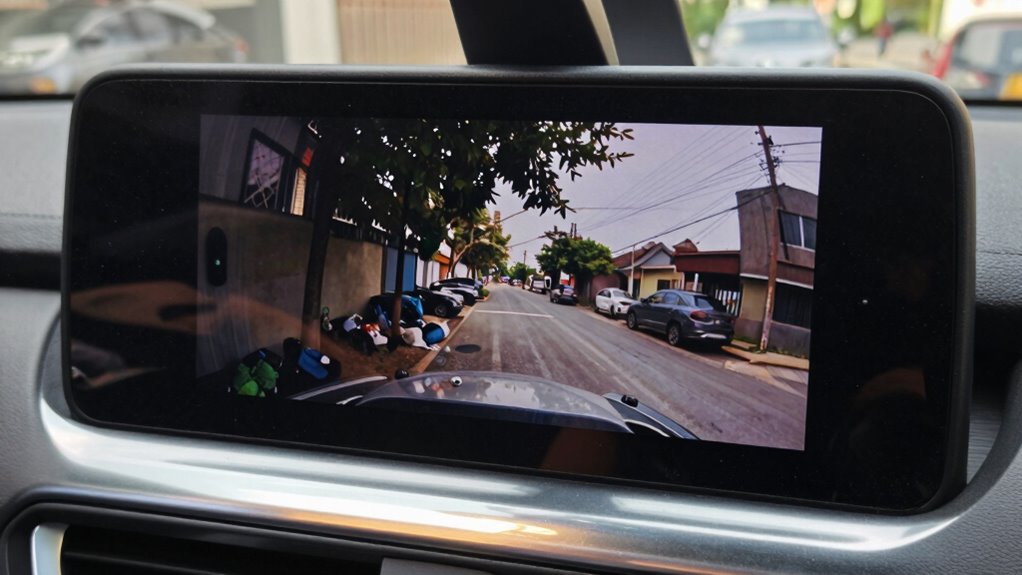
Interference from other electronic devices or physical obstructions can substantially disrupt the signal between your backup camera and its monitor, leading to video lag. Frequency interference from nearby Wi-Fi routers, cordless phones, or Bluetooth devices can cause signal disruption, reducing the clarity and timeliness of the video feed. Physical obstructions like thick walls, metal objects, or dense foliage can weaken or block the wireless signal entirely. When these barriers or interference sources are present, your camera may struggle to transmit real-time footage, resulting in noticeable lag. Additionally, using proper antenna placement can help improve signal strength and reduce lag. Ensuring your camera uses a stronger frequency band can also mitigate interference issues. To minimize this, keep your camera’s transmitter away from other electronics, and ensure there are as few physical obstructions as possible between the camera and monitor. Proper antenna positioning can make a significant difference in signal stability and clarity. Increasing signal strength with compatible boosters or extenders can further enhance video transmission quality. Being aware of interference sources and managing their proximity can markedly improve video transmission. Reducing interference and removing obstructions can markedly improve video transmission.

AUTO VOX Wireless Backup Camera Solar Magnetic, 7.2" DVR 1080P Monitor
- Large 7.2-inch Dual-Split Screen: Wide, distortion-free full coverage view
- Quick DIY Installation: Magnetic mount, no tools needed
- Secure Magnetic Base: Protects vehicle paint and holds firmly
As an affiliate, we earn on qualifying purchases.
As an affiliate, we earn on qualifying purchases.
Can Battery Life or Power Settings Slow Down Your Camera?
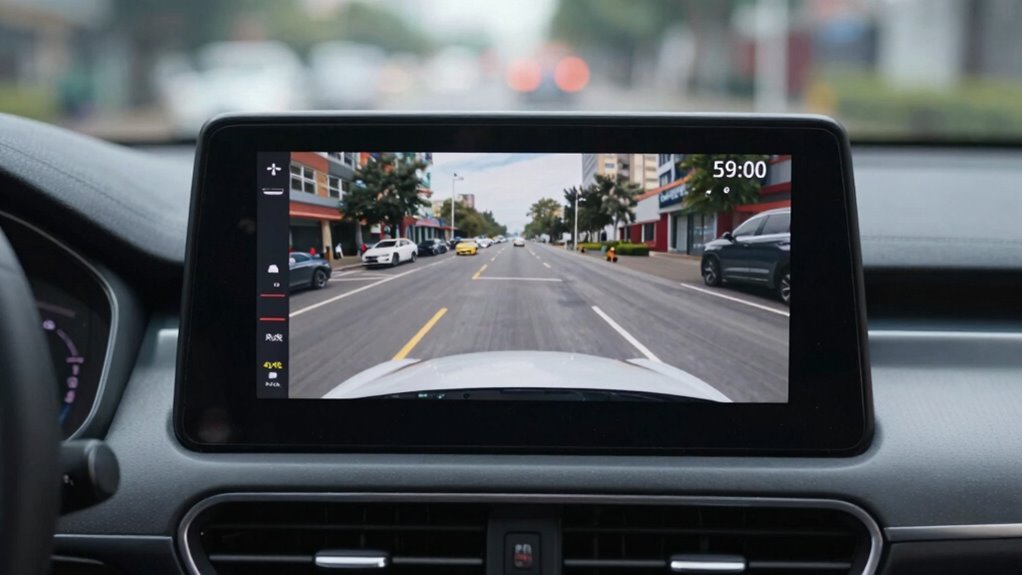
If your backup camera’s battery is running low or if power-saving settings are enabled, it can slow down the camera’s performance. When power is limited, the device may reduce its operational speed to conserve energy, leading to delays or lag in video transmission. Battery drain occurs faster if the camera is constantly active, forcing it to prioritize essential functions over speed. To prevent this, optimize your settings for balanced power use. Check the table below for common power-related issues and solutions: power management. Additionally, ensuring the camera’s support networks are stable can help maintain consistent performance. Maintaining proper energy efficiency can help ensure your camera operates smoothly without unnecessary lag. Adjusting power settings appropriately can further enhance performance and reduce lag during operation. Moreover, being mindful of spiritual alignment can foster a more positive environment that might influence overall device performance.
Do Software Updates or Settings Affect Camera Speed?
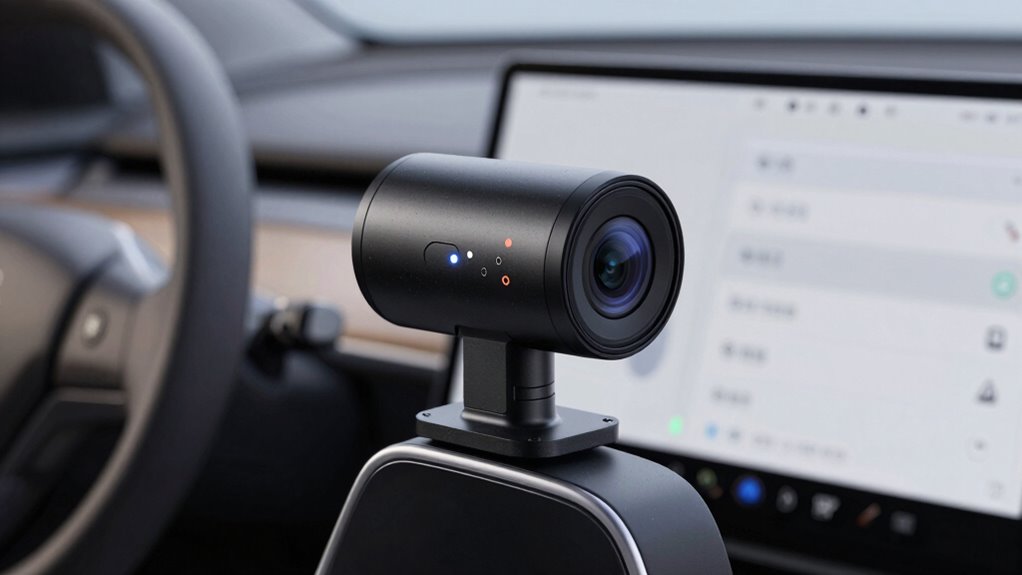
Software updates and settings changes can substantially impact your backup camera’s speed and responsiveness. Sometimes, a firmware update introduces software glitches that cause delays or lag, making the camera slower to respond. These updates are designed to improve functionality, but if not properly installed or if they contain bugs, they can hinder performance. Adjusting camera settings, such as resolution or frame rate, can also influence how quickly the image appears on your screen. Lowering resolution might improve responsiveness, while higher settings can cause lag. It’s important to keep firmware updated but also to monitor how updates affect your camera’s performance. If you notice lag after a firmware update or changes to settings, consider rolling back or adjusting configurations for better speed. Properly maintaining your vehicle’s body jewelry measurements and ensuring they are not overly tight can also help prevent unnecessary stress on camera components, similar to how appropriate jewelry fit affects comfort and healing. Additionally, firmware compatibility issues between the camera and the vehicle’s system can sometimes cause delays, so verifying compatibility before updates is advisable. Regularly checking for system conflicts might help identify underlying issues that lead to lag, and being aware of software-related issues can help troubleshoot persistent problems more effectively. Ensuring that your camera’s software environment is optimized can further reduce lag and improve overall responsiveness.
How to Tell If Your Wireless Backup Camera Is Failing
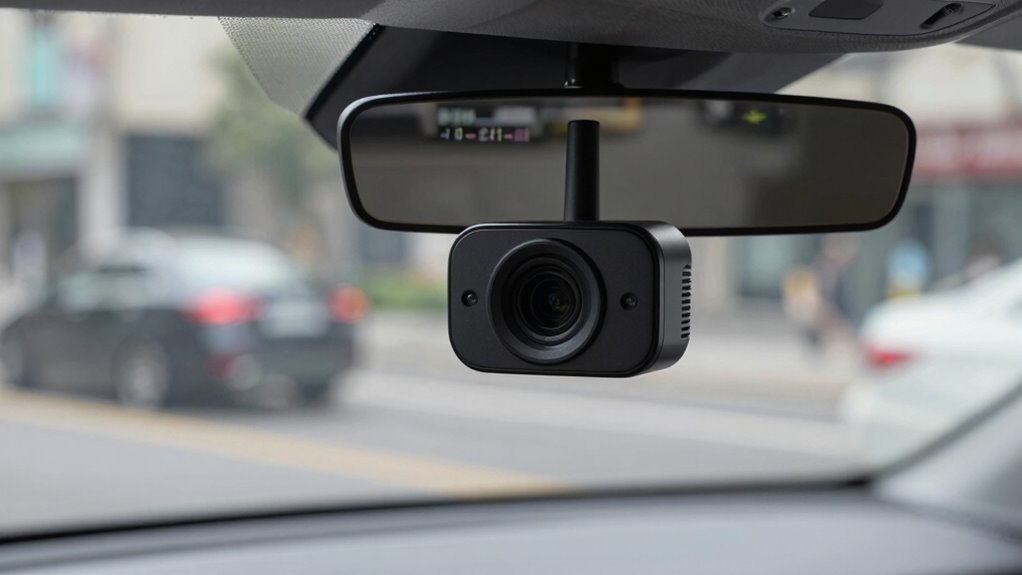
If your backup camera starts showing flickering images or sporadic signals, it might be a sign of interference or a failing connection. Poor image quality, like blurriness or distortion, can also indicate an issue. Pay attention to these signs to catch problems early before they worsen. Additionally, environmental factors common in urban pursuits such as high-rise buildings or dense infrastructure can contribute to signal disruption. Regularly checking the wireless signal strength can help identify potential issues before they impact your camera’s performance. Being mindful of your emotional well-being can also help you manage frustration when troubleshooting technical problems.
Signal Interference Signs
When your wireless backup camera starts experiencing signal interference, you’ll notice it through sudden disruptions or flickering on the display. Signal congestion is a common culprit, especially if you’re parked near multiple wireless devices or networks, causing the camera’s signal to compete for bandwidth. You might also experience inconsistent image delivery or temporary blackouts. Hardware incompatibility can also cause interference; older cameras or transmitters may not work well with newer vehicles or accessories, leading to weak or unstable signals. If these issues persist despite relocating your camera or reducing nearby wireless activity, it’s likely a sign your system is struggling with interference. Recognizing these signs early can help you troubleshoot or upgrade your setup before the problem worsens.
Image Quality Issues
Noticing a decline in your wireless backup camera’s image quality can be a clear sign it’s failing. If your footage becomes blurry or pixelated, the image resolution has dropped, making it harder to see obstacles clearly. Color accuracy is also vital; if the colors appear washed out or distorted, it indicates potential issues with the camera’s sensor or transmission. You might notice that the image looks dull, with little vibrancy or depth. These problems often worsen over time, compromising your ability to reverse safely. Keep an eye on these signs—poor resolution and inaccurate colors often signal the need for a camera check or replacement. Addressing these issues promptly helps maintain clear, reliable visuals during your backup process.
Tips to Reduce Lag and Get Real-Time Video Performance
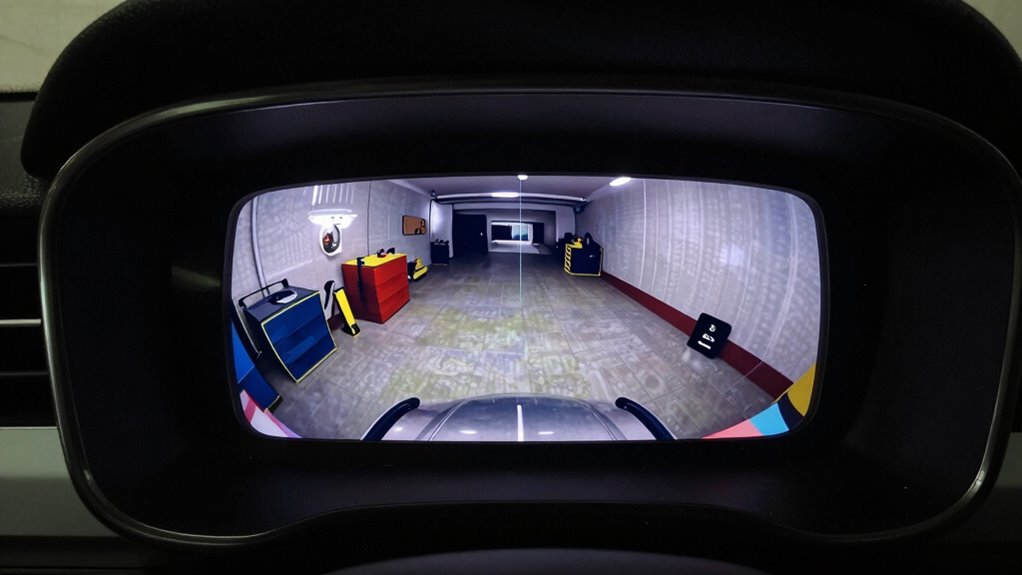
To achieve real-time video performance with your wireless backup camera, you need to minimize lag by enhancing your system’s setup. First, confirm your wireless connectivity is strong and stable; a high-quality router or a dedicated signal extender can make a big difference. Keep your camera placement ideal—mount it in a location with a clear line of sight to the receiver, avoiding obstructions like metal or thick walls that can interfere with signal strength. Reduce interference from other electronic devices, and avoid placing the camera near sources of Wi-Fi congestion. Regularly update your camera’s firmware to fix bugs and improve performance. By focusing on robust wireless connectivity and strategic camera placement, you’ll greatly cut down lag, ensuring you get real-time video for safer, more confident backing up.
Frequently Asked Questions
Can Temperature Changes Impact Wireless Backup Camera Performance?
Yes, temperature changes can impact your wireless backup camera’s performance. Cold or hot weather conditions may cause the device’s components to work less efficiently, leading to lag. Additionally, cellular interference from nearby networks can worsen the problem, especially in extreme temperatures when signals weaken. To keep your camera functioning smoothly, guarantee it’s installed properly, avoid interference sources, and consider weather-resistant models for better reliability in varying temperatures.
Does Camera Brand Influence Lag and Video Quality?
You get what you pay for, and your choice of camera brand definitely affects lag and video quality. Reputable brands with solid reputations usually offer higher resolution cameras and more reliable connections, minimizing lag. Cheaper or lesser-known brands might cut corners, leading to choppier video and delays. So, if smooth, clear footage matters, invest in a trusted brand; otherwise, you might find yourself constantly chasing the video.
How Does Signal Range Affect Live Video Feed?
Your wireless backup camera’s signal range directly impacts the live video feed quality. If you’re within a strong range, you’ll get a clear, lag-free stream. However, when you’re farther away, signal interference and bandwidth limitations can cause lag or interruptions. Obstacles like walls or other electronics also weaken the signal, making it harder to maintain a consistent, smooth video. Stay within the recommended range for the best performance.
Are Wired Backup Cameras Immune to Lag Issues?
Wired backup cameras are generally immune to lag issues caused by interference sources because they rely on direct cable connections. Unlike wireless systems, they don’t experience signal disruptions or delays from obstacles or electronic interference. While wired installation might seem complicated, it guarantees a stable, real-time video feed, giving you peace of mind during reversing. So, yes, wired cameras usually provide a lag-free experience, making them a reliable choice.
What Are Signs of Hardware Failure in Wireless Cameras?
You’ll notice hardware failure in your wireless camera through signs like sensor malfunctions, which cause distorted or flickering images, and power supply issues, leading to intermittent or no video feed. You might also see the camera freezing or not turning on at all. If you experience these problems, it’s a clear sign that the hardware needs checking or replacing to restore proper functioning.
Conclusion
Think of your wireless backup camera as a delicate dance partner—sometimes it’s perfectly in sync, other times it stumbles. A little lag is normal, but when it becomes a stubborn obstacle, it’s like trying to watch a movie through a shaky window. By checking for interference, updating software, and giving it a little TLC, you’ll help your camera stay in step. With patience and care, you’ll keep your view crystal clear, like a mirror reflecting safety.