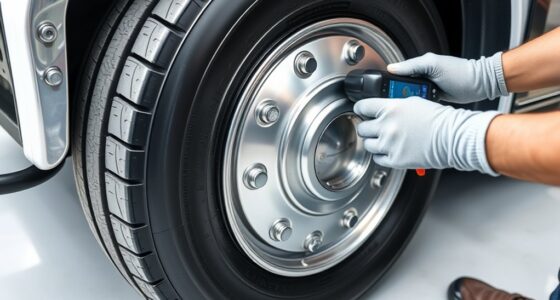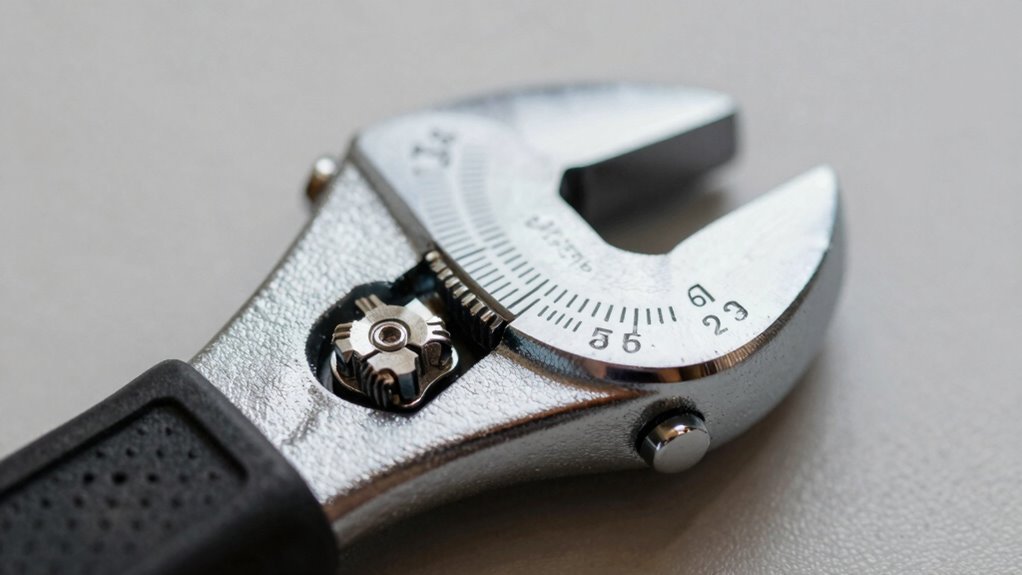
You shouldn’t rely solely on the click of your torque wrench for accuracy because wear, tear, and lack of calibration can cause it to become unreliable. Regularly testing and recalibrating your wrench guarantees it gives precise torque readings and prevents over-tightening or under-tightening. Proper maintenance and checking for signs of wear help extend its life. Keep your tool in top shape, and you’ll ensure safe, accurate results every time. Want to learn how to keep your torque wrench reliable?
Key Takeaways
- Regularly calibrate your torque wrench to ensure the click reflects accurate torque settings.
- Use a proper calibration device or professional service for precise adjustments.
- Clean and store the wrench properly to prevent wear that can affect the click mechanism.
- Test the wrench periodically at known torque values to verify accuracy.
- Replace or recalibrate the wrench if it shows signs of wear, inconsistent readings, or after the recommended calibration interval.

Upgrade Digital Torque Adapter, (±1% Accuracy, 12.5-250Ft-lb), 1/2" Digital Torque Wrench Adapter for Car, Versatile Meter – Smart Alert | Peak/Track | Preset | Store/Delete, for Automotive(340N.m)
Intuitive Display with Smart Alerts: 1.4-inch LCD color screen (long press "U" to switch between green, blue, red)…
As an affiliate, we earn on qualifying purchases.
As an affiliate, we earn on qualifying purchases.
Why the Click Alone Isn’t a Reliable Indicator of Torque Accuracy
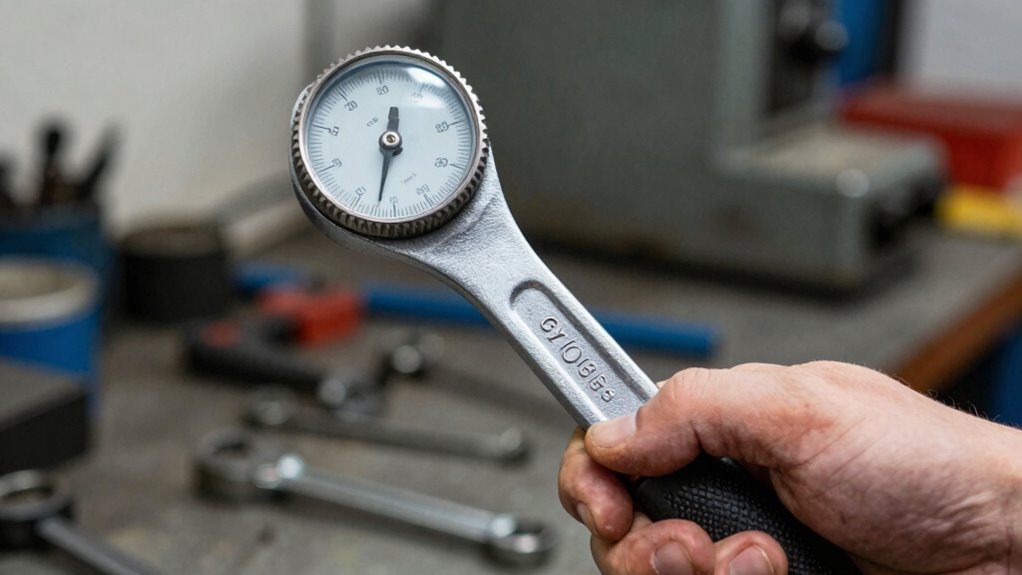
While many users rely on the audible click to confirm they’ve reached the desired torque, this sound alone isn’t a dependable indicator of accuracy. The click mechanism is designed to signal when the preset torque is achieved, but it can wear out or become inconsistent over time. The wear and tear on the click mechanism can cause it to malfunction, affecting its reliability. Without proper maintenance, the click may occur prematurely or too late, leading to inaccurate tightening. Regular calibration intervals are essential to ensure your torque wrench remains precise. If you skip calibrations, the click mechanism’s reliability diminishes, and you risk under-tightening or over-tightening fasteners. Proper calibration is crucial for maintaining torque accuracy and ensuring safe, reliable fastener connections. Trusting the click alone isn’t enough; you need to verify the wrench’s accuracy periodically, making calibration a critical part of proper tool care.
Upgrade Digital Torque Adapter, (±1% Accuracy, 12.5-250Ft-lb), 1/2" Digital Torque Wrench Adapter for Car, Versatile Meter – Smart Alert | Peak/Track | Preset | Store/Delete, for Automotive(340N.m)
Intuitive Display with Smart Alerts: 1.4-inch LCD color screen (long press "U" to switch between green, blue, red)…
As an affiliate, we earn on qualifying purchases.
As an affiliate, we earn on qualifying purchases.
How to Calibrate Your Torque Wrench for Accurate Results
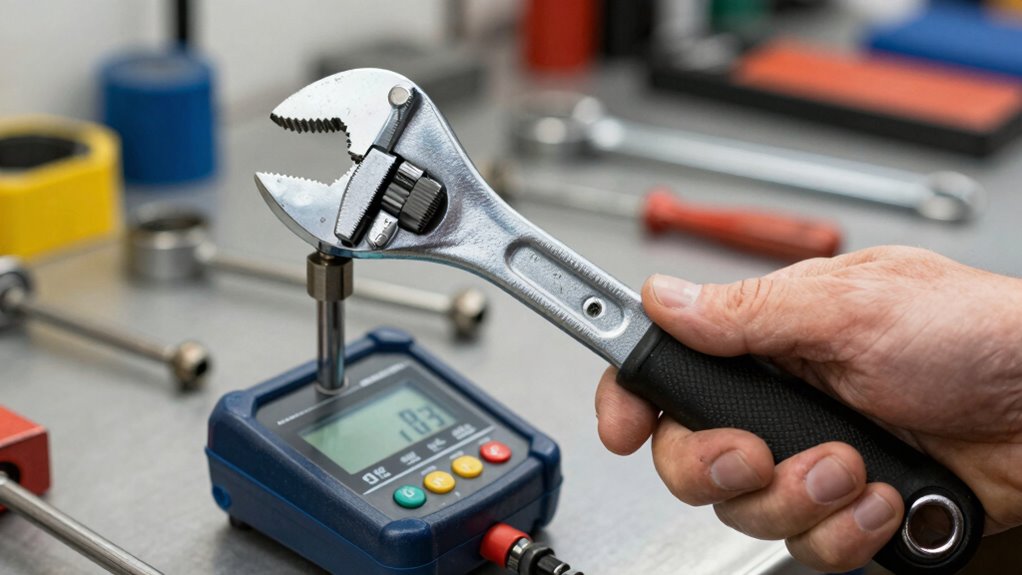
Calibrating your torque wrench guarantees it provides accurate torque readings every time you use it. Start with simple calibration methods, like using a torque tester or sending it to a professional calibration service. Regular calibration ensures your wrench remains reliable and consistent. When calibrating, ensure your wrench is clean and free of debris. Proper storage is vital; store your torque wrench in a protective case, away from extreme temperatures, humidity, and direct sunlight. Avoid leaving it under load or in a compressed state for long periods. Additionally, understanding the importance of regular calibration in maintaining measurement accuracy is essential. This practice helps prevent measurement errors that can compromise your work quality. By following these steps, you maintain your wrench’s accuracy and extend its lifespan. Regular calibration and proper storage are essential practices to trust the “click” and get precise results every time.

LEXIVON Bike Torque Wrench 1/4-Inch Dr. 15-Piece Kit | 72-Tooth Gear, Dual-Direction Click Type 2~26 Nm / 17.7~230.1 in-lb (LX-191)
THE ULTIMATE BIKE TOOL – This 15-Piece bicycle torque wrench features precise scales of 2~26 Newton Meter (17.7~230.1…
As an affiliate, we earn on qualifying purchases.
As an affiliate, we earn on qualifying purchases.
Signs That Your Torque Wrench Needs Recalibration or Replacement
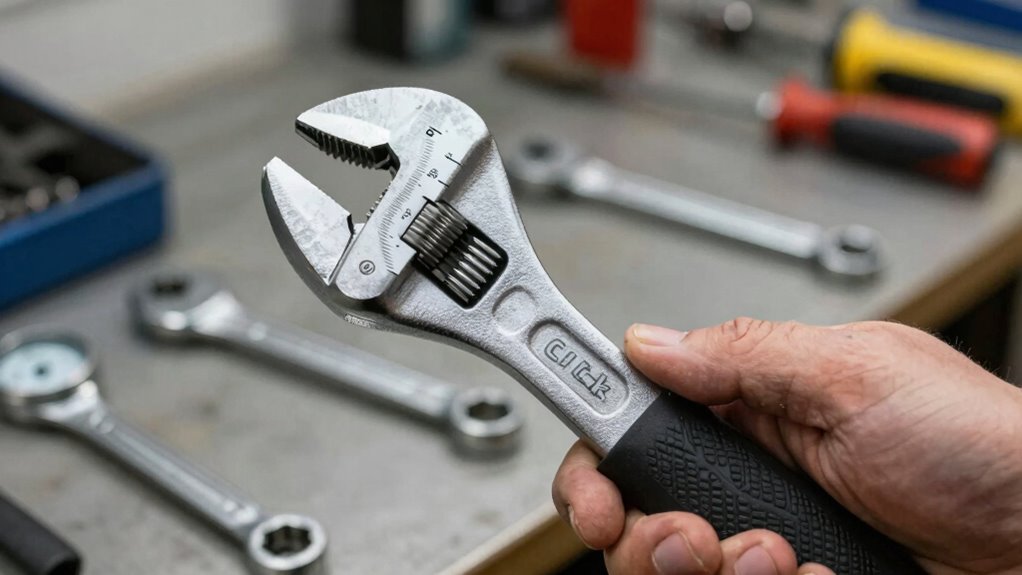
Even with regular calibration and proper storage, your torque wrench may eventually show signs it’s no longer providing accurate readings. If you notice inconsistent torque outputs or difficulty reaching specified settings, it’s a red flag. Pay attention to wear indicators, which signal when parts may be worn out or compromised. Ignoring these signs can lead to over-tightening or under-tightening, risking damage and safety issues. Check your calibration intervals—if they’ve been exceeded, precision suffers. Regularly testing procedures can help maintain the accuracy of your tools and prevent costly mistakes. Additionally, understanding electric dirt bike horsepower can help you assess whether your equipment meets your performance needs. Keep an eye on these key indicators: In addition, understanding affiliate disclosure can help you make informed decisions about purchasing replacements or tools. Staying aware of proper storage techniques can also extend the lifespan of your torque wrench and ensure consistent performance. It’s also beneficial to familiarize yourself with wrench maintenance practices to further safeguard your investment.

Stahlwille 81370002 Durable Plastic Box for Torque Wrench Storage, Organize No 712R/6, 713R/6, 714/1-10, 721/5-20, and More, 550mm Length, 425g Weight, Made in Germany
DURABLE PROTECTION: Safely store and transport your torque wrenches with this high-quality plastic box, providing reliable protection against…
As an affiliate, we earn on qualifying purchases.
As an affiliate, we earn on qualifying purchases.
How to Test Your Torque Wrench at Home for Precision

Do you want to guarantee your torque wrench maintains accurate readings? Regular torque wrench maintenance is essential, and DIY calibration is a simple way to verify precision at home. To test your wrench, you’ll need a reliable calibration bag or a digital scale that measures force. First, set your wrench to a specific torque value, then apply force to the scale until the wrench clicks. Record the reading and compare it to the target torque. If there’s a discrepancy, it indicates the need for calibration or professional servicing. This at-home testing method helps you catch issues early, saving you from unreliable torque settings during critical tasks. Performing these checks routinely keeps your torque wrench accurate and extends its lifespan. Additionally, understanding basic torque wrench maintenance can help you identify potential problems before they impact your work. Incorporating proper calibration techniques ensures consistent accuracy over time. Regularly verifying your torque wrench’s performance is also vital for maintaining tool reliability and ensuring safety during use. Being familiar with force measurement methods can further improve your calibration accuracy and confidence in your tools.
Tips for Maintaining Your Torque Wrench and Extending Its Life
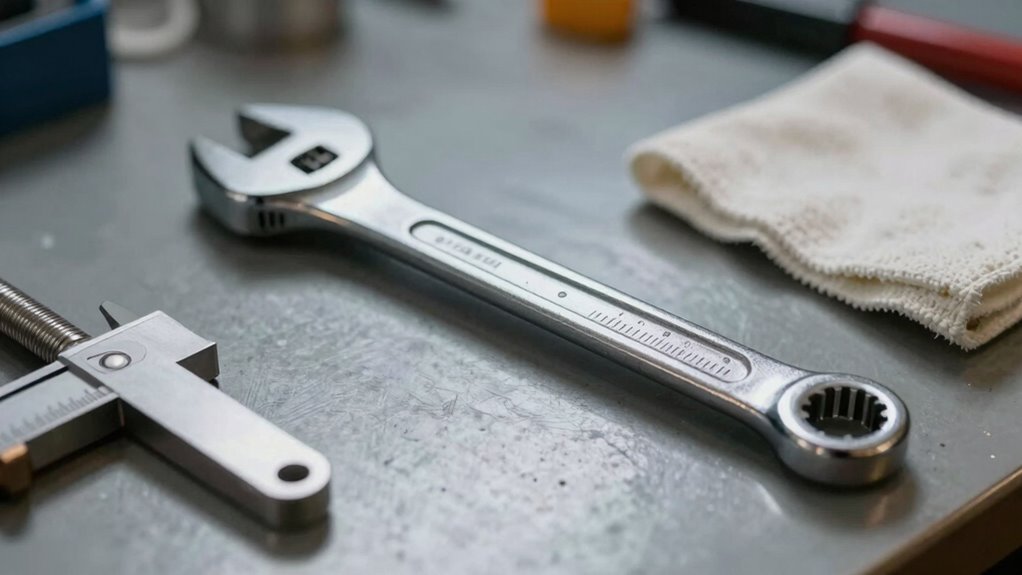
Maintaining your torque wrench properly can ensure its lifespan is extended and consistent, accurate performance. Regularly use calibration tools to check its accuracy and adjust as needed, preventing misreads that could compromise your work. After each use, clean the wrench with a dry cloth to remove dirt and debris, and store it in a protective case to prevent damage. Follow storage tips like keeping it in a cool, dry place away from humidity and extreme temperatures. Avoid over-tightening or dropping the wrench, which can affect calibration and internal components. Periodic calibration and proper storage help maintain precision and extend your wrench’s life. Additionally, understanding cycling gear maintenance can help you keep all your tools and equipment in optimal condition. Remember that proper tool care is essential for ensuring your torque wrench remains reliable and accurate over time. By staying diligent with these maintenance tips, you ensure your torque wrench remains reliable for years to come.
Frequently Asked Questions
How Often Should I Calibrate My Torque Wrench?
You should calibrate your torque wrench at least every 5,000 cycles or once a year, whichever comes first. Regular calibration guarantees accuracy and safety, especially if you use it frequently. Always store your wrench properly in a clean, dry place and avoid dropping it, as improper storage can affect calibration. Keeping up with calibration intervals and proper storage helps maintain your wrench’s precision and reliability over time.
Can Temperature Affect My Torque Wrench’s Accuracy?
Yes, temperature effects can influence your torque wrench’s accuracy. Extreme heat or cold can cause materials to expand or contract, leading to inaccurate readings. To maintain precision, you should consider calibration frequency more often if your wrench is exposed to temperature fluctuations regularly. Keep it in a stable environment and follow manufacturer recommendations for calibration intervals to ensure consistent, reliable results.
What Types of Torque Wrenches Are Most Reliable?
You’ll find that digital torque wrenches are often more reliable, especially if you stay on top of calibration frequency and consider temperature effects. Ironically, the most trusted aren’t always the most expensive; they’re the ones you maintain regularly. By calibrating them often and keeping them away from extreme temperatures, you guarantee your wrench’s “click” is truly trustworthy. Trust me, it’s worth the effort for precision.
Is It Safe to Use a Damaged Torque Wrench?
Using a damaged torque wrench is unsafe because wrench damage can cause inaccurate readings and potential tool failure. Safety concerns arise when a compromised wrench slips or breaks during use, risking injury or improper torque application. Always inspect your wrench for visible damage before use. If you notice any cracks, worn components, or other damage, replace it immediately to guarantee accuracy and safety during your work.
How Do I Choose the Right Torque Setting for My Project?
Like a master chef choosing the perfect spice, you should select the right torque setting based on your project’s specifications. Check the manufacturer’s guidelines, and consider calibration frequency to guarantee accuracy. Remember, temperature effects can alter torque values, so adjust accordingly in extreme conditions. Always use a torque wrench that’s properly calibrated and set it precisely to avoid over-tightening or under-tightening, ensuring safety and ideal performance.
Conclusion
Now that you know the importance of proper calibration, imagine tightening that bolt with confidence, only to realize later it’s not as secure as you thought. Will your wrench hold up when it matters most? Don’t leave it to chance—regularly check and maintain it. The true test of your wrench’s reliability is just around the corner. Are you prepared to guarantee every click counts and keep your projects safe? The choice is yours.