
TL;DR

Get business pricing on monitors, keyboards and dev gear
- Business-only prices and quantity discounts
- Tax-exempt purchasing
- Multiple users, one account, clear invoices
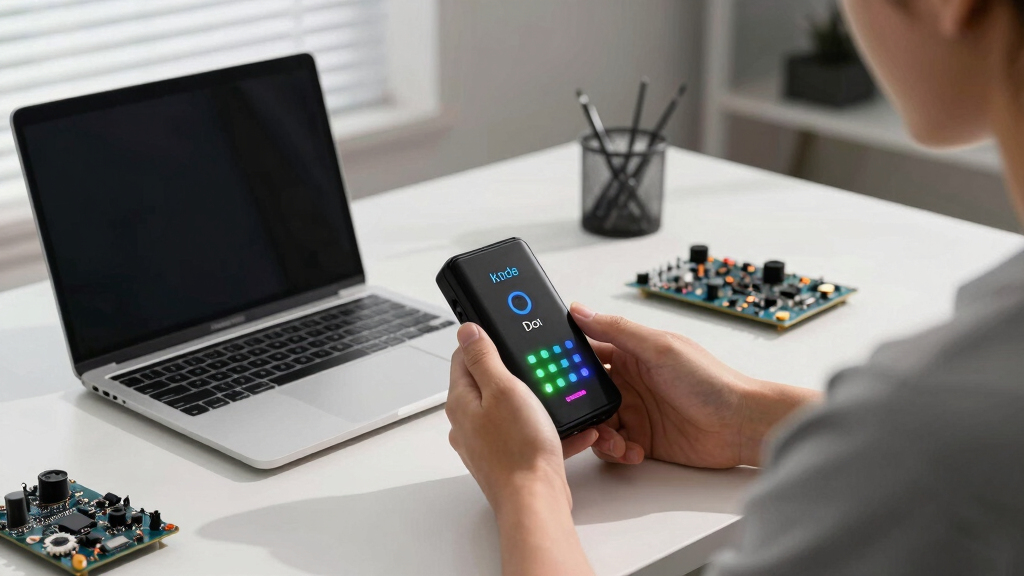
Kode Dot is a new small, programmable device designed for makers, pentesters, and tech enthusiasts. It aims to provide a portable, customizable platform for hacking, development, and experimentation, with early versions now available for testing.
Kode Dot is a new compact, programmable device designed specifically for makers, pentesters, and tech enthusiasts. The device aims to provide a versatile, portable platform for hacking, development, and experimentation, with early versions now accessible for review and testing.
The Kode Dot is a palm-sized device featuring an open-source hardware design and customizable firmware. It includes a variety of interfaces such as USB-C, GPIO pins, and wireless connectivity options, making it suitable for a wide range of technical tasks. The device is powered by a lightweight processor optimized for embedded applications and supports programming in multiple languages, including Python and C.
Manufactured by a startup specializing in hacker and maker tools, Kode Dot is marketed as a pocket-sized device that can be used for network testing, hardware hacking, or as a portable development platform. The company has released initial units for pre-order, with shipping expected to begin in the coming months. The device has garnered attention from the maker and security communities for its compact design and open-source approach.
Potential Impact on Maker and Security Communities
The Kode Dot could significantly influence how makers and pentesters approach portable hacking and development. Its small size combined with customizable features offers a new level of convenience and flexibility, potentially replacing bulkier tools and enabling on-the-go experimentation. The open-source nature encourages community-driven development, which could accelerate innovation and adaptation for specific needs.
Popular right now

Hisense 85 U6 Pro Series Mini-LED ULED 4K UHD HDR Gaming AI Smart Fire TV (85U6SF Pro)

LG 85-inch QNED75B Mini LED Smart TV Bundle with HDMI and CPS Protection Plan

Shark Navigator Robot Vacuum with Self-Empty Base, Dark Grey (RV2120AE)
As an affiliate, we earn on qualifying purchases.
Emergence of Portable, Programmable Devices for Tech Enthusiasts
In recent years, there has been a surge in the development of small, programmable devices aimed at hackers, makers, and security researchers. Devices like the Raspberry Pi, Arduino, and specialized hacking tools have become staples for portable experimentation. The Kode Dot enters this landscape as a dedicated pocket device designed to combine features of these platforms into a compact, user-friendly form factor. Its announcement follows a trend toward more accessible, customizable hardware for technical communities.
“We designed Kode Dot to empower makers and security professionals with a portable, versatile tool that fits in your pocket but packs a punch.”
— Jane Smith, CEO of Kode Tech
Remaining Questions About Kode Dot’s Capabilities and Adoption
Details about the device’s full hardware specifications, long-term durability, and software ecosystem are still emerging. It is also unclear how quickly the device will gain widespread adoption or how it will compare to existing tools in terms of performance and security features. Additionally, the level of community support and third-party development remains to be seen.
Upcoming Releases, Community Feedback, and Developer Support
The company plans to begin shipping initial units within the next two months. Feedback from early testers and community members will shape future firmware updates and hardware revisions. Developers and enthusiasts are expected to start creating custom applications, which could expand the device’s capabilities. Watch for official updates on software support, community forums, and potential integrations with other hacker and maker platforms.
Key Questions
What makes Kode Dot different from existing hacker tools?
Kode Dot is designed to be a pocket-sized, versatile device with open-source hardware and firmware, supporting multiple programming languages and connectivity options, making it more portable and customizable than many existing tools.
Is Kode Dot suitable for beginners?
While primarily aimed at makers and security professionals, the device’s open-source community and documentation aim to make it accessible for motivated beginners interested in hacking, development, and hardware experimentation.
What types of tasks can Kode Dot perform?
It can be used for network testing, hardware hacking, wireless experimentation, and portable development, depending on the installed firmware and community-created applications.
When will Kode Dot be available for purchase?
Initial units are expected to ship within the next two months, with pre-orders already open through the company’s website.
Will Kode Dot support third-party hardware or accessories?
Yes, the device’s open hardware design includes GPIO pins and USB-C interfaces intended for third-party modules and accessories, fostering an ecosystem of custom add-ons.
Source: hn