
📊 Full opportunity report: Your Transgender Voice Journey Starts With Pocket Voice Lab on IdeaNavigator AI — validation score, market gap, and execution plan.

Get business pricing on monitors, keyboards and dev gear
- Business-only prices and quantity discounts
- Tax-exempt purchasing
- Multiple users, one account, clear invoices
TL;DR
Pocket Voice Lab is a new mobile app providing real-time visual feedback on pitch and resonance for transgender voice training. It aims to fill the accessibility gap in speech therapy by offering objective, longitudinal progress tracking. The app is currently in pilot testing with plans for a freemium subscription model.
Pocket Voice Lab has introduced a new mobile application designed to provide real-time acoustic biofeedback for individuals seeking voice feminization or masculinization, primarily transgender and gender-nonconforming people. This development aims to address longstanding barriers to consistent, objective voice training outside of in-person speech-language pathology (SLP) or vocal coaching sessions.
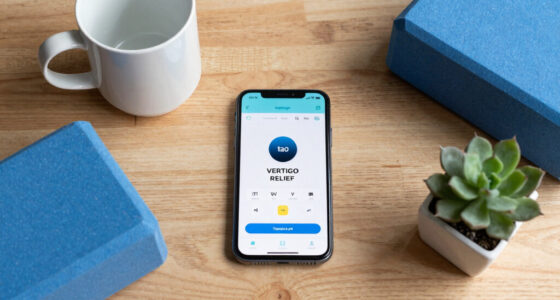
The app, currently in a pilot phase, allows users to record short voice samples and receive immediate visual feedback on fundamental pitch and resonance. It also includes a basic strain indicator based on harmonic-to-noise ratio. Users can access 8-12 guided exercises tailored for gender-affirming voice work, track their progress over time, and generate shareable reports for clinicians. The platform is designed to serve those who lack easy access to in-person therapy due to geographic, financial, or scheduling constraints.
Developed using advancements in smartphone microphone technology and on-device analysis, the app leverages peer-reviewed science which treats voice metrics as clinical biomarkers. The goal is to offer a freemium subscription model, with free daily exercises and paid tiers (~$8-15/month) unlocking unlimited sessions, full progress history, and clinician-sharing features. The company plans to test the app’s effectiveness by measuring user engagement and willingness to pay during the pilot, with an eye toward licensing to clinics and speech therapists in the future.
Impact on Accessibility for Transgender Voice Training
This development is significant because it addresses a critical gap in gender-affirming care. Many transgender individuals face barriers to ongoing voice therapy due to cost, location, or lack of qualified providers. By providing real-time, objective feedback through a mobile platform, Pocket Voice Lab could empower users to practice more effectively and track their progress independently. If successful, it could reduce reliance on costly in-person sessions and enhance the scalability of voice training, ultimately improving quality of life for many in the transgender community.
Popular right now

Bose QuietComfort Ultra Headphones (2nd Gen), Wireless Noise Cancelling Over-Ear Headphones, Driftwood Sand

TCL 75-Inch Class 4-Series 4K UHD HDR Smart Google TV (75S446, 2022)

Shark PowerPro Reveal Plus Cordless Stick Vacuum, Charcoal (IZ376H)
As an affiliate, we earn on qualifying purchases.
Growing Demand for Accessible Voice Therapy Tools
The need for accessible, affordable voice training solutions has been documented extensively, with peer-reviewed research recognizing voice as a clinical biomarker for gender-affirming care. Existing tools like TruVox and Attuned have validated the demand for AI-powered voice coaching, and apps like Vocal Image have demonstrated that consumers are willing to pay for voice feedback at scale, with over 4 million downloads reported. The gap in continuous, objective feedback remains a barrier for many seeking to modify their voice outside clinical settings.
Recent technological advances in smartphone microphones and real-time analysis have made portable biofeedback feasible, prompting startups and researchers to develop new solutions. The current pilot of Pocket Voice Lab aligns with this trend, aiming to bring a scientifically validated, user-friendly tool to a large underserved market.
“Advances in smartphone technology and acoustic analysis now make real-time biofeedback practical outside of lab environments.”
— an anonymous researcher
Uncertainties About Long-Term Effectiveness
It is not yet clear how effective the app will be in producing sustained voice changes compared to traditional therapy. The pilot phase will evaluate user engagement and satisfaction, but long-term clinical outcomes remain to be validated through controlled studies. Additionally, the app’s ability to serve diverse voice goals, beyond gender-affirming work, is still under development.
Next Steps for Validation and Expansion
The company plans to complete its pilot testing within the next few months, measuring user retention, progress, and willingness to pay. Based on pilot results, they will refine the app and potentially expand features, including multi-persona voice training and broader accent work. Successful validation could lead to wider rollout, licensing to clinics, and integration into standard gender-affirming care protocols.
Key Questions
How does Pocket Voice Lab provide feedback?
The app analyzes recordings in real-time to display pitch, resonance, and strain indicators visually, helping users adjust their voice accordingly.
Who is the target user for this app?
Primarily transgender and gender-nonconforming individuals seeking voice feminization or masculinization, as well as public speakers and singers wanting ongoing coaching.
Is this a replacement for in-person therapy?
Not necessarily; it aims to complement traditional therapy by providing continuous, objective practice and tracking outside of sessions.
What is the cost structure?
The app will offer a free tier with daily exercises and a paid subscription (~$8-15/month) for unlimited access and additional features.
When will the app be widely available?
Following successful pilot testing and refinement, a broader release is expected within the next year, with potential licensing to clinics afterward.
Source: IdeaNavigator AI