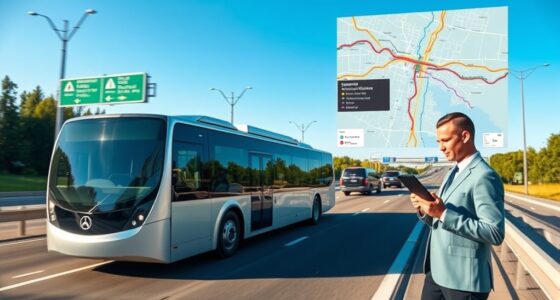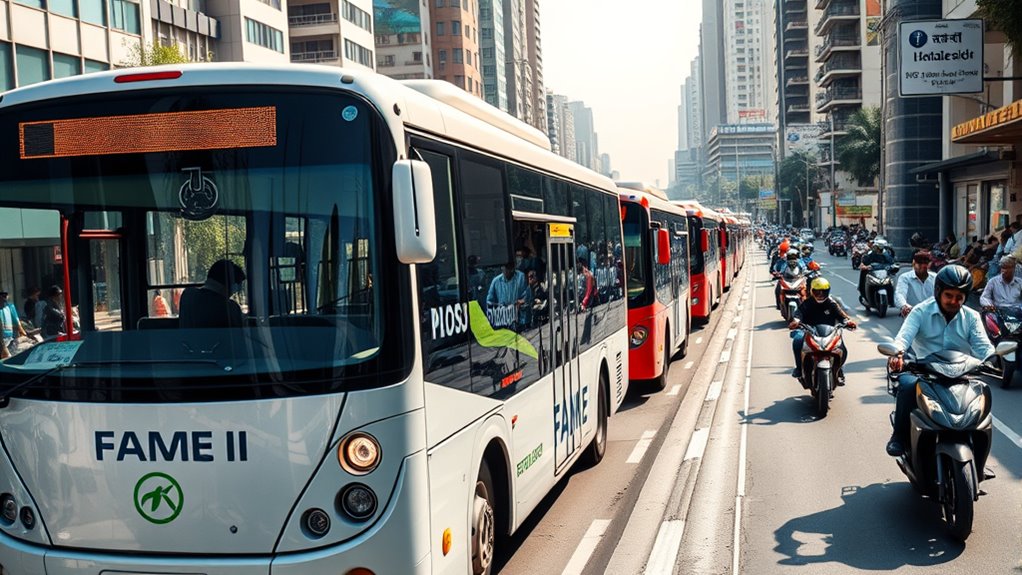
India’s FAME II program boosts your options by encouraging state transport undertakings to adopt electric vehicles through subsidies and incentives. It makes replacing traditional fleets more affordable, with many agencies switching to electric buses and taxis. The program also supports building charging infrastructure and innovative financing, making electric transport more practical and sustainable. To understand how these initiatives are transforming transportation across India, keep exploring the details behind this impactful program.
Key Takeaways
- FAME II provides subsidies and incentives that lower procurement costs for electric buses, encouraging state transport adoption.
- The program promotes expansion of charging infrastructure, making electric fleets more practical for state agencies.
- Incentives reduce financial burdens, enabling state transport undertakings to replace fossil fuel vehicles with electric alternatives.
- Adoption of EVs aligns with environmental goals, leading to long-term operational savings for state transport services.
- Development of innovative financing options under FAME II supports the scaling of electric fleets by state authorities.
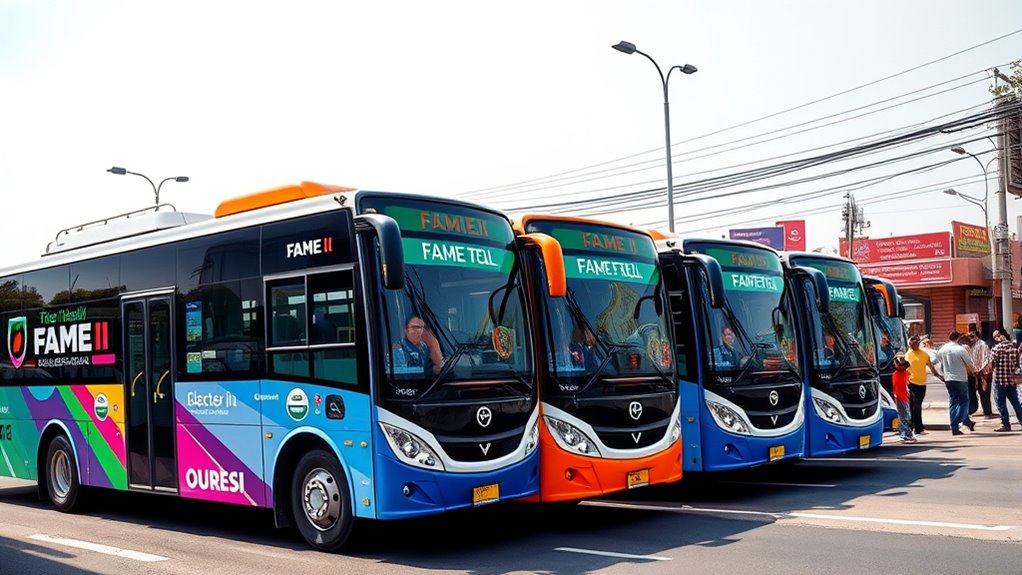
Have you ever wondered how India is accelerating its shift to cleaner transportation? The country’s push toward sustainable mobility has gained significant momentum through programs like FAME II, which aims to promote electric vehicle adoption across the nation. As a result, you’ll find that government incentives play a fundamental role in making electric vehicles more accessible and attractive to both consumers and transport operators. The incentives reduce upfront costs, making EVs a feasible alternative to conventional fuel-powered vehicles, especially for state transport undertakings that operate large fleets. These government incentives include subsidies, reduced taxes, and benefits like free charging stations, all designed to encourage transport agencies to transition to electric fleets faster.
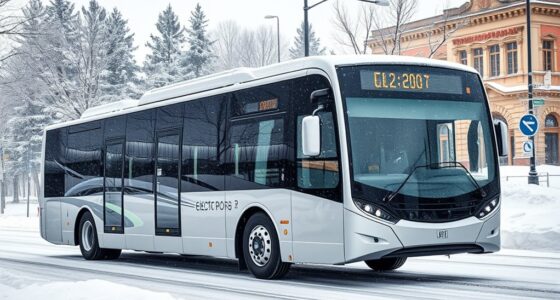
When you look at how the program influences state transport undertakings, you’ll notice that the incentives directly impact their decision-making process. Many state-run bus services and municipal transport agencies are now more willing to adopt electric vehicles because the financial burden decreases considerably. The government’s support makes it easier for these entities to replace aging diesel buses with electric ones, which are cheaper to operate and maintain in the long run. The move not only aligns with India’s environmental goals but also offers operational savings, which is essential for public transport systems operating under tight budgets.
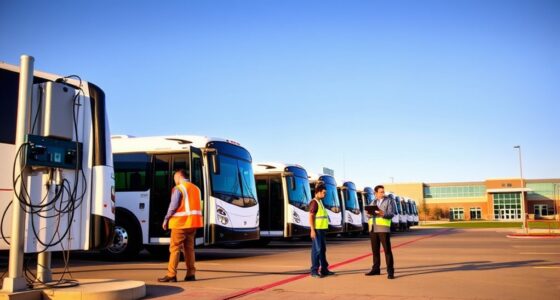
Furthermore, electric vehicle adoption under FAME II isn’t just about individual vehicle purchases; it’s about creating a sustainable ecosystem. The program encourages the development of charging infrastructure, which is indispensable for the widespread adoption of EVs. As a result, you’re likely to see more charging stations popping up across cities, making electric buses and taxis more practical for daily use. This infrastructure development is fundamental for transport undertakings because it reduces range anxiety and promotes confidence in electric fleets. The government’s incentives also extend to innovative financing options, enabling transport agencies to access low-interest loans or leasing arrangements, further easing the transition. Additionally, the integration of solar panels and battery storage solutions can further enhance the sustainability and efficiency of electric transport systems.

The 2027-2032 World Outlook for Electric Bus Charging Stations
As an affiliate, we earn on qualifying purchases.
As an affiliate, we earn on qualifying purchases.
Frequently Asked Questions
How Does FAME II Funding Vary Across Different States?
You’ll notice that FAME II funding varies across states due to funding disparities and regional policies. Some states receive more support because they prioritize electric mobility and have proactive policies, while others lag behind. This uneven distribution reflects differing regional capabilities and commitments. Consequently, funding disparities influence how quickly states adopt electric buses, highlighting the importance of tailored regional policies to guarantee balanced progress nationwide.
Are There Specific Eligibility Criteria for STUS to Access FAME II Benefits?
You need to meet specific eligibility requirements to access FAME II benefits, such as being a State Transport Undertaking (STU) involved in public transportation. To apply, you should follow the designated application procedures outlined by the government, including submitting necessary documents and completing the application forms. Ensuring you meet all criteria and carefully following the application process can help you secure the benefits efficiently.
What Are the Long-Term Sustainability Prospects for FAME Ii-Supported STUS?
Imagine a tree rooted in hope, thriving with proper care. Your FAME II-supported STUs can stay sustainable long-term if they invest in battery recycling and expand charging infrastructure. These elements guarantee a continuous energy cycle and reduce environmental impact. With consistent government support and technological innovation, your STUs can grow resilient, turning clean transportation into a lasting legacy—like a sturdy tree that continues to flourish for generations.
How Does FAME II Impact the Operational Costs of State Transport Undertakings?
FAME II reduces your operational costs by lowering fuel expenses and electric bus maintenance. You’ll notice significant fuel savings because electric buses consume less energy compared to traditional fuel-powered vehicles. Additionally, maintenance costs decrease since electric buses have fewer moving parts and require less frequent repairs. This helps you save money over time, making your transport undertaking more financially sustainable while also supporting eco-friendly initiatives.
What Challenges Do STUS Face in Implementing Electric Buses Under FAME II?
You face challenges in implementing electric buses under FAME II, mainly in establishing reliable charging infrastructure and managing vehicle procurement costs. Limited charging stations can cause delays and operational inefficiencies, while high procurement costs hinder fleet expansion. You need strategic planning to develop adequate charging facilities and negotiate better deals for vehicle procurement, ensuring a smooth progression to electric buses and maximizing the benefits of FAME II.

TopAutoGear EV Charger, 16Amp 110V/240V Portable Level 1 Level 2 Electric Vehicle Charging Station with NEMA 6-20 Plug & NEMA 5-15 Adapter for J1772 Electric Cars.
UNIVERSAL J1772 COMPATIBILITY:Compatible with most North American electric vehicles and plug-in hybrids using the SAE J1772 standard. Tesla…
As an affiliate, we earn on qualifying purchases.
As an affiliate, we earn on qualifying purchases.
Conclusion
So, after all this, it’s ironic how India’s FAME II program aims to revolutionize transport, yet many state undertakings still struggle with outdated infrastructure and slow adoption. You’d think the push for electric mobility would spark a quick change, but sometimes progress feels more like a slow, uphill climb. Maybe, in the end, the real challenge isn’t just technology, but convincing everyone that change is actually worth the wait.

AJC Battery Compatible with Rascal Taxi 4 12V 12Ah Mobility Scooter Battery
This is an AJC Brand Replacement for a Rascal Taxi 4 12V 12Ah Mobility Scooter Battery
As an affiliate, we earn on qualifying purchases.
As an affiliate, we earn on qualifying purchases.
FAME II electric vehicle subsidies
As an affiliate, we earn on qualifying purchases.
As an affiliate, we earn on qualifying purchases.