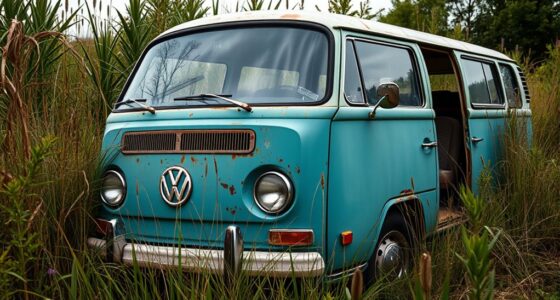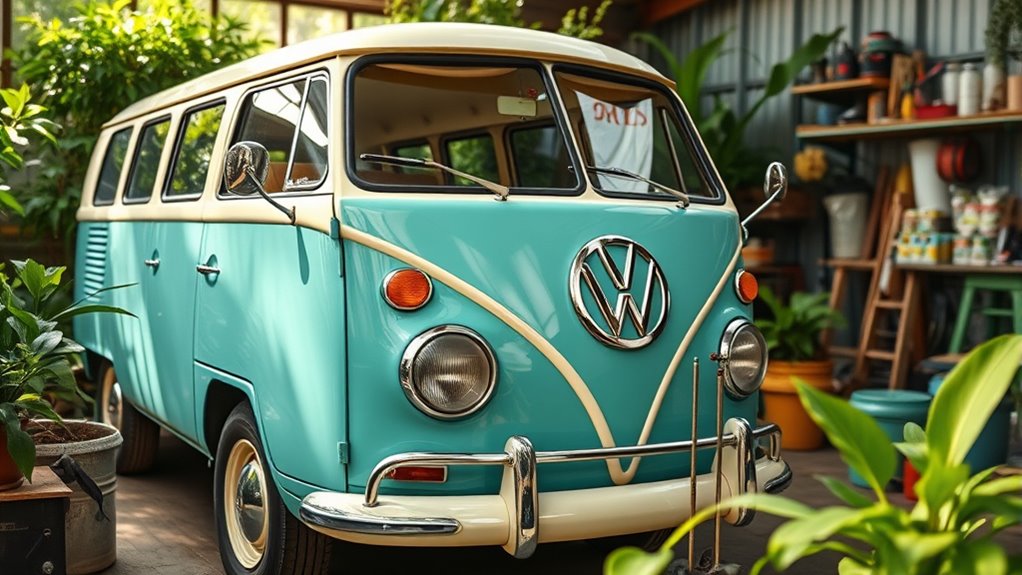

To preserve the historic value of your classic VW bus, focus on maintaining original details like paint color and authentic parts, while making strategic upgrades for safety and usability. Rebuilding or restoring the engine, using period-correct materials, and documenting your progress helps keep its vintage charm intact. Balancing preservation with thoughtful enhancements ensures your bus remains a valuable and authentic symbol of its era. Continue exploring to uncover essential tips and techniques for an exceptional restoration.

Get business pricing on monitors, keyboards and dev gear
- Business-only prices and quantity discounts
- Tax-exempt purchasing
- Multiple users, one account, clear invoices
Key Takeaways
- Use original or high-quality reproduction parts to maintain historical authenticity and value.
- Carefully restore or replace key components like the engine, interior, and wiring to preserve originality.
- Document all restoration steps and parts used to enhance the vehicle’s collectible appeal.
- Preserve original paint or choose period-accurate colors to retain historic integrity.
- Balance preservation with strategic upgrades to improve safety and usability without compromising authenticity.

Have you ever wondered what makes restoring a classic VW bus so rewarding? It’s the thrill of bringing a piece of history back to life, turning a worn-down vehicle into a vibrant symbol of freedom and adventure. One of the most critical aspects of this process is engine restoration. You’ll find that rebuilding or rejuvenating the engine not only boosts performance but also preserves the authenticity of your bus. Carefully sourcing original parts or high-quality reproductions ensures you stay true to the vehicle’s roots. During engine restoration, you might need to clean, rebuild, or replace components like the carburetor, cylinders, or wiring. Taking the time to do this right means your VW bus will run smoothly, sounding just as it did decades ago, and maintaining its value for years to come. Additionally, consulting vetted restoration guides can help ensure you follow best practices and preserve the vehicle’s integrity.
Equally important is interior refurbishment. The inside of your classic VW bus is where you spend most of your time, so restoring it to its former glory makes a significant difference. Start by cleaning out years of dirt and grime, then assess what needs replacing, whether it’s the seats, upholstery, or dashboard. Using period-correct fabrics and materials helps keep the authenticity intact, but modern upgrades can also improve comfort without compromising style. For example, restoring or replacing the original carpeting, adding a new headliner, or refurbishing the cabinetry can transform your bus into a cozy, nostalgic space. Remember, attention to detail matters: replacing worn-out knobs, restoring the steering wheel, and fixing any electrical issues all contribute to a seamless, inviting interior.
Throughout the restoration process, it’s essential to strike a balance between preserving the vintage charm and upgrading where necessary. Maintaining the original paint or opting for a period-accurate color scheme preserves the bus’s historic value, while strategic upgrades can improve safety and usability. As you work on these details, keep in mind that each choice impacts the bus’s overall authenticity and potential future value. Documenting your progress and sourcing original or period-appropriate parts not only keeps the project true to its roots but also enhances its collectible appeal. Restoring a classic VW bus is more than just fixing a vehicle; it’s about safeguarding a symbol of a bygone era that continues to inspire generations. When you complete your restoration, you’ll feel a deep sense of accomplishment knowing you’ve preserved a piece of history for years to come.
Top picks for "preserv classic restoration"
As an affiliate, we earn on qualifying purchases.
Frequently Asked Questions
What Are the Best Resources for Sourcing Vintage VW Parts?
You can find vintage VW parts through reputable restoration shops that specialize in classic vehicles, ensuring quality and authenticity. Additionally, online marketplaces like eBay and specialty VW parts websites are excellent sources for hard-to-find components. Combining these options allows you to compare prices and options, making your restoration process smoother. Just be sure to verify seller credibility and product authenticity to keep your vintage VW bus as original as possible.
How Can I Verify the Authenticity of a Classic VW Bus?
To verify your classic VW bus’s authenticity, look for key authenticity markers like VIN numbers, original badges, and factory paint codes. Be cautious of restoration myths that suggest all visible parts are original; some may have been replaced. Cross-reference these markers with official archives or VW registries. Trusted experts and detailed documentation can also confirm if your bus is genuine, helping you preserve its historic value accurately.
What Are Common Rust Issues in Vintage VW Buses?
You’ll often find rust issues in vintage VW buses around the wheel wells, floor pans, and undercarriage. To prevent rust, regularly apply rust prevention treatments and keep the bus dry. When rust appears, focus on body repair by removing rusted panels, treating the area, and sealing it properly. Staying proactive with rust prevention and timely body repair helps preserve your bus’s historic value and keeps it looking great.
How Do I Maintain the Engine During Restoration?
To maintain your engine during restoration, regularly check and change the engine oil to keep it lubricated and running smoothly. Inspect the cooling system for leaks or corrosion, and flush it if necessary to prevent overheating. Keep the fan belts tight and clean, and ensure spark plugs are in good condition. Proper maintenance of these parts helps preserve your VW bus’s engine performance and extends its lifespan.
Are There Any Specific Preservation Techniques for Original Paint?
They say “a stitch in time saves nine,” and that’s true for preserving original paint. To protect your VW bus’s historic value, focus on gentle cleaning and avoid harsh chemicals. Use careful touch-up techniques with matching paint to fill chips or scratches, maintaining the authenticity. Applying a clear coat can also help preserve the original paint and prevent further damage, ensuring your bus retains its vintage charm for years to come.
Conclusion
So there you have it—your ticket to becoming the ultimate VW bus whisperer. With a bit of elbow grease and a dash of patience, you’ll turn that rust bucket into a vintage showstopper. Just remember, nothing says “I’ve got my life together” like meticulously restoring a relic that’s older than most of your playlist. So go ahead, embrace the chaos, and prove that even a classic VW can have a comeback story—preferably with a shiny new paint job.
Halloween Picks
halloween
As an affiliate, we earn on qualifying purchases.