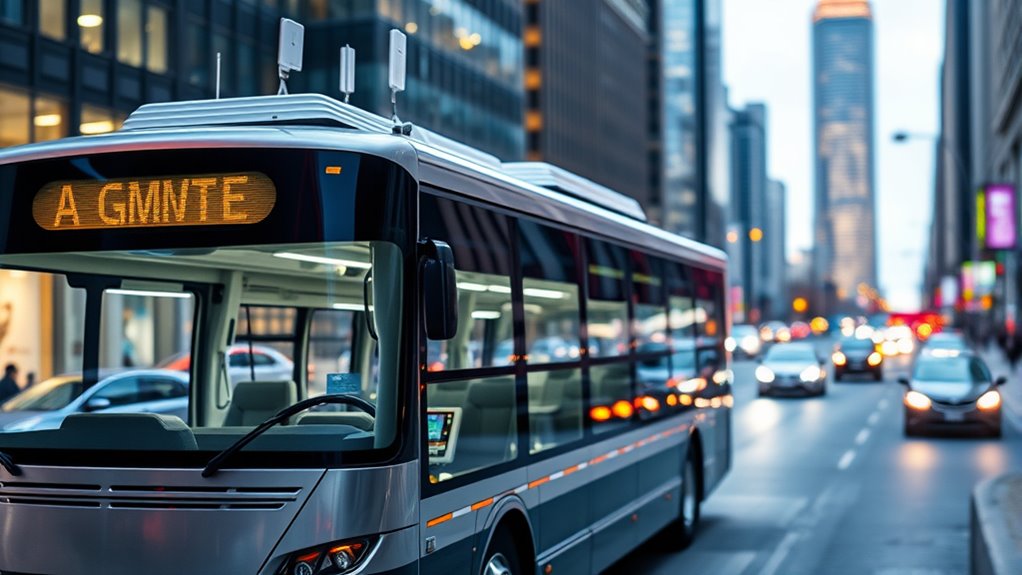

Over-the-air updates are changing buses by allowing you to get software improvements without physical maintenance. These updates make vehicles safer, smarter, and more adaptable to urban demands, enhancing autonomous features, safety systems, and efficiency. They reduce downtime and maintenance costs while improving passenger experience. With strong cybersecurity measures, these updates stay secure against threats. If you want to understand how this technology will shape the future of transportation, keep exploring this exciting transformation.

Get business pricing on monitors, keyboards and dev gear
- Business-only prices and quantity discounts
- Tax-exempt purchasing
- Multiple users, one account, clear invoices
Key Takeaways
- OTA updates enable continuous software improvements, making buses smarter, safer, and more adaptable over time.
- Autonomous features can be refined and expanded remotely, enhancing safety and urban navigation.
- Software updates reduce fleet downtime and maintenance costs by addressing issues proactively.
- Robust cybersecurity measures protect buses from cyber threats during remote updates, ensuring passenger safety.
- Over-the-air updates extend vehicle lifespan and improve overall operational efficiency for public transit.
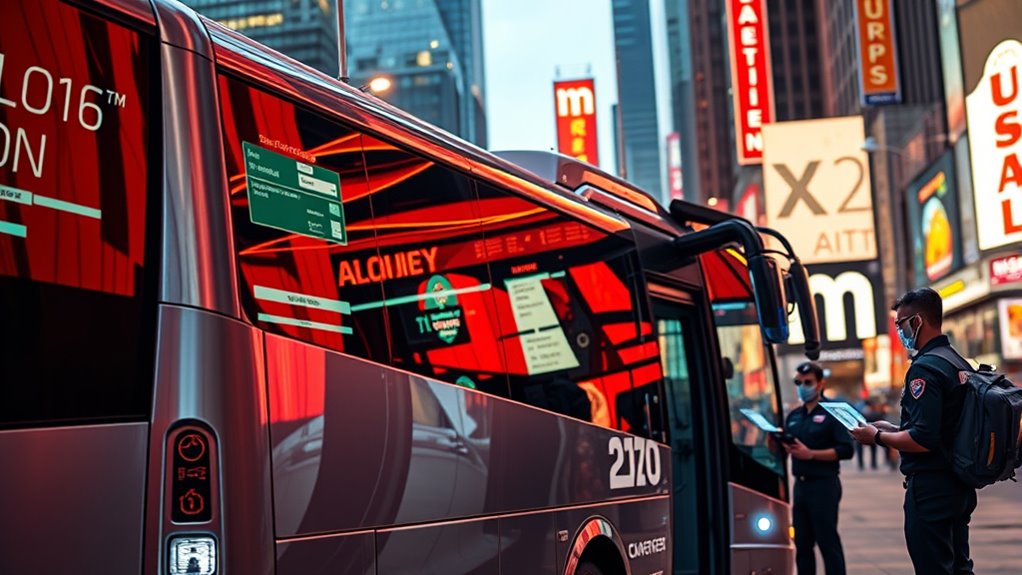
Have you ever wondered how future vehicles will adapt to changing technology and user needs? With the rise of software defined vehicles, the answer lies in the ability to update and enhance vehicle functions remotely. This technology is especially transformative for buses, which can now receive over-the-air updates that improve safety, efficiency, and user experience without ever needing to visit a service center. Central to this evolution are autonomous features, which allow buses to navigate roads more safely and efficiently, and cybersecurity measures, ensuring these digital systems stay protected from malicious attacks. As a passenger or operator, you’ll notice that buses become smarter and more adaptable over time, thanks to continuous software improvements.
Autonomous features are at the heart of this transformation. These capabilities include advanced driver-assistance systems like lane keeping, collision avoidance, and adaptive cruise control. With over-the-air updates, these systems can be refined and expanded without hardware changes, making buses safer and more reliable. Imagine a bus that can handle complex urban environments better because its software learns from real-world data, or one that can integrate new sensors and algorithms seamlessly. This constant evolution keeps the fleet up-to-date with the latest safety standards and operational efficiencies, reducing downtime and maintenance costs. Plus, autonomous features can assist drivers by reducing workload, leading to fewer accidents and enhanced passenger safety.
Autonomous features enhance safety, reliability, and urban adaptability through continuous over-the-air updates and sensor integration.
However, with all this connectivity comes the critical need for robust cybersecurity measures. Since software updates are delivered remotely, safeguarding these updates against cyber threats is essential. Hackers could potentially try to manipulate or disrupt the update process, which could compromise the safety of the vehicle or passenger data. That’s why manufacturers invest heavily in cybersecurity measures—encryption protocols, secure communication channels, and continuous monitoring—to protect the integrity of the vehicle’s systems. Ensuring these measures are in place not only prevents malicious attacks but also builds trust among users and operators, knowing that their transportation system is secure. The integration of cybersecurity measures is fundamental in maintaining the reliability of autonomous features and ensuring the safety of everyone on board.
As a passenger or fleet operator, you’ll benefit from the continuous improvements delivered through over-the-air updates. Your bus becomes more capable over time, offering a safer, more efficient ride. At the same time, you’ll feel confident knowing that the system is protected against cyber threats. This combination of autonomous features and cybersecurity measures enables a future where public transportation is smarter, safer, and more responsive to the ever-changing landscape of technology and user needs. The era of software defined vehicles is here, and it’s revolutionizing how buses serve communities, one update at a time. Ongoing software updates ensure the vehicle’s systems stay current and secure, maximizing operational longevity and safety.
Frequently Asked Questions
How Secure Are Over-The-Air Updates for Buses?
Over-the-air updates for buses are generally secure, but you should stay cautious about cybersecurity vulnerabilities and data privacy concerns. Manufacturers implement encryption, secure authentication, and regular security patches to protect your vehicle’s systems. However, no system is entirely risk-free, so it’s crucial to stay updated on security practices and guarantee your bus’s software is always current to minimize potential threats.
What Are the Cost Implications of Implementing SDV Technology?
Imagine planting a seed that grows into a cost-efficient tree. Implementing SDV technology involves upfront investment costs, but it unlocks long-term cost savings through reduced maintenance and improved efficiency. You’ll find savings in fewer visits to the workshop, optimized routes, and smarter resource allocation. While initial expenses might seem high, the ongoing benefits outweigh them, making your fleet more adaptable and economical over time.
How Do OTA Updates Impact Bus Maintenance Schedules?
OTA updates streamline your bus maintenance by reducing downtime and optimizing fleet scheduling. With real-time software improvements, you can address issues proactively, preventing breakdowns and enhancing maintenance efficiency. This approach minimizes the need for manual interventions and scheduled inspections, allowing you to keep buses running smoothly. As a result, your fleet operates more reliably, and maintenance costs decrease, giving you better control over operational schedules and overall fleet performance.
Are There Regulatory Challenges for Software Updates in Public Transport?
You should know that over-the-air updates in public transport face regulatory challenges, with around 60% of operators concerned about legal compliance. Privacy concerns are a key issue, as passenger data must be protected during updates. Regulations vary by region, making it vital to guarantee each update meets local standards. Staying ahead requires understanding these rules to avoid legal pitfalls and ensure seamless, compliant software enhancements for your fleet.
Can Passengers Experience Disruptions During Software Updates?
You might wonder if passengers experience disruptions during software updates. Typically, updates are scheduled during off-peak hours to minimize impact, ensuring passenger comfort remains intact. Modern systems are designed to run updates seamlessly in the background, so you won’t notice interruptions. By carefully planning update scheduling, transit operators aim to keep buses running smoothly, allowing you to travel without inconvenience or discomfort during maintenance or upgrades.
Conclusion
As you embrace the future of software-defined vehicles, over-the-air updates will revolutionize how buses operate, making them smarter and more adaptable than ever before. Imagine a world where your bus can learn, improve, and fix itself overnight—an almost sci-fi level transformation. This technology isn’t just changing transportation; it’s redefining what’s possible on the road. Get ready, because the future of buses is about to become more dynamic and exciting than you ever imagined!
Evergreen bestsellers Picks
bestsellers
As an affiliate, we earn on qualifying purchases.