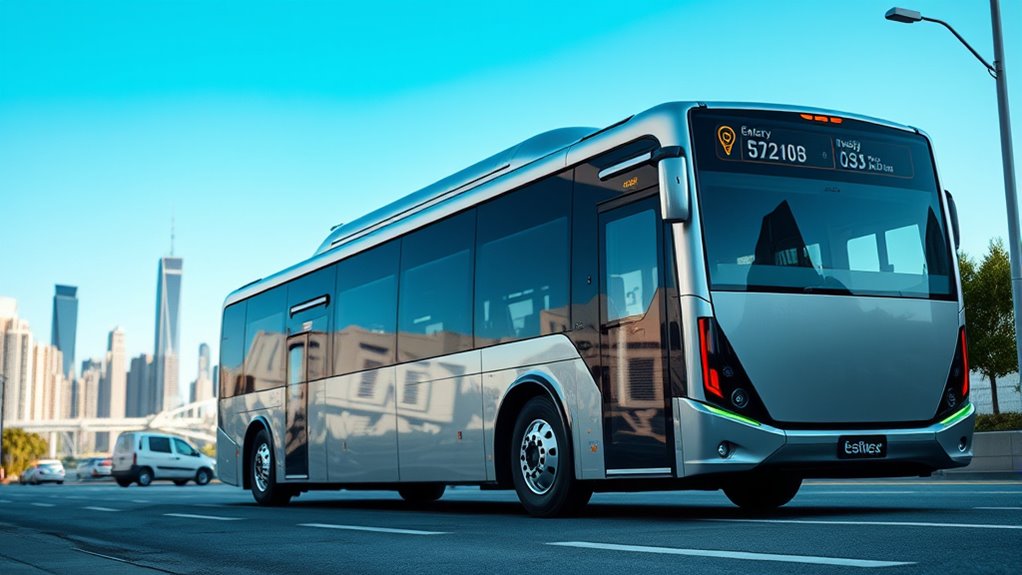

Choosing the right battery size directly impacts your bus operation costs and efficiency. Oversizing your batteries leads to higher upfront expenses, increased weight, and faster degradation, which can drain your budget. Optimizing the battery size guarantees sufficient range without unnecessary costs or added weight, helping extend battery life and improve performance. Proper sizing balances charging needs and route demands, reducing infrastructure investments. Keep exploring to discover how fine-tuning battery size can maximize your bus’s operational savings.
Key Takeaways
- Oversized batteries increase upfront costs and maintenance, reducing overall economic efficiency.
- Properly optimized batteries balance range needs with minimal weight and cost, enhancing operational performance.
- Larger batteries demand more advanced, costly charging infrastructure and higher energy costs.
- Oversizing accelerates battery degradation, leading to frequent replacements and higher lifecycle expenses.
- Optimized battery sizing aligns with route demands, maximizing vehicle efficiency and minimizing unnecessary charging cycles.

Choosing the right battery size is essential for maximizing the economic efficiency of electric buses. When you select a battery that’s too large, you might think you’re ensuring plenty of range and reducing the risk of running out of power, but in reality, oversizing can lead to unnecessary costs. Larger batteries are more expensive upfront, and their added weight can reduce the bus’s overall efficiency. Plus, they often require more frequent or higher-capacity charging, which can strain your charging infrastructure and increase operational costs. On the other hand, a battery that’s too small might save money initially, but it could compromise your bus’s range and reliability, forcing you to make more stops for charging or even limiting routes altogether.
Battery longevity plays a major role in your decision, because a larger battery, although it might last longer per charge, can degrade faster if it’s frequently charged and discharged at high rates. Properly sizing your battery means finding that balance where the battery can serve your daily route needs without excessive cycling that accelerates wear and tear. When you optimize battery size, you help extend its lifespan, which ultimately reduces replacement costs and downtime. This is especially important because replacing batteries is one of the most significant expenses in electric bus operations. You want to avoid the temptation of oversizing just for extra margin, as it can lead to premature degradation of the battery, negating the initial savings.
Charging infrastructure is another critical factor in this equation. If you opt for a larger battery, you’ll likely need more robust charging stations or faster chargers to keep the buses operational. This investment can be substantial, and if your infrastructure isn’t ready, it can cause delays or require costly upgrades. Conversely, a properly sized battery that aligns with your existing charging capabilities allows you to operate efficiently without overhauling your infrastructure. Smart planning involves matching your battery size to your charging capacity and route demands, ensuring that you can charge effectively without unnecessary delays or costs. By doing so, you minimize the wear on your charging equipment and reduce energy costs associated with overcharging or inefficient charging cycles.
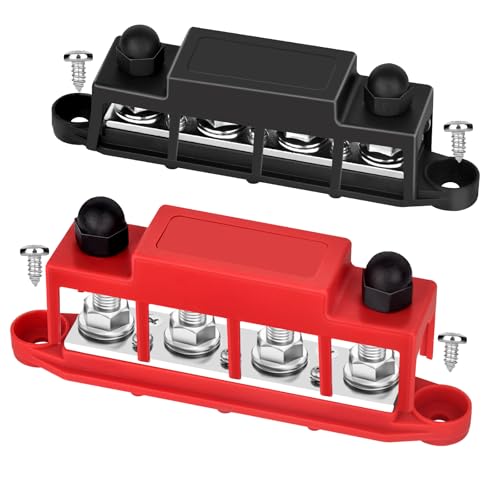
Power Distribution Block 12V 250A 4 x 5/16"(M8) Stud Bus Bar Tinned Copper Electrical Battery Terminal Block for Boat Automotive Solar Wiring
High-Purity Tinned Copper Construction: Made from premium electrolytic copper for superior conductivity, with a tin-plated surface to prevent…
As an affiliate, we earn on qualifying purchases.
As an affiliate, we earn on qualifying purchases.
Frequently Asked Questions
How Does Battery Size Influence Overall Bus Maintenance Costs?
You’ll find that larger batteries can increase maintenance costs due to longer charging times and more complex systems, which may lead to higher maintenance frequency. However, if you optimize battery size wisely, you can extend battery lifespan and reduce overall upkeep. Oversizing often results in unnecessary wear and tear, raising costs, while an appropriately sized battery balances performance and maintenance, saving you money over time.
What Are the Environmental Impacts of Oversizing Batteries?
Oversizing batteries can cause environmental havoc, like a storm of resource extraction and massive battery recycling challenges. You’d be pulling more raw materials from the earth than necessary, depleting resources faster and risking ecological damage. Plus, larger batteries mean more waste when they reach end-of-life, amplifying recycling efforts. So, oversizing isn’t just inefficient—it’s a reckless strain on our planet’s precious resources.
How Does Battery Size Affect Bus Charging Infrastructure Requirements?
You’ll find that larger batteries require more robust charging station capacity and higher power supply needs. As battery size increases, you’ll need to install charging infrastructure with greater power output to guarantee quick, efficient charging. This means upgrades to your existing charging stations or new installations designed to handle higher loads. Proper planning helps avoid bottlenecks, reduces downtime, and ensures your buses stay operational without costly delays.
Can Smaller Batteries Compromise Bus Range and Performance?
Smaller batteries can compromise bus range and performance if they don’t support ideal battery longevity and power consistency. You might experience reduced driving distances and inconsistent power delivery, especially during peak loads or hilly routes. To avoid these issues, you need to carefully balance battery size with your operational needs, ensuring the battery remains reliable and efficient over time without sacrificing essential performance and longevity.
What Are the Long-Term Economic Benefits of Optimized Battery Sizing?
Optimizing your battery size extends battery lifespan and enhances energy efficiency, leading to long-term economic benefits. By avoiding oversizing, you reduce unnecessary costs and minimize wear and tear, which lowers maintenance expenses. This approach guarantees your bus operates efficiently over time, saving money and improving reliability. You’ll benefit from decreased replacement frequency and better overall performance, making your investment more cost-effective in the long run.

EV Charging Station Setup and Maintenance Manual
As an affiliate, we earn on qualifying purchases.
As an affiliate, we earn on qualifying purchases.
Conclusion
Choosing the right battery size is like finding the perfect puzzle piece—you don’t want one too big or too small. Oversizing can drain your budget faster than a speeding train, while ideal sizing keeps costs in check and performance high. By balancing battery size with your bus’s needs, you ensure smooth operation without unnecessary expense. Remember, a well-sized battery is the backbone of a financially healthy and efficient electric bus fleet—don’t let it be the weak link.

Victron Energy Version 2 VE.Bus BMS Battery Management System
New version of BMS designed for use with Victron Smart Lithium batteries
As an affiliate, we earn on qualifying purchases.
As an affiliate, we earn on qualifying purchases.

EVIQO Level 2 EV Charger, 40-48 Amp, J1772 for Non-Tesla EVs, 25ft Cable, WiFi (2.4GHz) Smart App, Weatherproof Indoor/Outdoor (IP66, NEMA 4), UL & ETL Certified, Hardwired 240V, 11.5kW
WAKE UP FULLY CHARGED: EVIQO Level 2 EV charger with an output of 40A – 48A (11.5 kW)…
As an affiliate, we earn on qualifying purchases.
As an affiliate, we earn on qualifying purchases.