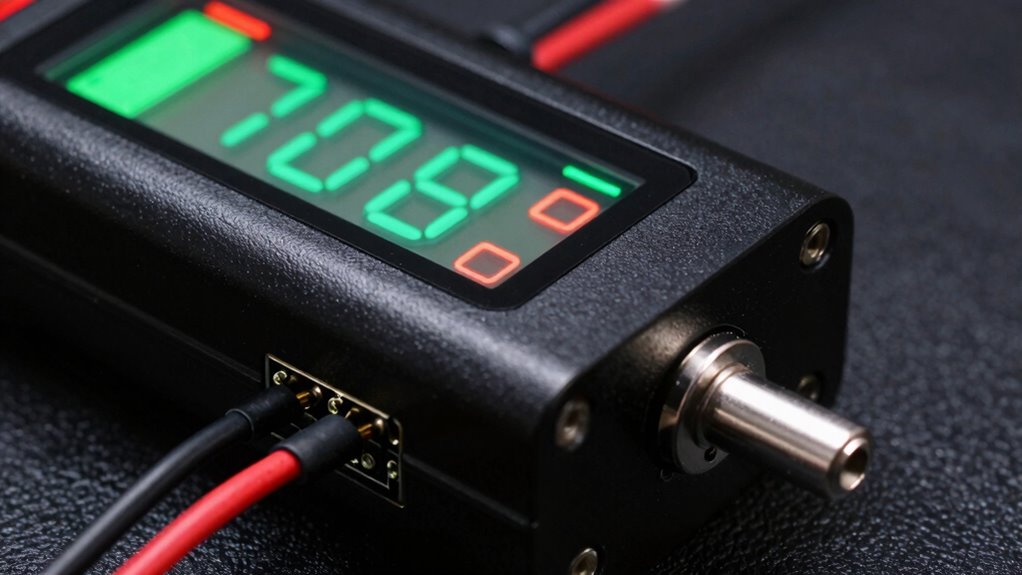

A shunt resistor measures your battery’s current flow more accurately than your app alone can. It detects tiny voltage drops proportional to current, providing real-time, precise data on power usage, losses, and efficiency. This detailed info helps identify early issues like overheating or uneven charging that apps might miss. If you’re interested in understanding your battery better and catching problems early, there’s plenty more to explore about what the shunt can reveal.

Get business pricing on monitors, keyboards and dev gear
- Business-only prices and quantity discounts
- Tax-exempt purchasing
- Multiple users, one account, clear invoices
Key Takeaways
- The shunt provides real-time, highly accurate current measurements that surpass the precision of app-based estimations.
- It detects small voltage drops and surges, revealing detailed current flow patterns hidden from apps.
- The shunt monitors temperature effects and thermal issues affecting battery health, which apps typically can’t directly measure.
- It identifies early signs of imbalance, overcurrent, or voltage regulation faults before they show up on app readings.
- The shunt offers calibration stability and long-term data, ensuring reliable insights beyond the app’s limited or averaged data.
As an affiliate, we earn on qualifying purchases.
What Is a Shunt Resistor and How Does It Work in Battery Monitoring?
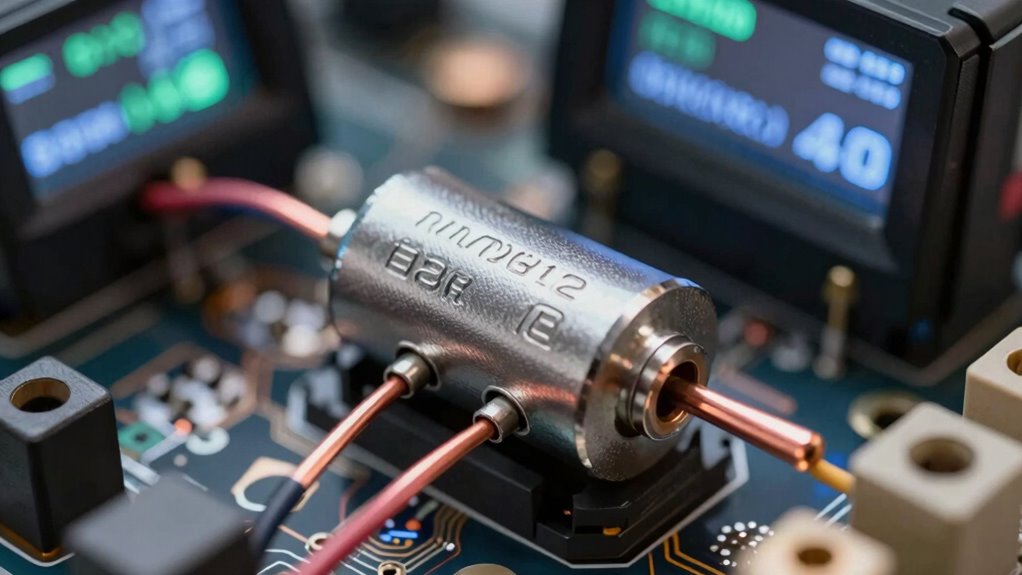
A shunt resistor is a low-resistance component used to measure current flow in a battery system. When current passes through the shunt resistor, it causes a small voltage drop proportional to the current, based on Ohm’s law. This voltage measurement is key, as it allows you to determine how much current is flowing without interrupting the circuit. The shunt resistor’s low resistance guarantees minimal impact on the overall system, making it ideal for accurate current monitoring. By placing it in series with your battery, you can easily measure the voltage drop across it and convert that into current readings. This simple yet effective component provides precise data essential for managing your battery’s health and performance. Understanding NEAT principles can further enhance your energy management strategies, ensuring optimal battery performance.
As an affiliate, we earn on qualifying purchases.
How Do Shunt Monitors Measure Current With Precision?
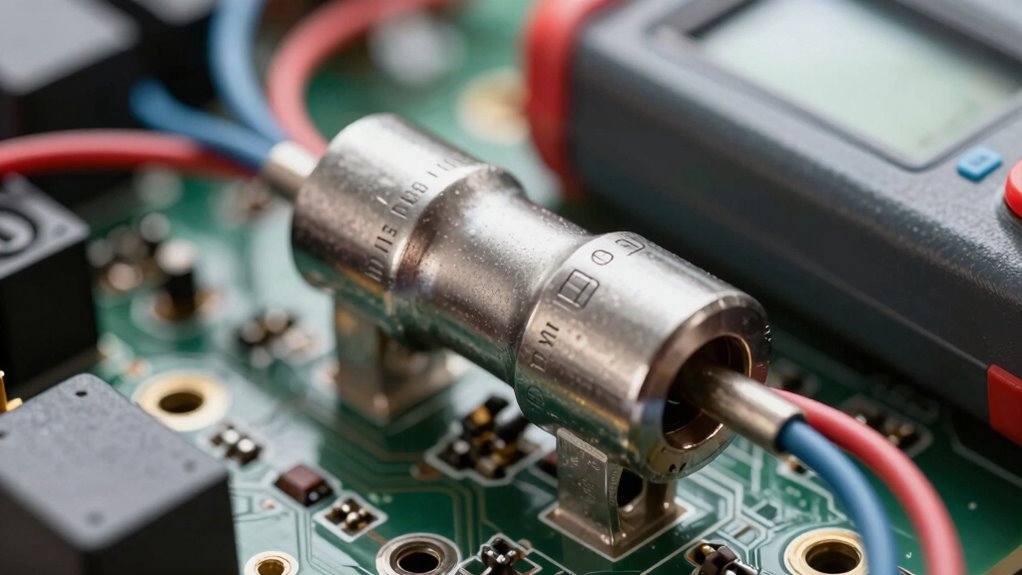
Shunt monitors measure current accurately by detecting tiny voltage drops across a precisely known shunt resistance. Their accuracy depends on how well the resistance value is maintained and calibrated. Small voltage drops are converted into current readings, so even minor measurement errors can impact precision. Additionally, understanding gear care tips can help ensure the longevity of the shunt resistor and maintain measurement accuracy over time. Proper calibration techniques can further enhance measurement reliability. Using high-quality components, such as those found in electric dirt bikes like KTM models, can further improve the reliability of your monitoring setup. Proper maintenance practices can also help prevent corrosion and ensure consistent performance of the shunt resistor. Regularly inspecting and cleaning the shunt connections can help mitigate measurement errors caused by dirt or oxidation.
Shunt Resistance Accuracy
Understanding how shunt resistance contributes to measurement accuracy is essential when evaluating shunt monitors. Small variations in resistance, known as resistance drift, can considerably affect current readings. To guarantee precision, proper shunt calibration is crucial, aligning the monitor’s output with known reference standards. Over time, environmental factors like temperature fluctuations can cause resistance drift, leading to inaccuracies if unchecked. High-quality shunt resistors are designed to minimize these changes, but regular calibration remains necessary for sustained accuracy. When selecting a shunt monitor, consider how it compensates for resistance drift and how often calibration is recommended. Accurate current measurement hinges on stable, well-calibrated shunt resistors that maintain their specified resistance over time, ensuring your readings are as precise as possible. Calibration practices play a vital role in maintaining measurement integrity amidst environmental variations.
Voltage Drop Measurement
Measuring current accurately with shunt monitors relies on precisely detecting the voltage drop across the resistor. When current flows through the shunt, it causes a small voltage drop proportional to the current. To get an accurate reading, you need to account for wire resistance, which can add to the voltage measurement and introduce errors. High-quality shunts minimize wire resistance, ensuring the voltage drop reflects only the current passing through the resistor. You measure this voltage with sensitive instruments, often differential amplifiers, to detect even tiny changes. By carefully analyzing the voltage measurement, you can determine the current with high precision. This method allows your monitor to deliver accurate, real-time data, even at low current levels, ensuring your battery management system remains reliable. Additionally, wire resistance can vary with temperature, so advanced shunt monitors often include temperature compensation features to maintain measurement accuracy. Incorporating noise filtering techniques can further enhance the precision of voltage readings by reducing measurement interference. Understanding circuit stability is also crucial to ensure consistent measurements over time.
battery current measurement device
As an affiliate, we earn on qualifying purchases.
As an affiliate, we earn on qualifying purchases.
What Data Do Shunt Monitors Provide That Apps Can’t Show?
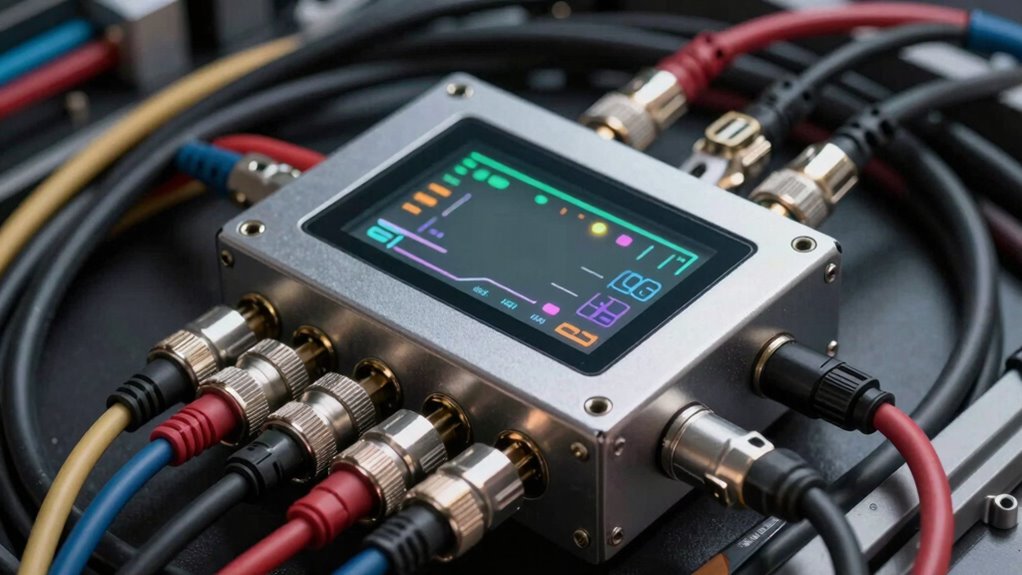
While apps can display a variety of data about your battery, shunt monitors provide detailed electrical measurements that apps often can’t access directly. These include insights like:
- Precise current flow, revealing real-time charge and discharge rates.
- Voltage fluctuations, helping you detect subtle drops or surges that indicate issues.
- Temperature effects, which impact battery performance but are often not directly measurable by apps.
- Accurate state-of-charge data, based on actual current measurements rather than estimations.
- Electrical measurement techniques that enable shunt monitors to capture data beyond typical app capabilities.
- The use of current sensing methods allows shunt monitors to deliver higher accuracy and reliability in data collection.
- By leveraging real-time data acquisition, shunt monitors can provide continuous monitoring that apps might miss.
- This detailed data offers a level of electrical analysis that can help diagnose potential battery problems early.
Shunt monitors give you a clearer picture of the battery’s true behavior, especially when voltage variations or temperature changes occur. This detailed data helps you understand your battery’s health far better than what typical apps can show.
shunt resistor for battery monitoring
As an affiliate, we earn on qualifying purchases.
As an affiliate, we earn on qualifying purchases.
Why Monitoring Power Loss and Efficiency Matters for Battery Health?
Monitoring power loss and efficiency is essential because it directly impacts your battery’s lifespan and overall performance. When you track how effectively your battery uses power, you can identify inefficiencies that may cause premature wear. This helps optimize energy use, extending battery longevity and reducing unnecessary strain. Use shunt data to see where energy is lost, such as heat or internal resistance, which apps often miss. Recognizing power loss sources can lead to more accurate diagnostics and better maintenance practices. Additionally, understanding regional flavors and how they influence performance can be beneficial for optimizing your battery systems in different environments. Considering anti-fatigue mats and standing desk gear can help maintain a comfortable environment that supports better focus and reduces physical strain during long monitoring sessions. Incorporating thermal management strategies can further enhance battery health by controlling temperature fluctuations. Proper monitoring equipment is crucial to ensure accurate readings and effective analysis. Consider this table:
| Power Loss Source | Impact on Battery Health |
|---|---|
| Internal Resistance | Accelerates capacity fade |
| Heat Generation | Shortens component lifespan |
| Parasitic Loads | Drains power unnecessarily |
| Inefficient Charging | Reduces overall efficiency |
Understanding these factors helps you make smarter decisions, ensuring your battery stays healthy longer.
How Shunt Data Reveals Early Battery Issues?
Shunt data provides a real-time window into your battery’s health by capturing precise current flow and voltage drops. This allows you to spot early issues before they escalate. When you monitor shunt data, you can identify patterns indicating thermal management problems, such as overheating under load. It also reveals voltage regulation inconsistencies, which may signal aging cells or faulty connections. Additionally, understanding battery behavior patterns can help interpret subtle signs of imbalance or stress within your system. Here’s what to watch for: 1. Sudden increases in current draw during normal operation. 2. Unusual voltage drops under consistent loads. 3. Fluctuations in temperature linked to current spikes. 4. Deviations from expected voltage regulation, hinting at battery aging. Recognizing these early warning signs through detailed shunt data enables proactive maintenance and prevents costly failures. Moreover, understanding the net worth of individuals involved in the battery industry can provide insights into market trends and innovations.
Practical Ways Shunt Data Helps Prevent Battery Failures?
Shunt data allows you to spot early signs of battery drain before it becomes a major issue. It helps you track charging cycles to guarantee your battery stays healthy and efficient. Additionally, it prevents overcurrent damage by alerting you to electrical patterns that could harm your battery over time.
Detects Early Battery Drain
Early detection of battery drain is essential to prevent unexpected failures and costly repairs. Shunt data reveals subtle changes in current draw that often go unnoticed. By monitoring these patterns, you can identify early signs of drain, allowing you to act before issues escalate. For example:
- Spotting increased current variations indicating thermal management issues.
- Detecting voltage regulation problems that cause uneven power distribution.
- Recognizing consistent drain patterns that suggest aging or faulty components.
- Preventing deep discharge cycles that damage the battery over time.
Using shunt data, you gain precise insights into how your battery behaves under different loads, enabling timely interventions. This proactive approach extends battery life and maintains excellent performance, saving you from sudden failures and expensive repairs.
Monitors Charging Cycles
Monitoring charging cycles is vital for maintaining battery health and preventing failures over time. By analyzing shunt data, you can track how many times your battery charges and discharges, revealing patterns linked to battery chemistry. Different chemistries, like lithium-ion or lead-acid, have unique cycle tolerances; exceeding these can lead to premature degradation. Your monitor’s insights allow you to fine-tune charging algorithms, ensuring your battery charges ideally without over-stressing it. This prevents unnecessary wear and extends overall lifespan. Keeping a close eye on cycle counts helps you identify early signs of deterioration, so you can adjust usage or charging practices accordingly. Ultimately, understanding your battery’s charging cycles empowers you to maintain peak performance and avoid costly failures.
Prevents Overcurrent Damage
Overcurrent situations can quickly damage your battery, but with the right data, you can prevent such failures before they happen. Using shunt data, you can identify when current exceeds safe limits and take action. Proper thermal management ensures excess heat from overcurrent is dissipated, protecting internal components. Voltage regulation helps maintain stable voltage levels, preventing overloads that can cause damage. Here are practical ways to leverage shunt data:
- Set alarms for overcurrent thresholds to get immediate alerts.
- Adjust load demands in real-time based on current readings.
- Enable automatic shutdowns during overloads to prevent thermal damage.
- Monitor voltage fluctuations to detect early signs of potential failure.
These steps help safeguard your battery, ensuring longevity and reliable performance.
Choosing Between Shunt-Based Monitors and Other Technologies?
When choosing a battery monitor, understanding the differences between shunt-based systems and alternative technologies is essential. Shunt monitors excel in providing accurate current measurements through sensor calibration, ensuring precise data logging over time. They allow you to track battery health and performance reliably, especially during long-term monitoring. Other technologies, like Hall-effect sensors or inline current sensors, may offer easier installation or less wiring but often sacrifice some accuracy and stability. Consider your specific needs: if you require detailed insights and consistent data logging, a shunt-based monitor is usually the best choice. However, for simpler setups or space constraints, alternative methods might suffice. Ultimately, your decision should balance accuracy, ease of installation, and your monitoring goals.
Improving Battery Life by Understanding Shunt Measurements?
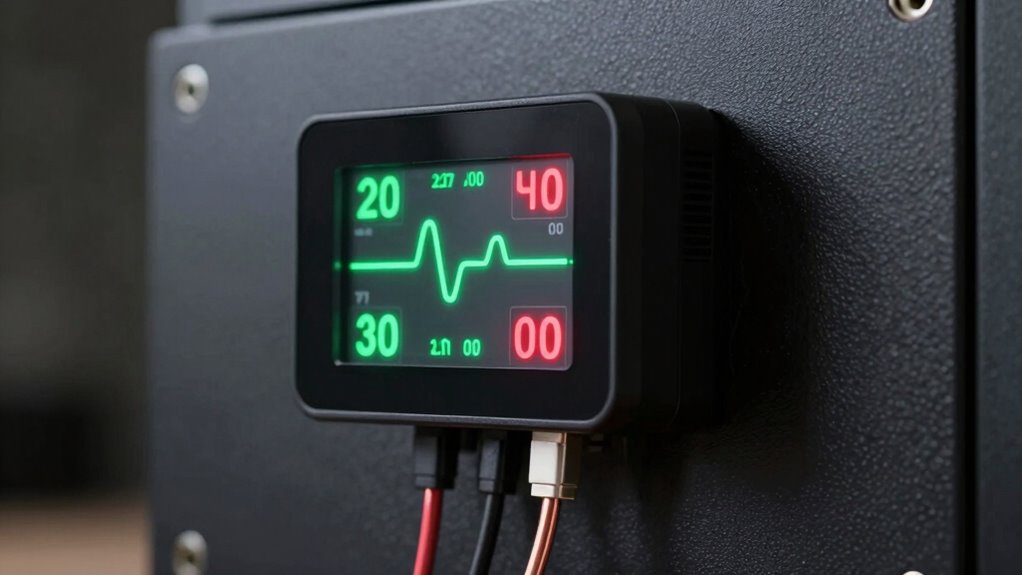
Have you ever considered how accurate shunt measurements can extend your battery’s lifespan? By understanding real-time current flow, you can optimize usage and prevent overheating. This improves thermal management, which reduces stress on the battery and avoids early degradation. Additionally, precise data helps you minimize unnecessary charging cycles, lowering environmental impact. Here are four ways to leverage shunt insights:
Accurate shunt measurements help optimize battery lifespan and thermal management.
- Detect excessive current draw early to prevent thermal stress.
- Adjust device activity to optimize power consumption.
- Schedule charging to avoid overuse during high demand.
- Identify inefficiencies that could harm battery health.
How to Interpret Shunt Readings for Better Battery Management?
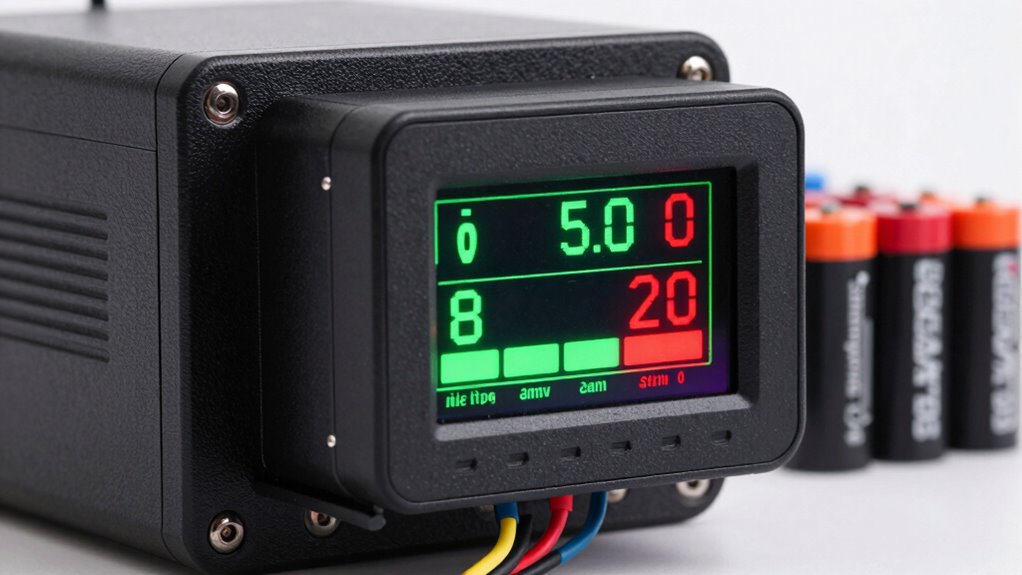
Understanding how to interpret shunt readings is essential for effective battery management. When analyzing data, watch for voltage fluctuation, which indicates changes in load or potential issues like uneven discharge. Small drops in voltage during use are normal, but sharp or sustained dips can signal problems such as high resistance or aging cells. Temperature effects also influence readings; higher temperatures can cause readings to appear more accurate but may accelerate battery degradation, while colder temperatures might lower voltage readings temporarily. By considering these factors, you can better assess your battery’s health and performance. Consistently monitoring how voltage fluctuates in response to load and temperature changes helps you make informed decisions, optimize usage, and prolong your battery’s lifespan.
Common Questions About Shunt Resistors and Battery Monitoring?
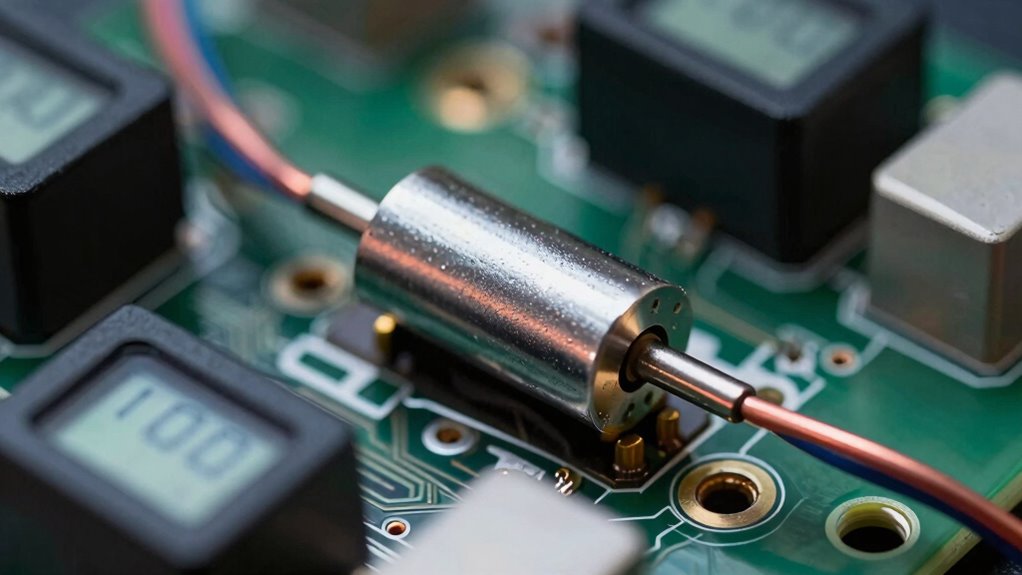
Many people have questions about shunt resistors and their role in battery monitoring, as these components are essential for accurate current measurement. Understanding how they work helps you optimize your system’s performance. Here are common questions:
- How does battery chemistry affect shunt selection?
- Can charging protocols influence shunt readings?
- Why is calibration important for accurate measurements?
- Are shunt resistors suitable for all types of batteries?
Knowing how battery chemistry impacts current flow ensures you choose the right shunt. Charging protocols can cause fluctuations, so monitoring helps prevent overcharging or undercharging. Proper calibration ensures your readings stay accurate, regardless of battery type. By understanding these questions, you can better interpret shunt data and improve your battery management system’s reliability.
Frequently Asked Questions
Can a Shunt Monitor Detect Battery Temperature Fluctuations?
A shunt alone can’t detect battery temperature fluctuations because it lacks thermal sensitivity and doesn’t measure temperature directly. While it accurately monitors current flow, it misses temperature changes that can impact battery performance. To get precise temperature readings, you need additional sensors designed for temperature accuracy. Combining these sensors with your shunt gives you a thorough view, ensuring you catch thermal issues early and maintain ideal battery health.
How Does Shunt Data Compare With Voltage-Based Monitoring Methods?
Think of shunt data as a loyal detective, revealing the true story behind your battery’s health, unlike voltage-based methods that only see the surface. With superior current accuracy, shunt monitors give you detailed insights, but installation challenges can make setup tricky. Voltage readings often miss nuances, so relying solely on volts might leave you in the dark. Embrace shunt data for a clearer, more reliable picture of your battery’s condition.
Are Shunt Monitors Suitable for All Types of Batteries?
Shunt monitors aren’t suitable for all battery chemistries, especially those with high resistance or complex chemistry like lithium-ion or AGM batteries. You need to take into account your battery’s chemistry to guarantee monitoring accuracy. While shunts excel at providing precise current data, they may not be the best choice if your application involves diverse battery types or requires detailed voltage and temperature info. Always match your monitor to your specific battery chemistry for ideal performance.
What Are the Limitations of Shunt-Based Battery Monitoring?
Shunt-based battery monitoring has accuracy limitations, especially if the shunt isn’t calibrated properly or if your system experiences high current fluctuations. Installation challenges also arise since you need to place the shunt precisely in the circuit, which can be tricky in tight spaces or complex setups. These factors can lead to less reliable readings, so you should weigh these limitations before depending solely on shunt monitors for critical battery data.
How Often Should Shunt Measurements Be Calibrated for Accuracy?
Ever wonder how often you should calibrate your shunt to guarantee measurement consistency? Typically, calibration frequency depends on your usage, but it’s wise to check every 6 to 12 months or after any system modifications. Regular calibration keeps your readings accurate, helping you catch issues early. Don’t wait for discrepancies—proactively maintaining calibration ensures your battery monitor performs reliably over time.
Conclusion
So, next time your app’s battery stats seem too good to be true, remember the humble shunt resistor lurking behind the scenes. It’s the unsung hero revealing the real story of power loss and battery health. Don’t rely on pretty graphs alone—trust the tiny resistor that knows more than your fancy app ever will. After all, who needs crystal balls when you’ve got a shunt? Stay vigilant, and let the shunt do the heavy lifting.
Halloween Picks
halloween
As an affiliate, we earn on qualifying purchases.