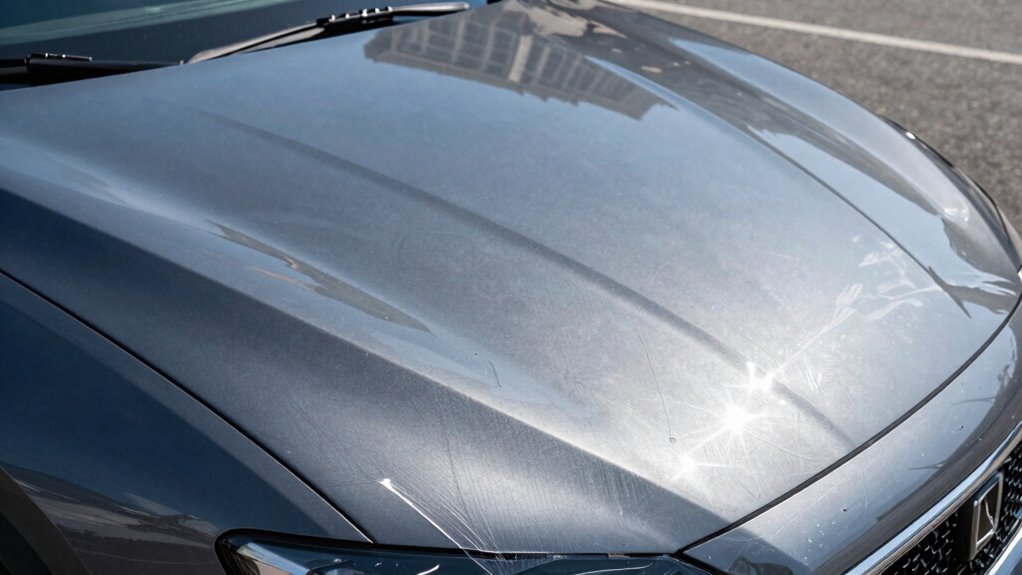

Choosing between ceramic coatings and PPF depends on your protection needs and budget. Ceramic coatings offer a cost-effective, low-maintenance layer that enhances shine and resists stains but lasts 2–5 years. PPF provides better physical protection against chips and scratches, lasting 5–10 years, though it can be costlier upfront and in repairs. Considering your long-term goals and budget will help you find the best fit—closer details await if you continue.

Get business pricing on monitors, keyboards and dev gear
- Business-only prices and quantity discounts
- Tax-exempt purchasing
- Multiple users, one account, clear invoices
Key Takeaways
- PPF offers longer-lasting physical protection, reducing repair costs from chips and scratches over time.
- Ceramic coatings are more affordable upfront and require less maintenance, saving money on regular upkeep.
- PPF’s higher durability can lower long-term repair expenses despite its higher initial cost.
- Ceramic coatings provide better chemical, UV, and stain resistance, extending paint life and reducing potential repaint costs.
- The best choice depends on your protection needs; PPF for physical damage, ceramic for chemical and environmental resistance.
Popular right now
Dyson Car+Boat Cordless Handheld Vacuum

Breville Bambino Espresso Machine, Brushed Stainless Steel

Bose QuietComfort True Wireless Earbuds with Active Noise Cancellation, Black
As an affiliate, we earn on qualifying purchases.
How Much Do Ceramic Coatings and PPF Cost and Last?
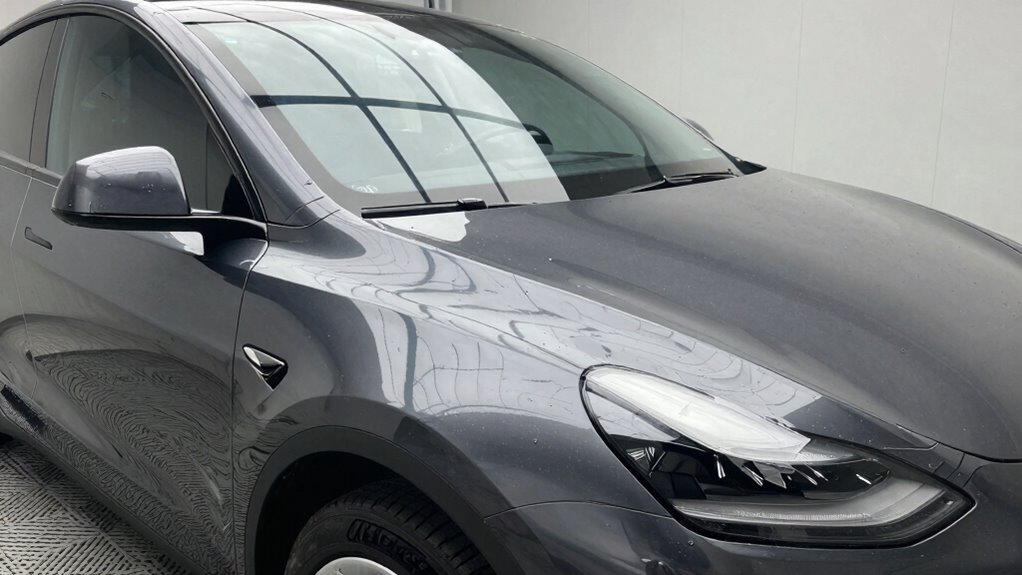
Are you wondering how much ceramic coatings and PPF cost and how long they last? The application longevity of both options plays a key role in your cost considerations. Ceramic coatings typically last 2-5 years, with prices ranging from $500 to $2,000 depending on vehicle size and quality. PPF, on the other hand, usually lasts 5-10 years but comes with a higher upfront cost, often between $1,000 and $5,000. While PPF may seem more expensive initially, its longer durability can make it more cost-effective over time. Proper surface preparation is essential for optimal protection and longevity of both coatings. Additionally, selecting high-quality materials can significantly enhance the durability and effectiveness of your chosen protection. Considering environmental factors, such as exposure to harsh weather, can also influence which option is best for your vehicle. For example, UV resistance plays a crucial role in maintaining the appearance and performance of coatings in sunny climates. Furthermore, understanding the application process can help ensure you achieve the best results and value from your investment. Balancing these factors helps you choose the best option for your budget and vehicle needs.
What Are the Maintenance and Repair Needs for Each?
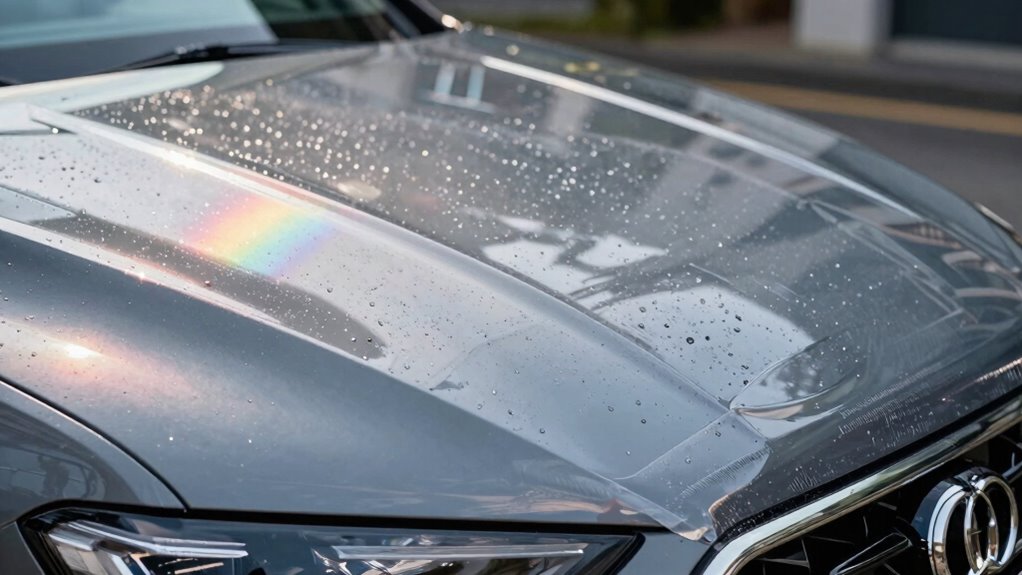
Maintaining ceramic coatings and PPF requires different approaches to keep your vehicle protected and looking its best. With ceramic coatings, maintenance costs are generally low—regular washing and occasional decontamination are enough to preserve their shine. Repairs are rare because ceramic coatings are durable but can be costly if damaged, often needing professional reapplication for scratches or chips. PPF, on the other hand, demands periodic inspections for tears or lifting, which can increase maintenance costs over time. Repair considerations for PPF involve patching or replacing damaged sections, potentially more frequent than ceramic coatings. Additionally, proper application techniques play a crucial role in how these protective layers are applied and maintained. The durability of these coatings can also be influenced by the testing methods used during application, ensuring optimal adhesion and longevity. Proper maintenance procedures are essential to maximize the lifespan and effectiveness of each coating type. For example, environmental factors can significantly impact how well each coating holds up over time. While both protect your vehicle, understanding their maintenance needs helps you plan for potential repair costs and keep your investment looking its best with minimal hassle.
Which Offers Better Long-Term Value for Your Investment?
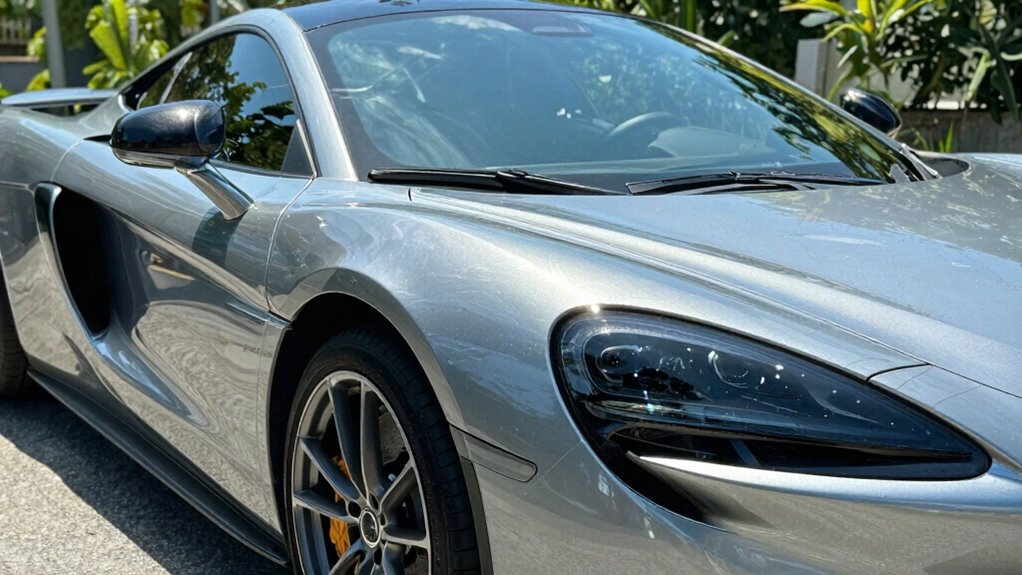
When evaluating long-term value, ceramic coatings often stand out because they typically require less ongoing maintenance and fewer repairs, which can save you money over time. A thorough durability analysis shows ceramic coatings usually last several years with proper care, offering a solid investment. In contrast, PPF may need more frequent repairs and replacements, increasing long-term costs. A clear cost comparison reveals ceramic coatings often have a lower total expense over their lifespan. Additionally, ceramic coatings resist environmental damage better, maintaining your vehicle’s appearance longer. They also provide enhanced UV protection, which helps prevent paint fading and deterioration over time. Moreover, ceramic coatings typically have greater chemical resistance, making them more effective against stains and pollutants. The presence of protective properties in ceramic coatings further enhances their ability to withstand harsh conditions, reducing the need for frequent reapplications. To summarize, ceramic coatings generally provide better long-term value through durability and reduced maintenance needs. Considering factors like coating longevity can help you make a more informed decision about which protective option aligns with your long-term goals.
What Factors Affect the Final Price of Ceramic Coatings and PPF?
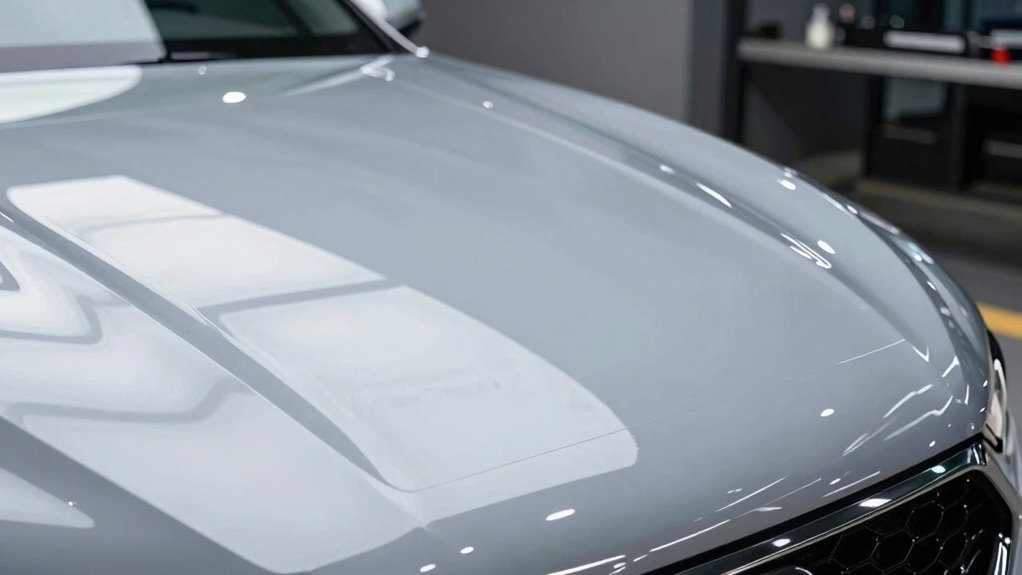
Several key factors influence the final price of ceramic coatings and PPF, including the size and complexity of your vehicle, the quality of materials used, and the expertise of the installer. Application costs vary based on how much surface area needs coverage and the intricacy of the design. Higher material quality often correlates with increased durability and better protection, but it can also raise the overall price. Skilled professionals may charge more for their expertise, ensuring a flawless application that lasts longer. Remember, cheaper options might save you money upfront but could require more frequent reapplications or repairs, costing you more in the long run. Additionally, understanding projector technology can help you choose the best options for your specific needs and budget. Factors such as application techniques and the environmental conditions during installation also play a significant role in the final cost. Moreover, evaluating the long-term maintenance requirements can influence the overall value and affordability of your investment. Proper surface preparation and the use of quality products are crucial for ensuring lasting protection and avoiding costly future repairs. Ultimately, understanding these factors helps you make a smarter decision aligned with your budget and protection needs.
Should Saving Money Influence Your Car Protection Choice?
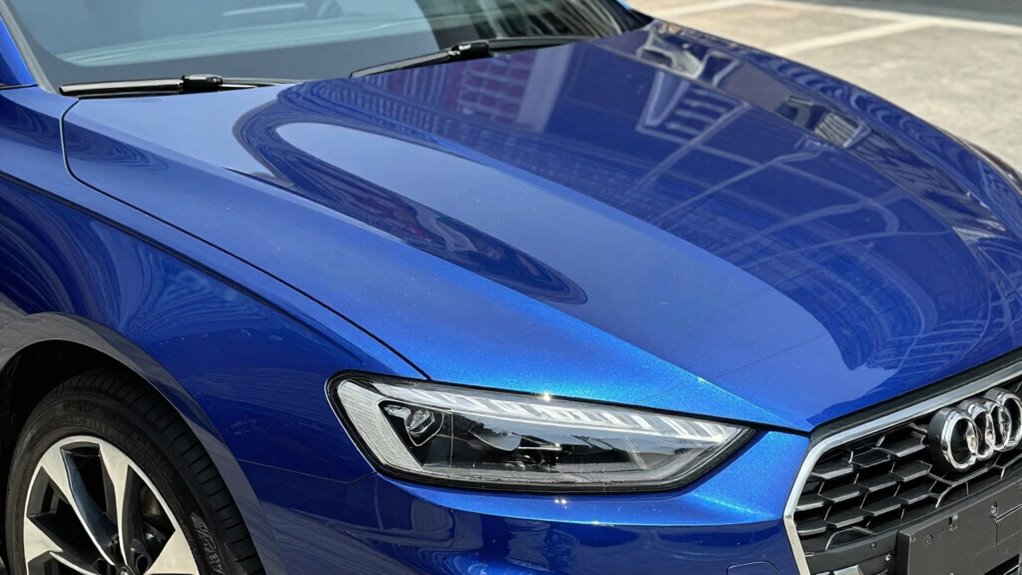
While cost is an important factor, it shouldn’t be the sole consideration when choosing between ceramic coatings and PPF. Your decision should also weigh longevity factors and overall protection quality. Cheaper options might seem appealing initially, but they can fall short over time, leading to higher costs for repairs or reapplications. Think about how long each protection method lasts and what kind of damage it prevents. For example, ceramic coatings excel at repelling dirt and stains, while PPF offers superior protection against chips and scratches. Balancing initial costs with durability ensures you get the best value. Additionally, understanding the durability of electric bike components can inform decisions about maintenance and investment. Incorporating long-term protection benefits into your decision-making process can further help you choose the most cost-effective option. Considering material resilience can also guide you in selecting a protection method that withstands urban traffic conditions. Evaluating the impact resistance of coatings can help in choosing the most suitable protection for high-risk driving environments. Moreover, selecting a protection system with advanced technology can enhance overall durability and performance. Remember, investing wisely now can save you money in the long run, making your car’s protection both effective and economical.
Frequently Asked Questions
Can Ceramic Coating or PPF Be Applied Over Existing Paint Damage?
You can’t apply ceramic coating or PPF directly over existing damage, as that can seal in imperfections and cause further issues. Before applying, you need to address repair considerations, ensuring your paint is smooth and clean. Properly repairing any chips, scratches, or dents is essential for ideal protection and longevity of the coating or film. Ignoring existing damage can compromise the effectiveness and durability of both protection options.
How Do Environmental Factors Affect the Durability of Ceramic Coatings and PPF?
While your car’s protection is quite resilient, environmental factors can subtly influence its longevity. UV degradation may cause ceramic coatings and PPF to fade or weaken over time, especially if exposed to prolonged sunlight. Chemical resistance helps these layers stand up to road salts and pollutants, but harsh conditions can still accelerate wear. To maximize durability, consider regular washes and parking in shaded areas, giving your investment the best chance to shine.
Are There Specific Vehicle Types or Conditions That Benefit More From One Option?
If you drive a luxury or sports vehicle, PPF offers superior protection against chips and scratches, especially in high-impact areas. For daily drivers exposed to urban pollution or harsh weather, ceramic coatings provide a durable, glossy shield that’s easier to maintain. Consider your vehicle type and driving conditions—PPF suits rougher terrains or frequent off-road use, while ceramic coatings excel in regular city driving with minimal impact risks.
What Are the Environmental Impacts of Producing and Disposing of Ceramic Coatings and PPF?
Imagine a gentle ripple across a still pond—this reflects the environmental impact of producing and disposing of ceramic coatings and PPF. Eco-friendly manufacturing practices minimize harmful emissions, while recycling and disposal efforts reduce waste. Both options aim to lessen their footprint, but PPF often involves more complex disposal due to plastic materials. You can make eco-conscious choices by seeking products from companies committed to sustainable practices, helping protect the environment you enjoy every day.
Do Professional Installations of Ceramic Coatings and PPF Require Special Training or Certifications?
Yes, professional installations of ceramic coatings and PPF typically require application training and certification. You should seek out programs offering professional certification to guarantee proper application techniques, which helps maximize durability and protection. These trainings teach you the right surface prep, product handling, and curing processes. Investing in certified application training ensures you deliver high-quality results, preventing issues like peeling or improper bonding, ultimately saving you money and enhancing your reputation.
Conclusion
Choosing between ceramic coating and PPF depends on your budget and priorities. For instance, if you opt for PPF on your daily driver, it might save you money on repairs after minor dings and scratches. However, a ceramic coating could offer long-term shine and easier maintenance. Consider your driving habits and budget—making an informed decision now can save you money and keep your car looking great for years to come.