
Battery degradation happens as a result of repeated charging cycles, exposure to high temperatures, and improper use, which cause chemical wear inside the battery. Over time, this reduces its capacity and efficiency, leading to shorter device runtimes and more frequent recharging. To slow this process, avoid fully draining your battery, keep it between 20% and 80%, and stay away from heat. If you want to learn ways to better protect your battery’s health, keep exploring.
Key Takeaways
- Repeated charging cycles and extreme temperatures accelerate chemical wear, leading to capacity loss over time.
- Battery degradation causes reduced runtime, increased recharging, and shorter device lifespan.
- Proper recycling recovers valuable materials and reduces environmental harm from battery disposal.
- Maintaining charge levels between 20% and 80% and avoiding deep discharges slow degradation.
- Using smart charging features and avoiding heat exposure extend overall battery health and lifespan.

Have you ever noticed your device’s battery holding less charge over time? That’s a common sign of battery degradation, which happens gradually as your device ages. One of the main factors behind this decline is the repeated process of charging cycles. Every time you plug in your phone or laptop, the battery goes through a cycle—charging from empty to full and then discharging. Over many cycles, this constant stress wears down the battery’s chemical components, reducing its ability to hold a full charge. As a result, your device’s runtime shortens, and you might find yourself needing to recharge more frequently. To mitigate this, it’s helpful to understand how charging cycles impact battery health and what you can do about it. Maintaining optimal charging habits and avoiding extreme temperatures can significantly slow down battery degradation.
Repeated charging cycles wear down your battery, reducing capacity and runtime over time.
Battery recycling plays an essential role in managing battery degradation, especially when batteries reach the end of their lifespan. Recycling batteries properly prevents harmful chemicals from polluting the environment and allows valuable materials like lithium, cobalt, and nickel to be recovered and reused. This process not only reduces environmental impact but also supports sustainable manufacturing of new batteries, which is vital as battery use continues to grow worldwide. When your device’s battery can no longer hold a sufficient charge, recycling it responsibly ensures that waste is minimized and resources are conserved. Being conscious of battery recycling options in your area helps contribute to a healthier planet and promotes more efficient use of finite resources.
To slow down battery degradation, you should pay attention to your charging habits. Avoid letting your battery completely drain before recharging, as deep discharges can accelerate wear. Instead, aim to keep your battery level between 20% and 80%, which is generally healthier for the cells. Additionally, try to minimize exposure to extreme temperatures, which can speed up degradation. High heat, in particular, damages the chemical structure inside the battery, reducing its capacity over time. Using optimized charging settings, such as enabling any “smart charging” features on your device, can also help extend battery life. These settings gradually charge your device to prevent rapid charging, which can generate excess heat and stress the battery.
Understanding the impact of charging cycles and proper battery recycling gives you better control over your device’s lifespan. You can take simple steps to extend your battery’s health, like avoiding overcharging and maintaining moderate temperatures. When your battery finally reaches the end of its useful life, recycling it properly ensures you’re not contributing to environmental harm. In the end, caring for your battery isn’t just about device performance; it’s also about making sustainable choices that benefit the planet.

How to Make Your Android Battery Last Longer: Simple Settings, Proven Tips and Daily Habits to Fix Battery Drain and Save Power on Android
As an affiliate, we earn on qualifying purchases.
As an affiliate, we earn on qualifying purchases.
Frequently Asked Questions
How Does Temperature Specifically Accelerate Battery Degradation?
Higher temperatures accelerate battery degradation through thermal effects that increase chemical reactions inside the cell. As temperature rises, it reduces chemical stability, causing electrolyte breakdown and faster electrode wear. This process leads to capacity loss and reduced lifespan. You should keep your battery cool because heat speeds up these degradation mechanisms, ensuring the battery remains chemically stable longer and performs efficiently over time.
Can Certain Charging Habits Prevent Long-Term Capacity Loss?
Imagine your phone’s battery lasting twice as long because you avoid frequent full charges. Yes, certain charging habits can prevent long-term capacity loss. Limiting charging cycles by unplugging at 80%, and storing devices in cool, dry conditions, helps. Consistent, moderate charging reduces stress on the battery, preserving capacity. So, adopt smarter habits—like avoiding overnight charging—to maximize your battery’s lifespan and performance over time.
Are Some Battery Chemistries More Resistant to Degradation?
Yes, some battery chemistries are more resistant to degradation. For example, lithium iron phosphate (LiFePO4) offers better degradation resistance compared to traditional lithium-ion chemistries, especially under high temperatures and frequent charging. You’ll find that choosing batteries with advanced chemistries can extend lifespan, reduce capacity loss, and improve overall performance. To maximize battery life, consider selecting chemistries known for their degradation resistance and proper charging habits.
How Does Usage Pattern Influence Battery Lifespan?
Your usage pattern considerably impacts your battery’s lifespan. Frequent charging and discharging, especially at high or low states of charge, accelerates degradation. Using your device at high brightness or demanding settings increases stress on the battery. To extend its life, avoid rapid charging, keep charge levels between 20-80%, and adjust device settings for efficiency. Moderating usage frequency and optimizing device settings can help preserve your battery’s health longer.
What Are Emerging Technologies to Reduce Battery Aging?
You can benefit from emerging technologies like solid-state and polymer batteries, which aim to reduce battery aging. Solid-state batteries replace liquid electrolytes with solid ones, enhancing stability and lifespan. Polymer batteries use flexible, lightweight materials that resist degradation over time. These advancements help extend your device’s battery life, improve safety, and support faster charging, making your battery last longer and perform better in the long run.
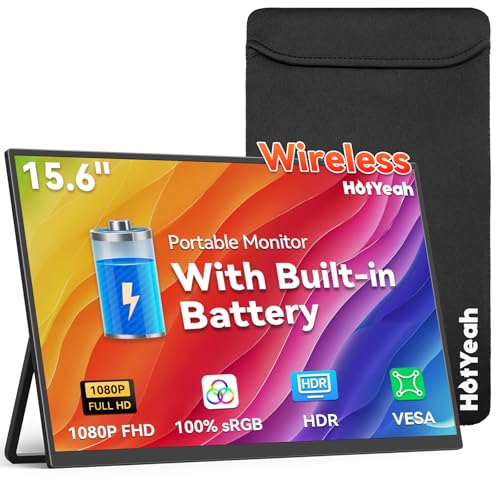
Wireless Portable Monitor Battery-Powered, Support AirPlay Miracast, 15.6" 1080P IPS Monitor USB-C HDMI External Display, 2nd Screen for Laptop MacBook PC Phone Tablet, w/Built-in Battery(4- 5H)
【True Wireless Portable Monitor】This wireless portable monitor supports AirPlay & Miracast. Simply tap your device's screen casting icon…
As an affiliate, we earn on qualifying purchases.
As an affiliate, we earn on qualifying purchases.
Conclusion
By understanding the causes and effects of battery degradation, you can take smarter steps to extend your battery’s lifespan. Regular maintenance, mindful usage, and avoiding extreme conditions help preserve its health. Remember, a stitch in time saves nine—addressing issues early prevents bigger problems later. Keep these strategies in mind, and you’ll enjoy better performance and longevity from your batteries, proving that foresight truly makes a difference in maintaining their significance.

EZ on the Earth – Dry Cell Battery Recycling Container Kit – 1 Gallon Battery Recycling Pail – Pre-Paid/Mail-Back Recycle kit that Holds up to 13.2 lbs Batteries – Recycling Pail with Cardboard Box
UN Approved Container for Dry Cell Batteries — Easily recycle various dry cell batteries such as Alkaline, Nickel…
As an affiliate, we earn on qualifying purchases.
As an affiliate, we earn on qualifying purchases.

Portable Charger,50000mAh Power Bank Built-in Cable, 22.5W PD USB C In & Out Fast Charging, External Battery Pack with 6 Output & 2 Input, Travel Camping Essential for iPhone 17/16/15/14/13/12,Android
Portable Charger Built-in 4 Cables: Eliminate cable clutter forever! This portable charger power bank comes with 3 output…
As an affiliate, we earn on qualifying purchases.
As an affiliate, we earn on qualifying purchases.