
📊 Full opportunity report: Exhibit-based Learning Games For Small Museums on IdeaNavigator AI — validation score, market gap, and execution plan.

Get business pricing on monitors, keyboards and dev gear
- Business-only prices and quantity discounts
- Tax-exempt purchasing
- Multiple users, one account, clear invoices
TL;DR
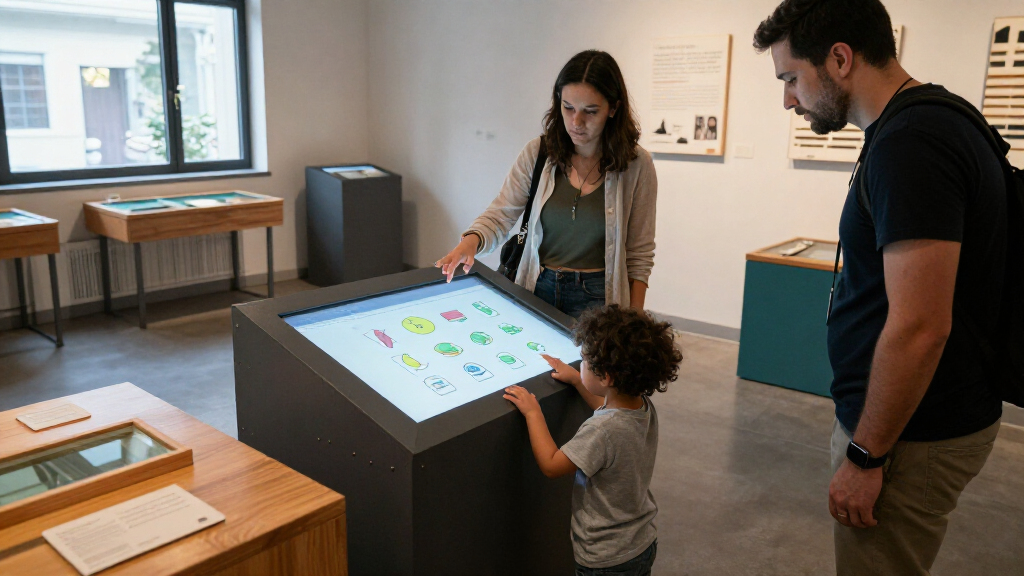
A proposal for small museums would create browser-based learning quests from each museum’s own exhibits, with school, family and solo modes. The idea remains unvalidated: a proposed pilot at three museums would track bookings, visit duration and repeat visits before assessing paid demand.
IdeaNavigator AI has proposed a done-for-you service that turns a small museum’s collection into browser-based learning games, and recommends testing it with three museums before treating it as a proven product. The proposal targets museums with limited staff and education budgets that host school groups and families, but it provides no evidence yet that the games improve visits or bookings.
The proposed package would ask a museum to provide object records, exhibit labels and photographs. Within two weeks, the provider would deliver a browser-based quest that visitors could use without downloading an app. The suggested package includes three formats: a school-group activity adapted by grade band, a family quest and a short solo trail.
The activities would be drafted from the museum’s own collection and reviewed by a museum educator, according to the proposal. Staff would receive a basic editor to replace objects when displays change, along with a printable alternative and visitor analytics that could be used in grant reports. These are proposed features, not a description of a product already available or tested.
The suggested business model combines a fixed-price setup sized for a small grant budget with an annual fee for hosting and updates. Regional museum associations are identified as possible group purchasers. To test demand, the proposal calls for creating games for three museums at cost, comparing results over one school term with the same term a year earlier and asking whether at least two museums would seek funding for a paid refresh.
Learning games built from museum exhibits
IdeaNavigator AI proposes browser-based quests tailored to each museum’s collection. The concept remains unvalidated, with a three-museum pilot proposed to test visitor response and paid demand.
Quests for different visitors
Each activity would draw on the museum’s own exhibits and work in a browser, without an app download.
Grade-based activity
A school-group quest adapted by grade band.
Shared exploration
A family quest built around the collection.
Short trail
An individual activity for exploring exhibits.
What the museum provides
The proposed service starts with existing collection materials and includes educator review.
Provide object records, exhibit labels and photographs.
Activities are based on the collection and reviewed by a museum educator.
A basic editor, printable alternative and visitor analytics are proposed features.
Pilot measures and open questions
The proposed test would compare one school term with the same term a year earlier.
| Measure | What it could indicate | Still unknown |
|---|---|---|
| School bookings | School-group interest | Whether games cause any change |
| Family visit duration | Time spent at the museum | Effects of other programming |
| Repeat visits | Returning visitor activity | How visitor data would be collected |
| Paid refresh interest | Whether at least two museums would seek funding | Actual price and buyer commitment |
A Lower-Cost Route to Active Visits
Small museums may have limited capacity to develop digital activities in-house. The proposal describes staff and volunteers covering multiple roles, with school activities often relying on worksheets and family visits sometimes remaining short. These are the problem statements behind the idea, rather than independently measured findings about the sector.
If a fixed-price, ready-to-use package can be delivered within a small museum’s budget, it could offer an alternative to commissioning a custom digital project or maintaining an app-based hunt internally. The potential value is practical: more structured visitor activities without requiring museum staff to write, test and update every game themselves.
The case for adopting it still depends on results. A longer visit or a favorable response would not by itself establish that the games cause more school bookings or repeat visits. The proposed comparison could give participating museums an initial signal, but a three-site test would be small and could be affected by seasonal changes, school schedules or other programming.
Popular right now

Ninja CREAMi Scoop & Swirl 13-in-1 Ice Cream and Soft Serve Maker, NC701

Bose QuietComfort True Wireless Earbuds with Active Noise Cancellation, Bluetooth 5.3, USB-C Charging, IPX4, Black

KitchenAid Classic Series 4.5-Quart Tilt-Head Stand Mixer, Onyx Black
As an affiliate, we earn on qualifying purchases.
Grant Timing Shapes the Proposal
The proposal places the idea against a changing federal funding picture. It says the Institute of Museum and Library Services announced its FY2026 Inspire Grants for Small Museums on Sept. 9, 2026, supporting 88 museums developing educational programs and exhibits. It also says a court settlement in April 2026 left the agency intact, while the president’s FY2027 budget again proposed eliminating IMLS.
Those dates and descriptions are presented here as details reported in the proposal; they do not establish that a particular museum has received a grant or that money is available for this product. The proposal also describes the FY2027 National Leadership Grants deadline of Nov. 13, 2026, as tentative. Its argument is that museums seeking project support may find a defined, lower-cost education package easier to plan for than a custom digital build.
Grant prospects are not the only possible route. The suggested association-based purchasing model could let several museums share a provider or project arrangement, although no association partnership or buyer commitment is identified.
Pilot Results and Funding Remain Open
No pilot findings are provided. It is not clear whether any museum has agreed to participate, whether a working game has been built, what the fixed price or annual fee would be, or how many visitors would need to use the product for the project to be viable. The proposed two-week delivery period is a target in the concept, not a verified service standard.
The effects on school bookings, family dwell time and repeat visits are also unknown. The suggested comparison with the same term a year earlier could be informative, but the proposal does not specify how it would account for changes in attendance, exhibitions, staffing or school calendars. Nor does it set out how visitor data would be collected, stored or reported.
Grant timing carries uncertainty too: the FY2027 deadline is described as tentative, and the federal budget proposal does not by itself determine whether a grant program will continue. The proposal names no confirmed grant award, museum customer, association buyer or independent evaluation.
Three-Museum Test Sets the Next Step
The next step described is to build quests for three small museums at cost and follow their use over one school term. The proposed measures are school-group bookings, the length of family visits and repeat visits, compared with the same term in the previous year. The test would also ask whether two of the three museums would include a paid update in a future grant application.
Those measures could help determine whether the activities are useful to visitors and whether museums see enough value to pay for updates. Before any wider rollout, prospective buyers would still need clear pricing, details on staff review and editing, and a practical account of how visitor analytics are handled. The proposal does not provide a launch date or report that the pilot is underway.
Source: IdeaNavigator AI
Key Questions
What are exhibit-based learning games?
They are proposed digital activities built around objects and displays in a particular museum. The concept includes separate quests for school groups, families and individual visitors, accessed through a web browser.
Is the service already available?
The information describes a product proposal and a suggested pilot, not a confirmed commercial launch. No completed games, participating museums or customer commitments are identified.
How would the proposed pilot measure success?
It would compare school-group bookings, family visit duration and repeat visits over one term with the same term a year earlier. It would also ask whether at least two of three museums would seek funding for a paid refresh.
What would a museum have to provide?
The proposed process starts with the museum sending photographs, exhibit labels and object records. The resulting activities would be based on that collection information and reviewed by a museum educator, according to the plan.
Are grant funds confirmed for this kind of project?
No specific grant award for the proposed service is identified. The proposal cites federal museum funding developments and a tentative FY2027 deadline, but museums would need to confirm program rules, eligibility and deadlines directly.
Source: IdeaNavigator AI