When buying your first VW Bus, focus on identifying rust, especially in the floors, wheel wells, and undercarriage, as corrosion is common in vintage models. Check for signs of previous repairs or hidden damage, and test the engine and transmission for smooth operation. Review the vehicle’s history and documentation for proper upkeep. Patience is key—finding a well-maintained bus in good condition can save you time and money down the road. Learn more to make a confident choice.
Key Takeaways
- Inspect for rust, especially on the floors, wheel wells, and undercarriage, to assess structural integrity.
- Check the vehicle’s history and maintenance records for reliable documentation and proper upkeep.
- Test engine and transmission performance to ensure smooth operation and identify potential mechanical issues.
- Verify VIN matches registration documents to avoid legal complications and confirm ownership.
- Consider restoration needs and budget for repairs, rust treatment, and parts replacement before purchasing.
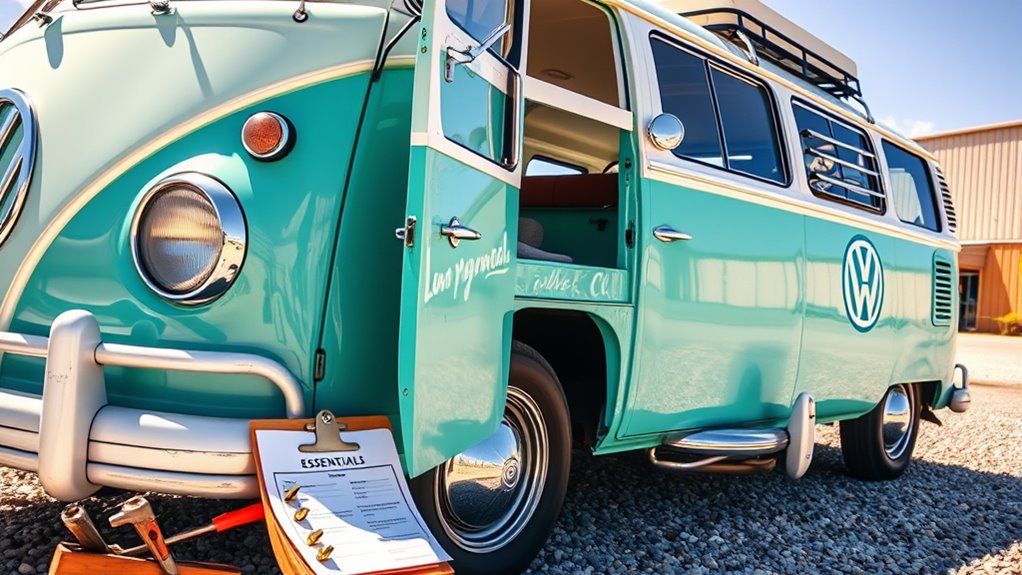
Getting your first VW Bus is an exciting milestone, but it’s important to approach the process with careful planning. When you’re hunting for a vintage model, you’ll want to focus on key details that guarantee you’re making a smart purchase. Restoration tips become especially relevant here, as many vintage models may have rust, worn-out parts, or previous repairs that affect their value and drivability. Before diving into the buying process, do your homework. Learn about common issues with VW Buses, especially the Type 2 models from the late ’60s and early ’70s, so you know what to look for during inspections.
Start by setting a budget that includes not only the purchase price but also potential restoration costs. Vintage models often need some level of TLC, whether it’s fixing electrical wiring, replacing interior panels, or dealing with rust. When inspecting a potential buy, check the body thoroughly for rust, especially in the floors, wheel wells, and undercarriage, as these areas tend to corrode without proper maintenance. Look closely at the seams and joints—areas prone to leaks and rusting—since repairs there can be costly. Don’t forget to examine the engine and transmission, making sure they run smoothly and respond well to acceleration. If you’re not mechanically inclined, consider bringing along a trusted mechanic who specializes in vintage models; their expertise can uncover issues you might overlook.
Pay attention to the vehicle’s history. Ask for maintenance records, receipts, and any documentation that shows the bus has been well cared for. A well-documented history indicates a vehicle that’s been properly maintained, which can save you money and headaches down the line. Also, verify that the VIN matches the title and registration documents. This simple step can prevent future legal or ownership issues. Additionally, understanding the materials used in vintage VW Buses can help assess potential corrosion risks and areas needing attention during restoration.
As you evaluate a potential purchase, consider how much work you’re willing to take on. Some vintage models may need a full restoration, which can be a rewarding project but also a significant commitment. If you’re new to restoration, look for a bus that’s in decent condition, so you’re not overwhelmed right from the start. Remember, patience is key—finding the right VW Bus may take time, but it’s worth waiting for a vehicle that aligns with your goals and is worth investing in. With careful inspection, proper research, and a clear understanding of restoration tips, you’ll be on your way to owning a classic VW Bus that brings joy for years to come.
VW Bus rust repair panels
As an affiliate, we earn on qualifying purchases.
As an affiliate, we earn on qualifying purchases.
Frequently Asked Questions
What Is the Average Cost of a Vintage VW Bus?
You’ll find vintage VW buses typically cost between $10,000 and $30,000, depending on their condition and year. Keep in mind, restoration costs can add up if the bus needs extensive work, but it’s also a chance to customize it to your liking. If you opt for a well-maintained model, it might be pricier upfront, but it can save you money on repairs and give you more options for personalization.
How Reliable Are Old VW Buses for Daily Driving?
Did you know that many vintage VW buses still run reliably after decades? For daily driving, your old VW bus’s reliability depends on proper vintage maintenance and engine performance. While they’re charming and nostalgic, they may require more upkeep than modern cars. If you keep up with regular tune-ups and address issues promptly, your vintage VW can become a dependable daily driver, offering a unique, nostalgic experience.
What Are Common Rust Issues in VW Buses?
You should know that rust issues in VW buses often occur on the floor pans, wheel wells, and door bottoms. To prevent rust, focus on restoration tips like sealing vulnerable areas and applying rust prevention coatings. Regular inspections help catch rust early, saving you money and effort. Addressing rust promptly ensures your bus stays reliable for daily driving, making maintenance easier and extending its lifespan considerably.
How Difficult Is It to Find Original Parts?
Finding original parts for your VW Bus can be challenging due to limited availability and restoration challenges. You might need to search through specialized shops, online marketplaces, or VW enthusiast networks. While aftermarket support has grown, it’s not always an exact match, so you’ll often need patience and some research. Expect some effort to locate authentic parts, but the satisfaction of restoring your bus makes it worthwhile.
What Is the Best Model Year for a First-Time Buyer?
Choosing the right model year is like finding a needle in a haystack, but for first-timers, 1970-1973 models often hit the sweet spot. They offer classic style, decent parts availability, and good restoration potential. Focus on restoration tips and customization options, ensuring you pick a reliable base. These years balance vintage charm with easier maintenance, making your journey into VW ownership smoother and more enjoyable.

KIPA Carburetor Rebuild kit For VW SOLEX Brosol Bocar 28 30 34 PICT-3 Stock Carburetor Repair, With Float & 12V Cut off Valve Solenoid
Well Manufactured Carburetor Rebuild kit, Strictly Quality Control before packing, designed for all Solex, Brosol, Bocar, and other…
As an affiliate, we earn on qualifying purchases.
As an affiliate, we earn on qualifying purchases.
Conclusion
Think of your first VW Bus as a trusty steed ready to carry your adventures. With patience and a keen eye, you’ll find a partner that welcomes you on countless journeys. Like tending to a garden, care and attention will keep your bus thriving. Embrace the process, and soon you’ll be cruising down life’s open road, making memories that linger like a favorite melody. Your adventure begins now—trust yourself and enjoy the ride.

Permatex 81849 Rust Treatment, 10.25 oz. net Aerosol Can
Easily applied, just brush or spray it on
As an affiliate, we earn on qualifying purchases.
As an affiliate, we earn on qualifying purchases.
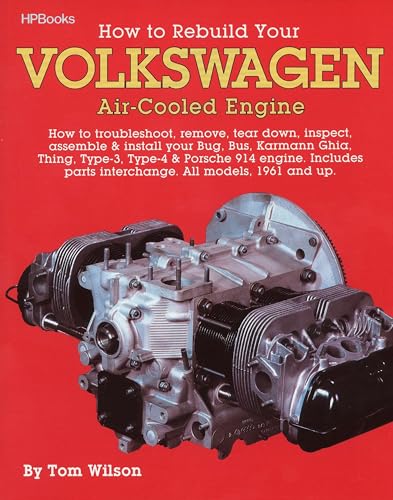
How to Rebuild Your Volkswagen air-Cooled Engine (All models, 1961 and up)
Used Book in Good Condition
As an affiliate, we earn on qualifying purchases.
As an affiliate, we earn on qualifying purchases.