Electric buses need special tires because they carry more weight due to larger batteries, which puts extra strain on the tires. Reducing rolling resistance helps conserve energy and extend the bus’s range, while durable tires prevent failure under heavy loads. The right tires also improve safety and traction in various conditions. If you want to understand how these factors work together to optimize performance, keep exploring what makes these tires unique.
Key Takeaways
- Electric buses carry heavier batteries, requiring tires designed to support increased load without failure.
- Special tires reduce rolling resistance, helping extend the vehicle’s range and improve energy efficiency.
- Optimized tire treads enhance grip and safety in various driving conditions, including wet or slippery surfaces.
- High-quality materials prevent premature tire wear and overheating, ensuring durability under added weight.
- Proper tire design balances load support and low rolling resistance for sustainable, reliable electric bus operation.

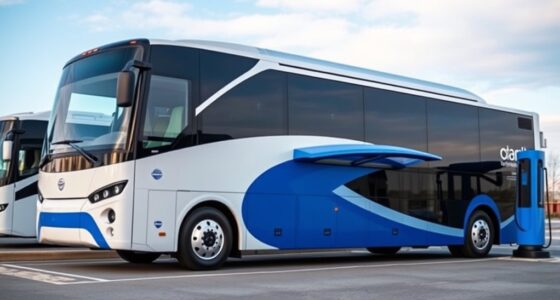
Electric buses are transforming public transportation by offering a cleaner and more efficient alternative to traditional diesel-powered vehicles. As you consider these innovative vehicles, one aspect often overlooked is the importance of special tires designed specifically for their unique demands. Unlike conventional buses, electric models carry heavier batteries, which considerably increase their weight. This added weight influences tire performance, making the choice of tire materials and tread design essential for safety, efficiency, and longevity. You need tires that can handle the extra load without compromising grip or durability.
Electric buses require specially designed tires to handle increased weight and ensure safety and durability.
When selecting tires for electric buses, tire materials become a top priority. High-quality rubber compounds are indispensable because they provide better load-bearing capacity and resistance to wear. These materials help manage the increased weight, reducing the risk of premature tire failure. Furthermore, durable tire materials contribute to lower rolling resistance, which is critical for extending the bus’s range. The goal is to find a balance where the tires are strong enough to support the bus’s weight while also minimizing energy loss through rolling resistance. This optimization directly impacts how far the bus can travel on a single charge, making efficient tire materials a cost-effective and performance-enhancing choice. Additionally, advancements in tire technology now include specialized compounds that improve overall performance and safety.
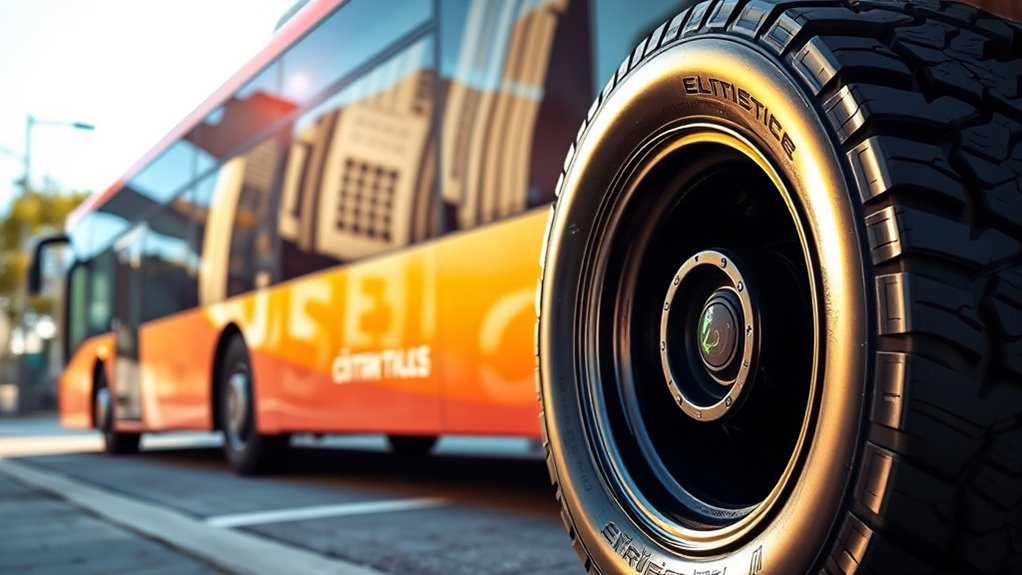
Tread design also plays a significant role in the effectiveness of electric bus tires. Unlike traditional buses, electric vehicles often operate in diverse environments, from city streets to highway routes, requiring tires that adapt well across different terrains. You should look for tread patterns that maximize grip while also reducing rolling resistance. Low-rolling-resistance treads typically feature fewer grooves and a smoother surface, which helps cut down energy consumption. On the other hand, tread design must still provide sufficient traction for safe braking and turning, especially in wet or slippery conditions. The key is selecting an ideal tread pattern that offers a compromise between energy efficiency and safety, ensuring the bus performs reliably in all scenarios.
In addition, the tread design’s depth and arrangement influence heat dissipation, which is critical because electric buses often have higher speeds and frequent stops. Proper tread design helps prevent overheating, reducing the risk of tire blowouts or deterioration. As you evaluate tires for electric buses, consider those with specialized tread patterns that promote even wear and effective heat management. This way, you’re not only extending tire life but also maintaining consistent performance, which keeps the bus running smoothly and efficiently.
Ultimately, the right combination of tire materials and tread design ensures electric buses operate reliably, safely, and efficiently. You’re investing in tires that accommodate their extra weight while reducing rolling resistance and enhancing grip. This careful selection boosts range, safety, and durability—making electric buses a truly sustainable and practical choice for modern transit systems. Remember, the integration of high-performance materials and innovative tread patterns is crucial for optimizing electric bus tire performance.

NAVIC Electric Scooter Adults, 8.5" Solid Tires, 19/Mph, 350W Motor, 19 Miles Range, Folding E-Scooter with Dual Braking Dual Suspension, Escooter for Adults with App
Dual Suspension & Shock Absorption: Electric scooter with dual suspension system and 8.5-inch solid tires. Its exceptional shock…
As an affiliate, we earn on qualifying purchases.
As an affiliate, we earn on qualifying purchases.
Frequently Asked Questions
How Does Tire Pressure Affect Electric Bus Efficiency?
Proper tire pressure calibration directly affects your electric bus’s efficiency. When you maintain correct inflation management, you reduce rolling resistance, which means the bus uses less energy to move. Under-inflated tires increase resistance and drain battery life, while over-inflated tires can cause uneven wear and compromise safety. Regularly checking and adjusting tire pressure ensures peak performance, extends tire lifespan, and helps your electric bus operate more efficiently on every route.
Are There Eco-Friendly Tire Options for Electric Buses?
Think of eco-friendly tires as the green leaves of transportation, offering a gust of fresh air. You can choose alternative tread patterns designed for low rolling resistance, reducing energy loss. Natural rubber options also provide a sustainable alternative, minimizing environmental impact. By selecting these environmentally conscious tires, you help your electric bus glide smoothly while nurturing the planet, turning every ride into a step toward a cleaner, greener future.
How Often Should Electric Bus Tires Be Replaced?
You should replace your electric bus tires when the tread becomes worn down to the recommended depth, typically around 2/32 inch, to guarantee safety and efficiency. Regularly check your tire tread and maintain proper wheel alignment, as misalignment can cause uneven wear. By keeping an eye on these factors, you’ll extend tire life and optimize performance, minimizing rolling resistance and ensuring your electric bus operates smoothly.
Do Special Tires Impact the Maintenance Costs of Electric Buses?
Yes, special tires can impact the maintenance costs of electric buses. They often offer greater tire durability, which means you won’t need to replace them as frequently, reducing maintenance frequency. Although these tires might have a higher initial cost, their longer lifespan and better performance on electric buses lower overall maintenance expenses over time. This helps you keep your fleet running efficiently and minimizes unexpected repairs.
Can Tire Upgrades Extend an Electric Bus’s Driving Range Significantly?
Yes, upgrading your electric bus’s tires can substantially extend its driving range. Studies show that optimizing tire tread design and rubber compound formulation can reduce rolling resistance by up to 15%. This means your bus consumes less energy per mile, allowing for longer trips without recharging. Investing in these tire improvements can boost efficiency, save costs, and help you cover more ground while maintaining safety and comfort.
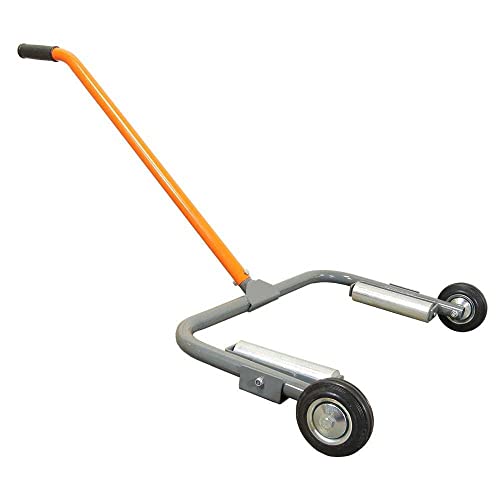
Martins Industries MSTWD Heavy Duty Wheel Dolly for Large Tires, Trucks, Buses, Semis for Shops garages, Made with Steel, 360 Degree Movement, Ergonomic Design
Ergonomic and safe, increase your productivity when changing heavy truck tire and wheel assemblies
As an affiliate, we earn on qualifying purchases.
As an affiliate, we earn on qualifying purchases.
Conclusion
Just like a finely tuned instrument, electric buses run smoothly when equipped with the right tires. Special tires reduce rolling resistance and handle the added weight of batteries, making your ride more efficient and eco-friendly. Think of these tires as the unsung heroes beneath your bus, silently saving energy and extending range. Without them, your journey could hit a sour note. So, choose wisely—because the right tires are the heartbeat of a cleaner, smarter transit future.

Cosmo Tires RC-17 All-Season Passenger Car Touring Radial Tire-225/60R16 225/60/16 225/60-16 98V Load Range SL 4-Ply BSW Black Side Wall UTQG 500AA
Treadlife: 45,000 miles
As an affiliate, we earn on qualifying purchases.
As an affiliate, we earn on qualifying purchases.
tread pattern tires for electric buses
As an affiliate, we earn on qualifying purchases.
As an affiliate, we earn on qualifying purchases.