
Proper weight distribution in electric bus design is crucial because it affects your vehicle’s stability, handling, and safety. Placing batteries low and centrally lowers the center of gravity, reducing the risk of tipping and improving balance during turns. It also ensures even tire wear, better braking, and smoother rides. If you want to understand how ideal weight placement enhances performance and longevity, keep exploring these important design aspects.
Key Takeaways
- Proper weight distribution ensures bus stability and reduces the risk of tipping or swaying during operation.
- Even weight spread improves handling, steering, and ride comfort for passengers.
- Balanced placement of heavy batteries enhances braking performance and prolongs vehicle lifespan.
- Optimized weight distribution minimizes tire wear and energy loss, boosting overall efficiency.
- Proper load placement reduces stress on suspension and structural components, preventing damage and lowering maintenance costs.

Understanding weight distribution is essential when designing electric buses because it directly impacts their stability, handling, and safety. When you think about how an electric bus performs on the road, consider how the placement of its components affects its overall balance. One of the most critical factors is battery placement. Since batteries are heavy and occupy significant space, where you position them influences the bus’s center of gravity. Placing the batteries low and centrally within the chassis helps lower the center of gravity, providing better stability, especially during turns or sudden maneuvers. If batteries are located too high or toward the rear, the bus becomes top-heavy or rear-heavy, increasing the risk of tipping or swaying, which compromises safety.
Chassis balance is another essential part of weight distribution. A well-balanced chassis ensures that weight is evenly spread across the vehicle’s axles. When the weight is uneven, steering becomes less predictable, and handling deteriorates. For electric buses, this means you need to carefully consider how much weight is on each wheel, particularly when you add heavy batteries. Proper chassis balance minimizes uneven tire wear and improves ride comfort, making the bus safer and more efficient to operate. It also influences braking performance—an uneven weight distribution can cause the bus to pull to one side under deceleration, which is dangerous for passengers and drivers alike. Additionally, understanding weight distribution is crucial for optimizing energy efficiency, as balanced weight reduces unnecessary strain on motors and brakes.
You should also think about how the overall weight distribution affects the bus’s structural integrity. A balanced chassis reduces stress on suspension components and the frame, extending the vehicle’s lifespan. When the weight isn’t properly distributed, excessive strain can cause premature wear or damage, leading to costly repairs. Furthermore, the placement of heavy components like batteries impacts not just handling but also the design of the bus’s chassis. Engineers often design the chassis to accommodate the weight of batteries in specific zones, ensuring ideal chassis balance.
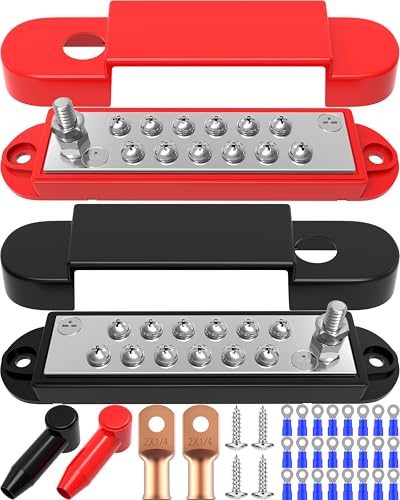
Bus Bar 12V 150A Power Distribution Block: DC Battery Marine Bus Bar Terminal Block with Cover 1/4" Stud 12 × #8 Screws Ground Power Distribution Block for Automotive RV Solar Wiring Boat Accessories
Heavy Duty 150A Marine Bus Bar Power: Crivon 12v power distribution block is built for heavy-duty use, supporting…
As an affiliate, we earn on qualifying purchases.
As an affiliate, we earn on qualifying purchases.
Frequently Asked Questions
How Does Weight Distribution Affect Passenger Comfort?
When weight distribution is balanced, you’ll notice improved passenger comfort because the bus rides smoothly, reducing bumps and sway. This allows you to enjoy stable passenger seating and an even interior layout, making your journey more pleasant. Proper weight balance prevents uneven movement that can cause discomfort or motion sickness. So, a well-distributed weight guarantees you experience a comfortable ride, even during turns or stops, enhancing overall passenger satisfaction.
Can Weight Distribution Influence Bus Acceleration and Braking?
Yes, weight distribution influences bus acceleration and braking. Properly balanced weight guarantees smoother, more controlled movements, improving safety and performance. When weight is optimized, aerodynamic factors are positively affected, reducing air resistance and enhancing energy efficiency. A well-distributed load permits the bus to accelerate faster and brake more effectively, conserving energy and extending vehicle range. Focus on weight balance helps you achieve better overall handling and operational efficiency.
What Role Does Weight Distribution Play in Bus Stability?
They say, “A chain is only as strong as its weakest link,” and the same applies to bus stability. Your bus’s weight distribution influences chassis balance and the center of gravity, directly affecting how stable it feels on the road. Properly balanced weight guarantees the bus resists tipping and maintains control, especially during turns or on uneven terrain. Keep weight evenly spread to enhance safety and passenger comfort.
How Is Weight Distributed During Different Bus Load Conditions?
You should consider that during different load conditions, weight distribution shifts based on passenger numbers and battery placement. When the bus is lightly loaded, more weight rests toward the front, but with increased passengers, the rear becomes heavier. Proper chassis balancing and strategic battery placement help maintain stability, ensuring even weight distribution across axles, regardless of load changes. This approach optimizes performance, safety, and ride comfort.
Are There Specific Design Tools Used to Optimize Weight Distribution?
Think of it like a chess game—you use specific tools to plan your moves. You’ll use simulation modeling to test various weight distribution scenarios, ensuring stability and efficiency. Structural analysis helps identify weak points and optimize the frame. These tools work together, allowing you to design a balanced electric bus that performs well under different loads, ultimately enhancing safety, comfort, and battery life.

Upgraded 48PCS 0.25 oz Car Wheel Weights,Strong Self-Adhesive Car Stick on Wheel Weights for Wheels Weight Balancing,Universal Wheels Weight Stick on Cars Accessories for Cars/SUVs/Trucks
Product Specification: You will receive a total of 48pcs car wheel weights, a total of 6 strips, 8pcs…
As an affiliate, we earn on qualifying purchases.
As an affiliate, we earn on qualifying purchases.
Conclusion
So, next time you’re marveling at an electric bus’s sleek design, remember—its secret isn’t just in the batteries but in perfect weight balance. Ironically, what seems like a minor detail can make or break efficiency and safety. You might think cutting-edge tech is enough, but without proper weight distribution, all that innovation could just tip the scales against you. Truly, sometimes the tiniest details have the biggest impact—who knew?

MC0447-1969N Kneel Switch Actuator | On/Off Rocker Control for Bus Air Suspension Systems | Replaces OEM Kneeling Switch Cap | Heavy-Duty Transit & Motor Coach Fitment
DIRECT REPLACEMENT ACTUATOR: Exact fit replacement for part number MC0447-1969N. Designed to snap directly onto existing dashboard rocker…
As an affiliate, we earn on qualifying purchases.
As an affiliate, we earn on qualifying purchases.

Counteract DIYK-10 Do It Yourself Tire/Wheel Balancing Beads Kit – Off -Road, Medium/Heavy Duty Truck Tires, (4) 10oz DIY Bead Bags, (4) Valve Caps and Cores, (1) Core Remover, Injector Bottle
ENHANCED VEHICLE PERFORMANCE – Counteract glass balancing beads for trucks, motorcycles, and off-road vehicles provide an automatic, readjusting,…
As an affiliate, we earn on qualifying purchases.
As an affiliate, we earn on qualifying purchases.