An IdeaNavigator AI proposal outlines itinerary-level effort ratings for walking distance, stairs, surfaces and rest options. No pilot results are reported.
France’s blood service says an alarm caught altered cold-room settings at three sites. Plasma was moved; no product loss or health impact was reported.
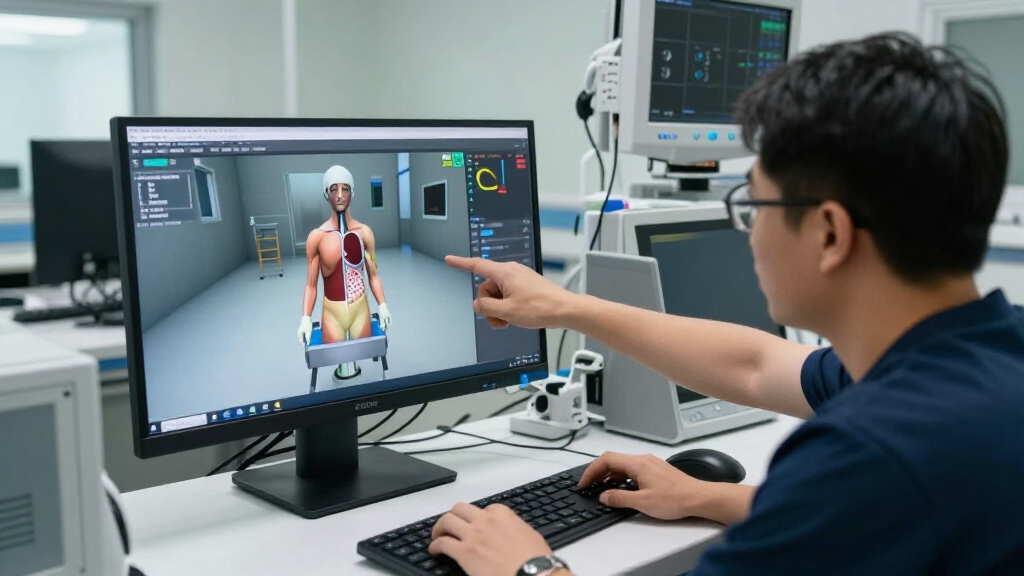
Microsoft’s peer-reviewed study reported high diagnostic scores on historical cases, but tested a simulated AI against individual generalists—not clinical teams.
Five gastrointestinal symptoms — from persistent heartburn to blood in stool — that warrant prompt attention, and why routine wellness check-ins should cover them.
Pennsylvania coroner reports unvaccinated woman’s death likely caused by measles complications, raising concerns about vaccine coverage and public health.
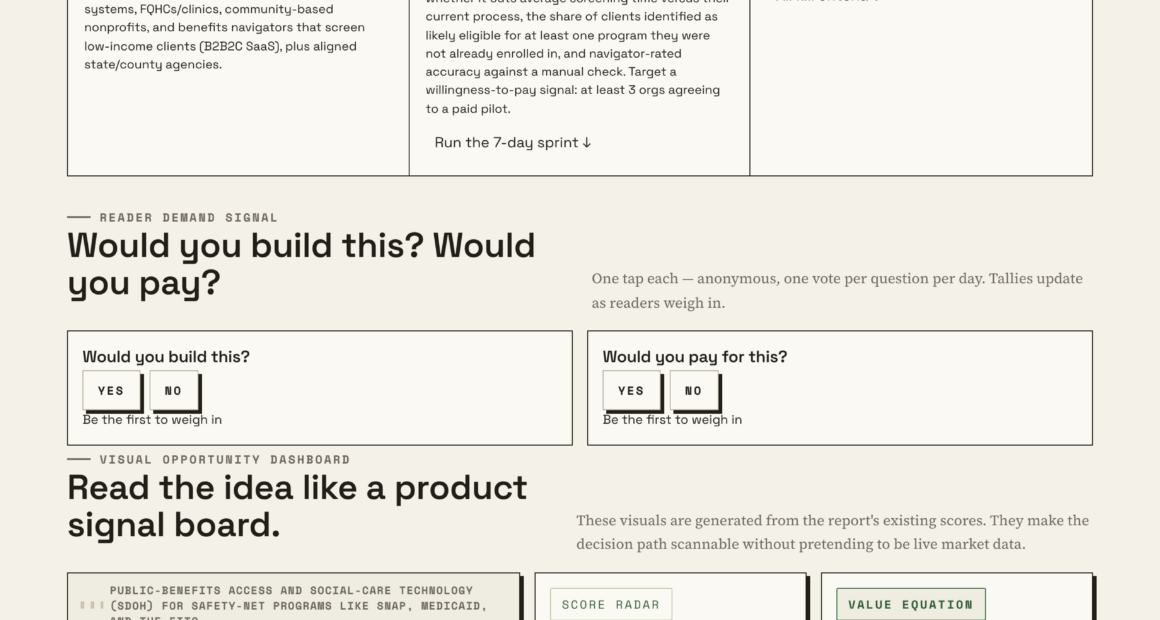
New conversational AI tool aims to improve access to public benefits by simplifying eligibility screening for low-income clients, with pilot testing underway.
New pilot programs using cohort-based models aim to address hard phone habits in adults, offering structured group recovery with peer accountability and measurable outcomes.