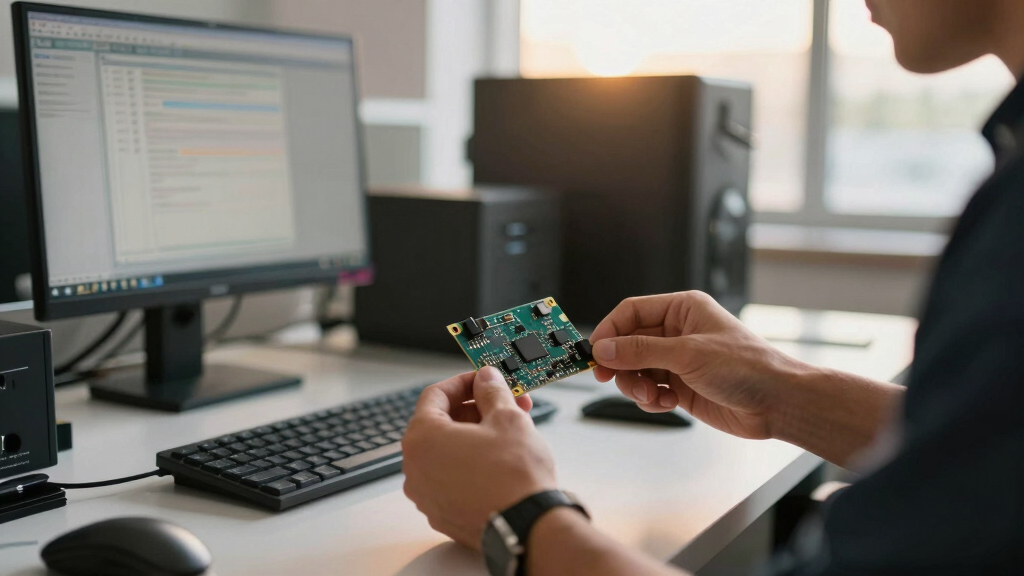

TL;DR

Get business pricing on monitors, keyboards and dev gear
- Business-only prices and quantity discounts
- Tax-exempt purchasing
- Multiple users, one account, clear invoices
Apple will spend $30 billion to develop US-made chips using Broadcom technology. This move aims to strengthen domestic manufacturing and reduce reliance on foreign supply chains. Details about implementation and timeline are still emerging.
Apple has declared it will invest $30 billion to develop and manufacture chips within the United States, utilizing technology from Broadcom. This move aims to bolster domestic chip production and reduce dependence on foreign suppliers, particularly in light of recent supply chain disruptions and geopolitical tensions.
The company stated that the investment will be directed toward designing advanced semiconductor chips domestically, with a focus on leveraging Broadcom’s existing technology and expertise. Apple did not specify the exact timeline for the project but emphasized that this initiative is part of its broader strategy to strengthen its supply chain resilience.
Sources familiar with the matter indicate that the investment will include building new facilities and expanding existing manufacturing capabilities within the United States. Apple’s CEO Tim Cook highlighted the importance of this move for national security and economic growth, stating, “This investment underscores our commitment to innovation and manufacturing in America.”
Implications for US Chip Manufacturing and Supply Chain Security
This $30 billion investment marks one of the largest commitments by a tech company toward domestic chip manufacturing. It signals a strategic shift aimed at reducing reliance on foreign suppliers, especially amid ongoing global supply chain challenges and geopolitical tensions involving China and other regions. The move could accelerate US efforts to regain leadership in semiconductor production and foster local job creation.
As an affiliate, we earn on qualifying purchases.
Background on US Efforts to Boost Domestic Chip Production
Over the past few years, the US government has implemented policies like the CHIPS Act to incentivize domestic semiconductor manufacturing. Major companies, including Intel and TSMC, have announced plans to build or expand US facilities. Apple’s investment aligns with these national priorities, aiming to secure supply chains for critical components used in its products.
Broadcom, a key supplier of chips and semiconductor components, has been a significant player in the industry, providing technology for a range of electronics. Apple’s collaboration with Broadcom for this US-based manufacturing initiative represents a strategic move to integrate supply chain resilience into its core operations.
“This $30 billion investment demonstrates Apple’s commitment to innovation and manufacturing in America, strengthening our supply chain and supporting local economies.”
— Apple spokesperson
Apple Broadcom chip development kit
As an affiliate, we earn on qualifying purchases.
As an affiliate, we earn on qualifying purchases.
Details on Timeline and Implementation Plans Still Emerging
While Apple has announced the $30 billion investment, specific details about the project timeline, locations of new facilities, and the types of chips to be produced remain unclear. It is also not confirmed how quickly the manufacturing will ramp up or what the immediate economic impacts will be.
domestic chip manufacturing equipment
As an affiliate, we earn on qualifying purchases.
As an affiliate, we earn on qualifying purchases.
Monitoring Progress and Additional Announcements Expected
Apple and Broadcom are expected to provide further details in the coming months regarding project milestones, construction timelines, and operational plans. Industry analysts will closely watch for updates on how this investment influences US chip manufacturing capacity and supply chain security.
As an affiliate, we earn on qualifying purchases.
Key Questions
What types of chips will Apple produce with this investment?
Specific details about the chip types have not been disclosed. It is likely to include advanced semiconductor components used in Apple devices and possibly other electronics.
When will the new US manufacturing facilities be operational?
There is no confirmed timeline yet. Apple has indicated that development will take several years, with further details to be announced as plans progress.
Why is Apple investing so heavily in US chip manufacturing?
The investment aims to strengthen supply chain resilience, reduce reliance on foreign suppliers, and support US economic and technological leadership.
How does Broadcom fit into this project?
Broadcom will provide technology and expertise for designing and possibly manufacturing chips in the US, serving as a key partner in Apple’s domestic production initiative.
Could this impact global chip prices or supply?
Potentially, as increased US manufacturing capacity might influence supply and demand dynamics, but specific effects are uncertain at this stage.
Source: google-trends
Fall Picks
fall essentials
As an affiliate, we earn on qualifying purchases.