
TL;DR

Get monitors, keyboards and dev gear delivered free — and shop member deals
- Fast, free delivery on millions of items
- Access to Prime Big Deal Days deals on October 6–7
- Prime Video, Amazon Music and more included
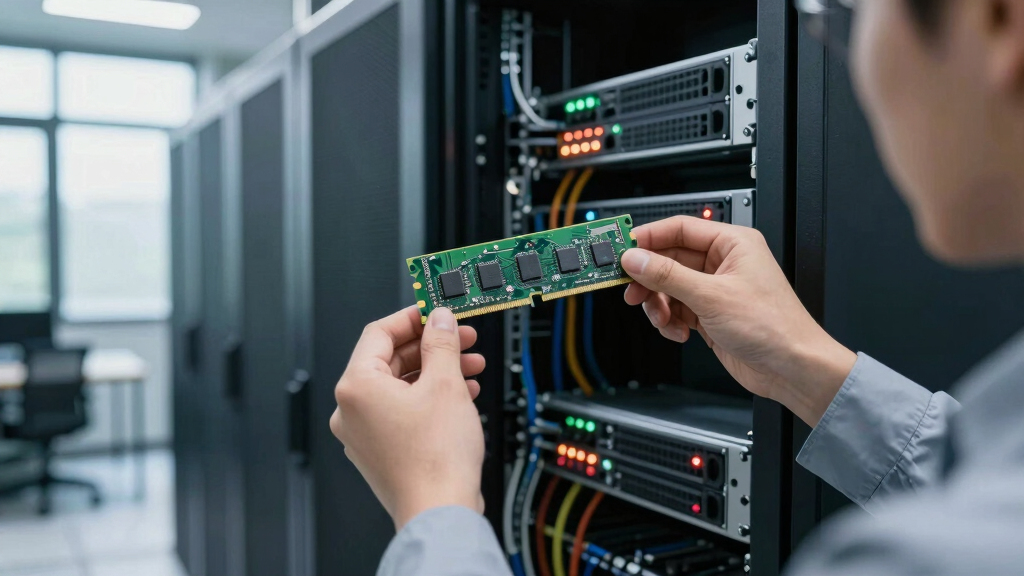
Meta is repurposing older RAM modules in its latest servers, utilizing a custom bridge chip to improve performance and cost-efficiency. This approach reflects a shift towards resource reuse in data center hardware.
Meta is reusing older RAM modules in its newest data center servers, employing a custom-designed bridge chip to enable compatibility and optimize performance. This move signals a strategic shift towards resource reuse and cost reduction in large-scale infrastructure.
According to recent technical disclosures, Meta has integrated recycled RAM modules into its latest server models. These modules, originally deployed in earlier hardware generations, are being repurposed rather than discarded. The key enabler for this reuse is a custom bridge chip designed specifically for these servers, allowing the older RAM to interface effectively with new hardware architectures.
Meta’s technical team developed this bridge chip to address compatibility issues, ensuring stable operation despite differences in RAM specifications and age. The company claims this approach reduces hardware costs and minimizes electronic waste, aligning with broader sustainability goals.
While the exact specifications of the reused RAM and the bridge chip are not publicly detailed, sources familiar with the deployment indicate that the solution has undergone rigorous testing to meet performance standards required for data center operations.Implications of Resource Reuse in Data Center Hardware
This development is significant because it demonstrates how major cloud providers like Meta are exploring innovative hardware reuse strategies to cut costs and reduce environmental impact. Reusing older RAM modules can lower capital expenditure and electronic waste, but it also raises questions about long-term reliability and performance consistency. If successful, this approach could influence industry standards for sustainable data center infrastructure.
As an affiliate, we earn on qualifying purchases.
Meta’s Hardware Strategy and Prior Sustainability Initiatives
Meta has historically invested in energy-efficient and sustainable hardware solutions, including efforts to reduce electronic waste and optimize resource utilization. Previously, the company has explored custom hardware designs and modular components to extend hardware lifespan. The current use of recycled RAM with a custom bridge chip aligns with these ongoing initiatives, reflecting a broader industry trend towards hardware longevity and resource efficiency.
This move also follows a pattern seen in other large-scale data centers, where hardware reuse and innovative interface solutions are increasingly common to manage costs and environmental impact amid rising infrastructure demands.
“Our approach to hardware reuse exemplifies our commitment to sustainability and cost efficiency, leveraging custom solutions to extend the life of existing components.”
— Meta spokesperson
As an affiliate, we earn on qualifying purchases.
Unanswered Questions About Long-Term Performance
It is not yet clear how the reused RAM modules will perform over extended periods or under heavy workloads. The durability and reliability of the custom bridge chip in operational settings remain unverified publicly, and ongoing testing results are not yet available.
As an affiliate, we earn on qualifying purchases.
Next Steps in Deployment and Performance Monitoring
Meta is expected to continue deploying these servers and monitor their performance closely. Future updates may include detailed reports on reliability, efficiency gains, and potential scalability of this reuse strategy. Industry observers will watch for whether this approach influences broader hardware standards.
As an affiliate, we earn on qualifying purchases.
Key Questions
Why is Meta reusing old RAM instead of buying new modules?
Meta aims to reduce costs and minimize electronic waste by reusing existing hardware components, supported by a custom bridge chip that ensures compatibility and performance.
How does the custom bridge chip enable older RAM to work in new servers?
The bridge chip acts as an interface, translating signals and compatibility protocols between the old RAM modules and the new server architecture, ensuring stable operation.
Could this reuse strategy affect server performance or reliability?
It is currently under evaluation. While initial tests are promising, the long-term effects on performance and reliability are still uncertain and subject to ongoing monitoring.
Is this approach unique to Meta, or are other companies doing the same?
Resource reuse strategies are increasingly common in the industry, but Meta’s use of a custom bridge chip for RAM reuse is a notable innovation that could influence broader practices.
What are the environmental benefits of reusing RAM modules?
Reusing existing hardware reduces electronic waste and lowers the demand for new manufacturing, supporting sustainability and reducing carbon footprint.
Source: hn
Halloween Picks
halloween
As an affiliate, we earn on qualifying purchases.