
TL;DR

Get business pricing on monitors, keyboards and dev gear
- Business-only prices and quantity discounts
- Tax-exempt purchasing
- Multiple users, one account, clear invoices
Jim Keller’s startup is building a factory to produce small chip fabrication facilities at scale. This development could significantly impact semiconductor manufacturing and supply chains.
Jim Keller’s startup is constructing a factory dedicated to mass-producing small-scale semiconductor fabrication units, or ‘chip fabs.’ This initiative aims to lower barriers to entry in chip manufacturing and increase supply chain resilience, making it a significant development in the tech industry.
The startup, founded by renowned chip designer Jim Keller, announced plans to build a manufacturing facility focused on producing compact, scalable chip fabrication units. The factory is currently under construction, with the company stating it intends to begin production within the next year. The goal is to provide a more accessible and flexible alternative to traditional large-scale fabs, which require billions of dollars in investment.
Sources familiar with the project indicate that the startup aims to produce small fabs that can be deployed more rapidly and at a lower cost, potentially enabling smaller companies and emerging markets to develop their own semiconductor manufacturing capabilities. The company has not disclosed specific technical details or the expected capacity of the factory but emphasizes its focus on innovation and scalability.
Jim Keller, a veteran engineer known for his work at AMD and Apple, is leading the venture, which has attracted attention from industry analysts and investors interested in the future of chip manufacturing and supply chain diversification.
Potential Impact on Semiconductor Industry Dynamics
This initiative could significantly alter the landscape of chip manufacturing by making fabrication technology more accessible and reducing dependency on large, expensive fabs. If successful, it may enable a broader range of companies to produce custom chips, foster innovation, and improve supply chain resilience amid ongoing global shortages and geopolitical tensions.
Moreover, the move could stimulate competition, drive down costs, and accelerate the development of specialized chips for emerging applications like AI, IoT, and 5G, which require smaller, more adaptable manufacturing solutions.
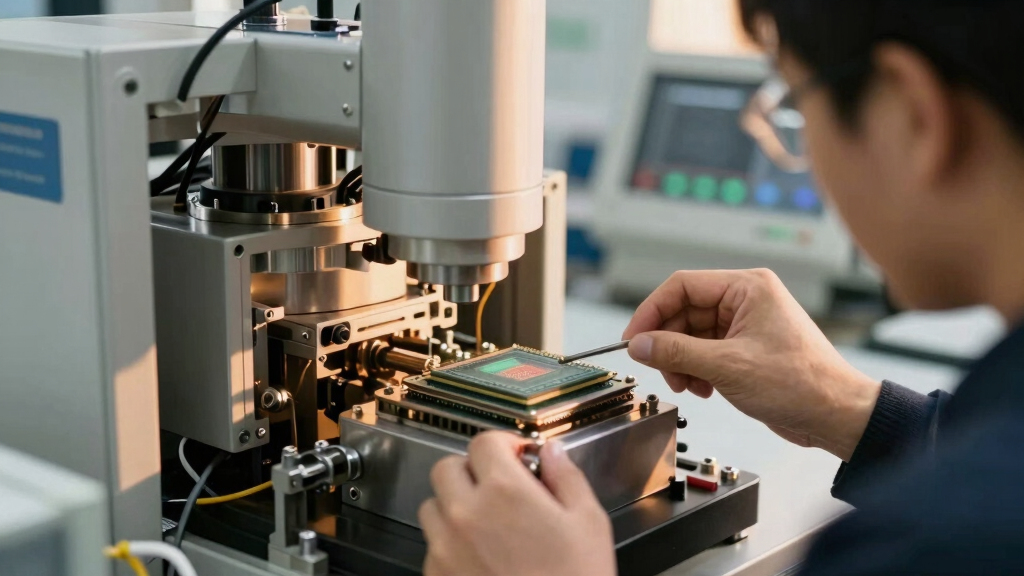
small semiconductor fabrication units
As an affiliate, we earn on qualifying purchases.
As an affiliate, we earn on qualifying purchases.
Background on Small Chip Fabs and Industry Trends
Traditional semiconductor manufacturing relies on massive, centralized fabs that cost billions of dollars to build and operate. Recent supply chain disruptions and geopolitical issues have prompted industry leaders and governments to explore alternative manufacturing models. In recent years, there has been growing interest in smaller, more flexible fabrication units that can be deployed closer to end markets or in regions with less existing infrastructure.
Jim Keller’s involvement in this project is notable because of his reputation for innovative chip design and his influence in the industry. The concept of small, scalable fabs is gaining attention as a potential solution to supply chain vulnerabilities and rising costs associated with large-scale manufacturing.
While several startups and companies have explored modular or smaller fabs, Keller’s venture appears to be among the most ambitious, aiming to produce units at a scale that could impact global supply chains.
“Our goal is to democratize chip manufacturing by making small, scalable fabs accessible to more players, fostering innovation and resilience.”
— Jim Keller
compact chip manufacturing equipment
As an affiliate, we earn on qualifying purchases.
As an affiliate, we earn on qualifying purchases.
Unconfirmed Details About Factory Capacity and Timeline
It is not yet clear how large the factory will be, what its production capacity will be, or when it will begin full-scale manufacturing. The startup has not disclosed specific technical or operational details, and the timeline remains subject to construction progress and regulatory approvals.
Additionally, the exact design and scalability of the small fabs are still under development, and industry experts are awaiting further technical disclosures.
As an affiliate, we earn on qualifying purchases.
Next Steps for Construction and Industry Adoption
The company is expected to provide updates on construction milestones and initial production timelines in the coming months. Industry observers will be watching for technical specifications, pilot production results, and potential partnerships or customer engagements. Success in early testing could lead to broader adoption and influence industry standards for small-scale chip fabrication.
small-scale chip fabrication plant
As an affiliate, we earn on qualifying purchases.
As an affiliate, we earn on qualifying purchases.
Key Questions
What exactly are small chip fabs?
Small chip fabs are compact, scalable semiconductor manufacturing units designed to produce chips on a smaller scale than traditional large-scale fabs. They aim to be more flexible, faster to deploy, and less costly.
Why is this development significant?
If successful, it could democratize chip manufacturing, reduce reliance on large fabs, and improve supply chain resilience, especially for emerging technologies and smaller companies.
When will the factory be operational?
The startup has not announced an exact date, but plans indicate construction is ongoing with production possibly starting within the next year.
Who is Jim Keller and why is he involved?
Jim Keller is a renowned chip designer with a history at AMD and Apple. His involvement signals a high level of expertise and innovation in this project.
Could this disrupt the current semiconductor industry?
Potentially, yes. If the factory achieves its goals, it could challenge existing manufacturing models and foster new competition and innovation.
Source: hn
Evergreen bestsellers Picks
bestsellers
As an affiliate, we earn on qualifying purchases.